Hearty Lentil Kale Soup with Middle Eastern Flavors
17 March 08:52
332
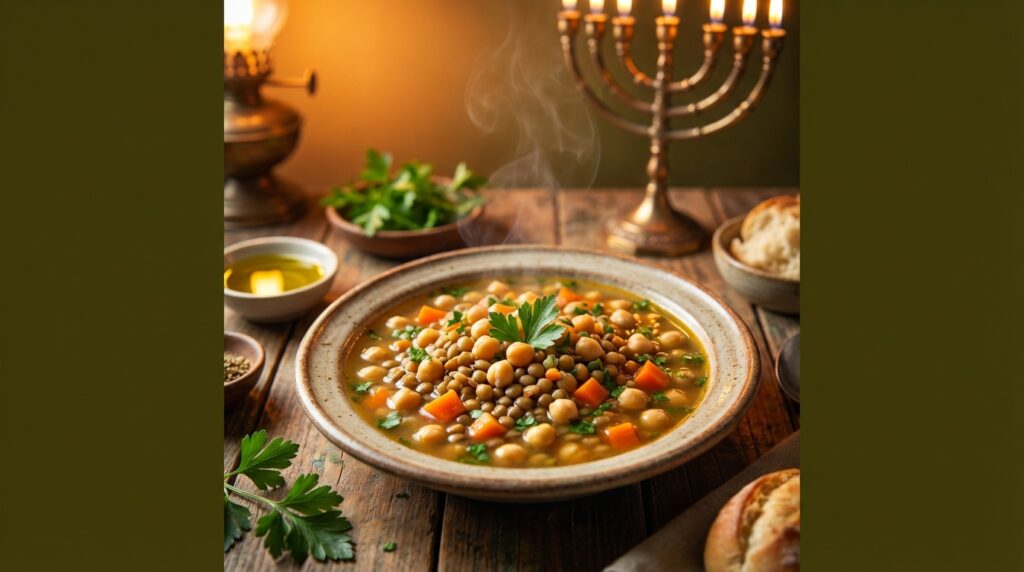

The history of Israeli soups is as rich and varied as the country itself. Drawing from the many cultures that have settled in the region, these soups often feature ingredients like chickpeas, lentils, and fresh herbs. Each bowl tells a story of migration, adaptation, and the melding of flavors from around the world.
In the early days of Israel’s founding, soups were a staple in many households. They provided a nutritious and economical way to feed families, especially during times of scarcity. Ingredients were often sourced locally, with fresh vegetables and herbs playing a central role.
As the country developed, so did its culinary scene. Israeli soups began to incorporate more diverse ingredients, reflecting the country’s growing agricultural capabilities. Today, these soups are celebrated for their hearty flavors and ability to bring people together around the table.
Whether it’s a holiday celebration or a simple family dinner, Israeli soups are often at the center of the meal. They symbolize warmth, hospitality, and the joy of sharing food with loved ones. Each recipe is a testament to the creativity and resilience of the Israeli people.
The preparation of Israeli soups is often a communal activity. Families gather in the kitchen, each member contributing to the process. This tradition fosters a sense of community and connection, as stories and laughter are shared over simmering pots.
In modern times, Israeli soups have gained international recognition. Chefs around the world are inspired by the unique flavors and techniques found in these traditional recipes. They are a testament to the enduring appeal of Israeli cuisine.
Packed with fresh vegetables and legumes, Israeli soups are not only delicious but also nutritious. They provide essential vitamins and minerals, making them a healthy choice for any meal. The use of herbs and spices adds both flavor and health benefits, supporting overall well-being.
The versatility of Israeli soups allows for endless variations. Home cooks can experiment with different ingredients and flavors, creating new and exciting dishes. This adaptability ensures that Israeli soups remain a beloved part of the culinary landscape.
As you enjoy a bowl of Israeli soup, you’re partaking in a tradition that spans generations. Each spoonful is a connection to the past, a celebration of the present, and a promise for the future. It’s a culinary journey that invites you to explore and savor the rich tapestry of Israeli culture.