Homemade Quince Candy Delight
5 April 08:52
280
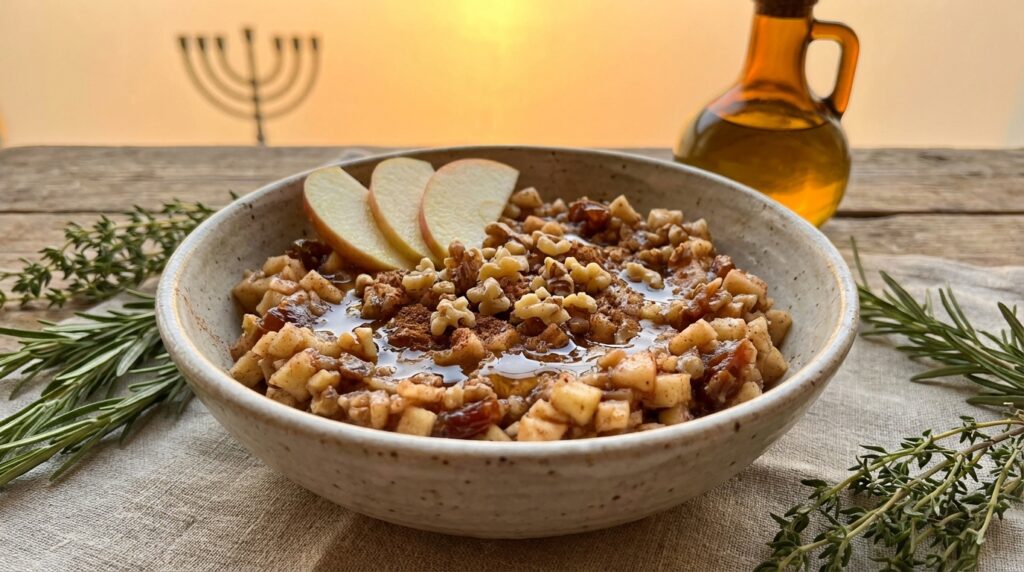

The history of Haroset dates back centuries, with its origins rooted in Jewish tradition. It is a staple during the Passover Seder, representing the mortar used by Hebrew slaves in Egypt. The dish is a reminder of the hardships faced by ancestors and the resilience of the Jewish people. Each family often has its own unique recipe, passed down through generations, adding a personal touch to this symbolic dish.
In Israel, Haroset is not just a dish but a celebration of heritage. It brings families together, allowing them to share stories and memories while preparing the dish. The ingredients used in Haroset vary widely, reflecting the diverse backgrounds of Jewish communities around the world. From apples and nuts to dates and wine, each version of Haroset tells a different story, yet all share the same purpose of remembrance and unity.
The preparation of Haroset is a communal activity, often involving multiple generations. Grandparents teach their grandchildren the art of balancing flavors, ensuring the perfect blend of sweetness and spice. This tradition not only preserves culinary skills but also strengthens family bonds, making Haroset a dish of love and connection. The act of making Haroset is as important as the dish itself, embodying the spirit of togetherness and cultural continuity.
In the Galilee region, Haroset often includes dates and figs, adding a rich sweetness that complements the spices. This variation highlights the abundance of fruit in the area and the influence of Middle Eastern flavors. The use of local ingredients not only enhances the taste but also connects the dish to the land, making it a true representation of Israeli culinary heritage. Each bite of Galilee-style Haroset is a journey through the region’s history and flavors.
Sephardic Jews, originating from Spain and Portugal, have their own unique take on Haroset. Their version typically includes a blend of dried fruits, nuts, and spices, creating a paste-like consistency. This variation reflects the Mediterranean influence on Sephardic cuisine, showcasing the rich tapestry of flavors that define their culinary traditions. The Sephardic Haroset is a testament to the adaptability and creativity of Jewish communities, preserving their heritage through food.
Ashkenazi Jews, primarily from Eastern Europe, prepare Haroset using apples, walnuts, and cinnamon. This version is lighter and chunkier, offering a refreshing contrast to the richer Sephardic style. The simplicity of Ashkenazi Haroset reflects the resourcefulness of communities who made do with available ingredients. Despite its humble origins, this version of Haroset is beloved for its crisp texture and balanced flavors, embodying the spirit of innovation and resilience.