
Classic Israeli Shakshuka Recipe
26 April 10:37
269
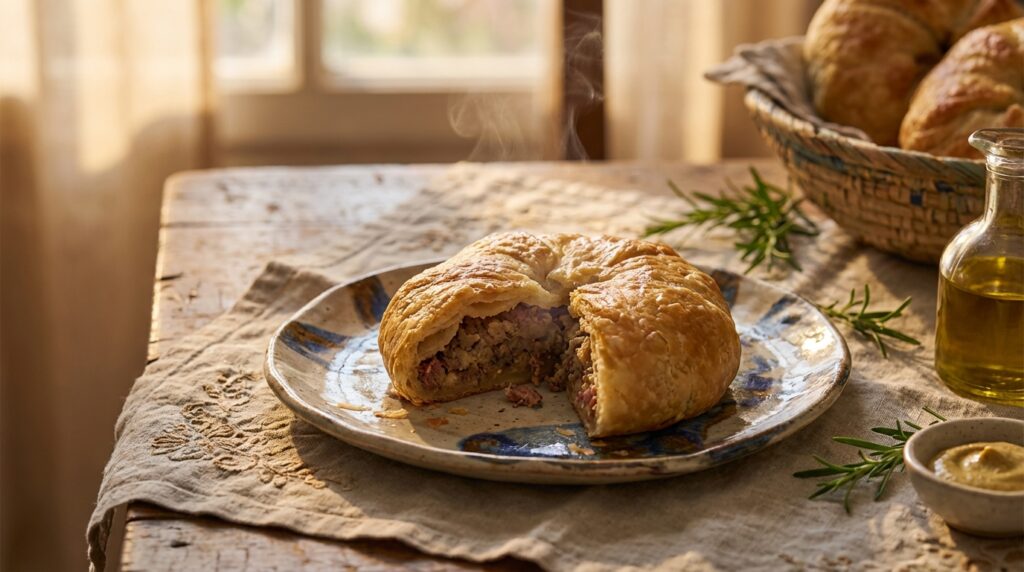

The knish, a pastry filled with savory ingredients, has been a staple in Jewish cuisine for centuries. Originating in Eastern Europe, it was brought to Israel by immigrants who cherished their culinary traditions. The addition of corned beef to the knish is a modern twist that has become popular in Israeli kitchens.
In Israel, the knish is more than just a snack; it’s a symbol of cultural heritage and community. Families often gather to make knishes together, sharing stories and laughter as they roll out the dough and prepare the filling. This communal activity strengthens bonds and preserves culinary traditions.
The corned beef knish has gained popularity not only for its delicious taste but also for its versatility. It can be served as an appetizer, a main dish, or even a snack, making it a favorite at family gatherings and celebrations. Its rich flavor and satisfying texture make it a crowd-pleaser.
The process of making knishes is both an art and a science. The dough must be rolled to the perfect thickness, and the filling must be seasoned just right. Each family has its own secret recipe, passed down through generations, adding a personal touch to this cherished dish.
In modern Israeli cuisine, chefs have experimented with various fillings for knishes, from traditional potato to innovative combinations like sweet potato and goat cheese. However, the corned beef knish remains a classic favorite, celebrated for its rich, savory flavor and satisfying texture.
The popularity of corned beef knish has spread beyond Israel, with many Jewish delis around the world offering their own versions. This global appreciation highlights the universal appeal of this humble yet delicious dish, connecting people through shared culinary experiences.
Whether enjoyed hot from the oven or at room temperature, corned beef knishes are a delightful treat. They can be served with a variety of accompaniments, such as mustard or pickles, enhancing their flavor. This adaptability makes them a perfect addition to any meal, whether casual or formal.
The tradition of making knishes is often passed down from generation to generation, with each family adding its own unique twist. This ensures that the dish remains a living part of cultural heritage, evolving while staying true to its roots. The corned beef knish, with its rich history and delicious taste, continues to be a beloved part of Israeli cuisine.
Sharing a corned beef knish is sharing a piece of history and culture.