Hearty Kreplach Soup to Warm the Heart
17 March 08:44
248
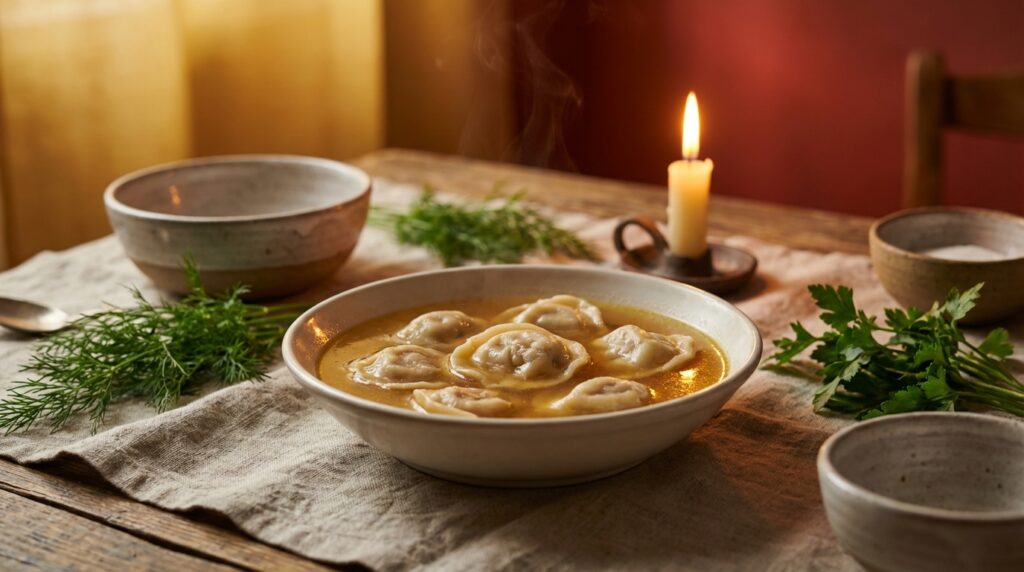

Originating from Eastern Europe, kreplach are dumplings traditionally filled with meat or potatoes. They are often served in a rich chicken broth, making them a staple in Jewish households. The dish has traveled across continents, adapting to various culinary traditions while maintaining its comforting essence.
In Israel, Kreplach Soup has become a cherished part of Middle Eastern cuisine, reflecting the diverse cultural tapestry of the region. The soup is not only a culinary delight but also a symbol of heritage and family gatherings. Each bowl tells a story of tradition, warmth, and community.
The preparation of kreplach is often a family affair, with generations coming together to fill and fold the delicate dumplings. This communal activity strengthens bonds and preserves the cultural significance of the dish. The process is as rewarding as the delicious result, creating memories along with a hearty meal.
The dumplings are typically made from a simple dough of flour, water, and eggs, rolled thin and filled with a savory mixture. The filling can vary, with some families preferring beef, while others opt for chicken or even vegetarian options. This versatility allows the dish to cater to different tastes and dietary needs.
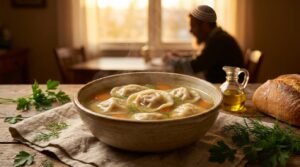
Once filled, the kreplach are boiled until tender and then added to a flavorful broth. The broth itself is a masterpiece, often simmered with vegetables and herbs to enhance the taste. This combination of textures and flavors makes Kreplach Soup a comforting and satisfying meal, perfect for any occasion.
In many households, Kreplach Soup is served during Jewish holidays such as Purim and Yom Kippur. It is a dish that brings people together, offering comfort and nourishment. The soup’s rich history and cultural significance make it a beloved choice for celebrations and everyday meals alike.
The dish’s adaptability has allowed it to thrive in various culinary landscapes. In modern kitchens, chefs experiment with different fillings and broths, adding a contemporary twist to the classic recipe. Despite these innovations, the essence of Kreplach Soup remains unchanged, rooted in its rich history and cultural importance.
For many, the aroma of Kreplach Soup evokes memories of family gatherings and festive celebrations. It is a dish that transcends generations, carrying with it the stories and traditions of those who came before. Each spoonful is a reminder of the love and care that goes into its preparation.
As you savor the flavors of Kreplach Soup, you are partaking in a culinary journey that spans continents and centuries. It is a testament to the enduring appeal of traditional dishes and their ability to bring people together in celebration and joy.