
Discovering the Water Gate in Jerusalem’s Old City


The Water Gate in Jerusalem holds history, being mentioned in ancient texts. It served as a vital entry point to the city, situated near historical water systems. This gate likely played a crucial role in managing Jerusalem’s water supply, linking the city’s channels with its urban center. It is noted as a gathering place for the Israelites during significant readings, highlighting its importance as both a physical entryway and a site of communal significance. Archaeological findings suggest it was strategically positioned to facilitate water flow from the Gihon Spring, one of Jerusalem’s primary sources. This connection underscores its role in the city’s infrastructure, ensuring residents had access to vital resources.
This article explores the historical and cultural role of the Water Gate, tracing its role in historical and archaeological records. Its proximity to key features like the Pool of Siloam further emphasizes its importance in the daily life of historical Jerusalem.
from the Western Wall to Masada.
The presence of the Water Gate in historical texts and its archaeological remnants provide insight into the engineering prowess of ancient Jerusalemites. By examining these aspects, we gain a deeper understanding of how the city sustained itself and flourished in a challenging environment.
Strategically placed near essential water sources, the Water Gate underscores the importance of resource management in ancient urban planning. It not only served practical needs but also played a role in the community’s spiritual and social life.
What Was the Water Gate in Jerusalem?
Mentioned in historical texts, the Water Gate refers to an entrance near Jerusalem’s water sources. This gate provided access to the critical supplies needed for the city’s daily life and ritual purification.
Situated close to the Pool of Siloam, the Water Gate was crucial in connecting residents with essential facilities. Given Jerusalem’s aridity, managing these resources was vital for survival.
The historical text highlights the gate’s role in civic gatherings, where significant events were often conducted, emphasizing its standing in the community. Such gatherings were central to the social life of historical Jerusalem.
The Location and Structure of the Water Gate
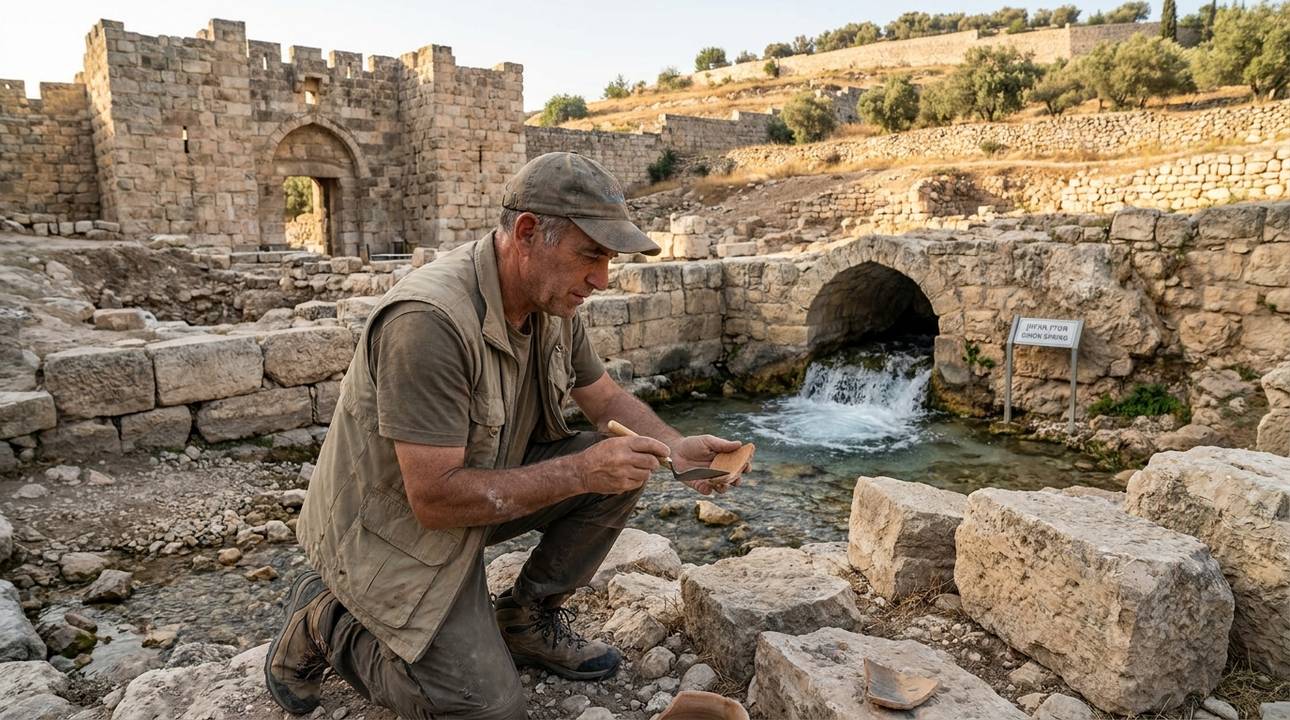
Archaeologists believe the Water Gate was near the City of David, an area south of the current Old City walls. Its strategic position facilitated easy access to Jerusalem’s infrastructure. Structures around the gate indicate its integration into the city’s ancient fortifications.
Stones found in archaeological excavations suggest a robust construction necessary for protection and durability. Studying the locations helps us understand urban planning in historical Jerusalem, showing how the city’s grew around its essential resources.
The proximity of the Water Gate to key sources like the Gihon Spring highlights its importance in the city’s daily life and defense strategies. This location was crucial for maintaining a secure and sustainable supply, vital for the city’s survival and growth.
The Water Gate in Historical References
The Water Gate plays a minor but meaningful role in historical narratives. It was near this gate that significant gatherings occurred. The location was symbolic, representing access to both physical and communal sustenance.
These accounts underscore the gate’s role in community life. Through these accounts, it emerges as more than just a physical structure; it becomes a stage for pivotal reforms and public discourse.
Significant readings at the Water Gate were moments of communal reflection and commitment. The gathering was marked by a sense of reverence and collective responsibility, as the people stood for hours listening to important teachings.
This event was a turning point, leading to a renewed dedication to the laws and teachings central to identity and practice. The gate thus served as a backdrop for this transformative experience.
This gathering marked a significant moment in history, as it was a time of renewal and reaffirmation of values. Public readings were a catalyst for revival, emphasizing the importance of teachings in everyday life.
The choice of this venue highlights its centrality to the community, serving as a meeting place for both civic and communal matters, reflecting its role in public life.
The Water Gate was not just a physical structure but a symbol of unity and shared values. The event brought together people from all walks of life, illustrating the inclusivity of the teachings. The reading was not merely a religious act but a reaffirmation of identity and purpose for the people.
This moment underscored the enduring relevance of the teachings, as they were read aloud to men, women, and children, ensuring that its teachings were accessible to all.
Water Management in Historical Jerusalem
Water was a precious resource in historical Jerusalem. The city’s rulers implemented advanced systems to capture and store it, ensuring availability throughout dry seasons. The Gihon Spring and the Pool of Siloam are key features in understanding this network.
These facilities worked in harmony with gates like the Water Gate, serving both daily needs and ceremonial purposes. Archaeological evidence highlights the sophistication of Jerusalem’s management techniques, reflecting their advanced understanding of engineering needs.
from the Western Wall to Masada.
The engineering feats of historical Jerusalem, such as the construction of tunnels, underscore the city’s commitment to sustainable resource management. These systems were crucial for survival in a region with limited rainfall.
The integration of sources with city gates illustrates the strategic planning that went into urban development, ensuring residents had access to essential resources while also maintaining defenses.
The Gihon Spring was a vital water source for Jerusalem and played a crucial role in the city’s defenses. Tunnels were constructed to redirect its waters, demonstrating the strategic importance of water management.
The Pool of Siloam was another critical component of this system, providing water for ritual purification and daily use. These innovations ensured that Jerusalem could sustain its population and maintain its practices even during times of siege.
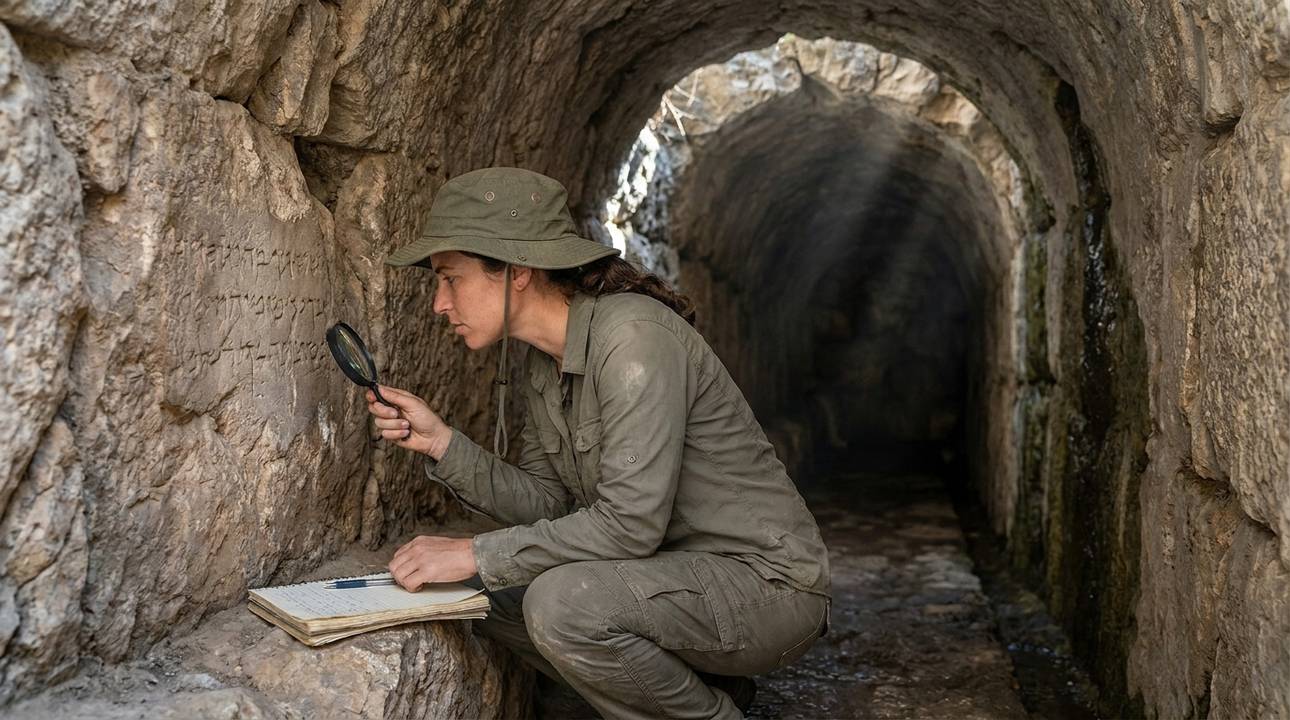
Hezekiah’s Tunnel, an engineering marvel of its time, stretched over 500 meters, channeling water from the Gihon Spring to the Pool of Siloam. This tunnel not only secured a reliable water supply during sieges but also showcased the ingenuity and resourcefulness of Jerusalem’s inhabitants.
The Pool of Siloam, discovered in 2004, served as a gathering place for pilgrims and residents, highlighting the integral role of water in both daily life and religious observance.
Archaeological Insights into the Water Gate
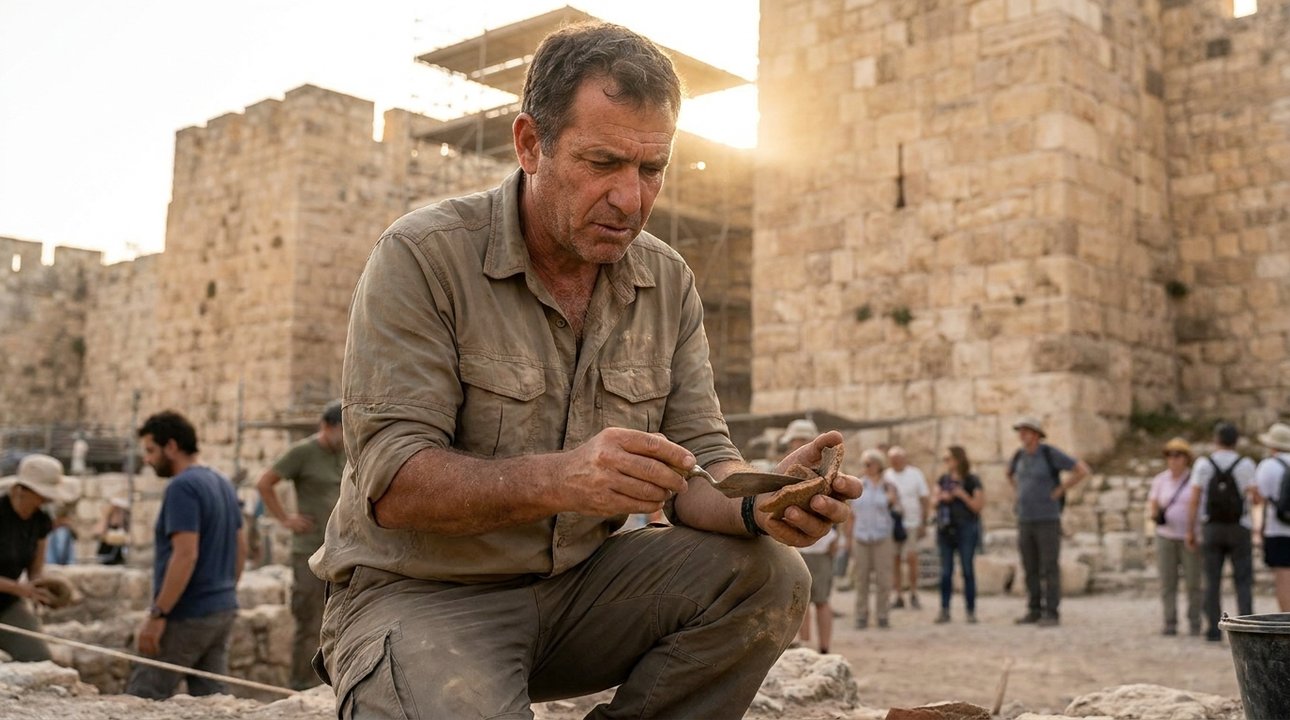
Excavations in the City of David have uncovered portions of walls and structures likely associated with the Water Gate. These finds offer clues to its scale and construction methods.
Scholars suggest it was made from large limestone blocks, reflecting typical features of Jerusalem’s fortified architecture. These discoveries help date the structure and provide insights into its role in the city’s defense.
The architectural style, characterized by robust limestone construction, indicates the defensive priorities of historical Jerusalem. Such fortifications were essential to protect against invasions and ensure the city’s security.
These archaeological findings not only enhance our understanding of Jerusalem’s historical landscape but also bring context to historical descriptions, offering a tangible connection to the past.
The Water Gate in Modern Memory
Modern explorations and educational projects keep the history of historical sites like the Water Gate alive. By preserving these narratives, we maintain a connection to Jerusalem’s multifaceted past. Projects like the City of David initiative facilitate public access to excavations and discoveries, contributing to a deeper appreciation of the city’s history.
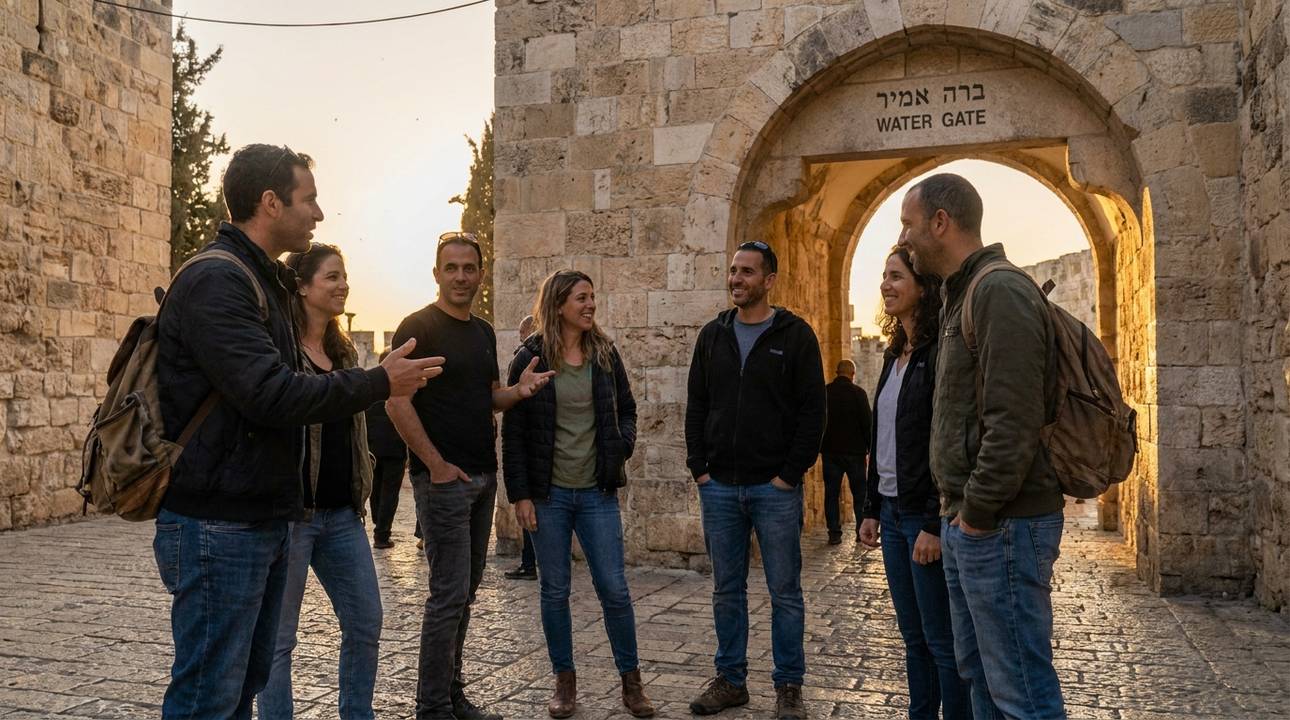
This initiative offers guided tours that bring visitors face-to-face with the remnants, allowing them to experience firsthand the historical context of this significant site. Such educational efforts foster a sense of connection and continuity with the past, enriching our understanding of Jerusalem’s complex heritage.
Preserving such landmarks is not only about maintaining historical records but also fostering a shared cultural heritage that bridges generations. The City of David project, for instance, has uncovered artifacts dating back to around 1000 BCE, providing tangible links to the historical era. These efforts ensure that the stories of Jerusalem’s past are not lost to time, but rather passed down as part of a living history that is still remembered and educate future generations.
The City of David project has revealed significant findings, such as the Large Stone Structure. These discoveries offer a window into the past, connecting modern visitors with the ancient world.
By maintaining these sites, we honor the legacy of those who came before us and preserve the cultural identity that has been shaped over millennia. Such projects also promote understanding and appreciation of Jerusalem’s diverse history.
Conclusion: the Legacy of the Water Gate
Reflecting on the history of this gate offers a deeper understanding of Jerusalem’s development. Its role in historical times echoes through communal storytelling and current archaeological efforts. It is described as part of the city’s reconstruction efforts after the Babylonian exile.
Exploring these subjects through projects and educational tours helps link the modern world with ancient stories, enriching cultural identity and knowledge. These tours often include visits to the nearby Gihon Spring, illustrating the interconnectedness of Jerusalem’s systems.
In essence, the Water Gate serves as a sign of Jerusalem’s historic adaptability and resourcefulness, points crucial for understanding its importance. Its historical role as a hub of community activity and strategic location highlight the city’s ability to thrive despite environmental and political challenges. By studying sites like this, we gain insights into the ingenuity of Jerusalem’s inhabitants, who managed to sustain their city through innovative management and community cohesion.
The legacy of the Water Gate is reflected in its contribution to Jerusalem’s social and spiritual life. As a site of significant gatherings, it was central to the community’s identity and cohesion.
Its location near vital sources underscores the importance of strategic planning in ancient urban development, ensuring that the city could endure and prosper through various historical periods.
General Information
