
Understanding Bithynia in the Bible


Bithynia appears in New Testament writings as a region in northwestern Asia Minor, in territory that is now within modern Turkey. The area mattered in several early Christian sources. For example, Acts records that Paul and his companions tried to enter Bithynia but were prevented from doing so (Acts 16:7). This article outlines where Bithynia was, what it was like in antiquity, and why it is mentioned in early Christian texts.
Bithynia lay along routes used for trade and travel, and its towns met people from various backgrounds. That mix of travelers and locals made it a natural place for new ideas to reach wider circles. Below we give a compact, step-by-step look at Bithynia’s geography, history, and links to early Christianity.
from the Western Wall to Masada.

Where Is Bithynia Mentioned in the Bible?
In Acts 16:6–7, Luke records that Paul and his companions were prevented by the Spirit from entering certain regions, including Bithynia. The passage shows that Bithynia was on the map for missionaries, even if Paul did not work there on that trip. Separately, the New Testament letter 1 Peter addresses believers “in Pontus, Galatia, Cappadocia, Asia and Bithynia” (1 Peter 1:1, NIV), which shows Christian communities existed or were known there.
The Acts passage points to a larger travel plan that shifted as the mission progressed. It is not a report of failure but a brief note about where the mission next did or did not go. The mention in 1 Peter, by contrast, records an established community or at least a circle of believers connected to the letter’s author.
Both references help historians and readers know that Bithynia was part of the early Christian world, even if the New Testament gives only brief notes rather than detailed narratives about activity there.
Geographical Location of Bithynia
Bithynia occupied the northwest corner of Asia Minor, along the southern coast of the Black Sea. It included coastal and inland terrain and sat near important sea passages and land routes. Major cities in the region included Nicomedia (later known as İzmit) and Nicaea (modern İznik).
Its location gave Bithynia value for trade and military movement. The area’s ports linked it by sea to the Black Sea and to wider Mediterranean traffic. Inland roads connected the towns to neighboring regions. Roman and earlier Hellenistic routes helped move goods, people, and ideas across the province.
Nicaea (modern İznik) later became notable as the site of the First Council of Nicaea in 325 CE, an important meeting for Christian leaders of the Roman Empire. That council shaped several key theological statements that have been influential in later Christian history.
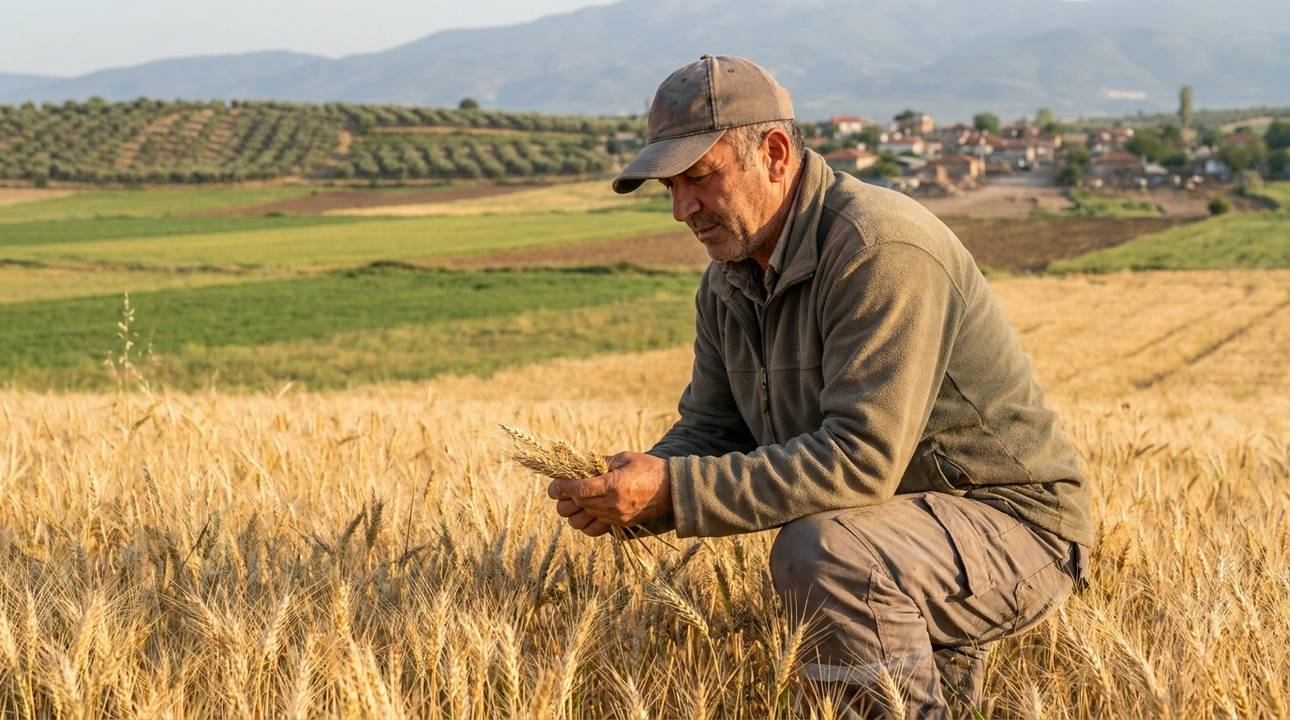
The farmland in parts of Bithynia supported local economies. The mix of coastal access and inland resources made the province balanced in agriculture and trade, which sustained towns and encouraged settlement.
History of Bithynia
Before Roman rule, Bithynia was an independent kingdom. Local dynasts, such as members of the house of Nicomedes, guided its political life during the Hellenistic era. The kingdom interacted with neighboring powers and at times expanded through diplomacy and war.
In 74 BCE the last independent king, Nicomedes IV, is generally said to have bequeathed his kingdom to Rome. After that bequest, Roman influence grew and the region became a Roman province. Sources differ on specific details of administration in the years that followed, as is typical for transitions from Hellenistic monarchies to Roman provinces.
Under local rulers, cities were centers for trade and culture. Leaders invested in public works and invited artists and thinkers to their courts. The result was a society where Greek language and traditions mixed with local customs over several centuries.
Bithynia’s forests and mineral deposits helped the local economy. Timber was useful for shipbuilding and construction. Local craftsmen worked with metals and produced goods for wider markets. These resources drew merchants and settlers from nearby regions.
Bithynia in Roman Times
As a Roman province, Bithynia became administratively important. Nicomedia served as an imperial residence at times and was especially prominent under some later emperors. For example, the emperor Diocletian used Nicomedia as an eastern administrative center in the late third century CE.
Roman rule brought new public buildings, roads, and civic structures to many towns. These constructions helped local trade and life, and Roman-style public architecture appears in several sites across the province. The mix of Roman administration with local practices shaped daily life in Bithynia.
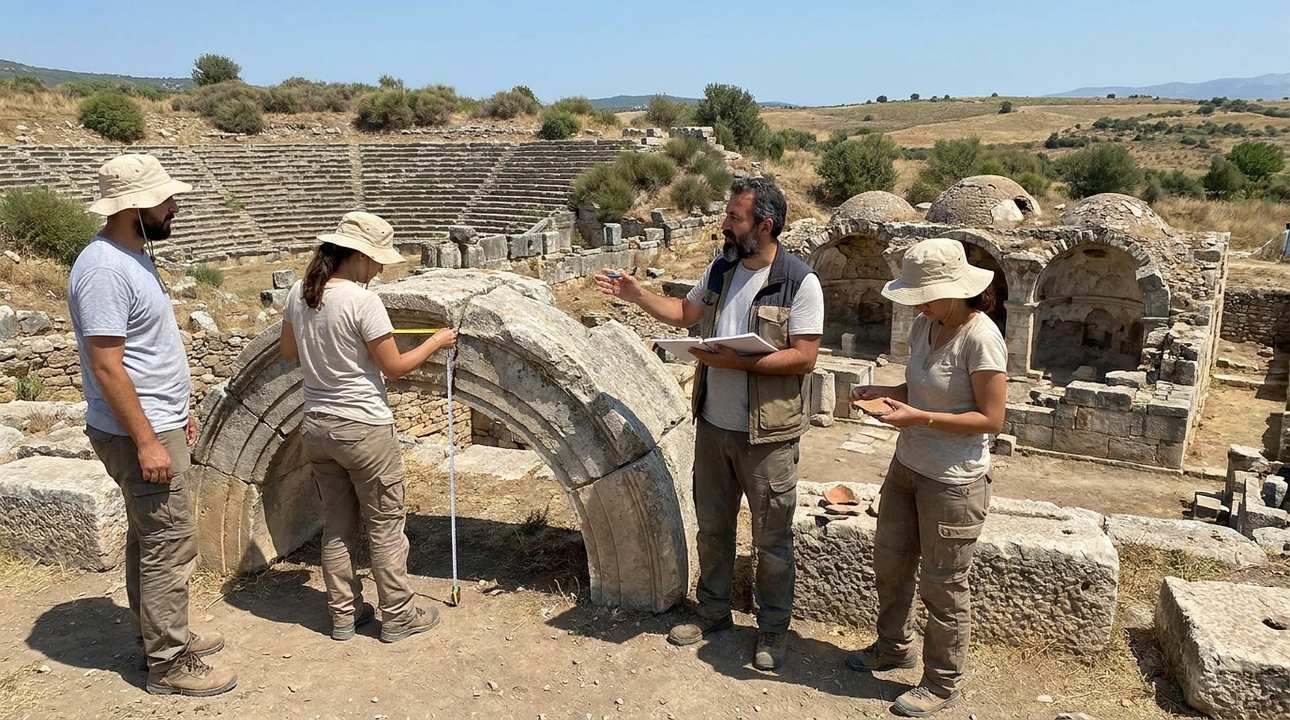
Archaeological remains from Roman times—public baths, forums, theaters—document the presence of Roman urban life alongside older traditions. These sites show how local towns adapted Roman forms for their own use.
Cultural Influence of Bithynia
Bithynia was a meeting point for Greek and local Anatolian traditions. The region produced thinkers and writers who participated in wider intellectual life. One well-known figure is the orator and philosopher Dio Chrysostom, born in Prusa (modern Bursa). His speeches reached audiences beyond the province and reflect local engagement with broader issues of ethics and politics.
from the Western Wall to Masada.
Schools and public gatherings supported debate and learning. Local patrons sometimes sponsored building projects and cultural events. These activities helped shape town identities and gave visitors causes for travel and exchange of ideas.
Art and literature from the area show Greek influence blended with local tastes. Pottery, inscriptions, and public monuments all speak to a layered cultural life that drew on many sources over time.
Philosophers and writers from Bithynia were part of networks that linked provincial towns to centers such as Athens and Alexandria. That connection helped local voices travel farther than the province itself.
Bithynia and Early Christianity
Christianity reached Bithynia in the early centuries CE. Evidence for Christian presence comes from literary mentions and later ecclesiastical records. As noted above, 1 Peter lists Christians in Bithynia among other regions of Asia Minor (1 Peter 1:1).
Acts 16:6–7 records that Paul and his companions were prevented from entering Bithynia on one journey. That short report suggests plans changed during travel and that the region was considered by missionaries. The New Testament does not give extended accounts of Paul’s work in Bithynia, but other early sources and church records show churches and bishops later established in the area.
Local meeting places for Christians were often simple—private homes or adapted public spaces—especially in the earliest centuries. Over time, more formal church structures and dioceses appear in records of the later Roman Empire.
The Archaeological Legacy of Bithynia
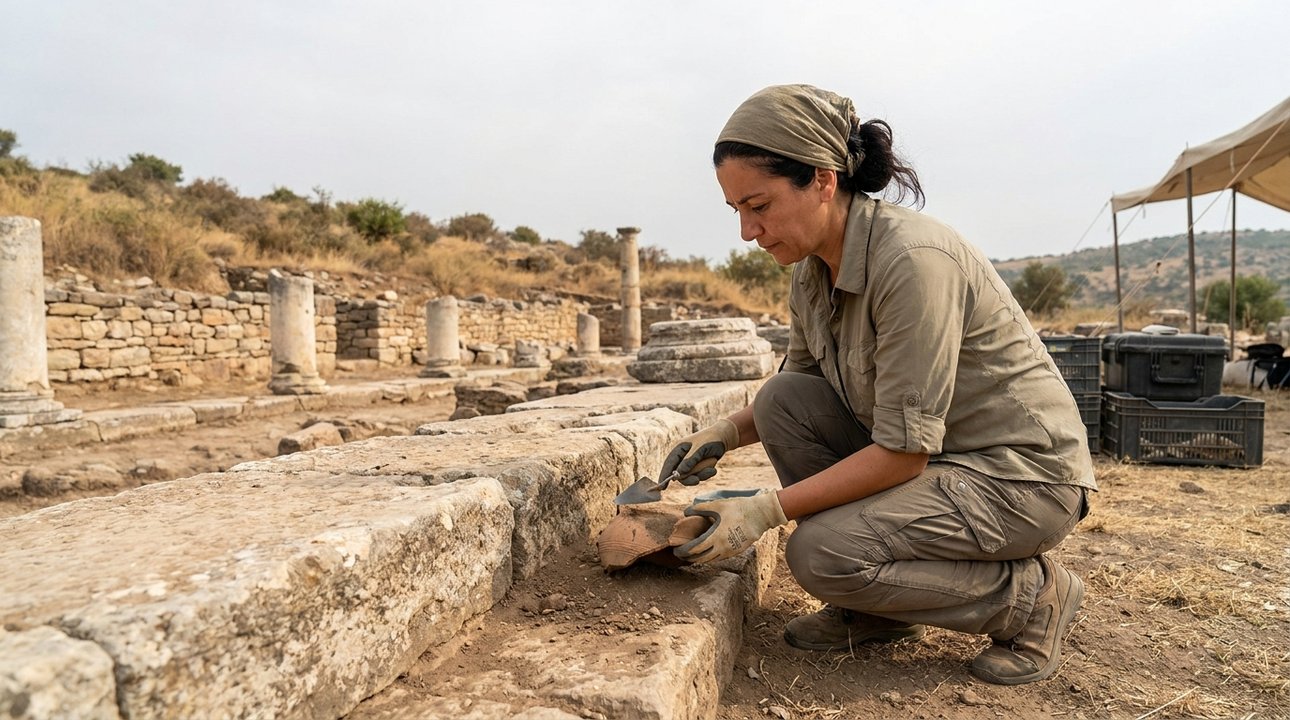
Excavations in the region have revealed temples, roads, inscriptions, and everyday objects. These finds help reconstruct life in Bithynia across centuries. For example, inscriptions can record local officials and civic dedications, while pottery and coins help date layers of occupation.
Some remains linked to Roman-era religious life survive, such as temple foundations or dedications to Roman emperors. Other artifacts reveal daily life—tools, household pottery, and building foundations. Together, these pieces give a clearer picture of the province’s past.
Archaeological reports and museum collections across the region display material that scholars use to trace trade, cultural change, and settlement patterns. While not every find is large or famous, many small objects add up to a fuller understanding of Bithynia’s past role in the region.
The combination of inscriptions, architecture, and portable finds shows local societies that interacted with broader Mediterranean trends while keeping local forms and practices alive.
Bithynia Today
Today, the lands once called Bithynia lie in northwestern Turkey. Modern places such as İznik (Nicaea) and İzmit (Nicomedia) stand near ancient sites. Visitors and researchers can still see ruins, museum displays, and landscape features that reflect the area’s long history.
Local museums preserve artifacts recovered by archaeologists. These collections document civic life, religious practice, and economic activity over many centuries. They provide useful context for visitors who want to see how the ancient past connects to present towns and countryside.
Because the region’s history overlaps with several cultures—Greek, Roman, Byzantine, Ottoman, and modern Turkish—its sites are part of a layered past. That complexity is why scholars from different backgrounds continue to study the area.
Historical Context
