Light and Fluffy Israeli Cheesecake to Share with Loved Ones
30 March 10:06
117

The story of Israeli cheesecake begins with the waves of Jewish immigrants who brought their culinary traditions to Israel. Among these was the classic cheesecake, a staple in many European countries. Over time, this dessert evolved, incorporating local ingredients and flavors, creating the unique Israeli version we enjoy today.
In the early days of Israel, dairy products were a significant part of the diet, and cheesecakes became a popular choice for celebrations and holidays. The use of fresh, local cheeses gave the cake a distinct flavor, setting it apart from its European counterparts.
As Israeli cuisine developed, so did its desserts. The cheesecake became a symbol of the blending of cultures, with each family adding their own twist. Whether topped with fresh fruit or a simple glaze, Israeli cheesecake remains a favorite.
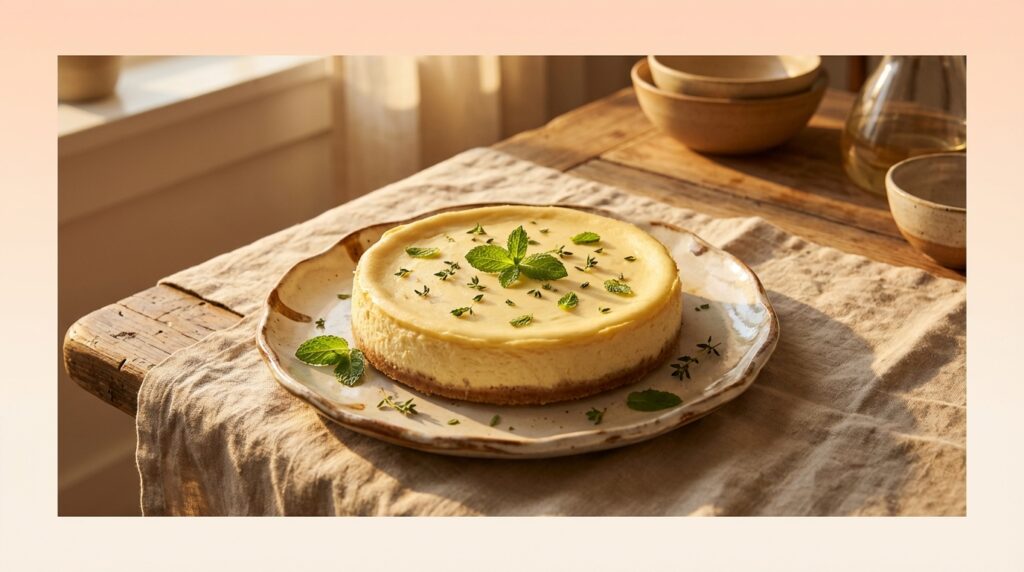
Modern Israeli cheesecake often features a lighter texture compared to traditional versions. This is achieved by using a combination of cream cheese and sour cream, resulting in a creamy yet airy dessert. The crust is typically made from crushed biscuits or graham crackers, providing a perfect balance to the rich filling.
Baking an Israeli cheesecake is more than just following a recipe; it’s about embracing a tradition that has been passed down through generations. Each bite tells a story of heritage and innovation, making it a cherished part of Israeli culinary culture.
For many, making this cheesecake is a way to connect with their roots and share a piece of Israel with friends and family. It’s a dessert that brings people together, whether for a festive occasion or a simple gathering.
Shavuot is a time when dairy foods are traditionally consumed, and cheesecake takes center stage. Families gather to celebrate with an array of dairy dishes, and the cheesecake is often the highlight. Its creamy texture and sweet flavor make it a perfect fit for the holiday’s festive spirit.
The tradition of eating dairy on Shavuot is linked to the agricultural roots of the holiday, as well as the biblical story of receiving the Torah. Cheesecake, with its rich ingredients, symbolizes the abundance and joy of the harvest season.
In modern times, Israeli cheesecake has become a staple in bakeries and homes alike. Its popularity continues to grow, with variations that include different toppings and flavorings, such as chocolate or berries, catering to diverse tastes.