Traditional Israeli Omelette Delight
15 April 08:04
396
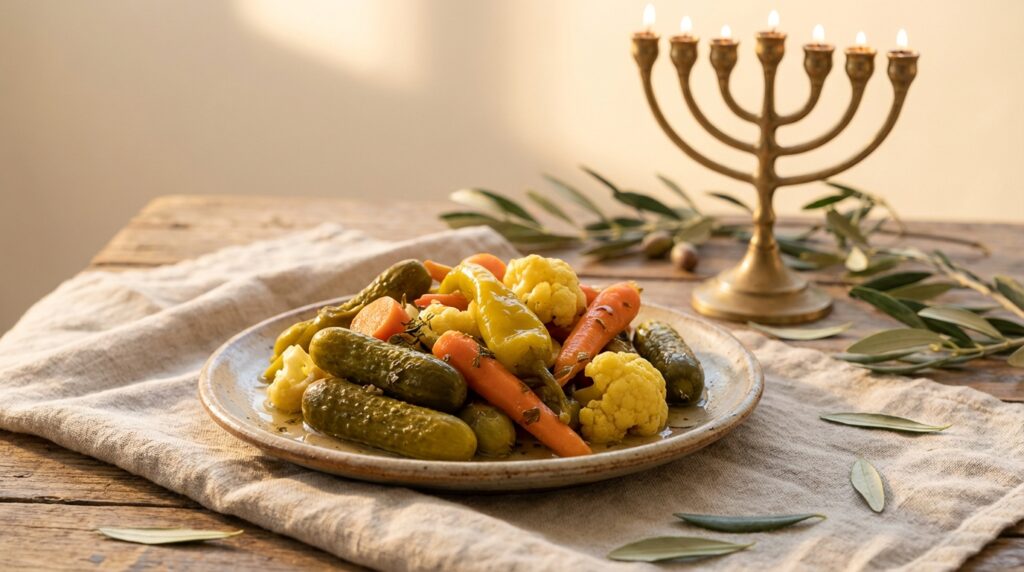

The tradition of pickling in Israel dates back centuries, with influences from various cultures that have settled in the region. Pickles are not just a side dish; they are a symbol of the rich tapestry of Israeli culinary heritage. The process of pickling preserves the freshness of the vegetables, allowing families to enjoy them throughout the year.
In Israeli culture, pickles are often served as part of a mezze platter, a collection of small dishes shared among family and friends. This communal way of eating reflects the importance of community and togetherness in Israeli society. Pickles add a tangy, refreshing contrast to the rich flavors of other dishes, making them an essential component of the meal.
The art of pickling has been passed down through generations, with each family adding their unique twist to the recipe. Some prefer a spicier version, while others might add herbs like dill or bay leaves for an aromatic touch. This diversity in preparation highlights the creativity and adaptability of Israeli cuisine.
The basic ingredients for Israeli pickles include cucumbers, water, vinegar, salt, and spices. The cucumbers are carefully selected for their firmness and size, ensuring they absorb the flavors well. The brine, a mixture of water, vinegar, and salt, is the key to achieving the perfect balance of tanginess and flavor.
Once the cucumbers are submerged in the brine, they are left to ferment for several days. This fermentation process not only enhances the flavor but also introduces beneficial probiotics, making pickles a healthy addition to any diet. The longer the pickles ferment, the more intense their flavor becomes.
Israeli pickles are often enjoyed alongside falafel, shawarma, or as a topping for sandwiches. Their versatility makes them a popular choice for adding a burst of flavor to various dishes. Whether enjoyed on their own or as part of a meal, Israeli pickles offer a taste of tradition and a connection to the land.
Gifting homemade pickles is a heartfelt gesture, symbolizing care and thoughtfulness. In Israel, sharing food is a way to express love and build relationships. The act of giving pickles made with one’s own hands carries a special significance, reflecting the warmth and generosity of Israeli culture.
The popularity of Israeli pickles has spread beyond the country’s borders, with many people around the world eager to recreate the authentic taste at home. This global appreciation for Israeli pickles highlights the universal appeal of their unique flavor and the cultural connections they foster.
Whether you’re making them for yourself or as a gift, Israeli pickles are a delightful way to share a piece of Israeli culture with others. Their vibrant taste and rich history make them a beloved addition to any table, bringing people together through the joy of food.