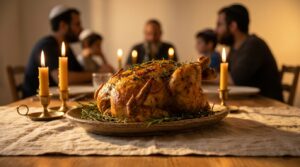
Traditional Israeli Shabbat Chicken Recipe
26 April 10:53
284
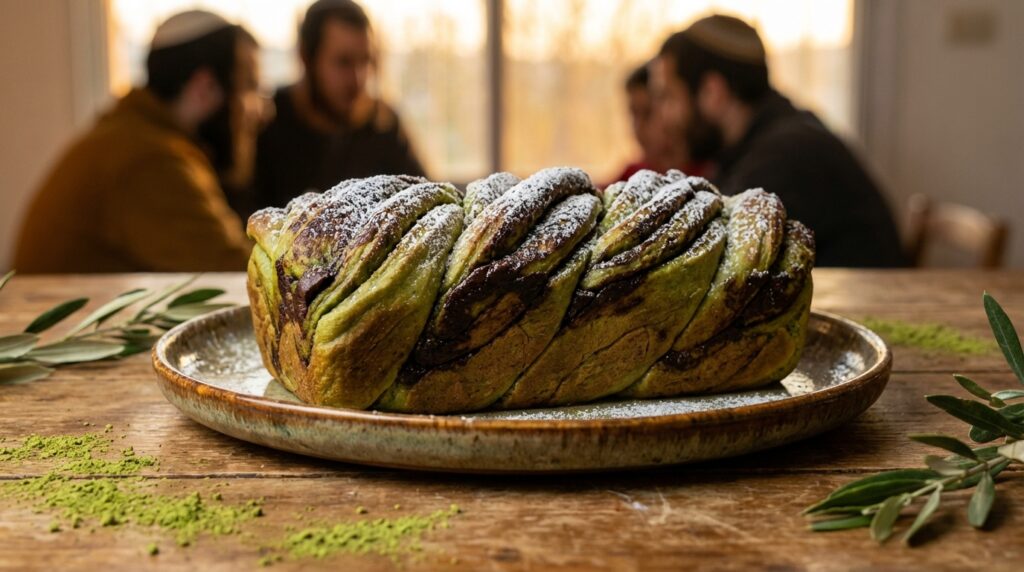

The origins of babka trace back to Eastern European Jewish communities, where it was a beloved treat often made with cinnamon or chocolate. Over time, babka has evolved, with bakers experimenting with various fillings and flavors. Today, matcha babka represents a fusion of cultures, bringing together the rich history of Jewish baking with the contemporary appeal of matcha, a finely ground green tea powder from Japan.
In Israel, babka is a cherished pastry found in many bakeries and homes. The addition of matcha not only adds a vibrant green hue but also introduces a subtle, earthy flavor that complements the sweet dough. This innovative twist has become popular among those seeking new culinary experiences while honoring traditional roots.
The process of making babka involves creating a rich, yeasted dough that is rolled out, filled, and then twisted into its signature shape. This technique, combined with the unique flavor of matcha, results in a visually stunning and deliciously aromatic pastry that captivates both the eyes and the palate.
The introduction of matcha into babka recipes highlights the growing trend of global culinary fusion. As people travel and cultures intermingle, traditional recipes are being reimagined with new ingredients and techniques. This not only preserves the essence of the original dish but also breathes new life into it, making it relevant for today’s diverse palates.
For many, baking matcha babka is a way to connect with loved ones and create lasting memories. The process of kneading the dough, spreading the matcha filling, and watching it rise in the oven is a shared experience that brings families together. It’s a reminder of the warmth and comfort that homemade baked goods can provide.
As you enjoy a slice of matcha babka, you’re partaking in a culinary journey that spans continents and generations. Each bite is a testament to the creativity and resilience of those who have adapted traditional recipes to reflect their unique cultural identities.
Incorporating matcha into babka not only enhances its flavor but also adds a visual element that is both striking and symbolic. The green hue represents a fresh take on a beloved classic, inviting bakers and eaters alike to explore new possibilities in the kitchen. This innovation is a testament to the evolving nature of culinary traditions, where the past and present coexist harmoniously.
Matcha babka has gained popularity not only for its taste but also for its health benefits. Matcha is known for its high antioxidant content and calming properties, making it a desirable ingredient for those seeking a balanced lifestyle. By combining matcha with the comforting qualities of babka, this pastry offers a unique blend of indulgence and wellness.
The appeal of matcha babka extends beyond its flavor and appearance. It embodies the spirit of creativity and adaptability, encouraging bakers to experiment with new ingredients and techniques. This openness to innovation ensures that traditional recipes remain relevant and exciting for future generations.