
Authentic Israeli Steak Shishlik
25 March 10:14
269
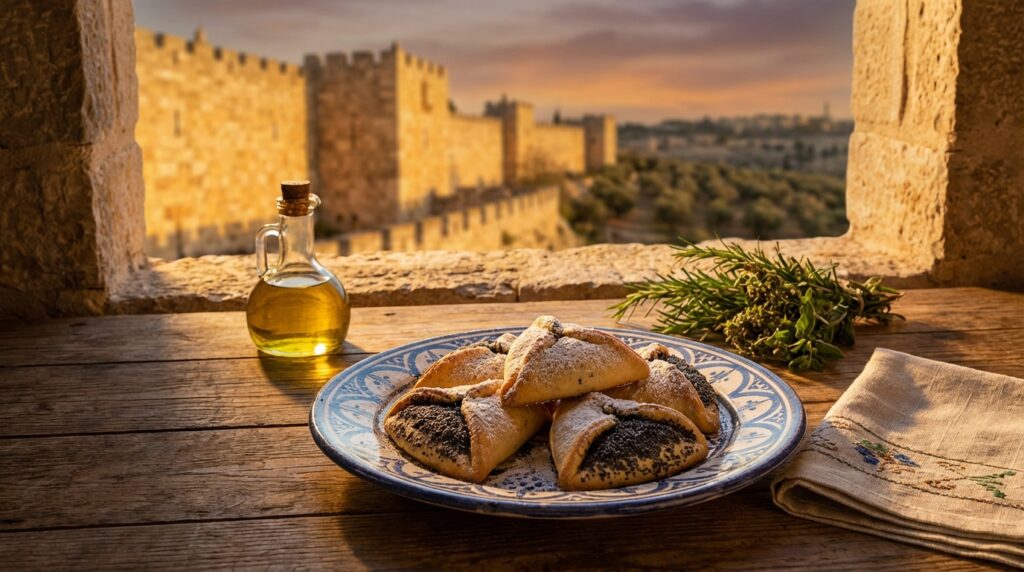

In Israel, poppy seeds are more than just an ingredient; they are a symbol of tradition and family gatherings. Used in various dishes, they bring a unique flavor that is both nutty and slightly sweet. This pastry, in particular, has been passed down through generations, often made during festive occasions and family celebrations.
The use of poppy seeds in baking is deeply rooted in Israeli culture, with recipes often varying from one family to another. Each variation tells a story of heritage and personal taste preferences. The seeds are known for their rich flavor and are often paired with sweet or savory fillings to create a delightful contrast.
Historically, poppy seeds were used in ancient times as a source of nutrition and flavor. They were traded along spice routes and became a staple in many Middle Eastern cuisines. In Israel, they are often associated with warmth, home, and the comforting aroma of freshly baked goods.
During holidays, families gather to bake these pastries, filling homes with laughter and the rich aroma of poppy seeds. It’s a time for sharing stories, passing down traditions, and creating new memories. The process of making the pastry is as cherished as the taste itself, bringing people together in a shared culinary experience.
The pastry’s delicate texture and flavorful filling make it a favorite among both young and old. Each bite offers a taste of tradition, connecting people to their roots and to each other. It’s a reminder of the simple pleasures in life and the joy of sharing food with loved ones.
In modern times, these pastries have found their way into bakeries and cafes, becoming a popular treat for both locals and tourists. They represent a fusion of old and new, maintaining their traditional essence while appealing to contemporary tastes.
The popularity of these pastries continues to grow, as more people discover the unique taste and cultural significance they hold. They are often gifted during holidays, symbolizing goodwill and the sharing of blessings. Each pastry is a piece of history, a testament to the enduring love for traditional flavors.
For many, the act of baking these pastries is a way to connect with their heritage and to honor the recipes passed down through generations. It’s a celebration of Israeli culture, bringing a taste of the homeland to those who may be far away. The pastries serve as a bridge, connecting people to their roots and to each other.
Whether enjoyed with a cup of tea or as a dessert, these pastries offer a moment of comfort and nostalgia. They remind us of the importance of family, tradition, and the simple joy of sharing a delicious treat.