A Heartwarming Israeli Breakfast Experience
17 March 08:59
277
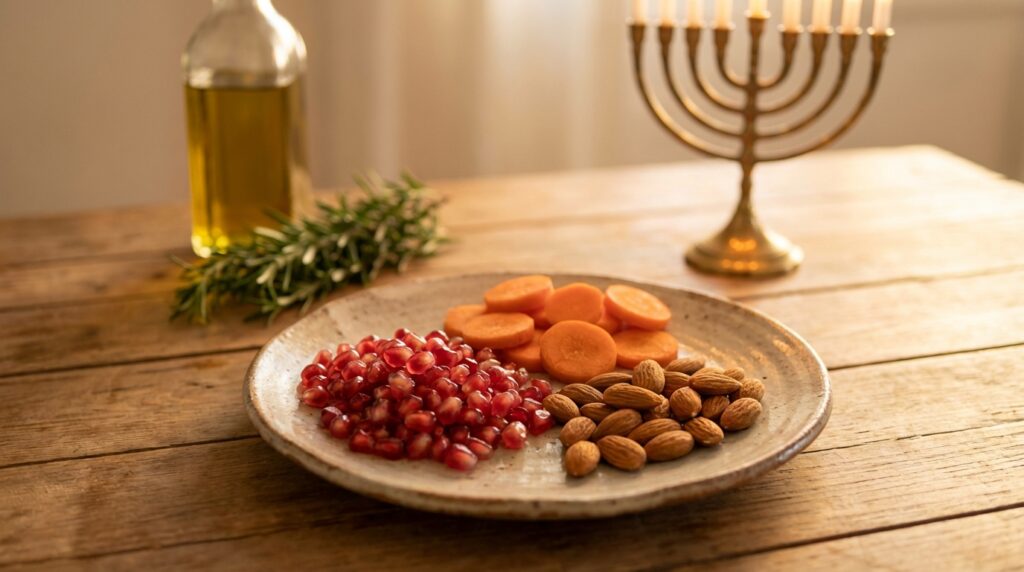

The tradition of eating symbolic foods during Rosh Hashanah is deeply rooted in Jewish culture. Each food item represents a specific blessing or wish for the coming year. For example, apples dipped in honey symbolize a sweet new year, while pomegranates are eaten to represent abundance and fertility. These foods are not just culinary delights but carry profound meanings that connect families to their heritage.
Pomegranates, one of the key ingredients in this recipe, are particularly significant. They are said to contain 613 seeds, corresponding to the 613 mitzvot, or commandments, in the Torah. This connection makes them a powerful symbol of righteousness and spiritual growth. Including pomegranates in the Rosh Hashanah meal is a way to embrace these values and start the year with a focus on personal and communal betterment.
Carrots, often sliced into rounds resembling coins, are another important component of this dish. They symbolize prosperity and the hope for financial success in the coming year. By incorporating carrots into the meal, families express their wishes for economic stability and growth. This tradition highlights the importance of intention and mindfulness in Jewish celebrations, where every element of the meal serves a purpose beyond nourishment.
The preparation of Rosh Hashanah meals is often a family affair, bringing together multiple generations in the kitchen. This shared experience strengthens family bonds and ensures the transmission of cultural knowledge. Children learn the significance of each ingredient and the blessings they represent, fostering a sense of identity and continuity. Cooking together becomes an act of love and a way to pass down cherished traditions.
Incorporating symbolic foods into the Rosh Hashanah meal is more than a ritual; it’s an expression of hope and renewal. As families gather around the table, they reflect on the past year and set intentions for the future. The meal becomes a canvas for expressing gratitude, seeking forgiveness, and making resolutions. It’s a time for introspection and connection, where food serves as a bridge between the physical and spiritual realms.
The rich flavors and vibrant colors of this dish are a feast for the senses, enhancing the celebratory atmosphere. The combination of sweet, savory, and tangy elements creates a harmonious balance that mirrors the complexity of life itself. This sensory experience is an integral part of the celebration, engaging all the senses and creating lasting memories. The meal is not just about sustenance but about savoring the moment and appreciating the blessings of life.
Rosh Hashanah is a time for gathering with family and friends, and the meal is central to this celebration. Sharing food is an act of love and hospitality, reflecting the values of generosity and community. As the meal is served, stories are shared, laughter fills the air, and connections are strengthened. This communal experience is a reminder of the importance of relationships and the support they provide throughout the year.
The act of blessing the food before eating is a moment of mindfulness and gratitude. It encourages participants to pause and reflect on the abundance in their lives and the opportunities for growth and improvement. This practice fosters a sense of humility and appreciation, aligning with the themes of Rosh Hashanah. By acknowledging the blessings in their lives, individuals cultivate a mindset of gratitude that extends beyond the holiday.
The symbolic foods of Rosh Hashanah serve as a reminder of the values and aspirations that guide the Jewish community. They embody the hopes and dreams for the coming year, offering a tangible way to express intentions and commitments. This tradition is a testament to the enduring power of food to convey meaning and connect people across time and space. As families enjoy this dish, they participate in a timeless ritual that celebrates life, love, and renewal.