
Savory Chicken with Olives and Tomatoes
15 April 15:01
244
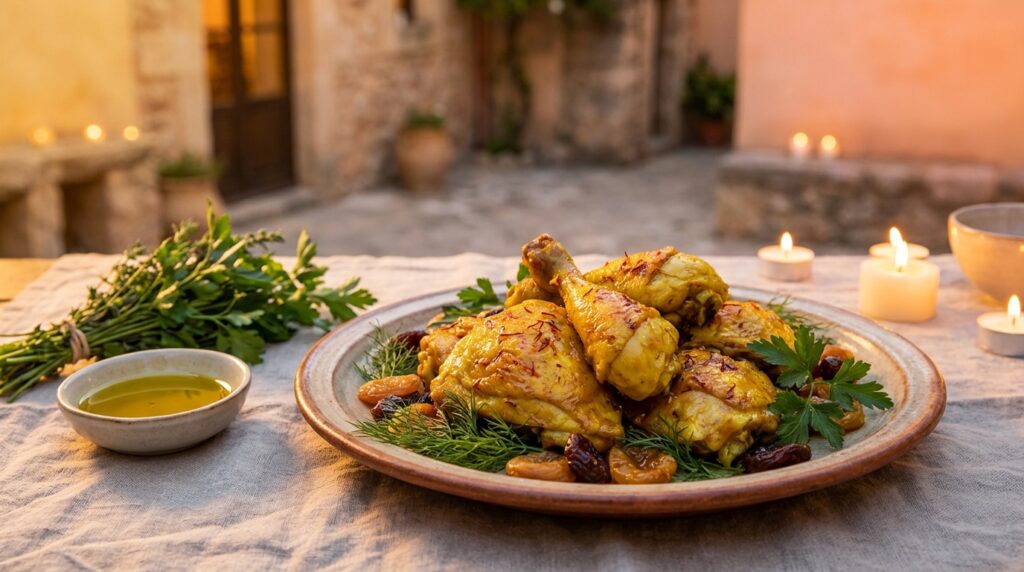

The tradition of Persian Passover dishes dates back centuries, reflecting a rich cultural tapestry. These recipes have been passed down through generations, each adding their own touch to the flavors. The use of spices like saffron and turmeric is a hallmark of Persian cuisine, bringing warmth and depth to the dishes.
Passover, or Pesach, is a time when families gather to celebrate freedom and heritage. In Persian Jewish homes, the Passover meal is a vibrant affair, filled with dishes that tell stories of resilience and joy. The chicken dish, often prepared with dried fruits and nuts, symbolizes abundance and prosperity.
Incorporating elements from the Persian culinary tradition into Passover meals not only honors the past but also creates a bridge to future generations. The flavors of these dishes evoke memories of family gatherings, laughter, and shared stories around the table.
The use of saffron in this Passover chicken recipe is not just for its flavor but also for its cultural significance. Saffron has been used in Persian cooking for centuries, symbolizing luxury and celebration. Its golden hue adds a festive touch to the dish, making it a centerpiece on the Passover table.
Dried fruits such as apricots and raisins are commonly used in Persian recipes, adding sweetness and texture. In this Passover chicken dish, they complement the savory elements, creating a harmonious balance of flavors. The combination of sweet and savory is a signature of Persian cuisine.
Nuts, particularly almonds and pistachios, are often included in Persian Passover recipes. They add a delightful crunch and richness to the dishes. In this chicken recipe, they are used to garnish the dish, enhancing both its taste and visual appeal.
Using matzo meal in this Persian Passover chicken recipe ensures that the dish adheres to Passover dietary laws. It acts as a binding agent, helping to create a delicious crust on the chicken. This adaptation allows families to enjoy traditional flavors while respecting the holiday’s customs.
The preparation of this dish is a labor of love, requiring careful attention to detail. Each step, from marinating the chicken to simmering it with spices, is done with care and intention. This process not only enhances the flavors but also connects the cook to a long line of tradition.
Sharing this Persian Passover chicken with family and friends is a way to celebrate togetherness and cultural heritage. As the aromas fill the kitchen, they evoke a sense of belonging and continuity, reminding everyone of the shared stories and values that bind them.