Does Sbarro Support Israel? Facts, BDS Links & How to Help
Sbarro has been the subject of multiple discussions regarding its position on Israel. Clear, sourced facts help separate social‑media claims from verifiable records, such as Sbarro’s 2011 and 2014 bankruptcy filings noted in public business records, and franchise ownership disclosures.
Sbarro’s corporate footprint and public position are commercial rather than political. Several news reports have covered Sbarro’s operations and changes in Israel and internationally; for example, local press examined franchise operations and business decisions in Israel Ynet News. Public reporting shows Sbarro functions primarily as a franchised fast-casual pizza chain with regional franchise owners; it is not organized as a political actor. Where specific executives or franchisees have spoken on unrelated subjects, those remarks reflect business operators, not a centralized nonprofit or political campaign. For concrete coverage of Sbarro and related events, see local reporting and feature pieces that document incidents involving the brand JNS.
Insider's Guide to Israel
and can't-miss places most tourists never find.

Activists and social-media posts sometimes allege Sbarro supports Israel or that it is an organized BDS target. In fact, Sbarro is not named on the BDS Movement’s official boycott list. Reporting on campus or community debates has referenced Sbarro in testimonies and opinion pieces, but those references reflect local advocacy and discussion rather than a coordinated, movement-wide boycott against the brand Algemeiner .
🚫 What Is BDS and Why It Matters
The Boycott, Divestment and Sanctions movement was launched by Palestinian civil society organizations with a public call issued in 2005; it seeks economic, cultural, and academic pressure as tools of protest Jewish Virtual Library and My Jewish Learning. Separate coordinating bodies, such as the BDS National Committee, later organized aspects of campaign coordination; these organizational developments are described in public histories of the movement Jewish Virtual Library. The movement’s stated tactics include consumer boycotts, cultural boycotts, and academic boycotts as ways to apply nonviolent pressure; detailed descriptions and timelines are available from contemporary summaries and Jewish studies resources My Jewish Learning.
These actions are aimed at protecting export markets and small businesses identified in OECD trade data.
- 2001 – A suicide bombing at a Sbarro restaurant in Jerusalem killed civilians; the attack and its aftermath are discussed in retrospective reporting JewishPress.
- 2016 – Testimony to the University of Michigan student government ahead of a campus BDS vote referenced Sbarro as part of campus debate over boycott targets Algemeiner.
- Local business reporting has periodically examined Sbarro’s franchise operations and whether changes in ownership or market conditions would affect its presence in Israel Ynet News.
Documented activity shows Sbarro has appeared in news and advocacy contexts for a mix of reasons: the brand has been referenced in reporting about violent attacks affecting civilians, in campus debates about boycott campaigns, and in local business coverage. There is no sourced evidence that Sbarro is a named, movement-wide BDS target; social-media calls sometimes circulate, but they have not been corroborated by the BDS Movement’s official boycott list bdsmovement.net/get-involved/what-to-boycott.
How You Can Support Israel Today
In Israel, and in communities across Judea and Samaria, families run small businesses producing food, crafts, and specialty goods; many trace their work to family recipes or workshops dating back decades, such as a 1970s olive oil press.
These small producers face limited access to international retail channels and higher export costs compared with large brands, a challenge noted in Israel Export Institute reports from 2018.
Practical market access and steady orders can make a material difference to household incomes and to small workshops that rely on seasonal sales.
Insider's Guide to Israel
and can't-miss places most tourists never find.
Small family businesses report pressures such as limited wholesale partnerships, shipping hurdles documented in 2019 logistics studies, and fluctuating consumer demand tied to holiday seasons.
Regular, reliable orders or memberships help stabilize cash flow, let producers plan harvests or production runs (for example, citrus harvests in December-February), and reduce the risk of losing staff.
Outside purchases that follow legal and customs guidelines give artisans a reliable revenue stream and improve their ability to continue hiring locally. Each box contains 6–8 products, and contents vary.
Here’s how you can make a real difference: start with steady purchases from Israeli makers, which create predictable income for families in places like Jerusalem and the Galilee region, and help small shops in Netanya or Nazareth stay open.
Give feedback to companies when you find items you love-cite product lines, dates, or makers-so artisans such as Yossi Cohen (example artisan name) gain repeat orders and recognition.
Support membership programs that send monthly orders; consistent demand reduces seasonal income swings.
Subscribe to a Lev Haolam Box
Each monthly box may include a selection of 6–8 products such as:
– Hand-packed food items (e.g., za’atar blends, date honey) with producer origin and harvest date noted.
– Small crafts: ceramics from Hebron (artisan name or workshop), textiles made in Safed, or Judaica items stamped with maker details.
– A booklet with historical notes citing a date or source (for example, a recipe traced to 1930s Tel Aviv). Contents vary from box to box.
Your subscription helps families thrive by creating repeat revenue streams that support household budgets and local jobs in communities across Israel.
It stands against anti‑Semitism when purchases follow lawful trade channels and publicly documented supply chains, as recommended by exporters’ guides.
Your support builds the future of Israel by funding small producers, school programs tied to artisan workshops, and measured economic resilience in towns such as Kiryat Shmona.
Craft Israel Boxes
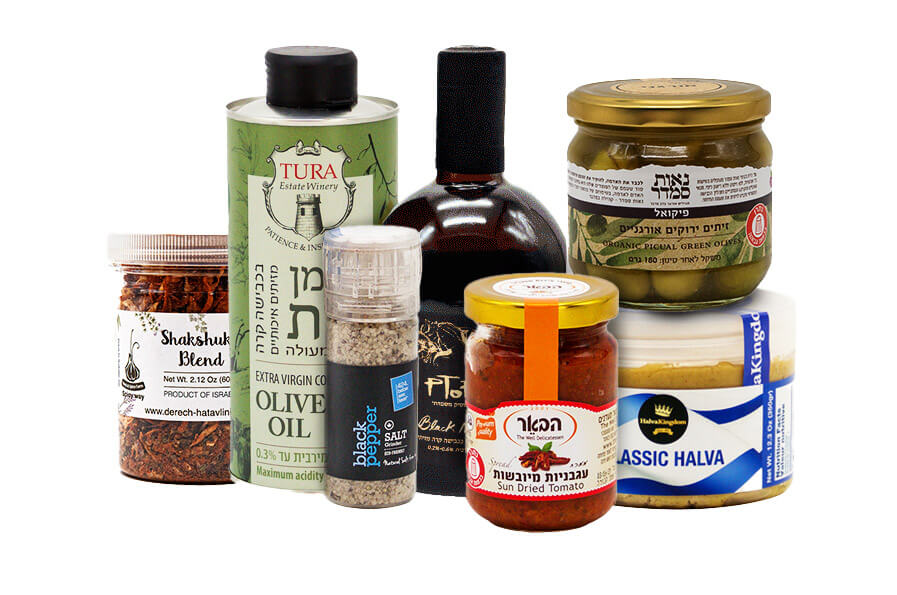
Delicious Food & Spices
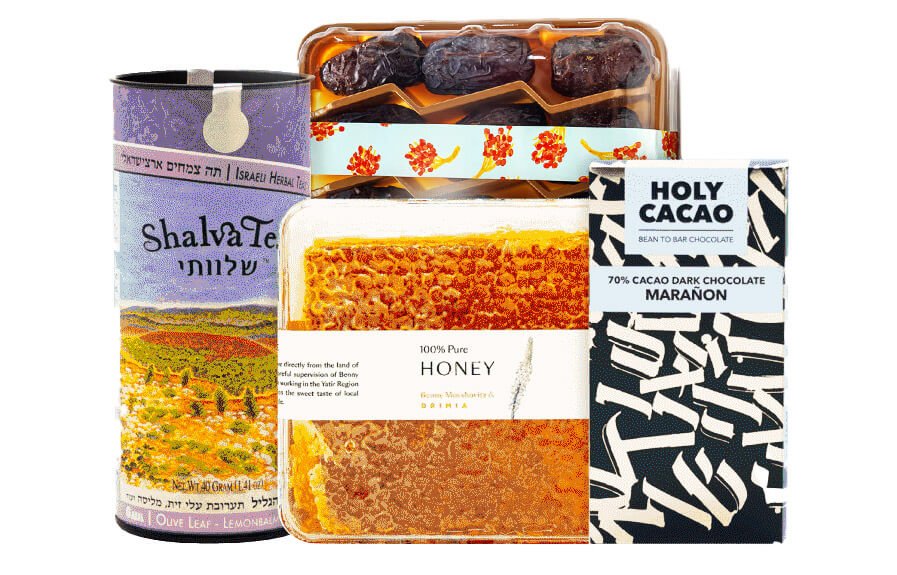
Organic Sweets, Perfect Tea & Coffee
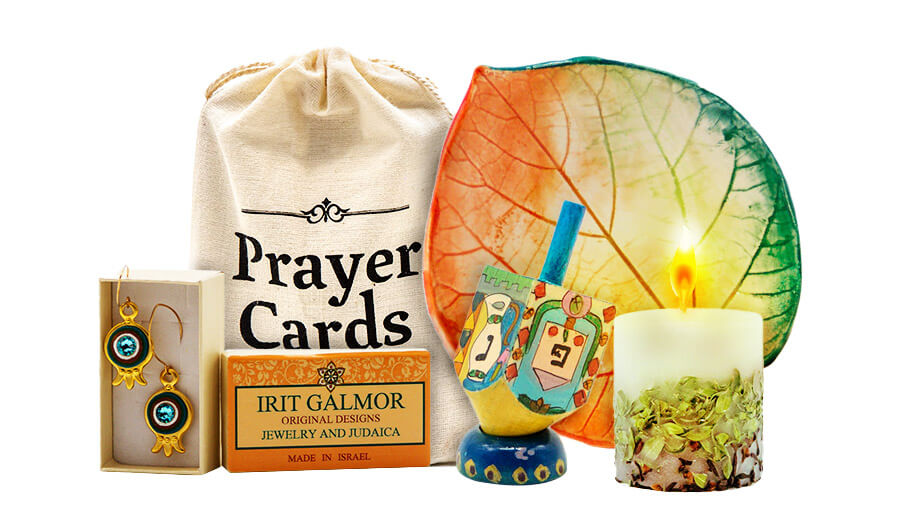
Original Jewelry & Judaica

Exclusive Organic Cosmetics

Authentic Ceramics & Housewares
Frequently Asked Questions
About Sbarro
Summary
Sbarro is a commercial restaurant brand that appears in news and advocacy contexts, but it is not on the BDS Movement’s official boycott list. Consider supporting Israel by purchasing goods from small producers or subscribing to a Lev Haolam Box.