
Kiryat Shmona Area Guide
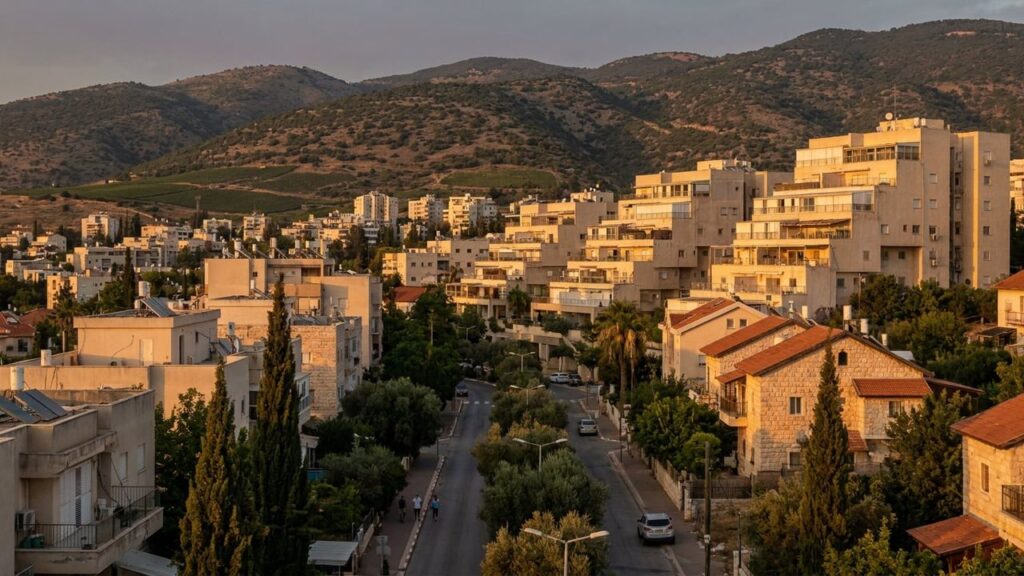

Kiryat Shmona sits on Israel’s northern edge, close to the Hula Valley. It combines countryside access with the services of a regional town. This guide covers its recent history, population, transport and everyday life for residents.
Kiryat Shmona at a Glance
City: Kiryat Shmona • Country: Israel • District: Northern • Population: 24254 • Area: 14.4 • Nearest major city: Tiberias • Distance: approximately 46 km • Main transport connection: Road junction of Highway 90 (north–south) and Highway 99 (east–west). Main public transport is intercity and regional buses; nearest active rail access is at Karmiel. • Known for: A northern regional town with close access to the Hula Valley and Tel Dan; founded as a development town in 1949 and home to Tel‑Hai Academic College. • Historic origins: Modern town founded 1949; the surrounding area has archaeological evidence of habitation since prehistoric and Bronze/Iron Age periods, with nearby sites such as Tel Dan and Hula Valley settlements.
Insider's Guide to Israel
and can't-miss places most tourists never find.

Where Is Kiryat Shmona?
Kiryat Shmona lies in the far north of the Northern District, near the international border to the north. It sits at the northern edge of the Hula Valley and at the foot of slopes that rise toward Mount Hermon.
The town serves as a local centre for nearby communities. Neighbouring places include Metula and other Upper Galilee localities.
The mix of wetland valley and higher, rockier ground shapes local leisure and land use. Outdoor access is a common part of daily life.
History of Kiryat Shmona
The area around modern Kiryat Shmona has a long human history. Prehistoric and Bronze/Iron Age remains are recorded in the Hula Valley and at nearby Tel Dan; those ancient sites are separate from the modern town.
During the Ottoman period the Hula area supported rural villages and farming. Settlement patterns changed again during the British Mandate period and the 1948 war.
The modern town of Kiryat Shmona was founded in 1949 as part of early state development. It expanded in the 1950s and grew further in later decades.
In the late 20th and early 21st centuries the town has experienced periodic cross‑border security incidents. Those events have influenced local life, services and planning.
Kiryat Shmona Population
According to the Central Bureau of Statistics, the population was about 24,254 at year‑end 2023.
Population levels in recent years have been relatively stable for a regional town. Kiryat Shmona continues to serve as a local centre for services, education and housing.
The municipal area is around 14.4 km², and the city serves a wider catchment that includes nearby rural communities.
What Is It Like to Live in Kiryat Shmona?
Daily life mixes small‑town services with easy access to the countryside. People use local shops and municipal services for most needs, while some specialised services are found in larger regional centres.
Life here is generally quieter than in Israel’s larger coastal cities. Housing is less dense and there is more outdoor space, which suits families and those who enjoy outdoor activities.
Basic infrastructure covers schooling, primary healthcare and public transport. For some specialist healthcare or higher‑level services people travel to bigger cities. Local buses link Kiryat Shmona with Haifa, Tel Aviv, Jerusalem and nearby towns.
Areas and Neighbourhoods in Kiryat Shmona
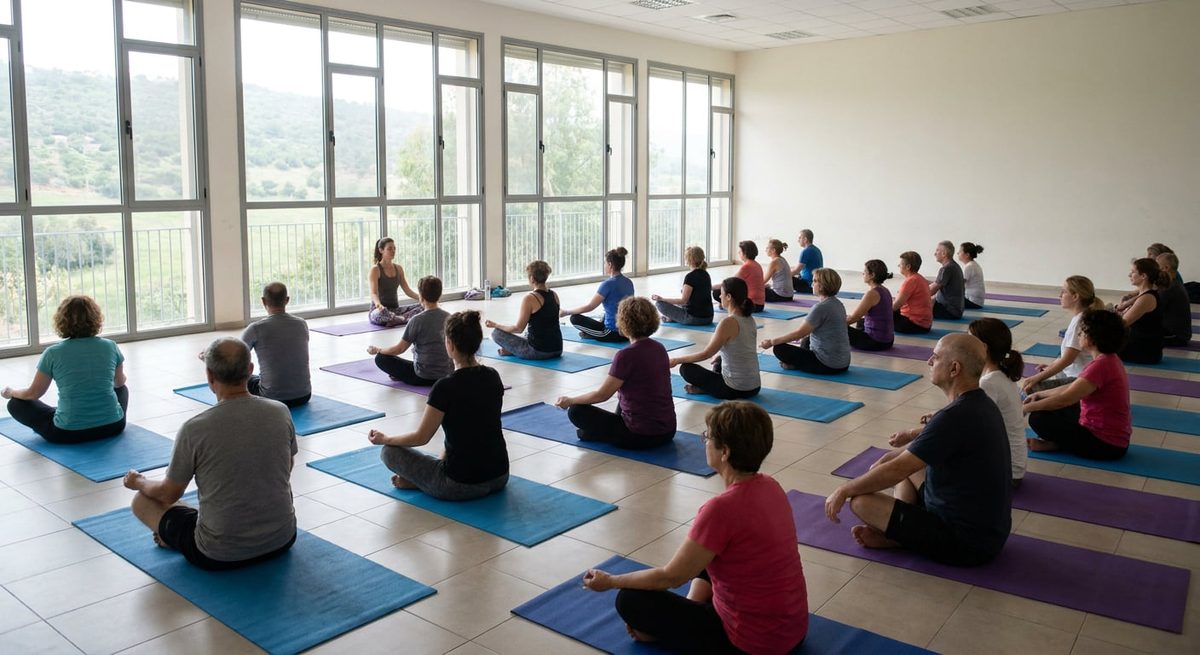
Kiryat Shmona has several residential neighbourhoods and a compact commercial centre. Each area has its own feel, and the town keeps a regional, community‑oriented character.
Yuvalim (Yovlim)
Yuvalim is family oriented, with single‑family homes and low‑rise buildings. Lots tend to be larger than in dense urban centres, giving space for gardens and outdoor life.
Local roads link the neighbourhood to the city centre and bus routes. It attracts families and people who prefer quieter residential streets.
Bimat Tel Hai
Bimat Tel Hai is named for its closeness to the Tel Hai area. Housing mixes older and newer units and focuses on practical, family‑friendly options.
The neighbourhood benefits from nearby amenities and access to green areas. It suits buyers who want a link to local history and outdoor space.
Nof Hermon
Nof Hermon sits on slightly higher ground with views toward Mount Hermon. Homes here often have easier access to trails and natural areas.
This area appeals to people who prioritise outdoor recreation and a calm, suburban feel.
Merkaz (city centre)
The Merkaz is the commercial and municipal hub. Shops, municipal offices and main services are concentrated here, making everyday errands straightforward.
Housing near the centre includes apartments and smaller plots. It suits those who want to be close to schools, clinics and transport.
Etzel (Atsal)
Etzel (Atsal) is an established residential quarter with schools and recreation areas. It offers practical housing and access to town bus routes.
Bus services that run through the town also serve Etzel, making it suitable for families and residents who rely on established infrastructure.
Education in Kiryat Shmona
Education includes municipal primary and secondary schools and regional higher‑education options. Local schools serve several thousand students.
Municipal reporting and public sources indicate around 3,700 students in city schools and matriculation (bagrut) rates in the low‑70s per cent in recent figures.
Tel‑Hai Academic College provides regional higher‑education options for local and nearby students. For full university programmes many students travel to larger academic centres in the Northern District or beyond.
Transport and Connectivity
Roads and buses are the main ways to get around. Kiryat Shmona lies near the junction of Highway 90 (north–south) and Highway 99 (east–west), linking the town to the Galilee and beyond.
There is no active Israel Railways station in Kiryat Shmona. The nearest active rail access is at Karmiel; travellers use buses or cars to reach that station and continue by train to Haifa and Tel Aviv.
Insider's Guide to Israel
and can't-miss places most tourists never find.
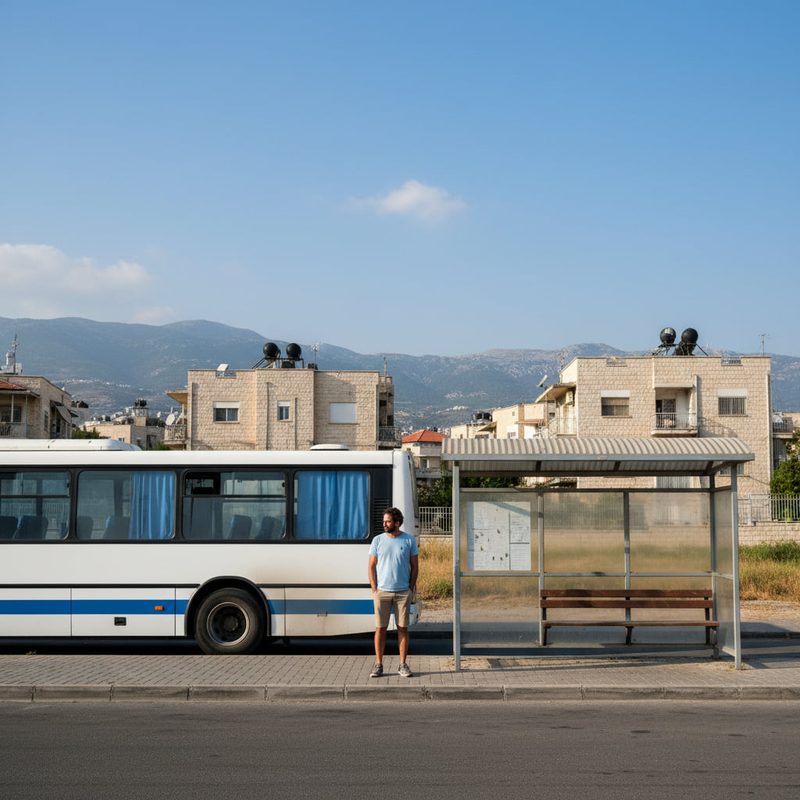
Local and intercity buses operate from the central bus station. Operators include Egged, Nateev Express and other regional providers, with routes to Haifa, Tel Aviv and Jerusalem as well as nearby towns.
By road, central Tel Aviv is roughly 180–190 km away, Haifa about 100–110 km and Tiberias about 46 km. These distances make daily commuting to coastal metropolitan areas uncommon, though regional commuting is possible.
Most residents use private cars for convenience, especially for trips that require transfers or to reach the nearest rail node in Karmiel. Buses provide key connections but do not replace a car for all needs.
Nature and Outdoor Spaces
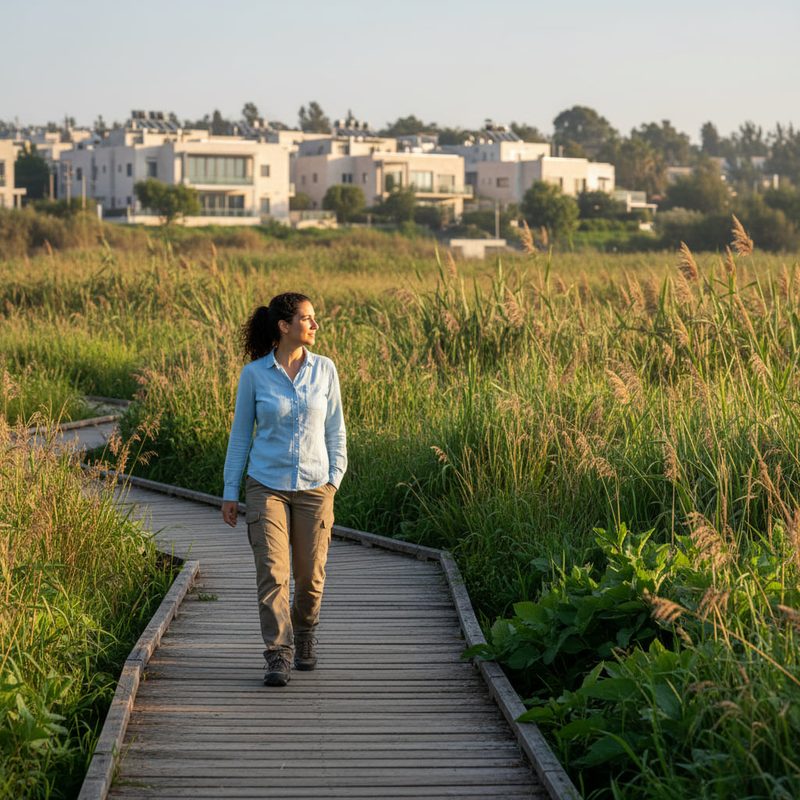
Nature is one of Kiryat Shmona’s main draws. The city is close to the Hula Valley wetlands, known for bird migration and wetland habitats.
Tel Dan Nature Reserve offers archaeological sites and shaded trails by springs. The slopes toward Mount Hermon provide higher‑elevation hiking options.
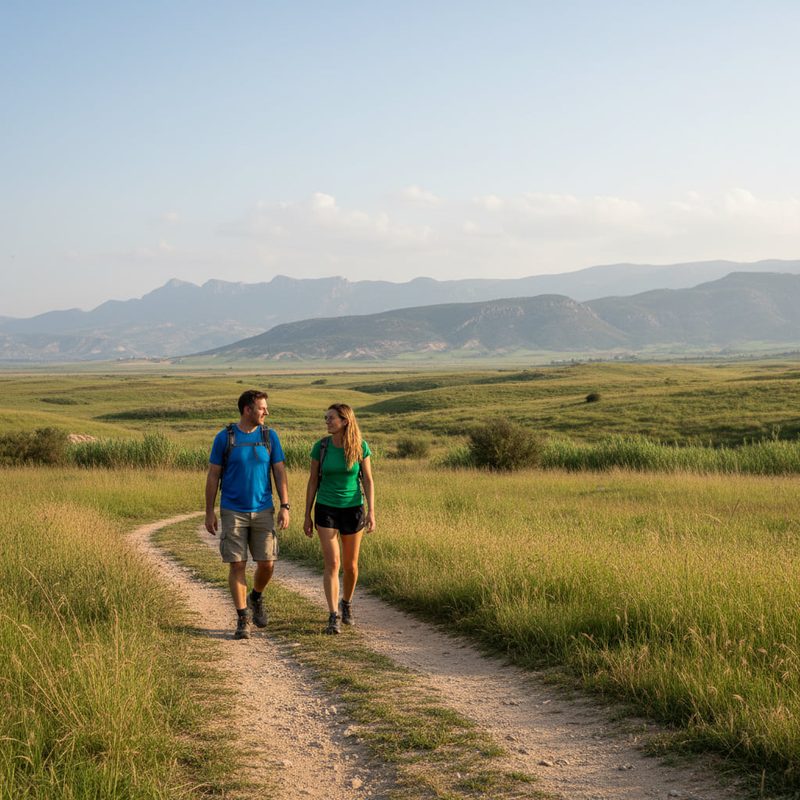
Parks and green spaces in and around the town support short walks, family outings and day hikes in the Upper Galilee.
Amenities and Things to Do in Kiryat Shmona
Kiryat Shmona has basic amenities typical of a regional town: supermarkets, shops, restaurants and local services gathered around the centre. For wider shopping and specialised services people travel to larger cities.
Local points of interest include Tel‑Hai and its museum and monument, the Kiryat Shmona Museum, Tel‑Hai Academic College and civic venues such as the local stadium.
Healthcare within the city covers primary and some secondary care; for major specialist treatment residents travel to larger hospitals in the Northern District. Sports clubs and recreational facilities support community life, while nearby nature offers hiking and birdwatching.
Cities and Towns Near Kiryat Shmona
Several towns and cities are within driving distance, forming a regional network for services and leisure. Nearby communities include Metula, Tiberias, Nazareth, Nahariya and Haifa.
Nearby cities and towns: Metula — 10 km; Tiberias — 46 km; Nazareth — 61 km; Nahariya — 72 km, approx. 64 min; Haifa — 103 km.
Advantages of Living in Kiryat Shmona
Access to nature: the Hula Valley, Tel Dan and nearby mountain trails make outdoor recreation easy.
Roomy housing: homes tend to be less dense, offering more space than many coastal cities.
Community life: the town has close social ties and neighbourhood support.
Local higher education: Tel‑Hai Academic College provides regional study options.
Regional hub: Kiryat Shmona offers basic amenities and road and bus connections for nearby communities.
Things to Consider Before Moving to Kiryat Shmona
Security context: the city lies near an international border and has experienced periodic cross‑border incidents; this affects emergency planning and daily life for some residents.
Limited specialised services: while essential services are available, specialist healthcare and major cultural institutions are found in larger regional cities.
Transport trade‑offs: there is no passenger rail station in town and the nearest rail access is at Karmiel, so some journeys take longer or need transfers.
Fewer entertainment options: compared with major metropolitan areas there are fewer nightlife venues and large‑scale cultural events.
Who Is Kiryat Shmona Best For?
Families
Families find spacious housing, strong community networks and good access to municipal schools and local green spaces.
Commuters
Commuters to nearby towns can use intercity buses and roads. Long‑distance daily commuting to major metropolitan centres is less convenient due to distance and transfers.
Young Professionals
Young professionals who value outdoor life, lower housing density and regional work opportunities may find Kiryat Shmona a good fit, especially with remote or regional employment.
Students
Students can study locally at Tel‑Hai Academic College, which serves the region and provides an option without relocating to a major city.
Retirees
Retirees who prefer a quieter pace, easy access to nature and a smaller community will likely appreciate the town’s atmosphere and surroundings.
