
Tiberias Area Guide
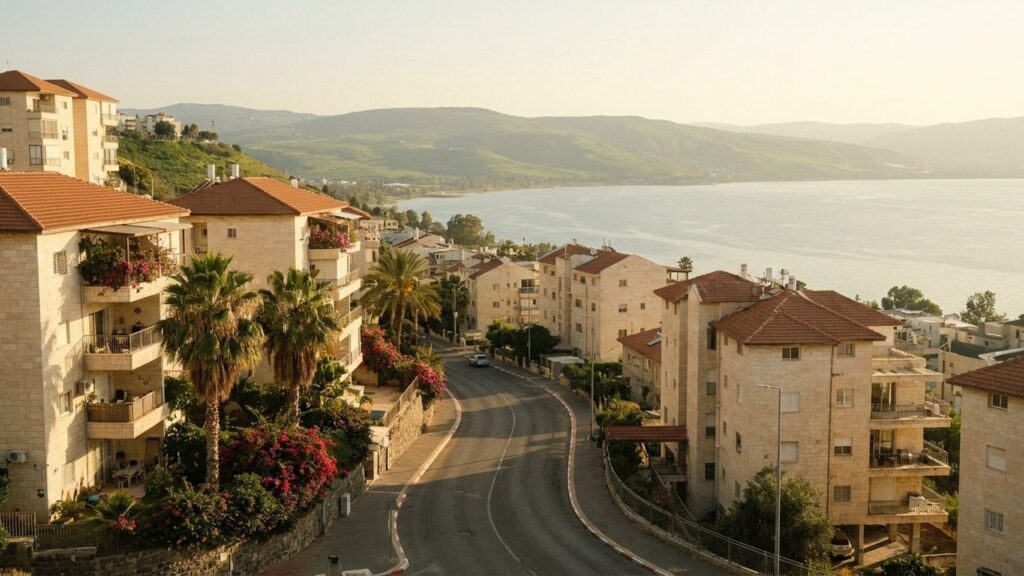

Tiberias sits on the western shore of the Sea of Galilee and combines a long historical identity with day-to-day services for residents. This guide outlines what life is like in Tiberias, Israel, from history and neighbourhoods to transport and local amenities.
Tiberias at a Glance
City: Tiberias • Country: Israel • District: Northern District • Population: 55000 • Area: 10.846 • Nearest major city: Nazareth • Distance: 24 • Main transport connection: Mainly by intercity and regional buses and by road; no active passenger rail terminus in the city • Known for: Sea of Galilee lakeshore, Talmudic history, hot springs (Hammat Tiberias), lakeside tourism and pilgrim sites • Historic origins: Founded circa 20 CE by Herod Antipas; developed into a major Talmudic centre and has continued importance through Roman, Byzantine, Early Muslim/Umayyad, Crusader, Mamluk/Ottoman, British Mandate and modern periods
Insider's Guide to Israel
and can't-miss places most tourists never find.
Where Is Tiberias?
Tiberias is located on the western shore of the Sea of Galilee in Israel, within the Northern District. It occupies a relatively compact urban area adjacent to the lakeshore, with the city acting as a local hub for the surrounding Galilean landscape.
Neighbouring population centres and regional towns are within short drives; Nazareth is the nearest major city at approximately 24 km. The setting combines lakeside promenades and built-up neighbourhoods with access to nearby hills and nature viewpoints.
History of Tiberias
The modern city of Tiberias traces its origins to a foundation attributed to Herod Antipas circa 20 CE. That Herodian foundation established Tiberias as an urban centre on the western shore of the Sea of Galilee.
Earlier and subsequent centuries saw the site develop into a major Jewish religious and scholarly centre during the Talmudic era, serving as the seat of the Sanhedrin and the Tiberian school of pronunciation. The town and its surroundings remained significant through the Roman, Byzantine, Early Muslim/Umayyad, Crusader, Mamluk/Ottoman and British Mandate periods.
The present-day municipality is much younger than the ancient settlement on the site: the continuous historical importance and archaeological presence inform the modern city’s character, while the contemporary town functions as a regional urban centre in the State of Israel.
Tiberias Population
Tiberias had a population of approximately 55,000 in 2025. That figure reflects the city’s role as a regional centre in the Northern District and includes communities living across its compact municipal boundary of roughly 10.846 km².
Population trends in the city are affected by local birth rates, internal migration within the Galilee and wider Northern District dynamics; Tiberias remains a mid-sized city by Northern District standards rather than a large metropolitan centre.
What Is It Like to Live in Tiberias?
Daily life in Tiberias balances lakeside tourism and a community-oriented urban rhythm. The city offers the basic infrastructure and services residents expect—schools, health services and local commerce—while also supporting hospitality and tourism focused on the Sea of Galilee and hot springs.
Pace varies between the busier central and lakeside strips, which attract visitors, and quieter residential neighbourhoods inland. Public services are in place for families and long-term residents, and the municipal role as a regional hub means some services are larger in scale than in a typical town.
Transport relies mainly on road connections and an intercity and local bus network rather than a local passenger rail service. Nature and recreation are close at hand: lakeshore promenades, a marina and nearby hiking areas add outdoor options that shape lifestyle choices.
Tiberias suits people who want a smaller-city environment with lakeside amenities, those who appreciate proximity to natural attractions, and residents who expect to travel by car or bus for work or study in larger regional cities.
Areas and Neighbourhoods in Tiberias
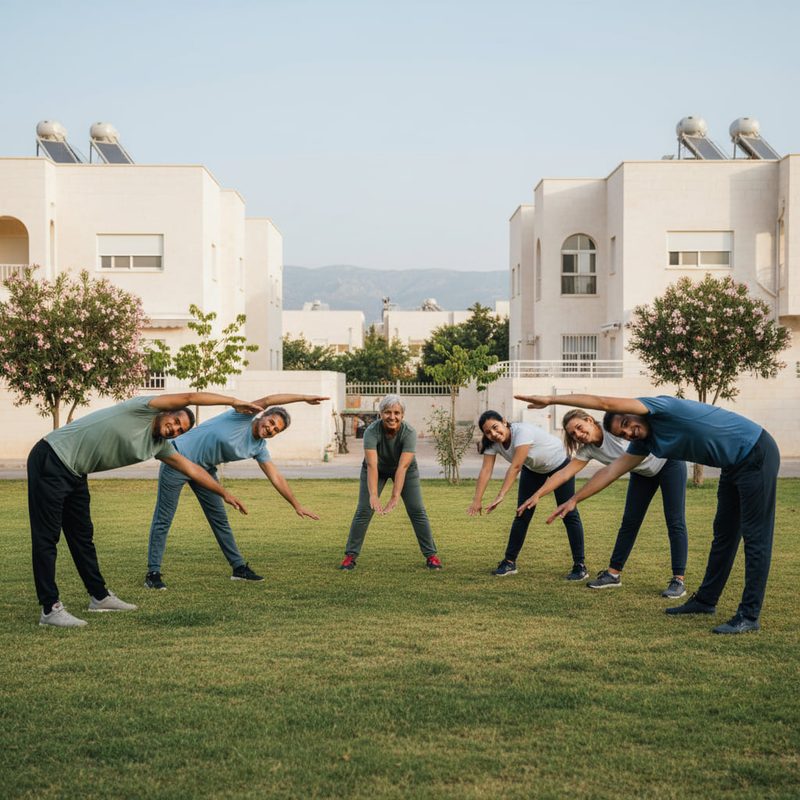
Tiberias contains a mixture of lakeside districts, older urban quarters and planned residential neighbourhoods. The following subsections describe the character, housing and accessibility of named neighbourhoods and residential areas within the municipal boundary.
Northern Beach (חוף צפוני)
A lakeside sector associated with the northern portion of the city’s waterfront and promenade. It is closely tied to tourism and leisure uses, with hotels, promenades and waterfront facilities forming part of its character.
Housing and accommodation mix lake-facing residences with hospitality units. Local bus routes and the lakeside promenade provide the main public-access links. The area suits residents who prioritise waterfront living and easy access to lakeside amenities.
Old City (העיר העתיקה)
The Old City comprises the historic core including older streets, cultural and religious landmarks and the citadel area. Its character reflects the long historical presence of the site and the concentration of visitor attractions.
Housing here tends to include older buildings and properties tied to heritage and tourism; proximity to landmarks and promenades is a feature. The quarter suits people interested in history, pilgrimage and being close to central tourist facilities.
Southern Beach (חוף דרומי)
The Southern Beach area relates to the southern stretches of the lakeshore and associated promenade spaces. Like the northern waterfront, it supports tourism, leisure and lakeside activities.
Accommodation options range from hotels and guest services to residential blocks near the water. Accessibility is provided by local buses and the promenades; the neighbourhood is appropriate for those seeking a quieter or more recreational lakeside atmosphere.
City Centre / Lev HaIr (לב העיר)
The city centre contains municipal services, shops, restaurants and many daily conveniences. It functions as Tiberias’s commercial and administrative heart.
Housing around the centre includes apartment blocks and mixed-use buildings. Good local transport connections and proximity to services suit people who want convenient everyday access to shops, healthcare and civic amenities.
Shikun A (שיכון א’)
One of the established residential sectors within the municipal area, typically characterised by housing built to serve local families and workers. The name indicates a neighbourhood developed as a residential scheme.
Housing is generally residential in nature with varied building ages; local bus links provide connectivity. The area is practical for families and residents seeking established neighbourhood services.
Mool Arbel (מול ארבל)
A sector whose name references the nearby Arbel area and related views toward local natural features. It is part of the city’s broader residential offering.
Housing includes family-oriented dwellings and apartments; transport relies on local bus services and road access. This neighbourhood is suitable for residents who value proximity to natural viewpoints and a residential environment.
Kiryat Moshe (קריית משה)
Kiryat Moshe is one of several named residential districts that form the urban fabric of Tiberias. It is primarily residential in character.
Housing stocks are family-focused, with local services nearby. Good for residents who want a settled neighbourhood with access to the city’s amenities via local roads and bus routes.
Moradot B (מורדות ב’)
A neighbourhood identified as part of the city’s slopes or grades, suggesting a residential zone on rising ground. It forms part of the city’s varied topography.
Properties are typically residential and may offer elevated views. Transport is road- and bus-based; the area is appropriate for residents seeking quieter, hillside living within the municipal border.
Shikun Ovdim (שיכון עובדים)
A workers’ housing neighbourhood traditionally developed to house labourers and municipal employees. It remains a residential component of the city.
Housing is practical and community-oriented; local services and bus links support everyday life. The neighbourhood suits people looking for established local communities and practical housing options.
Kiryat Shmuel (קריית שמואל)
Kiryat Shmuel is another residential cluster within Tiberias, forming part of the city’s collection of planned neighbourhoods.
Housing is typical of municipal residential areas with convenient access to services. The area is suitable for families and long-term residents looking for neighbourhood stability.
Wadi Rakkat (ואדי רקת)
Wadi Rakkat references a valley or wadi within the city’s local geography and is one of the named neighbourhoods in Tiberias. Such areas often have mixed residential and green spaces.
Housing tends to be residential with proximity to natural drainage and landscape features; local roads and buses provide access. Residents who enjoy being near lower-lying green corridors may prefer this area.
Ahuzaat Kinneret (אחוזת כינרת)
Ahuzaat Kinneret is a neighbourhood whose name connects it culturally to the Sea of Galilee (Kinneret). It forms part of Tiberias’s residential mix.
Housing is residential and may be aimed at families; accessibility relies on local transport. The area suits those who want to live in a neighbourhood associated with the lake.
Shikun B (שיכון ב’)
Shikun B is another planned residential sector similar in character to other ‘shikun’ neighbourhoods in the city, designed to offer practical housing.
Housing is primarily residential and supported by local services and bus routes. The neighbourhood is a pragmatic choice for residents who prioritise community amenities and affordability.
Nof Kinnerot (נוף כינרות)
The name Nof Kinnerot suggests an outlook toward the Kinneret and is part of the city’s residential geography. It is one of several neighbourhoods that reference the lake in their identity.
Housing here fits within the broader municipal residential offer; transport is by local buses and roads. The locale is suited to people seeking views or a connection with the lake setting.
Moradot Tiberias (מורדות טבריה)
Moradot Tiberias indicates hillside or slope neighbourhoods that are part of the city’s topographical variety. These areas often provide different elevation levels within the urban grid.
Residential in nature, these neighbourhoods are connected by local roads and bus routes. They are appropriate for residents who prefer hillside housing and varied views across the city and lake.
Ramat Tiberias (רמת טבריה)
Ramat Tiberias, literally a ‘height’ or ‘plateau’ area, is one of the city’s residential sectors and contributes to the municipal housing stock.
Insider's Guide to Israel
and can't-miss places most tourists never find.
Housing is residential and served by the city’s road network and public buses. The neighbourhood suits those seeking established community life within the municipal area.
Shikun G (שיכון ג’)
Shikun G is part of the series of shikun neighbourhoods found in Tiberias, offering residential housing within the city footprint.
Practical housing and local services characterise the area, with standard road and bus connectivity. It is suitable for residents who value a settled urban neighbourhood.
Shikun D (שיכון ד’)
Shikun D rounds out the group of shikun residential districts in Tiberias and functions as a local residential quarter.
Housing and amenities are typical of municipal neighbourhoods; public transport is available via the local bus network. The area is a straightforward residential option for families and workers.
Tiberias Colony / HaMoshava (טבריה המושבה)
The Tiberias Colony (HaMoshava) refers to an older settlement quarter that forms part of the city’s historical urban fabric, often associated with earlier modern settlement phases.
Properties include older and historic residences with proximity to central services and the lakeshore. The quarter appeals to those who prefer historic neighbourhood character and central locations.
Park Tiberias (פאר טבריה)
Park Tiberias is a named area that suggests proximity to green or recreational spaces within the city’s planning. It is part of the municipal residential composition.
Housing is integrated with recreational access; transport is via local roads and bus links. The area suits families and residents who prioritise nearby parks and open spaces.
Education in Tiberias
Tiberias maintains a primary and secondary education network with around 38 schools and approximately 9,700 students (school year 2022/23, municipal/Central Bureau of Statistics figures). The municipal education system provides mainstream schooling options that serve local families.
For higher education and specialised courses, residents typically access institutions in larger regional centres. Students often travel to colleges and universities located elsewhere in the Northern District and in Israel’s larger cities for undergraduate and postgraduate study.
Transport and Connectivity
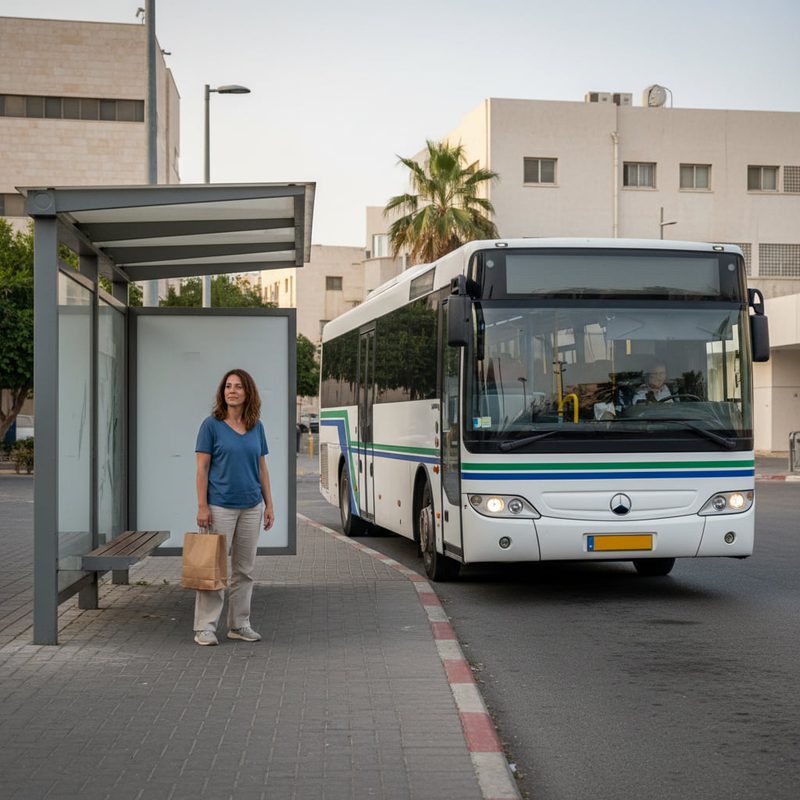
Tiberias’s main transport connections are by road and by intercity and regional buses. Local bus services serve neighbourhoods and the lakeside; intercity buses link Tiberias directly to Tel Aviv, Haifa, Nazareth and other regional destinations via operators such as Egged and regional companies.
There is currently no active passenger rail terminus in the city; nearest Israel Railways stations are located in the Haifa/Afula corridor, so travel to Tel Aviv often uses intercity bus services or a combination of bus and rail from nearby stations.
By road, Tiberias is approximately 106 km from Tel Aviv by the most common routing, typically a 1.5–2 hour drive depending on traffic. Approximate road distances and travel times to other major centres include Haifa (about 48 km, roughly 55 minutes by car), Nazareth (about 24 km, roughly 30 minutes) and Jerusalem (about 117 km, roughly 115 minutes). Ben Gurion Airport is approximately 138 km away by road.
Car ownership is commonly used by residents for flexibility; while local buses serve daily needs, a fully car-free life can be more challenging outside of central neighbourhoods and for some commuting patterns.
Nature and Outdoor Spaces
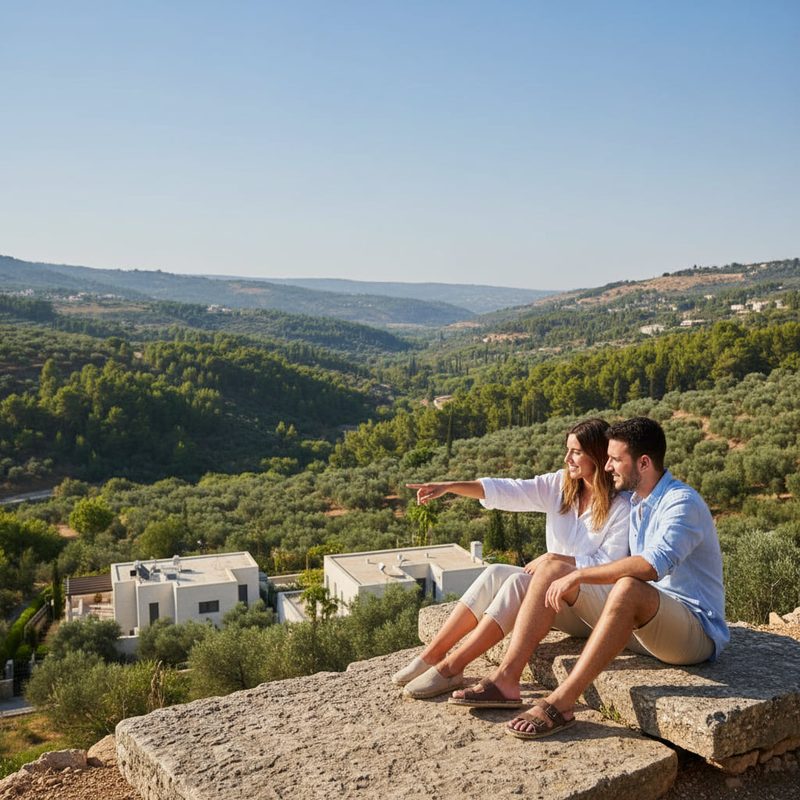
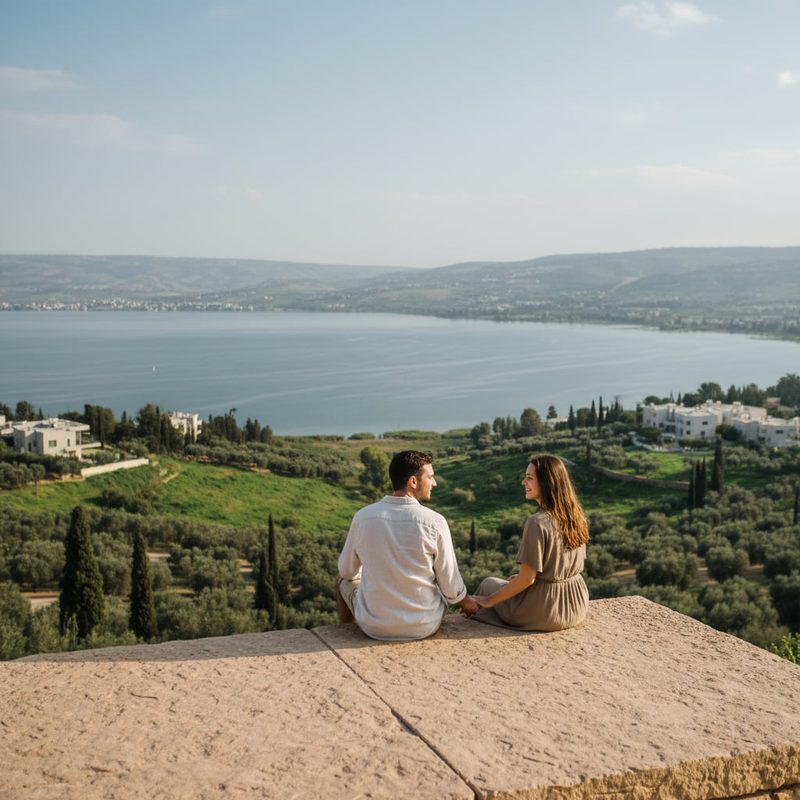
Tiberias benefits from its lakeshore setting on the Sea of Galilee, with promenades, a marina and water-focused recreational opportunities forming a core part of the local outdoor offer. The lakeside environment shapes leisure, walking and seasonal visitor activity.
Thermal springs at Hammat Tiberias are a notable natural and recreational resource. Nearby cliffs, most notably the Mount Arbel area, provide hiking, viewpoints and access to regional trails.
Planted and managed woodlands such as the areas identified with names like the Tiberias Forest (Swiss Forest) and local nature reserves extend green space beyond the built-up streets and offer additional outdoor and conservation areas.
Amenities and Things to Do in Tiberias
Tiberias offers a concentrated range of amenities oriented to both residents and visitors: shopping in the city centre, restaurants and cafes along the promenade and service facilities for daily life. The municipal centre and local commercial streets supply shops and professional services.
Healthcare services are accessible locally and the city functions as a regional service point for parts of the Galilee. Sports and leisure infrastructure is available for community use alongside lakeside recreation and hotel-based facilities tied to tourism.
Key landmarks and visitor attractions include the Sea of Galilee and its promenades, Hamat Tiberias hot springs, the Tomb of Maimonides and other rabbinic tombs, the Tiberias Old City and citadel, and the marina. These sites are among the principal reasons people visit or live with easy access to cultural and religious tourism.
Cities and Towns Near Tiberias
A number of towns and cities are within relatively short travel distances of Tiberias, making them accessible for work, study or day trips. The nearby urban network connects Tiberias to other parts of the Galilee and to the Mediterranean and central regions.
Nearby cities and towns: Nazareth — 24 km, approx. 30 min; Safed (Tzfat) — 36 km, approx. 40 min; Haifa — 48 km, approx. 55 min; Tel Aviv-Yafo — 106 km, approx. 95 min; Jerusalem — 117 km, approx. 115 min.
Advantages of Living in Tiberias
Lakeside environment and leisure: Residents benefit from direct access to the Sea of Galilee, promenades and marina facilities.
Regional hub services: As a municipal centre in the Northern District, Tiberias provides local services and amenities that support families and long-term residents.
Outdoor and nature access: Nearby hot springs, hiking at Mount Arbel and managed woodlands offer varied outdoor options.
Diverse housing options: The city contains a range of housing types from older quarters to newer residential areas, supporting different household needs.
Things to Consider Before Moving to Tiberias
Transport limitations: There is no active passenger rail terminus in the city, so travel commonly relies on buses and private cars for intercity journeys.
Distance from major metropolitan centres: While well connected by road and bus, travel times to central Israel and large employment markets can be significant compared with living inside those metropolitan areas.
Seasonal tourism: Lakeside tourism concentrates visitor traffic and activity in peak seasons, which can affect traffic, services and local rhythms near the waterfront.
Local service range: Although Tiberias functions as a regional hub, certain specialised services and higher education options will require travel to larger cities.
Who Is Tiberias Best For?
Different kinds of residents find Tiberias suits their needs; below are short notes on who is likely to benefit from living here.
Families
Families benefit from the city’s schools, community services and residential neighbourhoods, plus access to parks and lakeside recreation.
Commuters
Commuters who rely on road travel to nearby regional centres such as Nazareth or Haifa can base themselves in Tiberias, though typical commutes to central Israel are longer and often by car or intercity bus.
Retirees
Retirees may appreciate the lakeside setting, accessible healthcare services in the city and the calmer pace outside major metropolitan areas.
