
Haifa Area Guide
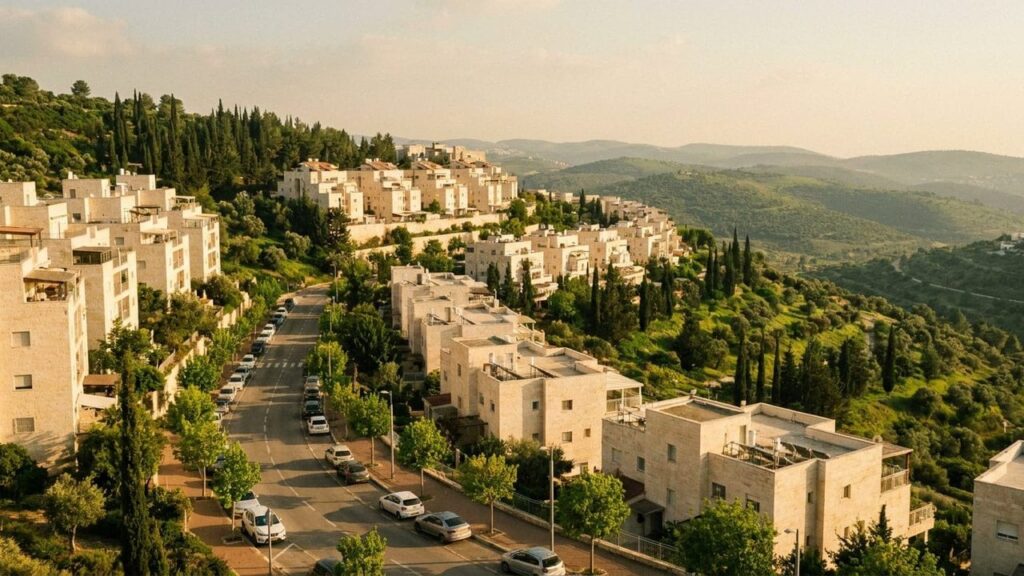

Haifa is a coastal city offering a mix of urban services and ready access to the sea and Mount Carmel. This guide covers the practical details of living in Haifa and what to expect from daily life in Israel.
Haifa at a Glance
City: Haifa • Country: Israel • District: Haifa • Population: 298312 • Area: 63.666 km² • Nearest major city: Tel Aviv • Distance: 90 km • Main transport connection: Israel Railways coastal main line (Haifa Hof HaCarmel) and Highway 2 (Coastal Highway); supplemented by Metronit BRT, central bus stations (Hof HaCarmel, Merkazit HaMifratz) and the Port of Haifa. • Known for: Port of Haifa; the Baháʼí World Centre and its terraced gardens; Technion and University of Haifa; mixed Arab–Jewish urban character; major hi‑tech park (Matam); Mount Carmel coastline. • Historic origins: Archaeological settlement since the Bronze Age with later Hellenistic, Roman and Byzantine phases; modern urban growth during the Ottoman period (late 19th century).
Insider's Guide to Israel
and can't-miss places most tourists never find.

Where Is Haifa?
Haifa sits on the Mediterranean coast at the northern end of the coastal plain and along the slopes of Mount Carmel. It is the principal city of the Haifa District and serves as a regional hub for the surrounding towns and suburbs.
Neighbouring municipalities and towns include Kiryat Ata, Kiryat Yam, Acre (Akko) and others along the northern coastal corridor. Tel Aviv is the nearest major metropolitan centre, approximately 90 km to the south, connected by the coastal mainline and Highway 2.
The city combines coastline and hillside geography: urban areas meet the sea while parts of the city climb the slopes of Mount Carmel, providing a mix of waterfront and elevated neighbourhoods with views over the bay.
History of Haifa
Archaeological evidence shows settlement in the Haifa area from the Bronze Age, with coastal sites such as Tell Abu Hawam and nearby Shikmona serving as early harbours and local centres. The locality continued to be occupied through the Hellenistic, Roman and Byzantine periods.
Over the centuries the site was part of successive regional powers, including Persian, Early Muslim, Crusader/Ayyubid/Mamluk and Ottoman periods. The name and specific settlement patterns evolved with those historical phases.
The modern urban form of Haifa began to take shape in the late Ottoman period during the 19th century, followed by further development in the British Mandate era and substantial changes after the establishment of the State of Israel. The city today reflects layers of this long history alongside contemporary industry and education.
Haifa Population
Haifa had a population of 298,312 as of 2023. That population size makes Haifa one of the larger urban centres in its district and a significant city nationally.
The urban population supports a range of municipal services, higher-education institutions and regional employment centres. For detailed recent trends and projections, municipal demographic reports provide the most up-to-date figures.
What Is It Like to Live in Haifa?
Daily life in Haifa balances urban convenience with proximity to natural areas. The city offers essential services, healthcare facilities and a range of neighbourhood types, while green and coastal spaces are never far away.
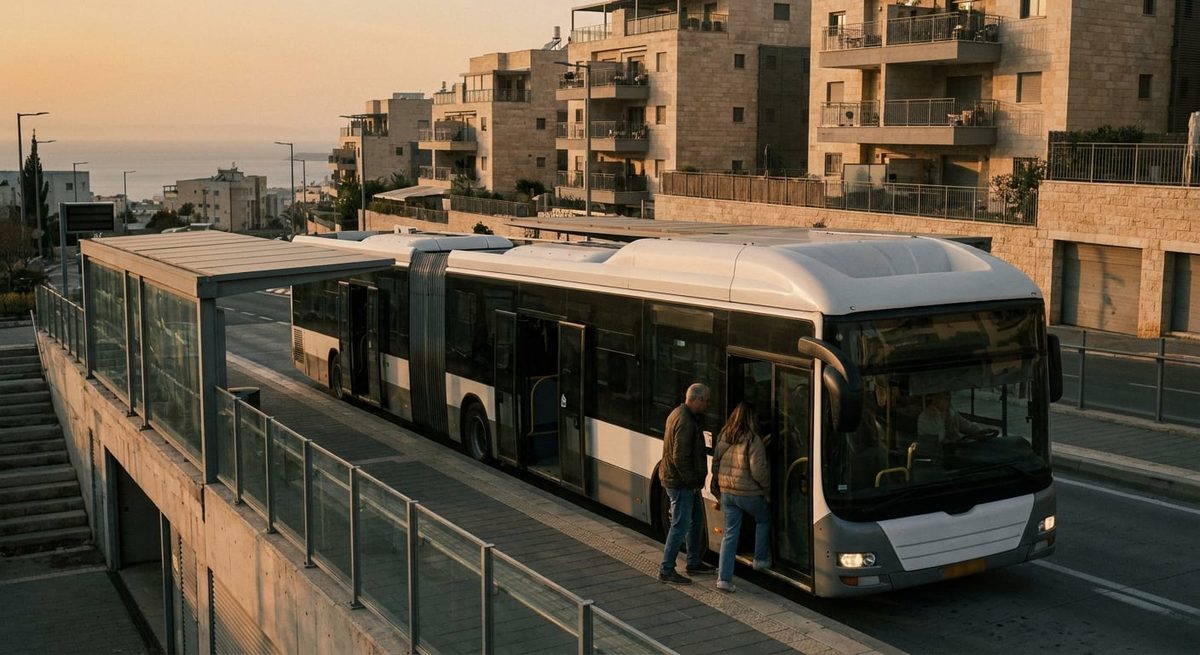
Pace and character vary: some districts are quieter and more residential, others are more active around academic campuses, the port and commercial corridors. Infrastructure includes intercity rail connections, central bus hubs and the Metronit BRT rapid bus network for intra-city travel.
Community life tends to be mixed and practical. Residents often cite access to beaches, parks and hiking on Mount Carmel as key quality-of-life features, alongside employment in education, local industry and the hi‑tech sector.

Areas and Neighbourhoods in Haifa
Haifa contains a range of neighbourhoods with differing characters — historic streets, coastal districts, hillside residential areas and commercial zones. The following notes describe the general feel of several well-known quarters and who they tend to suit.
Hadar HaCarmel
Location and character: A central neighbourhood occupying part of the slope areas of the city, mixing older apartment blocks with commercial streets.
Housing and transport: Offers a variety of apartment types and easy access to buses; suitable for people who want to be close to central services.
Who it suits: Practical for residents who prioritise proximity to shops and municipal services.
German Colony
Location and character: A compact, historic area near the lower slopes and public landmarks, known locally for its promenades and dining streets.
Housing and transport: Characterful buildings and pedestrian-friendly streets with good connections to central bus routes and tourist sites.
Who it suits: Appeals to those who favour historic streets, cafés and proximity to cultural attractions such as the Baháʼí Gardens.
Wadi Nisnas
Location and character: Part of Haifa’s mixed urban fabric, recognised for active local community life and neighbourhood markets and shops.
Housing and transport: Largely residential with small-scale commerce and regular bus connections to the rest of the city.
Who it suits: Good for residents looking for authentic, street-level neighbourhood life and local amenities.
Bat Galim
Location and character: One of the coastal districts offering straightforward access to the shoreline and beach areas.
Housing and transport: Contains residential streets close to the sea and public transport links, making it practical for beach access and commuting.
Who it suits: Suited to people who prioritise daily access to the waterfront and outdoor recreation.
Neve Sha’anan
Location and character: A residential area with a range of housing types and proximity to central services and transit links.
Housing and transport: Typical urban apartments and good bus connections; convenient for local shopping and municipal services.
Who it suits: Practical for families and residents who want straightforward access to everyday amenities.
Romema (Ramot)
Location and character: A primarily residential sector with mid-density housing and local green spaces.
Housing and transport: Mix of apartment buildings and family housing served by city buses; suitable for longer-term residents.
Who it suits: Good for households seeking a quieter residential environment within the city.
Carmel Center (Merkaz HaCarmel)
Location and character: The city’s cultural and leisure hub on the Carmel plateau, close to parks and cultural institutions.
Housing and transport: Residential and commercial mix with access to green spaces and central bus routes.
Who it suits: Suitable for residents who want proximity to cafés, galleries and recreational areas.
Kabbabir
Location and character: A residential neighbourhood on the city’s slopes with a quieter, community-focused atmosphere.
Housing and transport: Predominantly residential properties with local road links and bus services.
Who it suits: Appeals to families and those seeking a more settled neighbourhood environment.
Vardiya
Location and character: A neighbourhood with residential streets and access to hillside walking areas.
Housing and transport: Apartment blocks and houses with local transport options; proximity to nature trails is a feature for residents.
Who it suits: Suited to people who want easy access to outdoor recreation while remaining within the city.
Ramat Golda
Location and character: A residential area offering a quieter suburban feel within the municipal boundaries.
Insider's Guide to Israel
and can't-miss places most tourists never find.
Housing and transport: Family-focused housing and local services with bus connections to central Haifa.
Who it suits: Attractive to households seeking more space and a calmer local atmosphere.
Education in Haifa
Haifa is home to major higher-education institutions, most notably the Technion – Israel Institute of Technology and the University of Haifa, along with additional colleges and research centres. These institutions make the city an important academic and research centre.
Primary and secondary education is provided through the municipal school system, and there are vocational, technical and private options as in other Israeli cities. The presence of tertiary institutions supports a student population and related services such as libraries and research facilities.
Transport and Connectivity
Haifa is connected to the national rail network via stations including Haifa Hof HaCarmel on the coastal main line. Intercity train services to Tel Aviv are frequent, with typical travel times from Haifa Hof HaCarmel to Tel Aviv around 50–60 minutes depending on the service.
Road access to Tel Aviv is mainly via Highway 2 (the Coastal Highway) and via local tunnels and arteries; typical driving times to Tel Aviv are approximately 1–1.5 hours depending on traffic. Ben Gurion Airport is approximately 114 km from Haifa.
Public transport in the city includes regional and local buses operated by Egged and other carriers, two main central bus hubs (Hof HaCarmel and Merkazit HaMifratz) and the Metronit BRT rapid bus network for intra-city journeys. While central neighbourhoods and corridors are well served, car ownership remains common for travel to outlying areas and some commuters.
Nature and Outdoor Spaces
Haifa straddles coastline and hillside: the city occupies the northern slopes of Mount Carmel and the adjacent Mediterranean shoreline. This setting gives residents direct access to beaches and to wooded and parkland areas on the Carmel.
Nearby Carmel National Park offers larger-scale outdoor recreation and hiking opportunities, while city-level green spaces, promenade walks and coastal ecosystems provide everyday access to nature for residents. Landmarks such as Stella Maris and local viewpoints on the Carmel are accessible from several neighbourhoods.

Amenities and Things to Do in Haifa
Key cultural and leisure landmarks include the Baháʼí World Centre and its terraced gardens, the Haifa Museum of Art, the historic German Colony and seaside areas such as Carmel Beach (Hof HaCarmel). The port and commercial districts provide employment and commerce.
Higher-education campuses, cafés and restaurants are concentrated around central zones and the Carmel Center. Shopping ranges from local markets and small shops to larger retail areas near central transport hubs. Healthcare facilities and municipal services are available across the city to meet routine and specialist needs.
For nightlife and larger-scale entertainment, some residents travel to neighbouring cities or to larger centres; locally, cultural events and campus-driven activities contribute to a steady cultural calendar.

Cities and Towns Near Haifa
Haifa sits within a cluster of coastal and inland towns that are within a short drive or bus journey. These nearby places offer alternatives for housing, day trips and regional services.
Nearby destinations
Kiryat Ata — approximately 10 km, about 15 minutes by car.
Kiryat Yam — approximately 15 km, about 20 minutes by car.
Acre (Akko) — approximately 25 km, about 30 minutes by car.
Nazareth — approximately 33 km, about 40 minutes by car.
Hadera — approximately 40 km, about 35–40 minutes by car depending on route.
Nearby cities and towns: Kiryat Ata — 10 km, approx. 15 min; Kiryat Yam — 15 km, approx. 20 min; Acre (Akko) — 25 km, approx. 30 min; Nazareth — 33 km, approx. 40 min; Hadera — 40 km, approx. 35 min.
Advantages of Living in Haifa
Access to nature: Immediate proximity to both Mediterranean beaches and Mount Carmel gives residents daily outdoor options for walking, swimming and hiking.
Educational and research hubs: The presence of the Technion and the University of Haifa supports local employment, research activity and a student population.
Port and industry: The Port of Haifa and associated industrial and commercial activity provide a local economic base and jobs.
Transport links: Intercity rail services, Highway 2 and regional bus hubs provide solid connections to Tel Aviv and other northern cities.
Diverse community: The city’s mixed urban character supports a range of cultural life, local markets and neighbourhood types.
Things to Consider Before Moving to Haifa
Local entertainment options can be more limited than in larger metropolitan areas; some residents travel to Tel Aviv or other cities for major events and nightlife.
Commuting to major employment centres further south can involve significant travel time depending on congestion and the chosen mode of transport.
Property conditions vary across the city; buyers and renters should check the layout and state of older buildings and infrastructure when making housing decisions.
Seasonal weather changes and local topography mean some neighbourhoods will feel windier or cooler; proximity to the sea also affects humidity and maintenance needs for buildings.
Who Is Haifa Best For?
Families
Families benefit from community-oriented neighbourhoods, access to schools and municipal services, and nearby outdoor spaces for children.
Commuters
Commuters who rely on rail or the coastal road can reach Tel Aviv and other centres within approximately an hour to 90 minutes, depending on service and traffic conditions.
Young Professionals
Young professionals working in local hi‑tech parks, research institutions or the port will find employment options within the city or a manageable commute to nearby employment hubs.
Students
Students are well served by the presence of major universities and related services, creating a lively academic and research environment.
Retirees
Retirees who prioritise access to nature, quieter residential areas and municipal services may find suitable neighbourhoods and a relaxed pace in parts of the city.
