Discover the Best Israeli Falafel Toppings
3 May 15:26
214
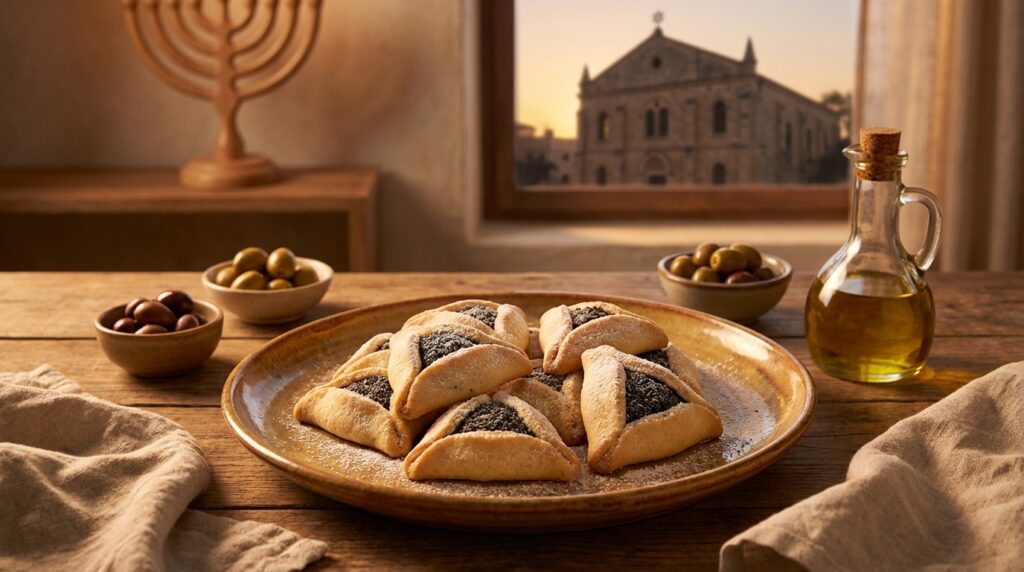

Originating from Eastern Europe, hamantaschen have become a staple in Israeli kitchens. These triangular pastries are filled with various sweet fillings, with poppy seed being one of the most popular. The name ‘hamantaschen’ is derived from the villain Haman in the Purim story, and the pastries symbolize the defeat of his evil plans.
The tradition of baking hamantaschen during Purim is deeply rooted in Jewish culture. Families gather to prepare these treats, sharing stories and laughter. The poppy seed filling, known as ‘mohn’ in Yiddish, has a nutty flavor that complements the buttery dough perfectly.
In Israel, hamantaschen are not only a festive treat but also a symbol of resilience and joy. They are often gifted to friends and neighbors, fostering a sense of community and togetherness. The act of giving hamantaschen is seen as a gesture of goodwill and friendship.
The use of poppy seeds in hamantaschen dates back to ancient times. Poppy seeds are known for their mild, nutty flavor and are often used in Middle Eastern and European cuisines. In Israel, they are a beloved ingredient, adding a unique taste to the traditional hamantaschen.
Baking hamantaschen is a cherished family activity. Parents and children come together to roll out the dough, fill it with poppy seeds, and shape the pastries. This process is not only about making delicious treats but also about passing down cultural traditions to the next generation.
The triangular shape of hamantaschen is said to represent the hat of Haman, the antagonist in the Purim story. This shape is iconic and instantly recognizable, making hamantaschen a distinctive part of Jewish culinary heritage. The symbolism behind the shape adds depth to the enjoyment of these pastries.
In modern times, hamantaschen have evolved with various creative fillings, from chocolate to fruit preserves. However, the classic poppy seed filling remains a favorite among many. Its rich taste and historical significance make it a timeless choice for those celebrating Purim.
The preparation of hamantaschen is often accompanied by singing and storytelling, creating a festive atmosphere. This tradition strengthens family bonds and keeps the cultural heritage alive. Each bite of a poppy seed hamantaschen is a reminder of the joy and unity that Purim brings.
Whether enjoyed at home or shared with friends, poppy seed hamantaschen are a delightful way to celebrate Purim. They embody the spirit of the holiday, combining history, flavor, and community in each delicious bite.