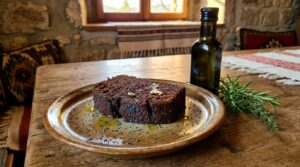
Polenta Olive Oil Cake: A Sweet Israeli Delight
8 March 08:42
245
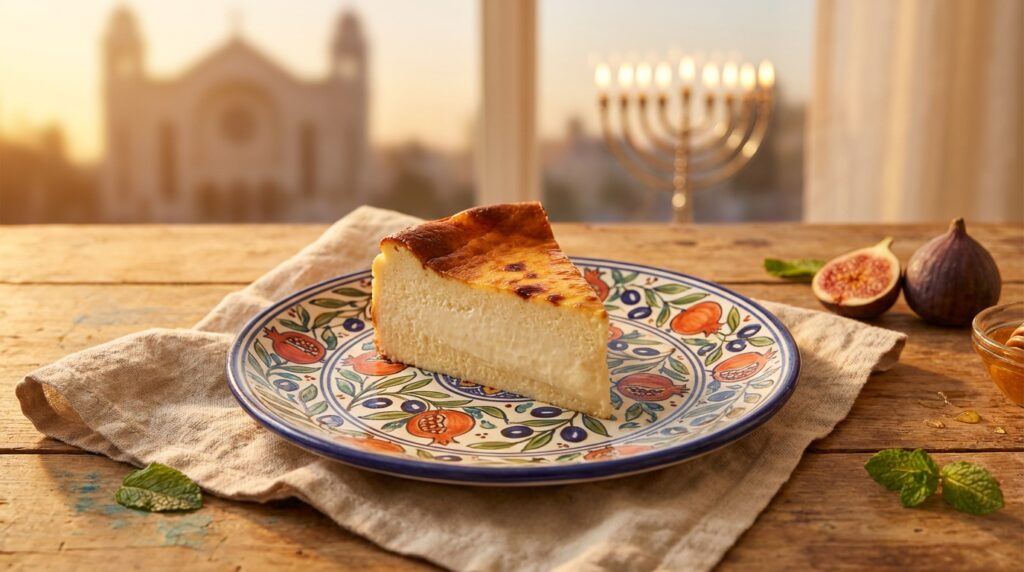

The origins of Israeli cheesecake can be traced back to European influences, particularly from Jewish communities in Eastern Europe. These communities brought their traditional recipes to Israel, where they were adapted to local tastes and ingredients.
In Israel, cheesecake is often made with a type of cheese called gvina levana, which is similar to quark. This gives the cheesecake its distinctive creamy texture and tangy flavor, setting it apart from American-style cheesecakes.
Over the years, Israeli cheesecake has become a staple dessert during Shavuot, a Jewish holiday that traditionally includes dairy foods. It is also enjoyed year-round at family gatherings and celebrations.
Israeli cheesecakes often incorporate local ingredients such as honey, almonds, and dates, adding a unique twist to the classic recipe. These ingredients not only enhance the flavor but also reflect the rich agricultural heritage of the region.
The simplicity of the recipe allows for creativity, with many variations including different toppings and crusts. Some popular toppings include fresh fruit, chocolate, or a drizzle of honey.
Despite its rich taste, Israeli cheesecake is often lighter than its American counterpart, making it a refreshing dessert option. This is due to the use of lighter cheeses and the absence of heavy cream in the recipe.
The evolution of Israeli cheesecake is a testament to the blending of cultures and traditions. As immigrants from various backgrounds settled in Israel, they brought with them their culinary traditions, which were then adapted to the local palate.
Today, Israeli cheesecake is celebrated not only for its taste but also for its cultural significance. It represents the diversity and creativity of Israeli cuisine, which continues to evolve and inspire.
Whether enjoyed at a festive occasion or as a simple treat, Israeli cheesecake remains a beloved dessert that captures the essence of Israeli hospitality and warmth.