
Traditional Jewish Rolls from the Heart of Israel
5 April 08:50
251
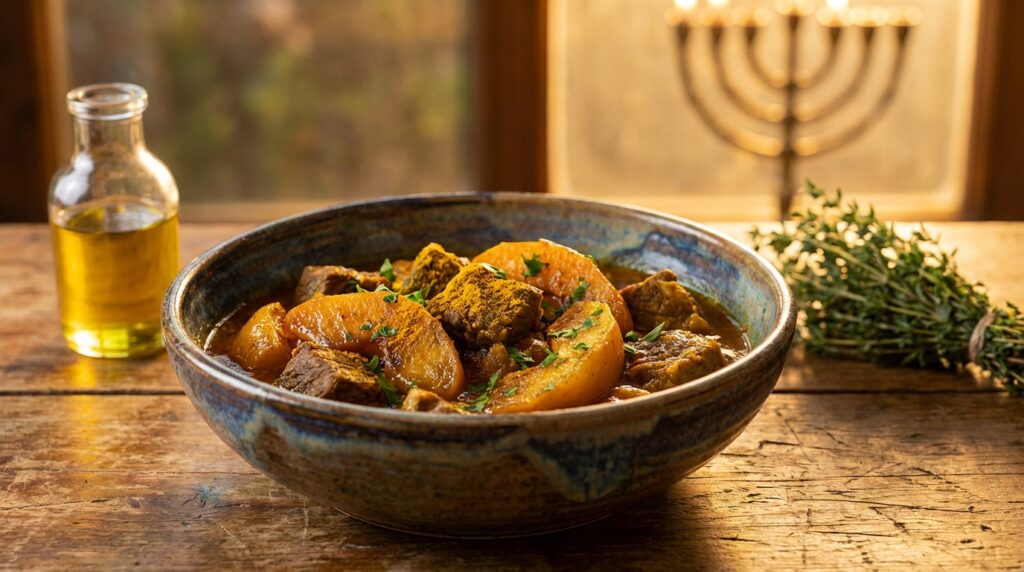

Originating from Persian influences, Khoresh Beh has been embraced by Israeli families for generations. The dish is particularly popular during the fall when quince is in season. Its sweet and savory profile makes it a comforting choice for family gatherings.
The use of quince in Khoresh Beh is a nod to the fruit’s historical significance in the region. Quince has been cultivated in the Middle East for centuries and is often associated with love and fertility. Its aromatic flavor adds a distinct touch to the stew.
Traditionally, Khoresh Beh is prepared with beef, but variations exist using lamb or chicken. Each family may have its own secret blend of spices, passed down through generations, adding to the dish’s rich tapestry of flavors.
In many Israeli homes, preparing Khoresh Beh is a communal activity, bringing family members together in the kitchen. The process of slow-cooking the stew allows the flavors to meld beautifully, creating a dish that is both hearty and aromatic.
The quince used in Khoresh Beh is often sourced from local Israeli farms, supporting small businesses and ensuring the freshest ingredients. This connection to local produce is a point of pride for many families who cherish the dish.
Khoresh Beh’s popularity has spread beyond Israel, with many international chefs incorporating it into their menus. Its unique flavor profile and cultural significance make it a standout dish that resonates with food lovers worldwide.
For those who have never tried Khoresh Beh, the dish offers a delightful surprise. The combination of tender meat, sweet quince, and aromatic spices creates a symphony of flavors that is both exotic and comforting. It’s a dish that invites you to explore the rich culinary traditions of Israel.
Khoresh Beh is often served with rice or couscous, which help to soak up the flavorful sauce. This pairing not only enhances the dish’s taste but also makes it a satisfying meal that can be enjoyed by the whole family.
Whether enjoyed at a festive gathering or a quiet family dinner, Khoresh Beh embodies the warmth and hospitality of Israeli culture. It’s a dish that brings people together, creating lasting memories around the table.