Authentic Israeli Cheesecake Delight
15 March 09:48
160
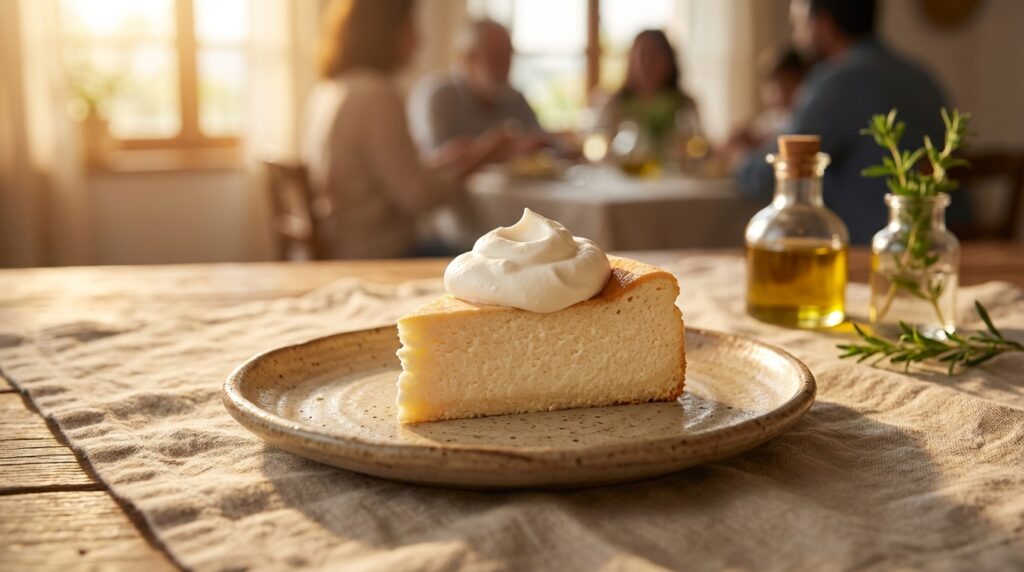

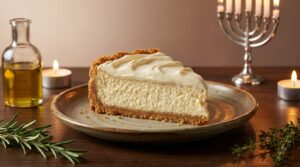
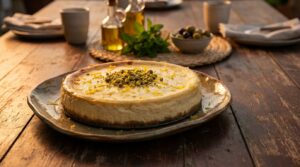
Israeli cheesecake has become a cherished treat in homes and cafés across Israel. Made with soft Israeli white cheese and whipped cream, it differs from denser American-style cheesecakes. Its texture is delicate and cloud-like, often served during festive gatherings and especially popular during Shavuot, the festival of dairy.
The origins of this cheesecake are rooted in the availability of soft white cheese in Israel, a creamy, slightly tangy cheese that lends itself beautifully to whipped desserts. Over time, home bakers and café chefs embraced this cheese’s unique qualities, creating a dessert that feels both familiar and delightfully light.
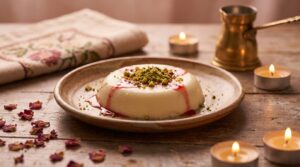
One creative variation layers the cheesecake on a base of knafeh—shredded pastry soaked in syrup—adding a Middle Eastern flair to the dessert. This version highlights the fusion of textures and flavors that makes Israeli cheesecake so memorable.
Through the years, Israeli cheesecake has evolved from a home kitchen favorite to a café staple.
In cafés across Israel, bakers have experimented with crusts—from tea biscuits to buttery shortbread—and toppings like fresh berries or crumbled knafeh. Each version reflects a baker’s personal touch, yet all share the same light, creamy heart.
For many, this cheesecake evokes memories of family meals, holiday tables, and the gentle sweetness of home. It’s a dessert that carries both flavor and feeling.