
Understanding the Jewish Diaspora: Origins and Impact
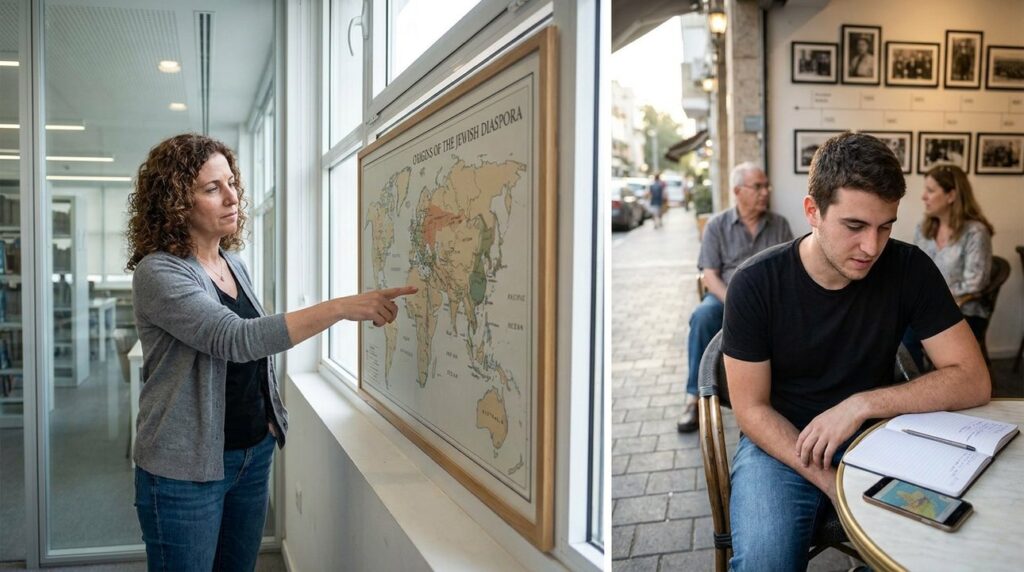

The Jewish diaspora means Jewish communities living outside the historic Land of Israel, formed by both forced removals and voluntary migration.
Major turning points include the Babylonian exile in 586 BCE and the Roman dispersals after 70 CE, which spread Jewish communities across the Mediterranean, the Near East, and later Europe.
What Is the Jewish Diaspora?
The Jewish diaspora is the presence of Jewish communities outside the historic Land of Israel, created by a series of historical moves and displacements.
One key early date is 586 BCE, when the Babylonians captured Jerusalem and many Jews were taken to Babylon, a formative event for diasporic life in Mesopotamia.
Over time the term came to include both communities formed by forced exile and those created by migration for trade or safety, such as Jewish merchants living in Alexandria, Egypt in the Hellenistic era.
In short: the diaspora names both place and condition – Jews living outside the ancestral land, with roots in events like the Babylonian exile and later Roman-era movements.
from the Western Wall to Masada.
Historians distinguish early phases of the diaspora by date and region, using sources like the Jewish Virtual Library and academic studies to map movements.
Archaeologists and historians point to settlements in Babylonia (modern Iraq), Alexandria, and across Anatolia by the 3rd and 2nd centuries BCE as examples of early diasporic communities.
Documents from the Cairo Geniza and inscriptions show how communities organized synagogues and communal support from the medieval period back to late antiquity in places such as Fustat and Constantinople.
Thus, the diaspora unfolded in stages tied to particular regions and eras—Babylonia and Alexandria among them—rather than as a single, one-time event.
When Did the Jewish Diaspora Begin?
Scholars commonly point to the Babylonian exile of 586 BCE as an early, clearly datable start of large-scale Jewish communities outside Israel. That event moved elites and many urban residents to Babylon and changed religious life by encouraging written texts and synagogue practice in exile.
A second pivotal date is 70 CE when Roman forces destroyed the Second Temple in Jerusalem and many more Jews resettled across the Roman Empire, including cities such as Rome and Antioch. Essentially, 586 BCE and 70 CE serve as widely used reference points for major expansions of the Jewish diaspora.
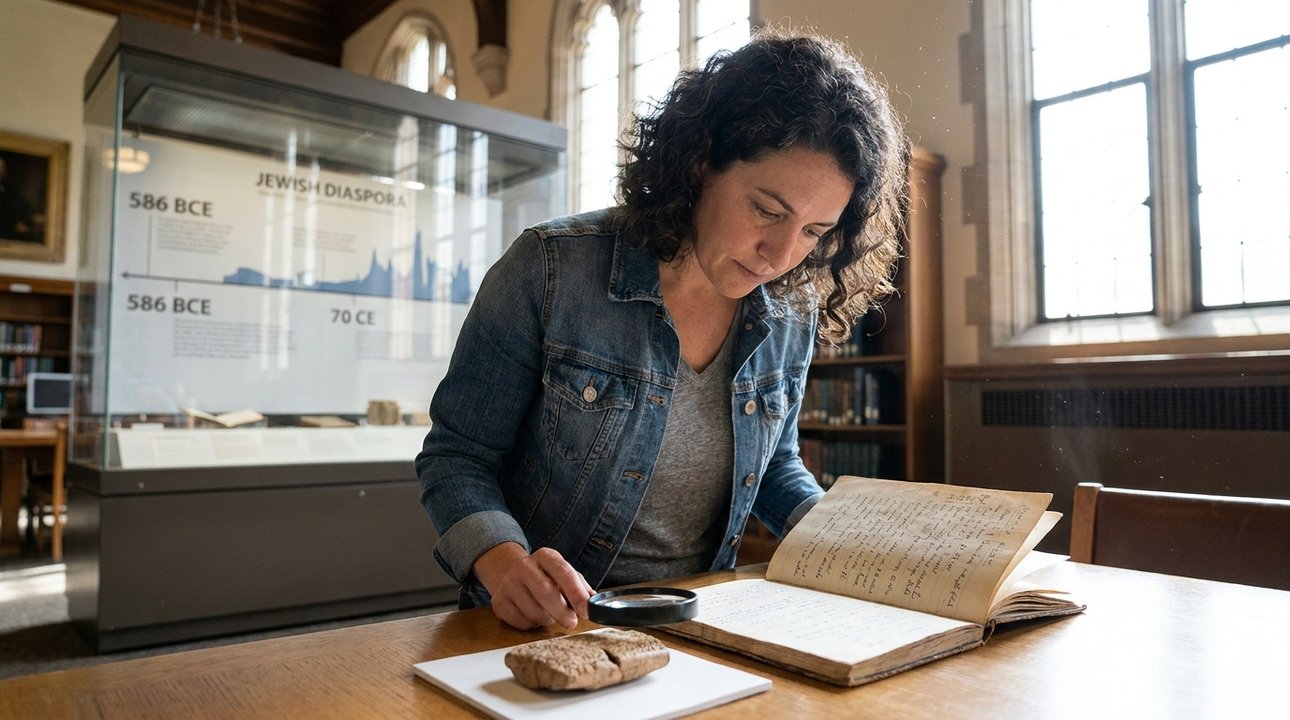
Between these milestones, Jewish communities grew in Greece and Asia Minor during the Hellenistic era, driven by trade and new opportunities in cities like Alexandria and Ephesus.
Records from Jewish writers and Greco-Roman sources note active Jewish synagogues in port cities and marketplaces, showing integration with local economies.
Community institutions adapted: elders and scribes kept legal records and liturgical life, a pattern visible in inscriptions and papyri dated to the 3rd-1st centuries BCE.
In other words, migration for commerce and urban life led to diasporic communities well before and between the major exiles of 586 BCE and 70 CE.
Why Did Jews Leave and Settle Abroad?
Several clear factors caused Jewish movement: military defeat and exile, economic opportunity in trade networks, and local invitation or settlement policies in host cities.
The Babylonian deportations of 586 BCE and Roman policies after 70 CE caused large forced movements, while other migrations were voluntary for merchants who settled in Alexandria or Rome.
Environmental and social pressures, such as famine, also pushed families to seek new homes as shown in records from Judea and surrounding provinces in the first centuries BCE and CE.
Consequently, both push factors (exile, war, famine) and pull factors (trade, urban opportunities) explain why Jewish populations settled abroad.
Local rulers sometimes welcomed Jews because they brought skills, commercial links, and tax income, which encouraged communities in Babylon, Persia, and the Roman East.
Documents from Persian royal archives and later medieval records show Jews serving as merchants, craftsmen, and administrators in places like Susa and Ctesiphon.
These roles helped maintain communal life abroad through endowments, school support, and synagogue building that left material traces archaeologists can study.
Host societies’ economic interests combined with Jews’ professional skills to help establish lasting diasporic communities.
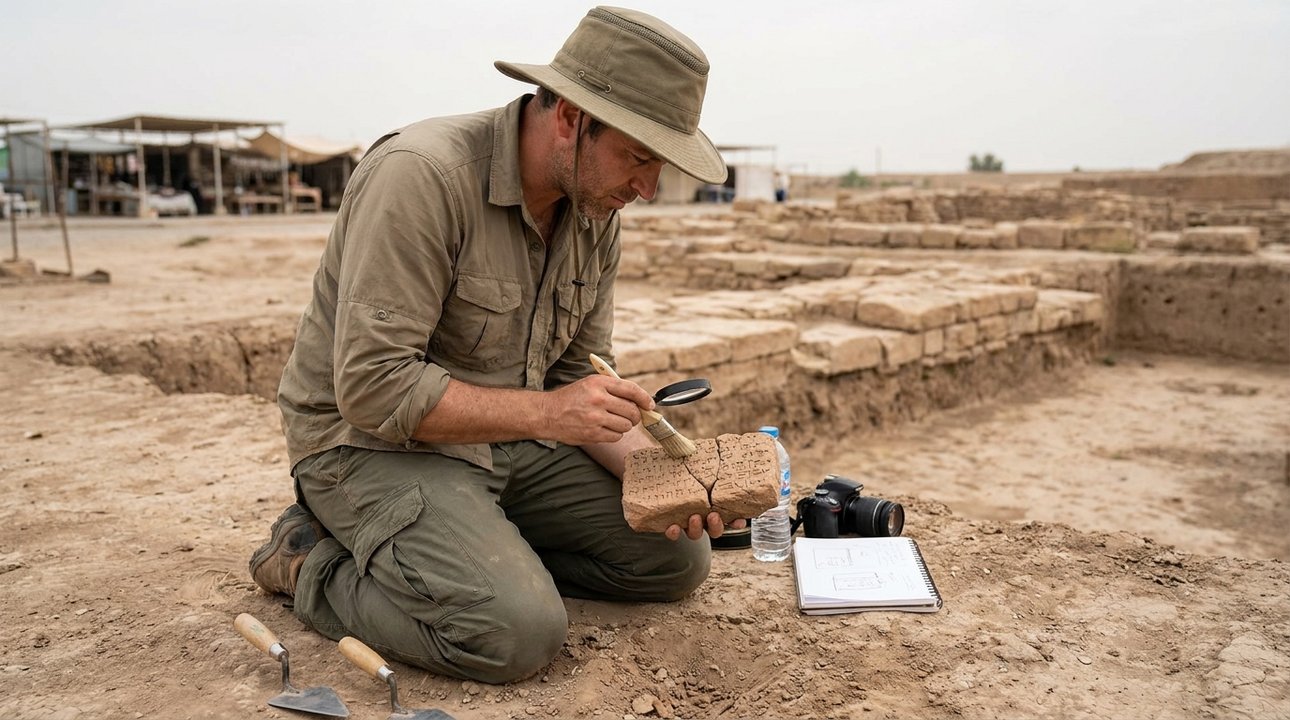
Where Did Jewish Communities Live in Antiquity?
Antiquity saw significant Jewish populations in Babylonia (modern Iraq), Alexandria in Egypt, and across the coastal cities of the Mediterranean by the Hellenistic period.
Babylonian communities centered on cities such as Babylon and Nippur became enduring centers of learning, visible in later rabbinic works attributed to academies in Sura and Pumbedita.
Alexandria hosted a large Jewish quarter and produced the Septuagint translation in the 3rd century BCE, a dated milestone tied to that city. Put simply, urban centers like Babylon and Alexandria were major seats of Jewish life outside the ancestral land in antiquity.
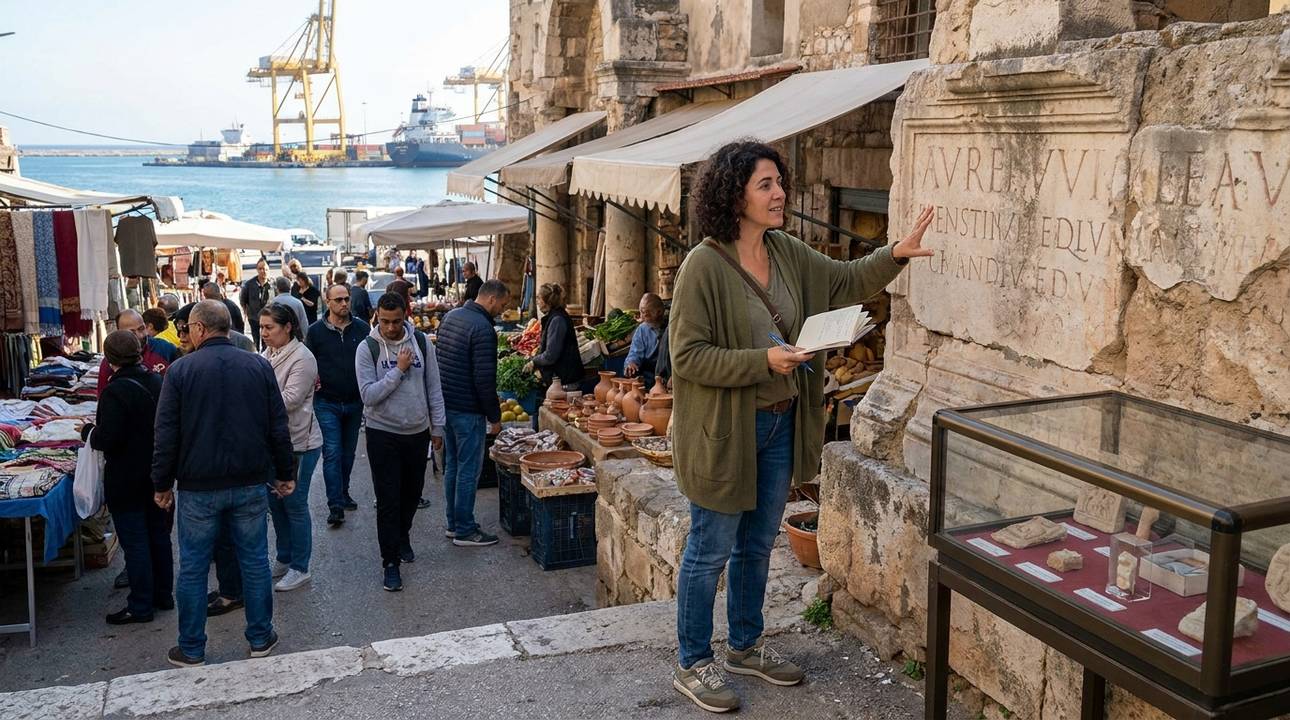
In the Roman Empire Jewish communities were present in Rome, Antioch, and across Asia Minor and North Africa, often concentrated in port cities with active trade.
Inscriptions and literary references show synagogues in cities like Rome by the 1st century CE and Jewish merchants in Carthage and Leptis Magna during the Roman period. These settlements formed networks that linked religious life with commerce and communal support across the Mediterranean basin.
Overall, diaspora Jews lived in named Roman cities such as Rome and Antioch, forming networks that combined religious and economic life.
How Did Jewish Life Change in the Diaspora?
Jewish communal structures adapted to life away from the central Temple: synagogues, local courts, and rabbinic leadership became central, as seen later in rabbinic texts tied to Babylonian academies.
The loss of central sacrificial worship after 70 CE prompted written law, liturgical prayer, and study as primary religious practices in cities like Sura and Pumbedita.
Languages shifted too: Jews used local tongues alongside Hebrew and Aramaic, creating distinct liturgical and daily-language traditions in different regions.
Therefore, institutions such as synagogues and academies, together with linguistic adaptation, defined Jewish communal life in diasporic settings like Babylonia.
Local customs influenced Jewish ritual and daily life, producing diverse minhagim (customs) in places such as medieval Spain and Baghdad, visible in legal responsa and liturgical variations.
Medieval documents, including community records and responsa from figures like the Geonim, record specific practices adapted to each city’s conditions, climate, or market rhythm.
Material culture – ketubot (marriage contracts), tombstone inscriptions, and synagogue floor plans – provide names and dates that anchor these changes in time and place.
Legal texts and material records from named communities therefore show how Jews modified practice to fit life in specific diasporic cities.
What Are Major Diaspora Communities Today?
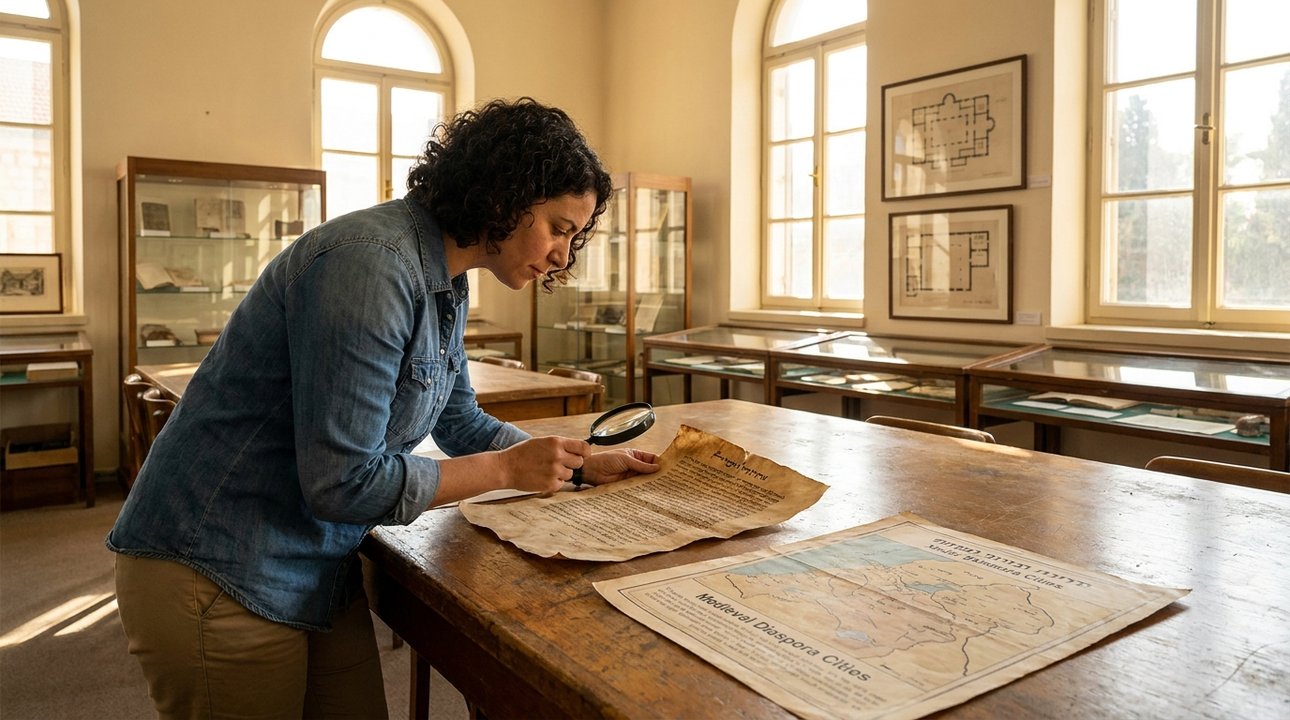
Major modern diaspora branches include Ashkenazi Jews of Central and Eastern Europe and Sephardic Jews of Iberia and the Mediterranean, with distinct histories tied to events like the 1492 expulsion from Spain.
Sephardic communities resettled in the Ottoman Empire, North Africa, and parts of Italy, while Ashkenazi communities established centers in Rhineland cities and later in Poland and Lithuania.
The 19th and 20th centuries added new diasporic patterns, including large Jewish migrations to the United States and Latin America, recorded in immigration documents and census statistics.
Thus, named groups like Ashkenazi and Sephardic represent regional branches formed by dated events such as the 1492 expulsions and later migrations to the Americas.
from the Western Wall to Masada.
Communities in North Africa, the Ottoman lands, and the Persian world maintained continuous presence into the modern era, with cities like Salonica (Thessaloniki) and Baghdad notable for their Jewish populations in the 19th and early 20th centuries.
Historical demography studies and consular reports from the 1800s record numbers and occupations that help trace these diasporic communities’ size and role in urban economies.
These records show how Jews worked as merchants, artisans, and professionals across named cities, contributing to local commerce and social life. Consequently, census and consular records name cities such as Salonica and Baghdad and provide dated data for modern diasporic communities.

How Did Language and Culture Evolve?
Languages in the diaspora mixed Hebrew and Aramaic with local tongues, producing Yiddish among Ashkenazim and Ladino among Sephardim, each tied to specific regions and dates.
Yiddish emerged in Central Europe by the medieval period as a Germanic language written in Hebrew script, while Ladino formed among Iberian Jews after migration to the Ottoman lands following 1492.
These languages carried religious texts, folk songs, and legal literature that preserved community memory and connected distant communities to named centers of learning.
Hence, Yiddish and Ladino illustrate linguistic adaptations tied to regions and events like medieval Central Europe and the 1492 Iberian expulsions.
Cultural exchange also included cuisine, dress, and music, with recipes and melodies documented in community cookbooks and recorded folklore from cities such as Salonica and Baghdad.
Material culture items – ketubot, prayer books, and synagogue art – show local artistic influences and provide dates and locations for comparative study.
Modern scholars use these artifacts and recorded testimonies from the 19th and 20th centuries to map cultural evolution across named diasporic communities. Consequently, food, music, and artifacts from places like Salonica and Baghdad offer concrete evidence of how culture changed and was preserved.
What Was the Role of Trade and Occupations?
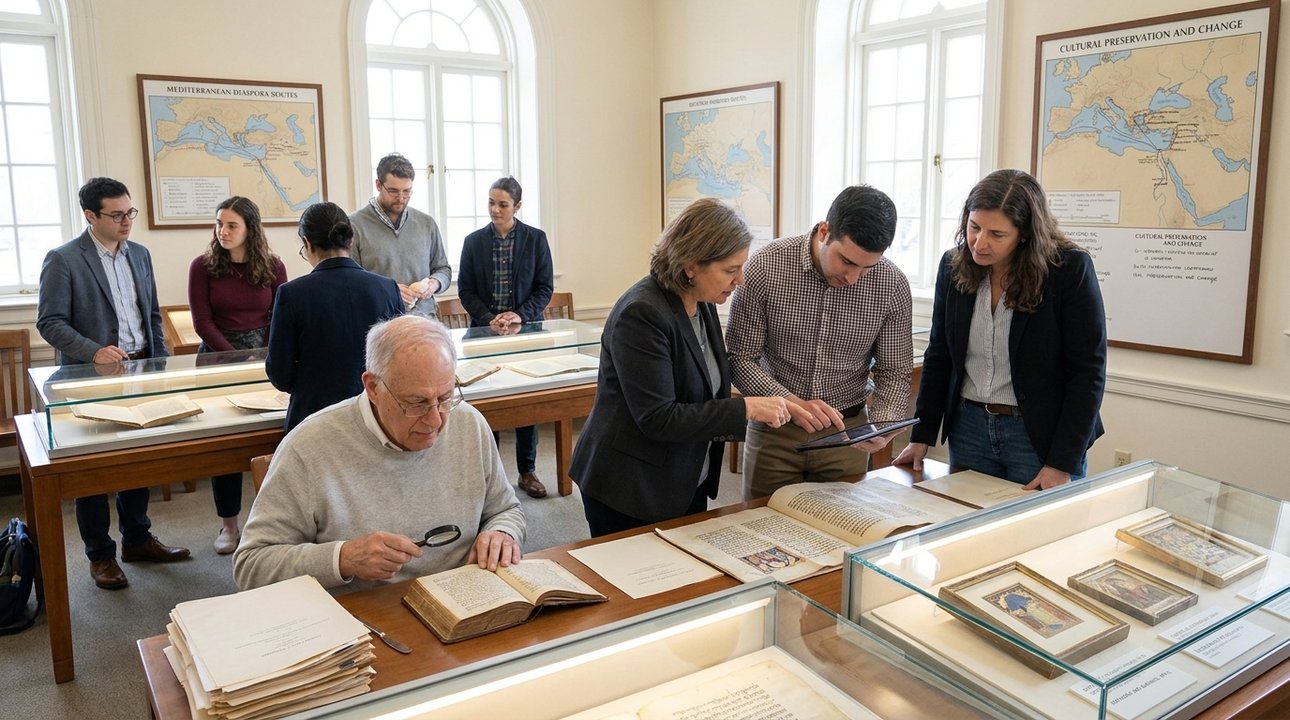
Trade was central to many diaspora communities: Jewish merchants connected Mediterranean ports like Alexandria and Tyre, and inland commercial routes to Mesopotamia and Persia.
Records from the medieval period list Jewish merchants in trade networks linking Venice, Cairo, and Baghdad, with named individuals appearing in contracts and tax registers.
Occupations included textile production, moneylending, and artisan crafts, each documented in guild or court records that historians use to date economic roles. Therefore, named trade centers such as Alexandria and Venice and documentary sources show the economic roles Jews held across the diaspora.
Economic specialization sometimes shaped communal law and social structure, as seen in responsa dealing with business disputes in medieval Spain and Ottoman lands.
Rabbinic responsa often address named trades, debt arrangements, and business partnerships, giving dated, practical insight into daily life and legal adaptations. These texts, preserved in libraries and archives, provide concrete names and dates that anchor economic history to specific communities.
Accordingly, responsa literature and tax records tie occupations to named cities and provide dated evidence of diasporic economic life.
How Did Religious Practice Adapt in the Diaspora?
Religious life in the diaspora turned from Temple rites to prayer, study, and local ritual leadership, with synagogues and communal courts becoming central institutions.
The shift accelerated after 70 CE and is visible in the growth of rabbinic literature and the establishment of academies in Babylonia, notably Sura and Pumbedita.
Liturgical variations and local customs developed, and responsa literature records legal decisions tied to named communities and practical circumstances. Consequently, synagogues, Babylonian academies, and responsa illustrate how practice adapted away from Temple-centered rituals toward community-based worship.
Community leaders and notable figures described in diaspora texts provided models for survival and community life in foreign courts, a point discussed in My Jewish Learning’s analysis of diaspora texts.
These stories were read and interpreted by diasporic communities to guide behavior, communal solidarity, and public representation in host societies.
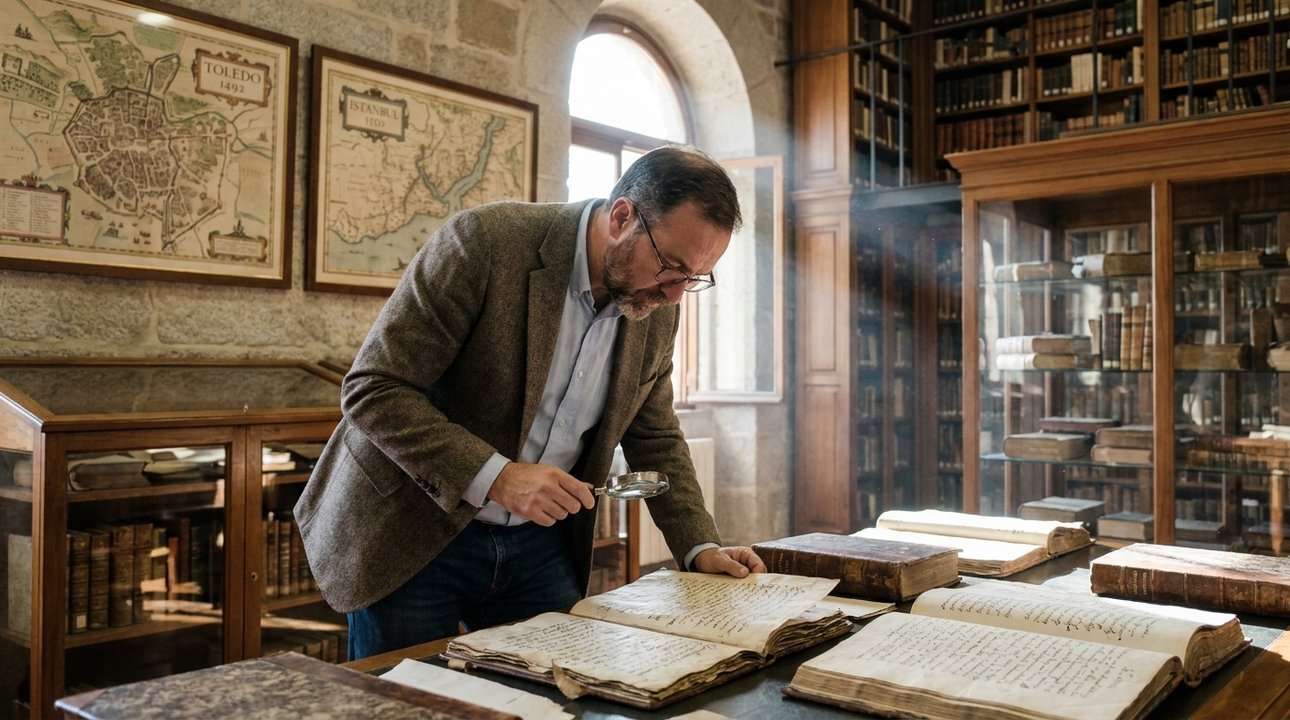
Manuscripts and liturgical poems (piyyutim) from named communities show how texts and stories were incorporated into local worship and education programs.
Consequently, diasporic communities used written narratives and local liturgy, anchored by named texts and manuscripts, to maintain religious identity.

How Does the Diaspora Relate to Israel Today?
The modern relationship between diaspora communities and Israel is complex and shaped by 19th-20th century events, migration, and new political realities in named years such as 1948.
Many Jews in the diaspora maintain cultural, familial, and religious ties to Israel while living in countries like the United States, Argentina, and France, with documented migration waves in the 20th century.
Organizations and businesses today link diasporic consumers with producers in Israel; for example, Lev Haolam helps people support Israeli small businesses by selling and shipping curated Israeli-made products.
Ultimately, historical ties and modern economic and cultural links connect diaspora communities to Israel, with organizations and migration patterns providing dated examples.
Understanding the diaspora matters for family history, liturgy, and cultural memory because surnames, prayer customs, and language traceable to cities such as Salonica, Baghdad, or Vilna carry dated clues.
Genealogists and historians use shipping records, census returns, and synagogue registries from the 19th and early 20th centuries to connect families to named towns and migration dates.
If you want to learn more or support living artisans in Israel, consider exploring Israeli-made gift boxes; Lev Haolam has shipped more than 1. 5 million boxes and has helped more than 90,000 people support Israeli families through product purchases.
Consequently, archival records and modern marketplaces both offer concrete ways to trace diasporic connections to named places and to support contemporary Israeli families.
Key Questions
