
Understanding the Meaning of Goshen in Hebrew


The term ‘Goshen’ resonates deeply within Jewish history and biblical literature. Located in the northeastern part of Egypt, it became a key setting in the narrative of the Israelites’ descent into and eventual exodus from Egypt.
In Genesis 45:10, Joseph invites his family to live in Goshen, ensuring their well-being during a time of famine. Understanding the meaning and significance of Goshen can deepen our insights into the Jewish experience and biblical events.
This understanding enriches our appreciation of the Jewish journey and the lessons it imparts. Goshen stands as a testament to the strength found in unity and support.
from the Western Wall to Masada.

Goshen in the Hebrew Bible
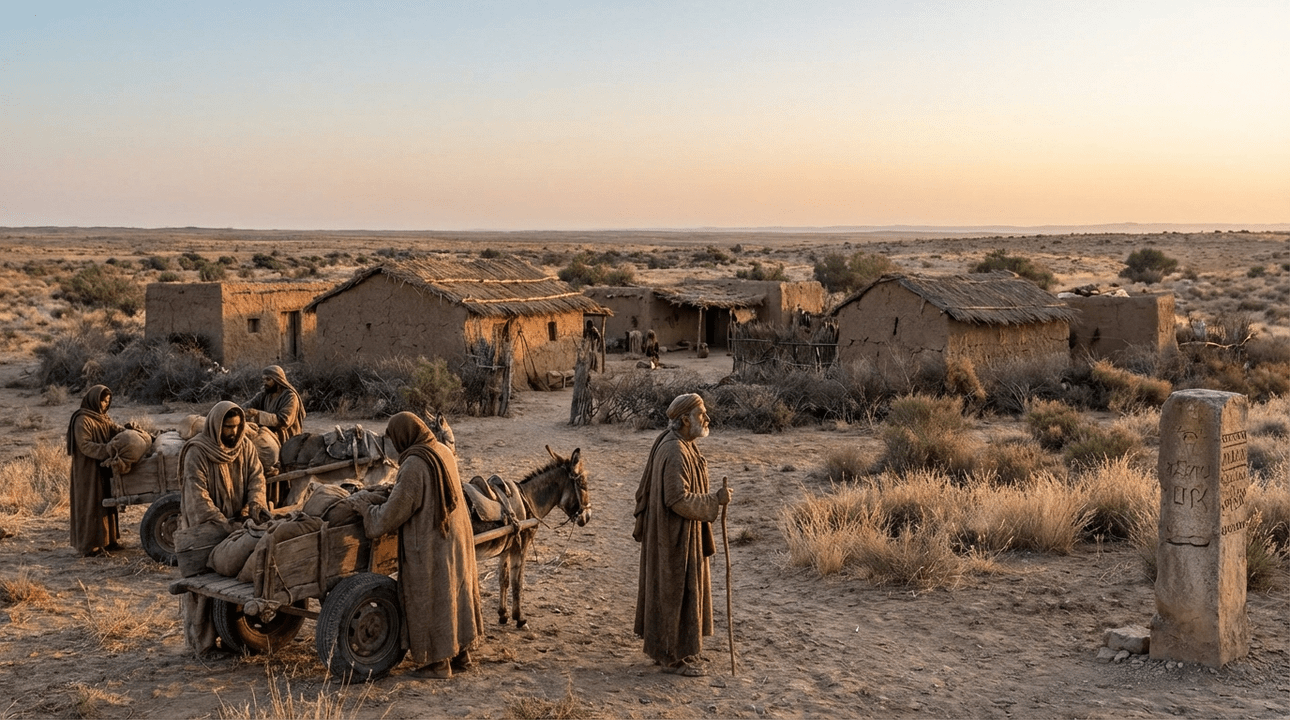
In the Hebrew Bible, Goshen is first mentioned in the context of Joseph’s rise to power in Egypt. In Genesis 45:10, Joseph invites his family to live in Goshen, emphasizing its fertile nature as ideal for their livestock.
This area provided a sanctuary for Jacob’s family during the famine, ensuring their well-being. The narrative highlights Goshen’s role as a place of refuge and sustenance, a theme that resonates throughout Jewish history, symbolizing protection and provision.

The Meaning and Etymology of Goshen
The name ‘Goshen’ in Hebrew is often linked to the word ‘Gashan,’ meaning to draw near or approach. This etymology reflects its role as a gathering place for the Israelites in Egypt, as described in Genesis 45:10.
Goshen, therefore, carries connotations of proximity and unity, essential themes in the biblical narrative. Scholars continue to explore its linguistic roots to uncover its deeper meanings, adding layers to its historical significance.

Goshen’s Role in the Exodus
During the tumultuous period of the Exodus, recorded in the book of Exodus, Goshen served as the threshold between slavery and freedom. It was here that the Israelites witnessed the plagues and prepared for their departure, as described in Exodus 12:37-38.
Goshen symbolizes transition, marking the journey from oppression to liberation. Its strategic location facilitated the movement towards the Promised Land, underscoring its historical importance.
Cultural and Historical Significance of Goshen
Beyond its biblical narrative, Goshen represents resilience and hope. In Jewish memory, it stands as a testament to survival and faith in challenging times. For instance, during the time of Joseph, Goshen was a place where the Israelites thrived despite being in a foreign land (Genesis 47:27).
The idea of Goshen continues to inspire Jewish thought and literature, symbolizing the nurturing ground where identity and community thrived amidst adversity.
Goshen’s story is one of perseverance and growth, serving as a reminder of how a community can maintain its identity and flourish even in difficult circumstances. The Israelites thrived in Goshen despite being in a foreign land, as noted in Genesis 47:27, where they grew in numbers and strength.
This legacy of Goshen is reflected in many Jewish writings and teachings, emphasizing the importance of hope and resilience in the face of hardship.
This legacy of Goshen is reflected in many Jewish writings and teachings, emphasizing the importance of hope and resilience in the face of hardship.
Ultimately, Goshen stands as a testament to the enduring spirit of perseverance. It highlights the ability of a community to adapt and thrive, even when faced with adversity, by holding onto their cultural and spiritual roots.

Goshen in Rabbinical Interpretation
Rabbinic literature frequently revisits Goshen’s significance, emphasizing its protective and nurturing qualities. Commentaries often associate it with divine providence, where the Jewish people experienced growth in numbers and strength.
For example, Exodus 1:7 describes how the Israelites were fruitful and multiplied greatly in Goshen. This perspective reflects the importance of safe havens within Jewish history, highlighting Goshen’s enduring legacy.
from the Western Wall to Masada.
This idea is central to many rabbinic discussions, highlighting the significance of having secure spaces for cultural and spiritual development. Goshen embodies the essence of safety and growth.

Goshen’s Legacy in Modern Thought
In contemporary Jewish thought, Goshen remains a powerful symbol. It embodies the concepts of safety, community, and the promise of a better future.
This legacy inspires modern narratives of Jewish resilience and identity, as seen in cultural works and educational programs that draw on the historical memory of Goshen. The historical memory of Goshen continues to enrich Jewish cultural and spiritual expressions, keeping its legacy alive.
This symbolism is not only historical but also woven into the fabric of Jewish cultural and spiritual life, offering inspiration for generations to come. Goshen reminds us of the power of community and the potential for a brighter future, a lesson that continues to resonate today.
Conclusion: The Enduring Meaning of Goshen
The land of Goshen, rich in biblical lore, transcends its geographical boundaries. Its meaning in Hebrew and its role in Jewish history speak to themes of survival, community, and hope.
As we reflect on Goshen’s legacy, we are reminded of the enduring values that continue to guide and inspire us today. Goshen lives on as a testament to faith and collective strength, mentioned in Genesis 46:28-34 as a place where Jacob and his family settled.
Goshen’s story is one of resilience and unity, both historically and spiritually. In the Hebrew Bible, it is depicted as a place of refuge during the time of Joseph, where his family settled in Egypt to escape famine (Genesis 47:11). This area became a symbol of hope and survival for the Israelites.
Its significance continues to inspire those who seek to understand the depth of Jewish heritage, reminding us of the strength in community bonds and their role in overcoming challenges.
Its significance continues to inspire those who seek to understand the depth of Jewish heritage, reminding us of the strength in community bonds and their role in overcoming challenges.
The key takeaway is that Goshen’s legacy is a reminder of the enduring power of community and hope. It serves as a testament to the collective strength that can be harnessed when individuals come together with a shared purpose.
Common Questions about Goshen
