
Experiencing the Essence of Jewish Breakfast Dishes
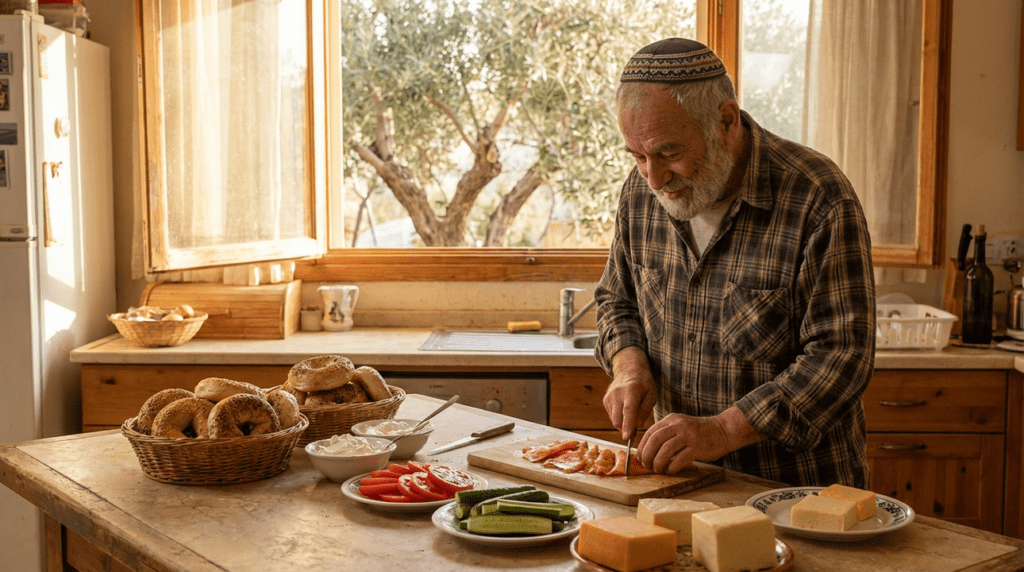

Jewish breakfast provides a delightful connection to the vibrant culture and history of Israel. Throughout centuries, these dishes have reflected the diverse influences and profound cultural experiences of the Jewish people, from the Middle Eastern hummus to the Eastern European blintzes.
Join us on a flavorful journey exploring traditional Jewish breakfast dishes that offer both sustenance and a sense of heritage. These meals not only nourish the body but also connect individuals to a rich tapestry of history and tradition.
In short, Jewish breakfasts are a celebration of the diverse cultural influences that have shaped Jewish cuisine, much like the festivals that bring communities together. They are a testament to the enduring spirit and resilience of the Jewish people, a spirit that continues to thrive in kitchens around the world.
The Significance of Breakfast in Jewish Culture
Breakfast in Jewish culture is more than just the first meal of the day. It represents a moment of gathering and reflection, much like the communal gatherings described in Nehemiah 8:1-3. Traditional Jewish breakfasts are filled with symbolic meanings and historical connections.
The dishes have evolved to reflect the community’s migration and cultural exchanges over time. From the simplicity of eggs to the diversity of pastries, each meal is a chapter of Jewish culinary history, akin to the diverse stories of the tribes of Israel.
Jewish breakfasts are a tapestry of tradition, migration, and cultural exchange. They offer a taste of history and a connection to the shared experiences of Jewish communities worldwide, much like the festivals that mark the Jewish calendar.
The Shabbat breakfast, for example, holds a special place in Jewish life. It is a time to pause and appreciate the blessings of the week past and the one ahead, as referenced in Genesis 2:2-3, where the seventh day is sanctified as a day of rest.
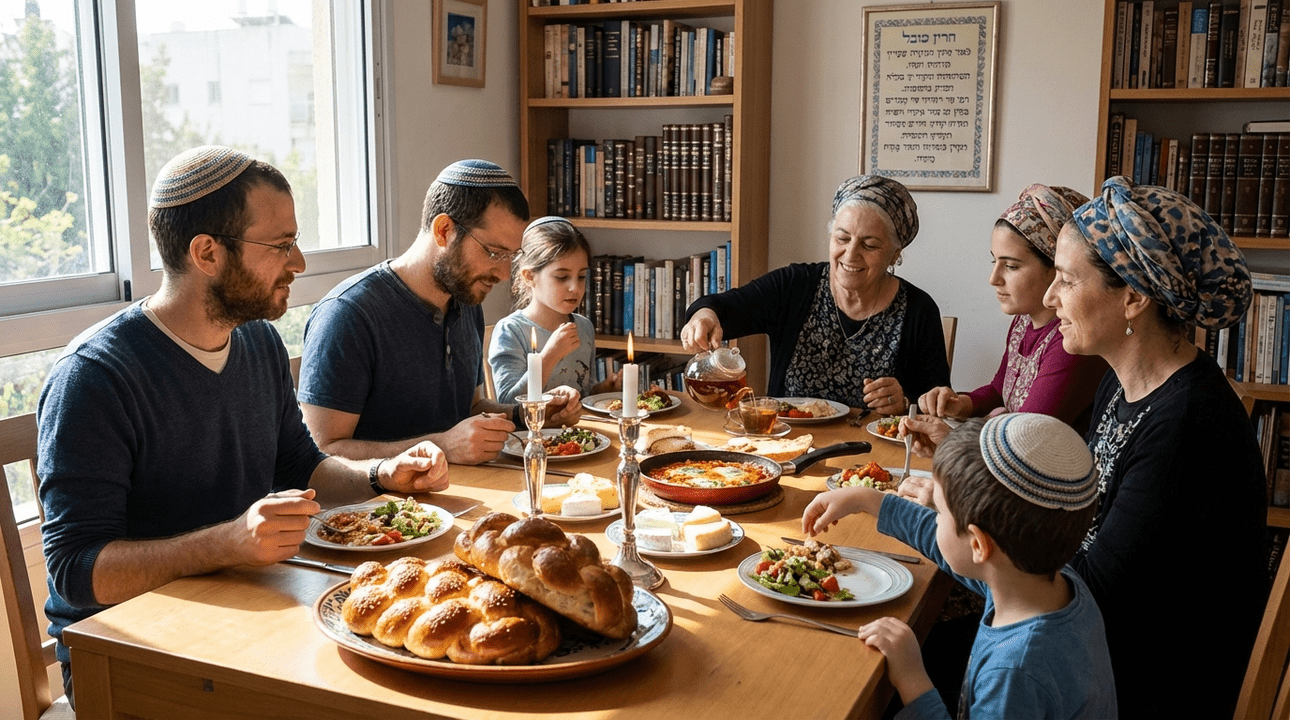
This meal often includes challah bread, a staple that is both spiritual and delicious. According to Britannica, challah is specially braided and holds significance during the Sabbath and other holidays, symbolizing unity and togetherness.
The braiding of challah reflects the interconnectedness of the Jewish community, much like the unity described in Psalm 133:1. The Shabbat breakfast is a celebration of rest, reflection, and community, a time to connect with family and tradition, much like the gatherings described in the Torah.
Eggs: A Versatile Breakfast Staple
Eggs play a central role in Jewish breakfasts worldwide. Whether scrambled, boiled, or made into an omelet, their versatility shines. Egg dishes are favored for their simplicity and ability to pair well with other foods, much like the versatile manna provided to the Israelites (Exodus 16:31). Chabad.
org notes the creative ways eggs are used in Jewish cooking to enhance meals and add variety. These creations are not only nourishing but also reflect the joy of culinary artistry, much like the joy described in the Psalms.
Eggs in Jewish breakfasts symbolize both simplicity and creativity, nourishing both body and spirit. They are a reminder of the adaptability and resourcefulness that have characterized Jewish cooking through the ages, much like the resourcefulness of Joseph in Egypt (Genesis 41:48-49).
One popular dish that stands out is shakshuka, a harmonious blend of eggs poached in a tomato sauce. Originating from North Africa, this dish has found a beloved place in Israeli breakfasts, particularly in Tel Aviv, known for its culinary diversity.
Tel Aviv, often called the ‘city that never sleeps’, is a melting pot of cultures, and shakshuka reflects this blend. Its spices and flavors make it a communal dish, often shared among friends and family, reminiscent of gatherings in the bustling markets of Jerusalem.
The history of shakshuka illustrates the blending of cultures within Jewish culinary traditions. It showcases the adaptability and openness to new influences, much like the story of Ruth, who embraced new customs (Ruth 1:16).
Shakshuka is more than a meal; it’s a symbol of cultural fusion and shared experiences, bringing people together over a delicious pot of simmering flavors.
The Art of Bread in Jewish Breakfast
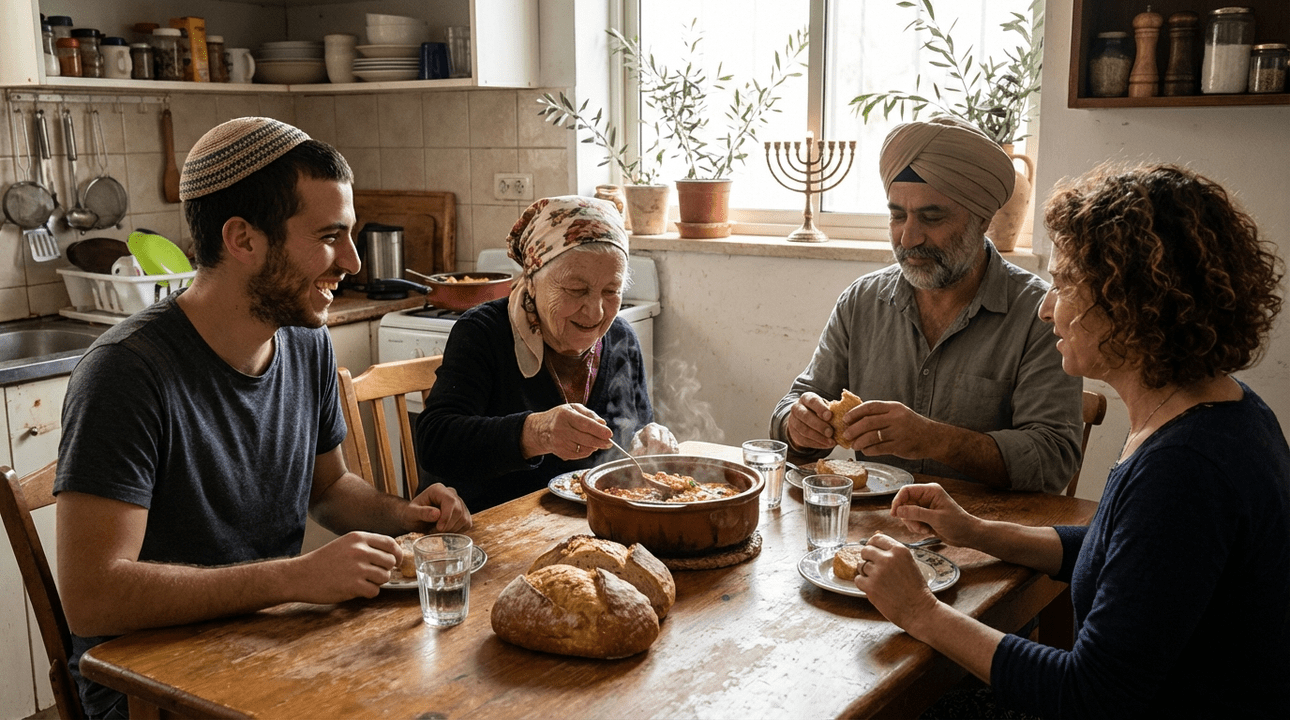
Bread is a fixture in Jewish meals, symbolizing nourishment and life. From the crusty bagels to the sweet-smelling challah, Jewish breads are filled with cultural significance. Bread, or ‘lechem’ in Hebrew, is not just food but a spiritual element in daily practice.
Challah, traditionally braided, is enjoyed during Shabbat, representing unity and community. As Chabad notes, bread’s spiritual role is profound, reflecting the sustenance provided by the land, much like the manna described in Exodus 16:31.
Each loaf and roll reflects the community’s history and faith, echoing the story of the Israelites’ journey through the desert. Bread is more than sustenance; it is a testament to the enduring spirit and faith of the Jewish people, a symbol of continuity and tradition that connects past and present.
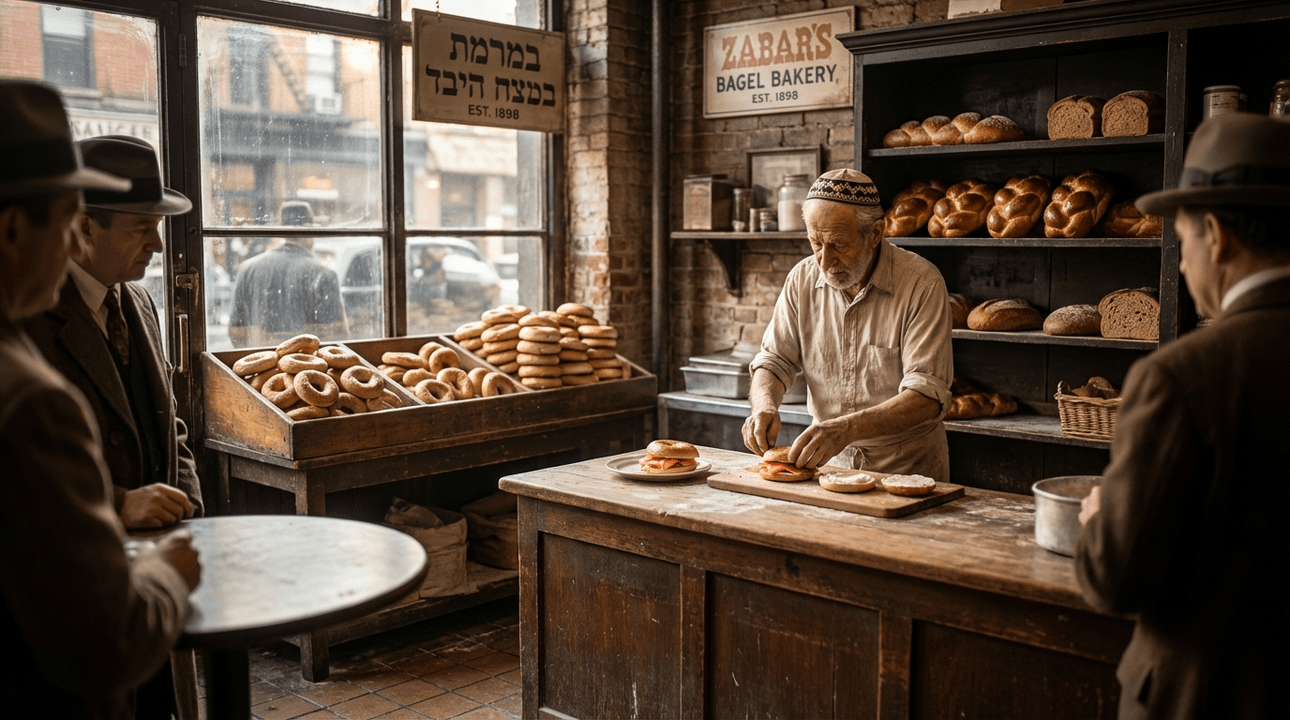
Bagels, now a favorite beyond Jewish communities, originated in Jewish kitchens in Eastern Europe, particularly in Poland. Their circular shape has become synonymous with celebrations and gatherings, symbolizing the cycle of life and eternity.
In Jewish tradition, circles often represent continuity and unity, as seen in the wedding ring. Often paired with lox and cream cheese, bagels tell a story of migration and adaptability, especially as Jewish immigrants brought them to America in the late 19th century.
This simple yet rich combination captures a slice of Jewish urban history, reflecting the adaptability of Jewish communities in new environments.
Dairy Delights: A Sweet Surprise
Dairy foods hold a charming place in Jewish breakfasts, offering sweet and savory delights. Cheese blintzes are beloved for their creamy filling and delicate texture, often enjoyed during Shavuot, a holiday that commemorates the giving of the Torah.
These crepe-like pastries often feature cottage cheese and are enjoyed during festive times, much like the offerings described in Leviticus 23:17. They represent the influence of Eastern European Jewish traditions in Israel’s culinary scene.
Reflecting the migration patterns and cultural exchanges that have shaped Jewish cuisine over centuries, dairy foods in Jewish breakfasts are a testament to the adaptability and creativity of Jewish cooking. These dishes are a celebration of tradition and innovation, much like the evolving story of the Jewish people.
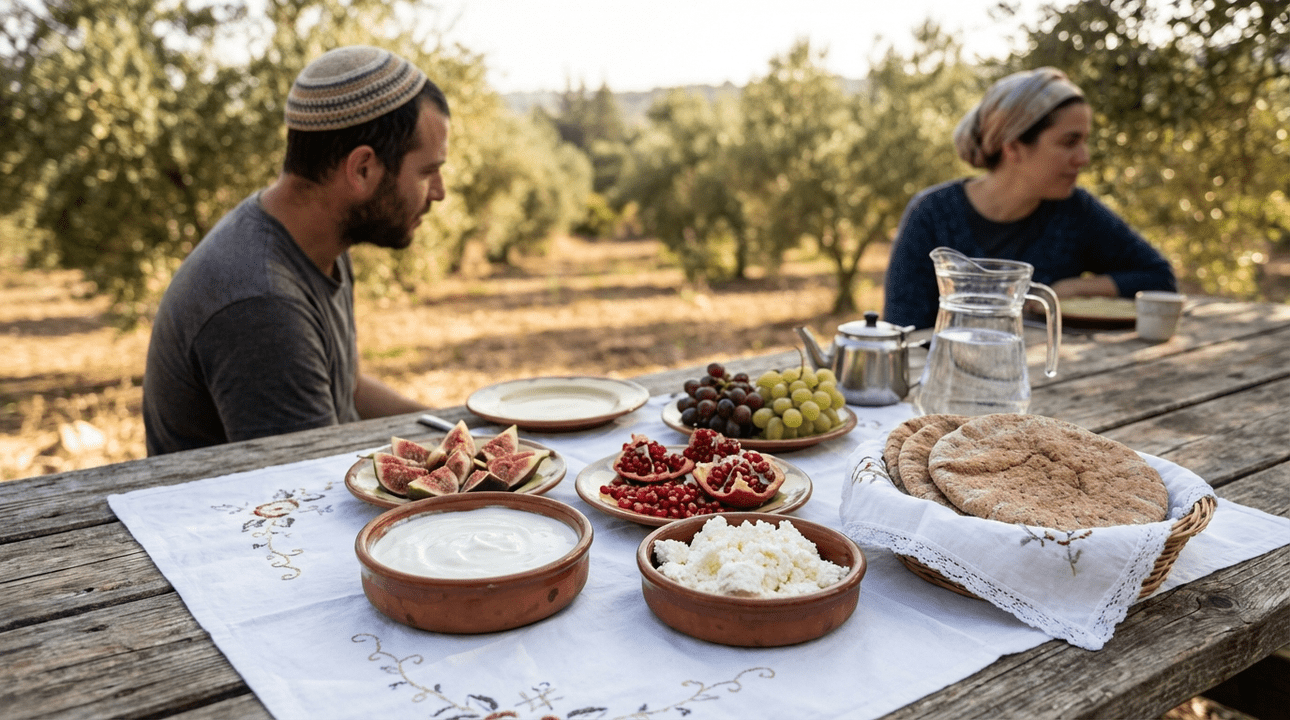
Additionally, yogurt and fresh cheeses are included in traditional spreads, often made from goat or sheep milk, which are staples in Mediterranean diets. These items pair with fruit and grains to create balanced, refreshing meals, offering a nutritious start to the day.
In biblical times, milk and honey were considered symbols of abundance, as mentioned in Exodus 3:8. This lightness contrasts with heavier foods associated with other meals, offering a moment of simplicity and calm.
The presence of dairy in breakfast echoes the agrarian roots of Jewish culture, where dairy farming was a common livelihood.
Fruits and Grains: Connecting to the Land
The integration of fruits and grains in Jewish breakfasts underscores a deep connection to the earth. Fresh produce, like dates and figs, serve as a reminder of Israel’s rich agricultural heritage, as mentioned in Deuteronomy 8:8, which lists these fruits as part of the bounty of the land.
These natural sweets are enjoyed alone or as part of a vibrant spread with grains and nuts, much like the offerings described in Leviticus 2:1-2. By including them, the breakfast invokes the sentiments and blessings of the land.
These meals celebrate the abundance and fertility of the region, much like the harvest festivals that mark the Jewish calendar. They are a testament to the enduring connection between the Jewish people and the land of Israel, a connection that has been nurtured through generations.
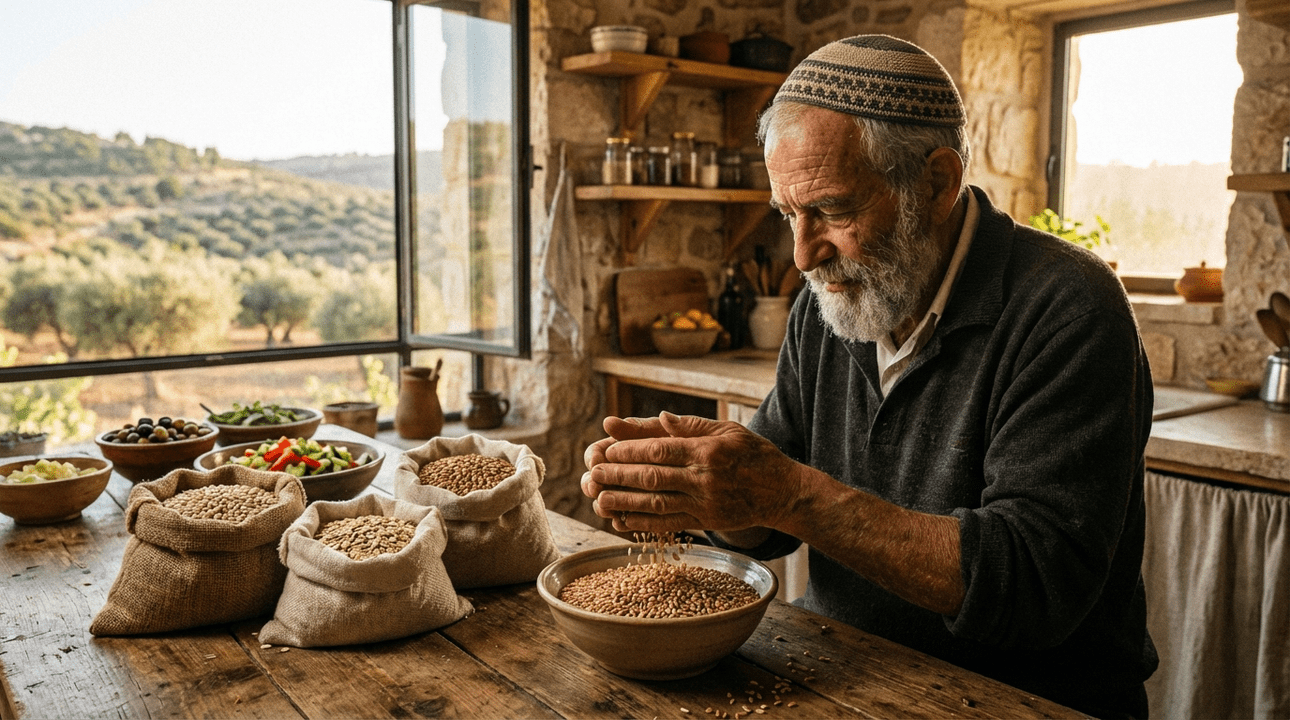
Oats and other grains are common ingredients, often turned into porridge or granola. These nutritional grains reflect the sustenance provided by the land and the age-old traditions of farming, much like the grain offerings described in Leviticus 2:1-2.
Eating grains for breakfast is rooted in ancient practices, often linked to biblical times, as seen in Ruth 2:14, where Ruth eats roasted grain. They provide a grounding effect, tying modern life back to the rhythms of nature.
The use of grains in breakfast highlights the connection to the earth and the cycles of planting and harvest, much like the agricultural festivals that mark the Jewish calendar. Grains in Jewish breakfasts are a symbol of continuity and sustenance, reflecting the enduring relationship between the Jewish people and the land.
Modern Influence and Global Fusion
Today’s Jewish breakfasts reflect a wonderful fusion of global flavors and traditional recipes. As communities evolved, new ingredients and techniques were embraced, such as the incorporation of avocados from the Americas and spices from Asia.
This evolution continues to shape Jewish cuisine, adding layers of texture and flavor while maintaining core cultural values. Yet, while incorporating new ideas, the core principles of community and heritage remain unwavering, much like the enduring traditions described in the Torah.
The communal aspect of sharing food is deeply rooted in Jewish tradition, fostering connections and continuity, much like the gatherings described in Nehemiah 8:1-3. Jewish breakfasts are a celebration of cultural diversity and unity, a reflection of the dynamic and ever-changing nature of Jewish life.
Avocado toast, for instance, has found a place alongside traditional dishes. This addition speaks to the adaptability and openness of Jewish culinary practices, much like the openness shown by Ruth when she embraced new customs (Ruth 1:16).
By blending the old with the new, these breakfasts continue to honor the past while looking toward the future. In this way, they celebrate both tradition and innovation, creating meals that nourish both body and spirit.
Ultimately, Jewish breakfasts embody a harmonious blend of history and modernity, much like the evolving story of the Jewish people themselves. They are a reflection of the dynamic and ever-changing nature of Jewish culture, a culture that embraces new influences while cherishing its roots.
In Short:
Jewish breakfasts offer a window into the vibrant tapestry of Jewish life. Each dish, from eggs to breads and dairy, tells a story of resilience and joy. By exploring these meals, one can gain a deeper appreciation of the heritage and cultural connections that thrive in today’s kitchens.
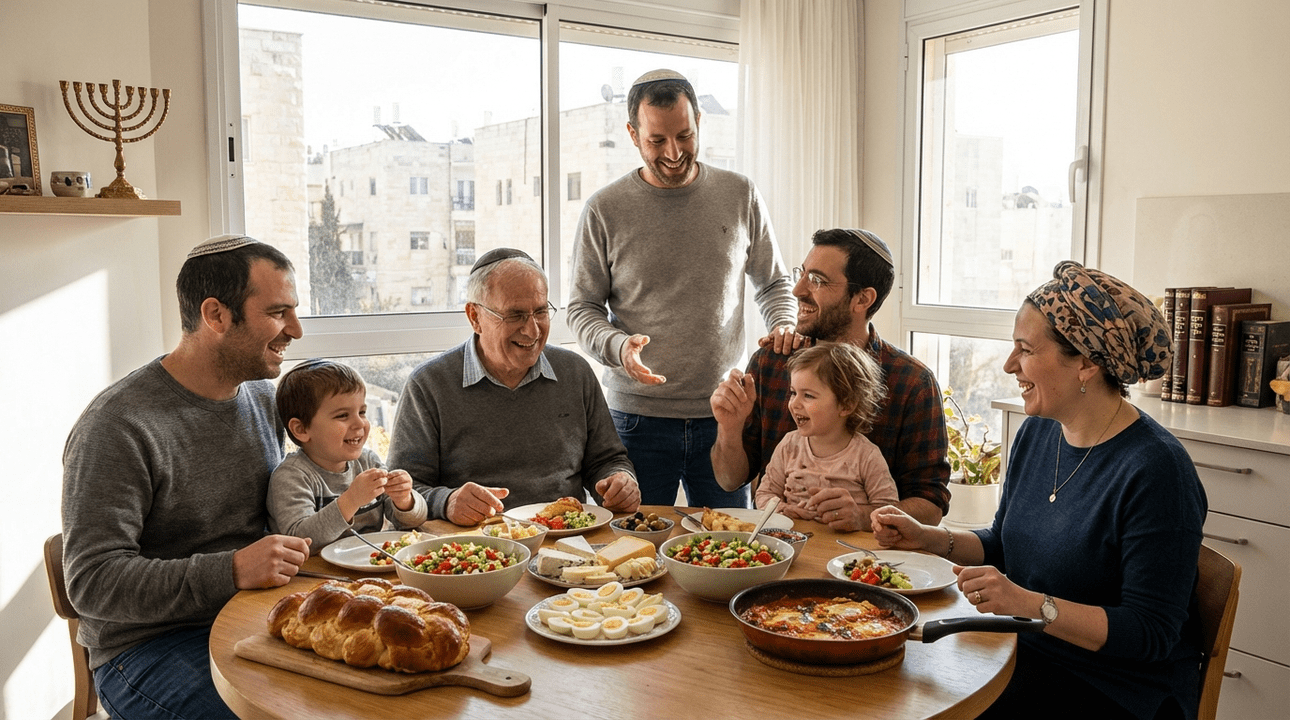
Enjoying a Jewish breakfast is more than just eating; it’s a celebration of centuries-old traditions and the memories they inspire. These meals are a celebration of history, community, and culinary artistry, much like the festivals that bring families together.
Understanding Jewish Breakfast
