
Understanding Language Use in Israel

Israel is a country rich in culture and history, with a vibrant blend of languages. Hebrew, the official language, has been central since the establishment of the State of Israel in 1948. Its revival is a remarkable story, with figures like Eliezer Ben-Yehuda playing a pivotal role. He is often called the “father of modern Hebrew” for his efforts to revive the language.
This article delves into the language dynamics of modern Israel, exploring the prevalence and relationship between Hebrew and English. English, widely spoken, acts as a bridge to the global community, enhancing Israel’s international ties.
The Status of Hebrew in Israel
Hebrew is the official language of Israel, serving as a unifying cultural and national identity symbol. It traces its origins to ancient biblical times. Revived in the late 19th century, it has become the principal language for daily communication, government, and education.
The revitalization effort was spearheaded by Eliezer Ben-Yehuda, who is often known as the father of modern Hebrew. From a historical perspective, Hebrew’s role as the national language reestablished a crucial cultural link for the Jewish people.
Today, Hebrew is spoken by over 80% of the Israeli population as their primary language.
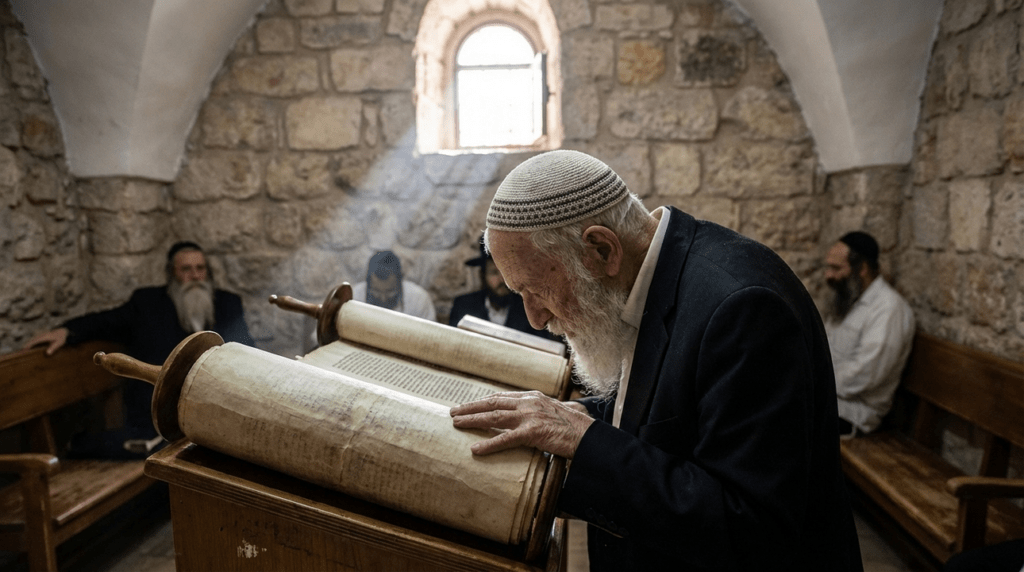
In educational settings, Hebrew dominates, providing a foundation for new generations to connect with their heritage. The language is also prominent in media, literature, and government. Hebrew, as seen in the Bible, is a language of profound historical significance. It is the language of the Torah, including books like Genesis and Exodus.
Furthermore, Hebrew not only serves practical purposes but also symbolizes resilience and continuity for the Jewish people. In terms of literature, Hebrew has a rich tradition, with modern authors contributing greatly to world literature. Notable authors like Amos Oz and David Grossman have gained international acclaim.
Hebrew’s role in education and culture underscores its importance as a symbol of Jewish continuity and identity.
Is English Widely Spoken in Israel?
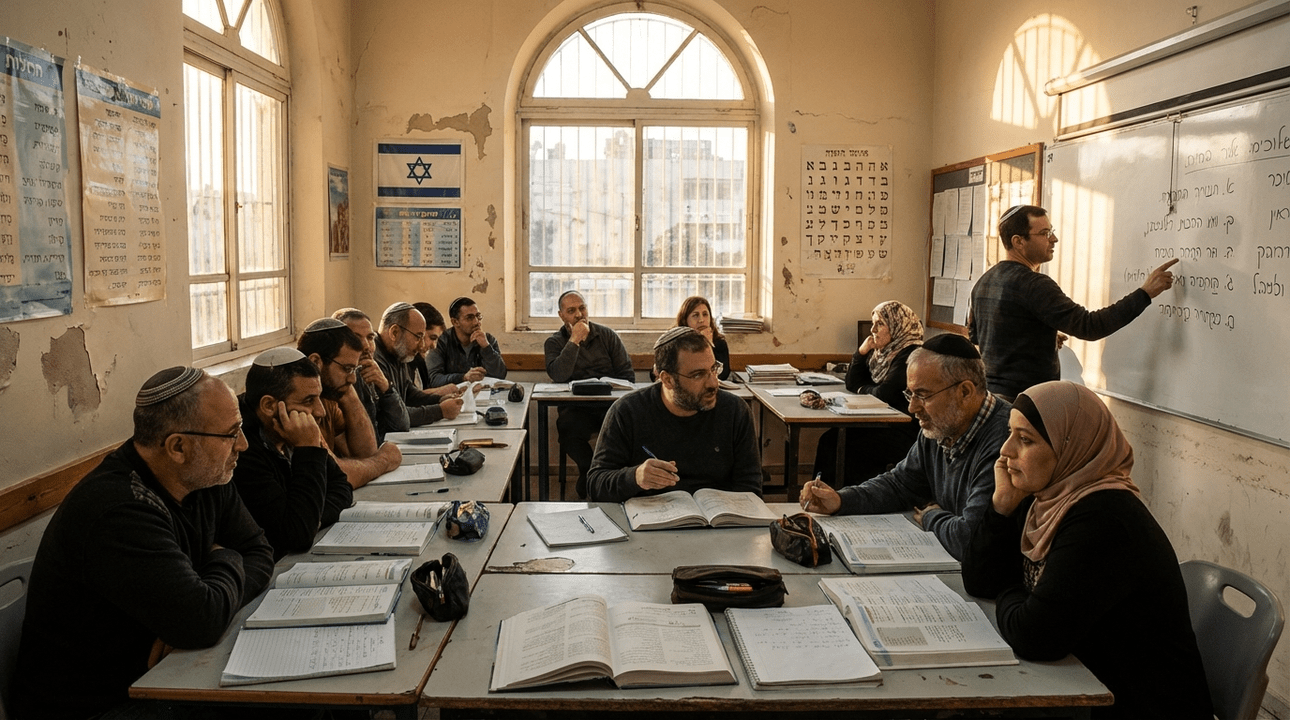
English plays a significant role in Israel, particularly in business and tourism. It is taught as a second language in schools, starting from the early grades. Many Israelis are bilingual, with approximately 85% possessing some level of proficiency in English. This statistic is supported by studies from the Central Bureau of Statistics in Israel.
English is present in road signs, public transport, and major media outlets, reflecting its importance in society. This presence makes Israel accessible to tourists and international business professionals. The widespread use of English facilitates globalization and international relations, enhancing Israel’s global presence.
Higher education often includes courses in English, particularly in technical fields and international studies. Universities like the Hebrew University of Jerusalem and Tel Aviv University offer numerous programs in English, attracting students worldwide. These institutions are ranked among the top in global academic circles.
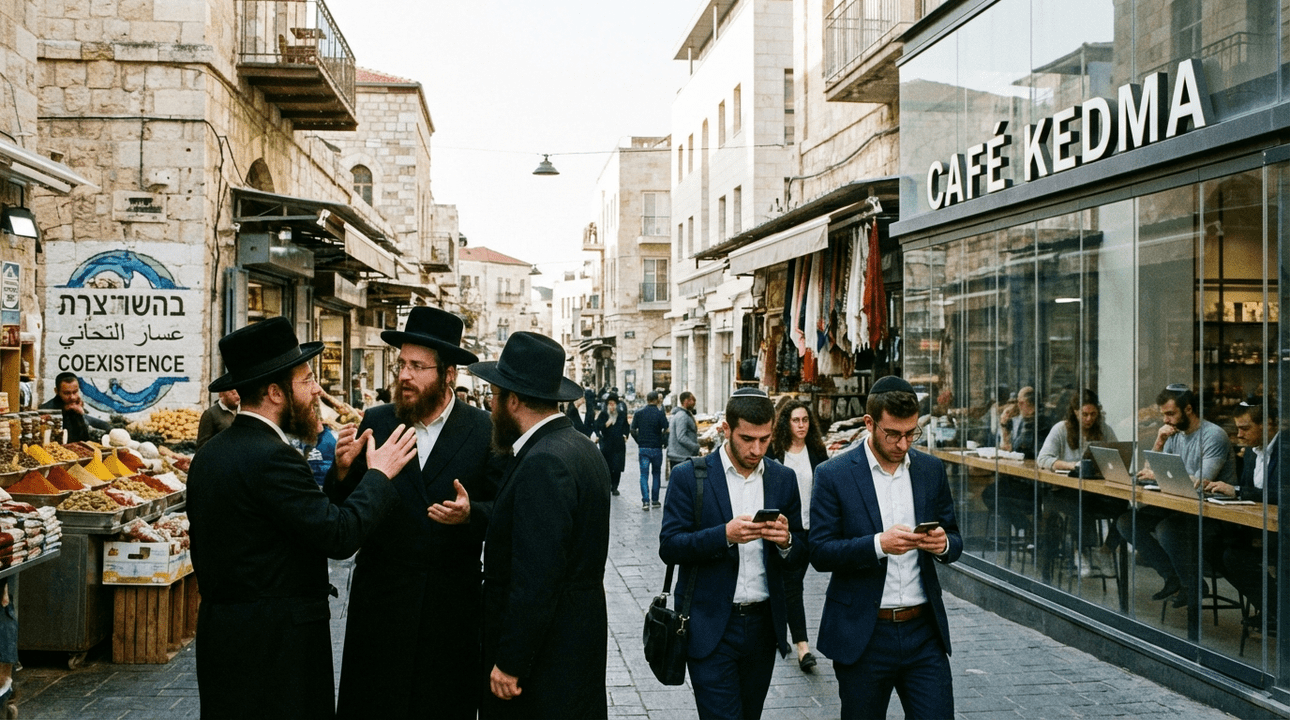
In major cities like Tel Aviv and Jerusalem, English is commonly used in restaurants, hotels, and shops. This familiarity aids in maintaining Israel’s position as a center of innovation and entrepreneurship. Even with a strong Hebrew identity, English serves as a crucial bridge to the global community.
English is integral to Israel’s education, business, and media sectors, supporting its global connections while Hebrew remains at the cultural core.
The Role of Other Languages in Israel
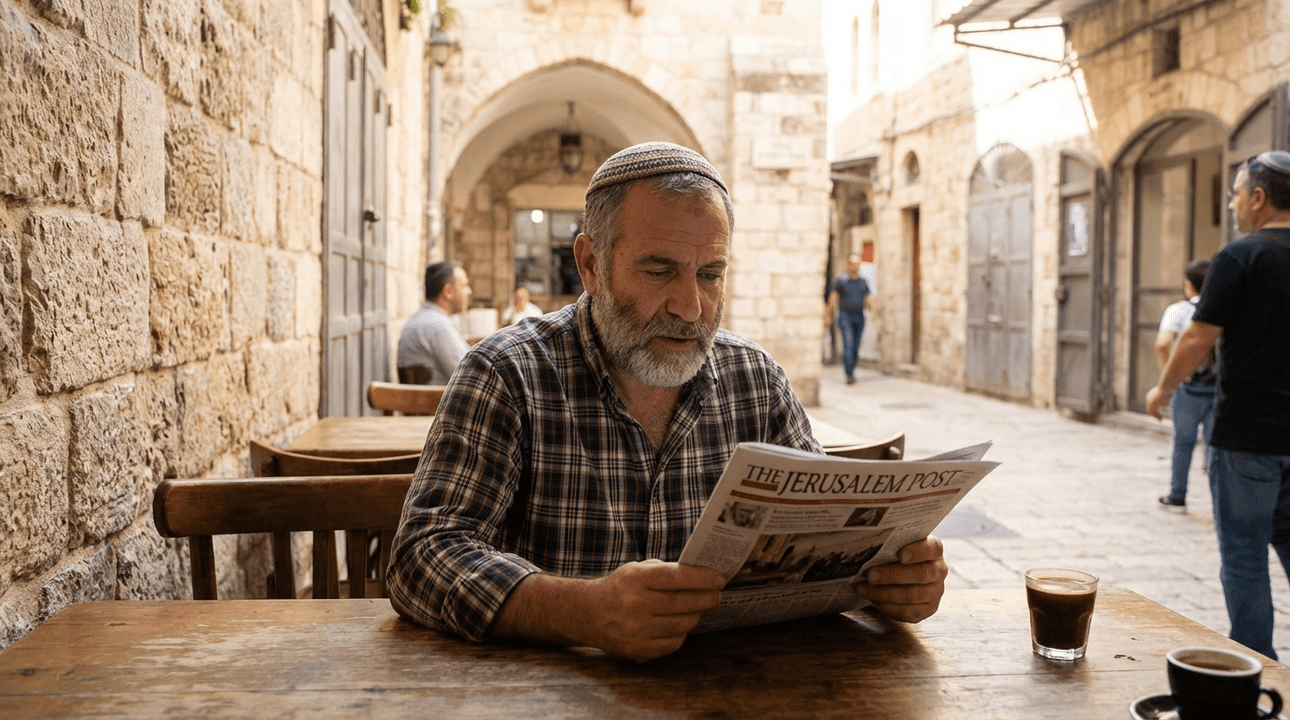
Apart from Hebrew and English, Israel is home to a mix of languages reflecting its diverse population. Arabic is also an official language and spoken primarily by Arab Israelis. This is evident in areas like East Jerusalem and the Galilee region.
Russian, French, and Spanish are spoken within their respective immigrant communities, adding to Israel’s linguistic mosaic. This diversity highlights Israel’s role as a melting pot of cultures, with different languages influencing its cultural and social landscapes.
Language diversity is seen in various cultural festivals and events, celebrating the unique heritage each community brings.
This multi-language environment supports Israel’s multicultural identity, providing enriching experiences for both residents and visitors. Efforts to preserve minority languages are visible through cultural programs and community centers across the nation. For example, the Yiddish language is kept alive through theater productions and literature.
These languages contribute to the richness of Israeli music, arts, and cuisine. In international diplomacy, these linguistic skills serve as tremendous assets. The language policy in Israel embodies tolerance and coexistence among different groups, standing as a reflection of its societal values.
Hebrew and English in Israeli Media
Hebrew is the dominant language in local news and entertainment, featuring prominently in television and radio broadcasts. However, English-language media outlets cater to expatriates and international audiences, ensuring diverse perspectives. Channels like i24NEWS and the Times of Israel play key roles in this.
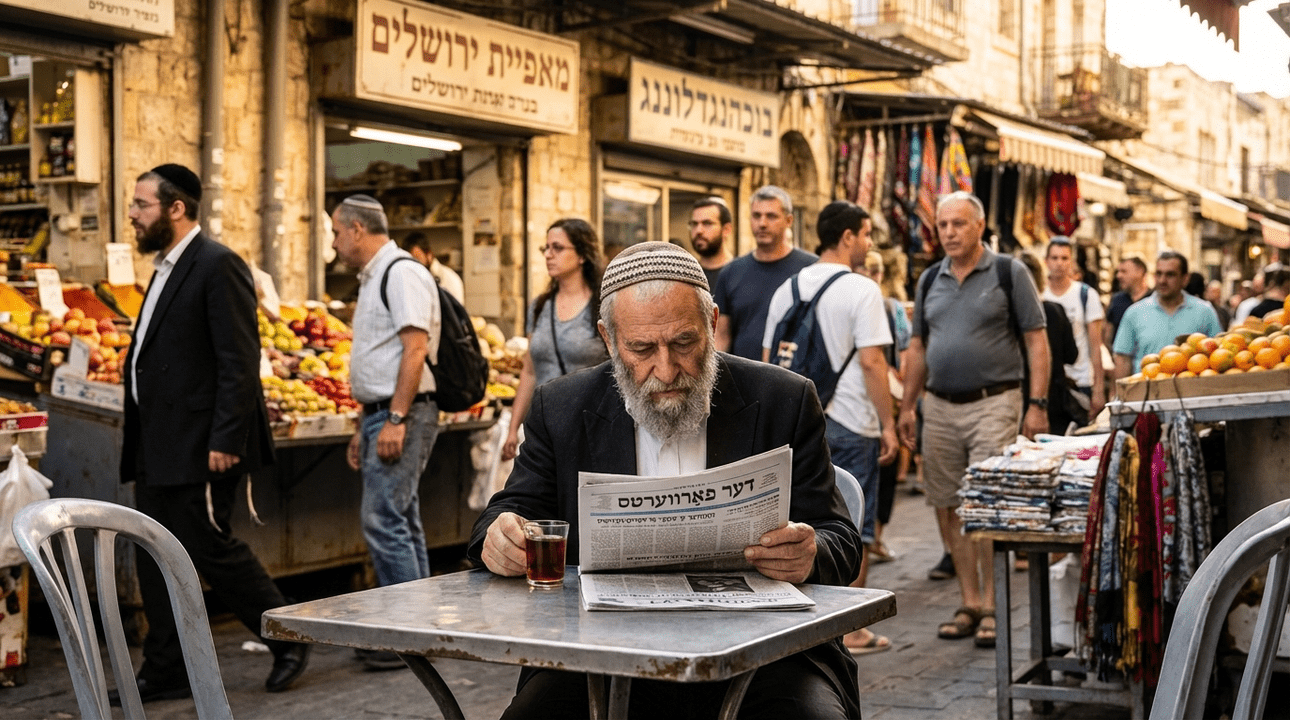
Major newspapers, such as ‘The Jerusalem Post,’ provide Israeli news in English, enhancing accessibility. Television channels also broadcast international content, with English subtitles or dubbing, catering to diverse preferences.
These platforms offer insights into Israeli society while engaging global audiences, reflecting Israel’s dynamic media landscape.
The versatility of media presents Israel as an open and connected society, where information flows freely. The presence of multiple languages in media reflects the country’s openness to various cultures and ideas. For example, the newspaper Haaretz offers editions in Hebrew, English, and Arabic.
Online platforms and social media further expand the reach of news and entertainment, bridging language gaps. English-speaking audiences can fully engage with Israeli content, strengthening international ties. This diversity in media ensures that Israel’s stories and perspectives reach a global audience.
Israel’s media landscape is a testament to its cultural openness and global engagement, with language playing a key role in connecting diverse audiences.

Future Trends in Language Use in Israel
As technology and globalization continue to evolve, language use in Israel is expected to adapt. English’s relevance might grow with increasing international collaborations and digital innovations. For instance, Israel’s tech sector, often called “Silicon Wadi,” relies heavily on English for coding and global partnerships.
Programs promoting Hebrew ensure that it remains central to Israeli identity and culture. Language education will likely expand, embracing additional languages to meet global demands. In particular, coding languages play a crucial role in Israel’s technology sector, highlighting the diverse future of language skills.
Israel’s educational system emphasizes multilingual capabilities, preparing future generations for global interaction. Cultural exchanges and tourism will bolster the role of English as a means of communication. Programs like Masa Israel Journey encourage young adults worldwide to experience Israeli culture firsthand.
While maintaining its Hebrew roots, Israel continues to embrace linguistic diversity, fostering unity and understanding. Language policies will need to adapt to new realities, integrating technology and changing demographics. This adaptability ensures that Israel remains at the forefront of global communication.
Israel’s linguistic landscape is a testament to its adaptability and cultural richness, supporting both heritage and modernity.
Common Language Questions
