Understanding the Egyptian Enslavement of the Hebrews
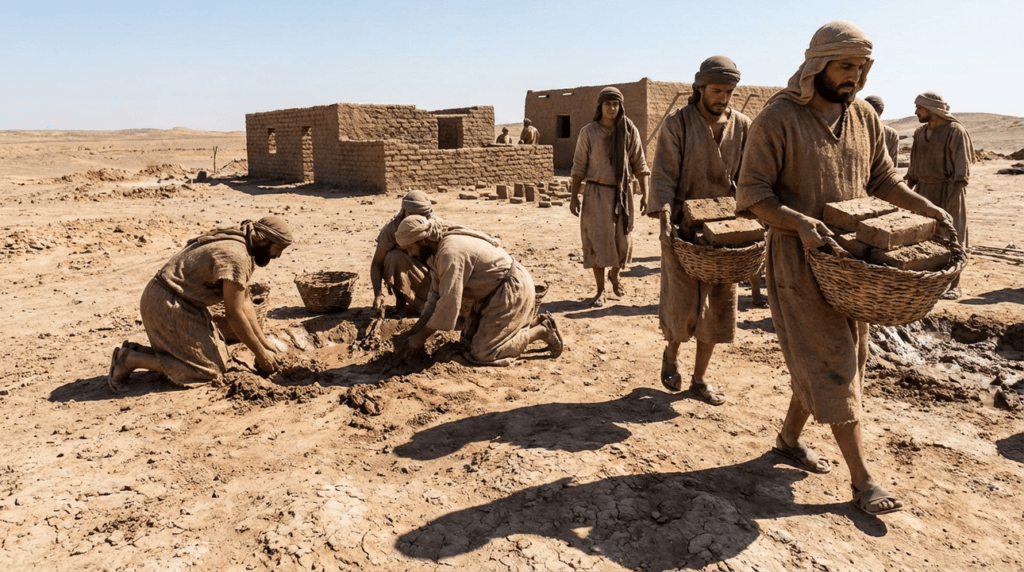

The enslavement of the Hebrews by the Egyptians is a pivotal event in history.
It is central to Jewish cultural memory and raises many questions about human resilience and the power of faith. This event is documented in the Book of Exodus, where the plight of the Hebrews is described in detail. The story begins with the arrival of Jacob’s family in Egypt, as noted in Genesis 46:27, and unfolds over several generations.
This article aims to explore the reasons behind this enslavement and the historical context that led to it.
The Egyptian empire during this period was a dominant force in the ancient world, renowned for its architectural achievements and complex society. However, the Hebrews’ increasing numbers, as mentioned in Exodus 1:7, posed a perceived threat to Egyptian stability. This growth worried the Egyptians, leading to policies aimed at controlling the Hebrew population.
The Hebrews’ enslavement is not just a historical event but a narrative rich with lessons on endurance and faith, deeply embedded in Jewish identity. It reflects the tensions between power and fear, and the resilience of a people determined to maintain their identity.
Who Were the Egyptians Enslaving?
The Hebrews, as described in the Bible, were descendants of Abraham, a patriarch whose story is foundational in Jewish tradition. They moved to Egypt during a famine, a journey led by Joseph, who had risen to a position of power in the Egyptian court. Joseph’s journey from prisoner to Pharaoh’s advisor is detailed in Genesis 41:41-43. Here, he becomes second only to Pharaoh, demonstrating his influence and the trust placed in him by the Egyptian ruler.
The term ‘Hebrews’ may have been used to describe a broader group of Semitic peoples, possibly including those referred to as ‘Hapiru’ in ancient texts. This term appears in various historical documents, suggesting a connection between the biblical Hebrews and other Semitic groups in the region. The Hebrews’ presence in Egypt is a blend of biblical narrative and historical context, highlighting their significant role in ancient times.
Scholars have linked the Hebrews to the ‘Hapiru,’ a social class referenced in ancient texts. Their existence is supported by various historical documents, including the Amarna letters, which mention the ‘Hapiru’ as a group causing unrest in the region. These letters, dating back to the 14th century BCE, provide insight into the social dynamics of the time.
The Hebrews, linked to the ‘Hapiru,’ were a significant Semitic group in ancient Egypt, their story rooted in both biblical narrative and historical records. This connection highlights the complex interplay between historical evidence and biblical tradition.
Why Did the Egyptians Enslave the Hebrews?
The Egyptians feared the growing population and influence of the Hebrews in their land. According to Exodus 1:8-10, a new king who did not know Joseph arose in Egypt. He worried that the Hebrews might join Egypt’s enemies during a conflict. This fear drove the Egyptians to oppress and enslave the Hebrews to control them.
Pharaoh’s oppressive policies included harsh labor and infanticide, as seen in Exodus 1:15-16, which aimed to curb their growth. These measures reflect the extent of Egyptian anxiety over the Hebrews’ potential power.
The Hebrews’ rapid population growth is highlighted in Exodus 1:12, which states that the more they were oppressed, the more they multiplied. This paradox only intensified Egyptian fears, leading to even stricter measures. The Egyptians worried that the Hebrews might align with their enemies, a fear that drove them to impose harsh conditions on the Hebrew population.
The Egyptians’ fear of the Hebrews’ potential alliance with enemies led to their harsh enslavement, a decision fueled by political insecurity and demographic concerns. This fear, coupled with the Hebrews’ resilience, set the stage for a complex relationship between the two groups.
The Role of Labor and Economy
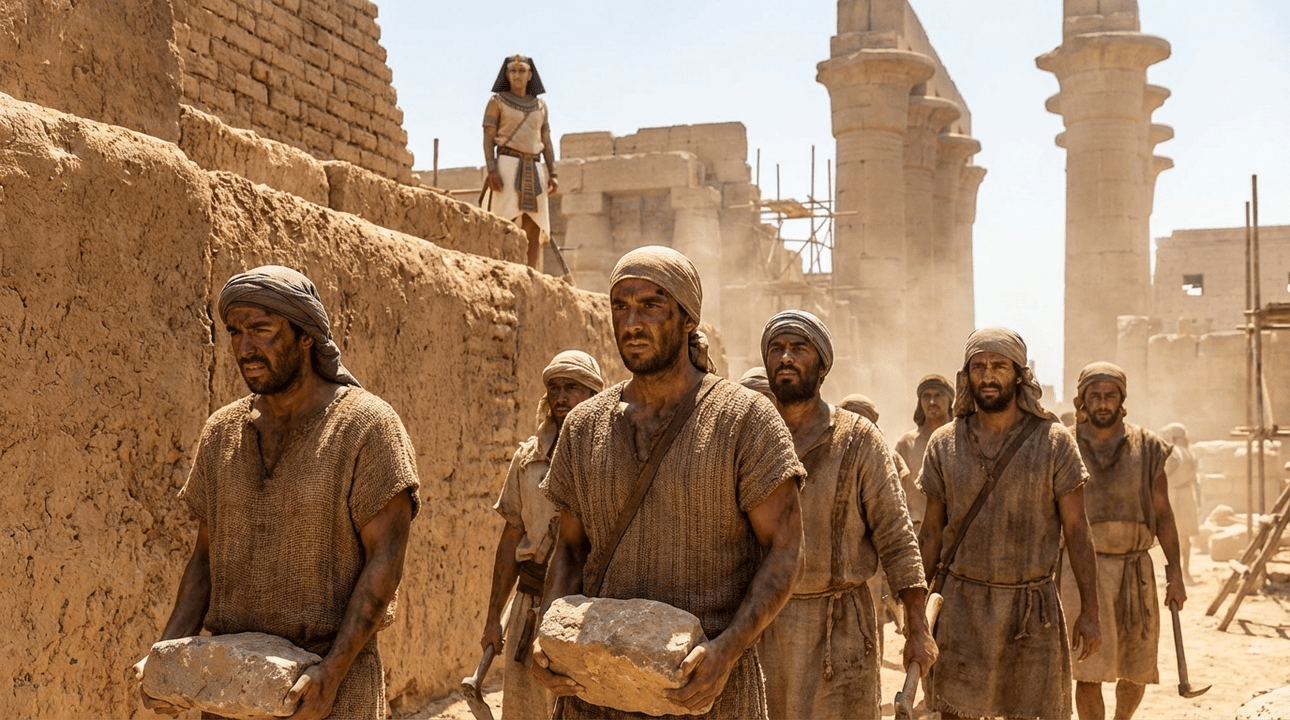
The Egyptians utilized the Hebrews as a labor force to construct cities such as Pithom and Rameses. These cities were critical for storing surplus grain, as indicated in Exodus 1:11. This labor also strengthened Egypt’s economy and infrastructure.
The work was severe and oppressive, reflecting the harshness of their enslavement. Many of these projects were physically demanding and symbolized the control Egypt had over the Hebrews. The construction of these cities was a testament to the Hebrews’ resilience and endurance under oppressive conditions.
Cultural and Religious Implications
The Hebrews’ slavery in Egypt had profound implications on their cultural and spiritual identity. It influenced their collective memory and became a central theme in Jewish teachings and holidays like Passover. The faith and resilience they cultivated during this time continue to inspire generations.
The Exodus narrative remains a story of hope, liberation, and redemption. It serves as a moral lesson against oppression and a reminder of divine justice. The story is a testament to the enduring spirit of the Jewish people and their unwavering commitment to freedom.

Historical Accounts and Evidence
While the Bible provides a narrative of the enslavement, historians also search for archaeological and historical evidence. Although direct evidence of Hebrew slavery in Egypt is scarce, the broader socio-political context is well-documented.
Texts like the Amarna Letters discuss the presence of the Hapiru as a social class or group within ancient civilizations. These discoveries offer insights into the complex relations between Egyptians and Semitic peoples.
They also highlight the intersection of historical fact and religious narrative in understanding this period.
Impact on Modern Jewish Identity
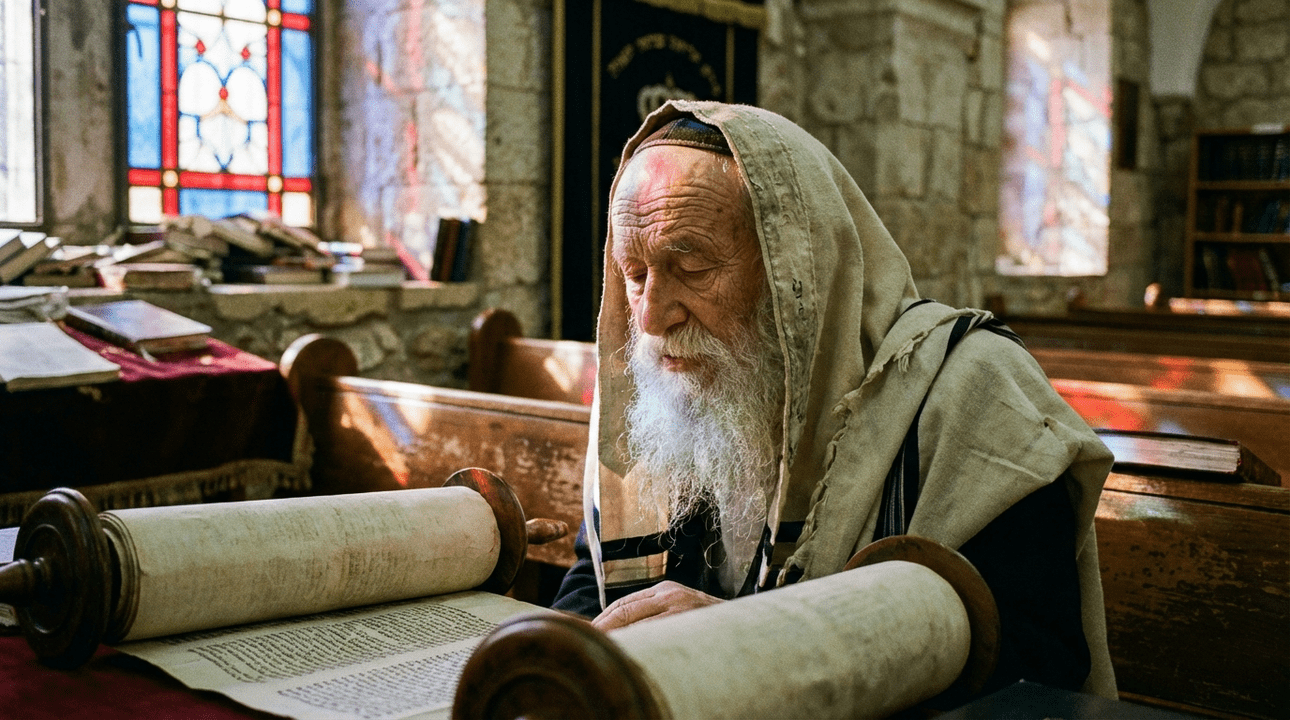
The story of slavery and liberation is central to Jewish identity and consciousness, deeply embedded in cultural memory. It inspires annual rituals and prayers, keeping the memory and lessons of the past alive. Celebrations like Passover emphasize themes of freedom and gratitude, commemorating the Hebrews’ escape from bondage. During Passover, the Haggadah is read, recounting the Exodus story and reinforcing the importance of remembering and retelling this pivotal event.
This tradition serves not only as a reminder of past struggles but also as a celebration of resilience and faith. The Exodus narrative, as described in Exodus 12:14-17, is a cornerstone of Jewish heritage, teaching lessons of perseverance and divine justice. The Exodus story is a powerful reminder of the enduring spirit of the Jewish people, celebrated through rituals that connect past and present.
These stories uphold the enduring bond between Jewish people and their historical journey. They foster a sense of unity and shared heritage. The rituals associated with these stories, such as the Seder meal, provide a tangible connection to the past, allowing each generation to relive the journey from slavery to freedom.
The story of the Exodus is a cornerstone of Jewish identity, celebrated through rituals that reinforce community and historical continuity.

Sources of Strength During Enslavement
Faith played a critical role during this period of hardship. The Hebrew belief in divine justice and eventual liberation provided hope. Their leaders, such as Moses, emerged as figures of courage and deliverance. Moses, who was raised in Pharaoh’s palace, later became a central figure in leading the Hebrews to freedom, as described in Exodus 3:10.
Spiritual practices kept the community cohesive even in dire circumstances. The Hebrews’ faith was a source of strength, enabling them to endure and eventually overcome their oppression.
The Hebrews’ faith was not just a passive hope but an active force that inspired resistance and unity. Practices such as the observance of the Sabbath, mentioned in Exodus 20:8-11, provided a weekly reminder of their covenant and identity. This observance was a form of spiritual resistance, maintaining their cultural and religious identity under oppressive conditions.
Faith, embodied by leaders like Moses and sustained through spiritual practices, was a cornerstone of the Hebrews’ resilience and unity during enslavement. Their spiritual commitment was a source of strength and cohesion, enabling them to endure hardships.
The Exodus: A Legacy of Freedom
The Exodus stands as a timeless symbol of liberation for the Jewish people, underscoring themes of hope, resilience, and divine justice. It inspires not only Jews but also other cultures seeking freedom and justice. The narrative has transcended its origins to become a universal tale of courage. The story is commemorated annually during Passover, which celebrates the Hebrews’ liberation from bondage, as detailed in Exodus 12:17.
This celebration is a testament to the enduring spirit of a people who overcame adversity through faith and unity. The Exodus narrative is a beacon of hope, reminding us of the power of resilience and the pursuit of justice.
The Exodus narrative is not just a historical account but a source of inspiration for movements seeking justice and equality. Martin Luther King Jr. famously referenced the Exodus in his speeches, drawing parallels between the Hebrews’ journey and the civil rights movement. His ‘I Have a Dream’ speech echoes the themes of liberation and justice found in the Exodus story.
The Exodus narrative continues to inspire modern discussions on freedom, serving as a beacon of hope and a call to action for justice. It remains a powerful symbol for those fighting against oppression and inequality.
Understanding Enslavement