
Exploring the Significance of the Biblical Plagues


The ten biblical plagues hold a pivotal place in religious history, serving as both a dramatic narrative and a profound lesson. Recounted in the Book of Exodus, these plagues illustrate themes of power, endurance, and faith.
In this article, we will delve into each plague, exploring its historical and cultural significance, and how these events have shaped the collective memory and identity of the Jewish people.
The biblical plagues, as documented in the Book of Exodus, are a cornerstone of religious history. They offer profound insights into the power of faith and the resilience of the Israelites through adversity.
Each plague challenged the authority of Pharaoh and the gods of Egypt, ultimately leading to the liberation of the Israelites. The plagues are a cornerstone of religious history, offering insights into the power of faith and the resilience of a people through adversity.
Introduction to the Biblical Plagues
The account of the plagues begins with Moses receiving divine instructions to demand the release of the Israelites from Pharaoh, as detailed in Exodus 7:1-2. When Pharaoh refuses, Egypt is subjected to ten catastrophic events.
These events are not mere natural disasters but divine acts designed to challenge both Egyptian deities, like Ra and Heqet, and Pharaoh’s authority, showcasing the power behind Moses’s mission.
The biblical plagues, as recounted in Exodus, were divine interventions aimed at challenging the established order in Egypt. Each plague targeted specific aspects of Egyptian life and belief, from the Nile turning to blood to the death of the firstborn.
These events asserted the power of faith and the quest for liberation, ultimately leading to the Exodus. The plagues were divine interventions aimed at challenging the established order in Egypt and asserting the power of faith and liberation.
First Plague: Water to Blood
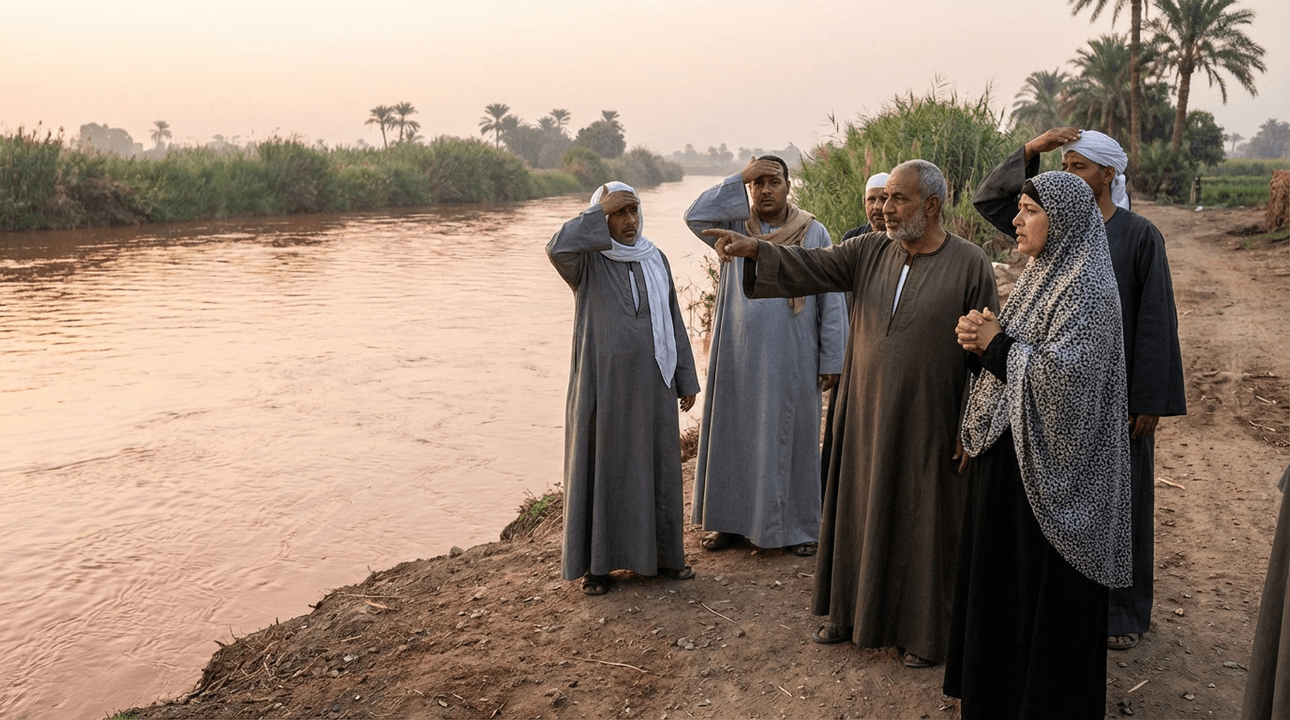
The first plague, where the Nile’s waters turned into blood, is described in Exodus 7:20. This event struck at the very heart of Egypt, as the Nile was not just a river but a vital source of life and prosperity. It supported agriculture, trade, and daily sustenance.
The sudden transformation of its waters into blood deprived the Egyptians of clean water, leading to widespread suffering and chaos. This marked a powerful beginning to the series of plagues that would follow.
The first plague, as described in Exodus 7:14-24, turned the Nile River into blood, a direct assault on Egypt’s lifeline. This act demonstrated the vulnerability of Egyptian society, as the Nile was central to their economy and daily life.
The transformation of the river marked the beginning of a divine challenge to their way of life, undermining the authority of the Egyptian gods.
The first plague was a direct assault on Egypt’s lifeline, demonstrating the vulnerability of their society and the beginning of a divine challenge to their way of life.
Second Plague: Frogs Overrun Egypt
The plague of frogs followed, covering the land extensively, as detailed in Exodus 8:3. Frogs invaded homes, kitchens, and bedrooms, creating chaos and disrupting daily life. This plague was a direct challenge to Heqet, the Egyptian goddess of birth, often depicted as a frog.
By overwhelming the land with frogs, the plague symbolically undermined the goddess’s power and influence.
The plague of frogs, as described in Exodus 8:1-15, covered the land extensively, invading homes and disrupting daily life. This plague was a direct challenge to Heqet, the Egyptian goddess of birth, often depicted as a frog.
By overwhelming the land with frogs, the plague symbolically undermined the goddess’s power and influence, highlighting the vulnerability of Egyptian cultural beliefs.
The plague of frogs symbolized the challenge to Egyptian deities, particularly Heqet, highlighting the vulnerability of their cultural beliefs.
Third Plague: Lice Infestation
The third calamity saw dust becoming lice, tormenting both man and animal, as described in Exodus 8:17. Unlike previous plagues, Egyptian magicians could not replicate this, acknowledging a divine power.
This inability highlighted the spiritual significance of the plague, as it demonstrated the limits of human power against divine will, marking a turning point in the series of plagues.
The plague of lice, as described in Exodus 8:16-19, saw dust turning into lice, tormenting both man and beast. This plague was significant because Egyptian magicians could not replicate it, acknowledging a power beyond their control.
The inability of the magicians to counter this plague highlighted the limitations of human power and the undeniable presence of a higher force in the unfolding events.
The plague of lice underscored the limitations of human power and the undeniable presence of a higher force in the unfolding events.
Fourth Plague: Swarms of Flies
Pharaoh’s defiance led to swarms of flies filling Egyptian homes, as noted in Exodus 8:21. The flies not only disrupted daily life but also symbolized decay and corruption within society.
This distinction between Egypt and Goshen, where the Israelites lived, highlighted divine protection and served as a reminder of the consequences of defiance against divine will.
The plague of flies, described in Exodus 8:21-24, brought swarms of insects that filled Egyptian homes and land, causing chaos and discomfort. This plague symbolized societal decay and corruption, as flies are often associated with filth and disease.
A significant aspect was the distinction made between Egypt and Goshen, where the Israelites lived, as Goshen was spared from the flies. This protective distinction underscored the divine favor and highlighted the consequences of defying divine will.
The plague of flies served as a symbol of societal decay and the protective distinction granted to the Israelites.
Fifth Plague: Livestock Disease
Disease struck Egyptian livestock, decimating their herds and affecting their food source (Exodus 9:6). This event not only devastated the Egyptian economy but also highlighted the vulnerability of their agricultural reliance.
In contrast, the Israelites’ livestock remained untouched, emphasizing a clear distinction between the two peoples. This selective protection served as a powerful reminder of divine intervention and favoritism.
Sixth Plague: Boils and Sores
Painful sores afflicted Egyptians and their animals, as described in Exodus 9:10. These boils appeared suddenly, causing intense suffering and highlighting human vulnerability. Even Pharaoh’s magicians, who had previously replicated some plagues, were powerless and suffered equally.
This further demoralized the Egyptian hierarchy and showcased the limits of their power.
The plague of boils, as recounted in Exodus 9:8-12, was a severe affliction that struck both humans and animals in Egypt. This plague highlighted the vulnerability of Egyptian society, which prided itself on its medical knowledge and powerful hierarchy.
Even Pharaoh’s magicians, who had previously managed to replicate some of the plagues, found themselves powerless against this outbreak, emphasizing the limits of human power when faced with divine intervention.
The plague of boils demonstrated the vulnerability of human power structures in the face of divine intervention.
Seventh Plague: Thunderstorm of Hail
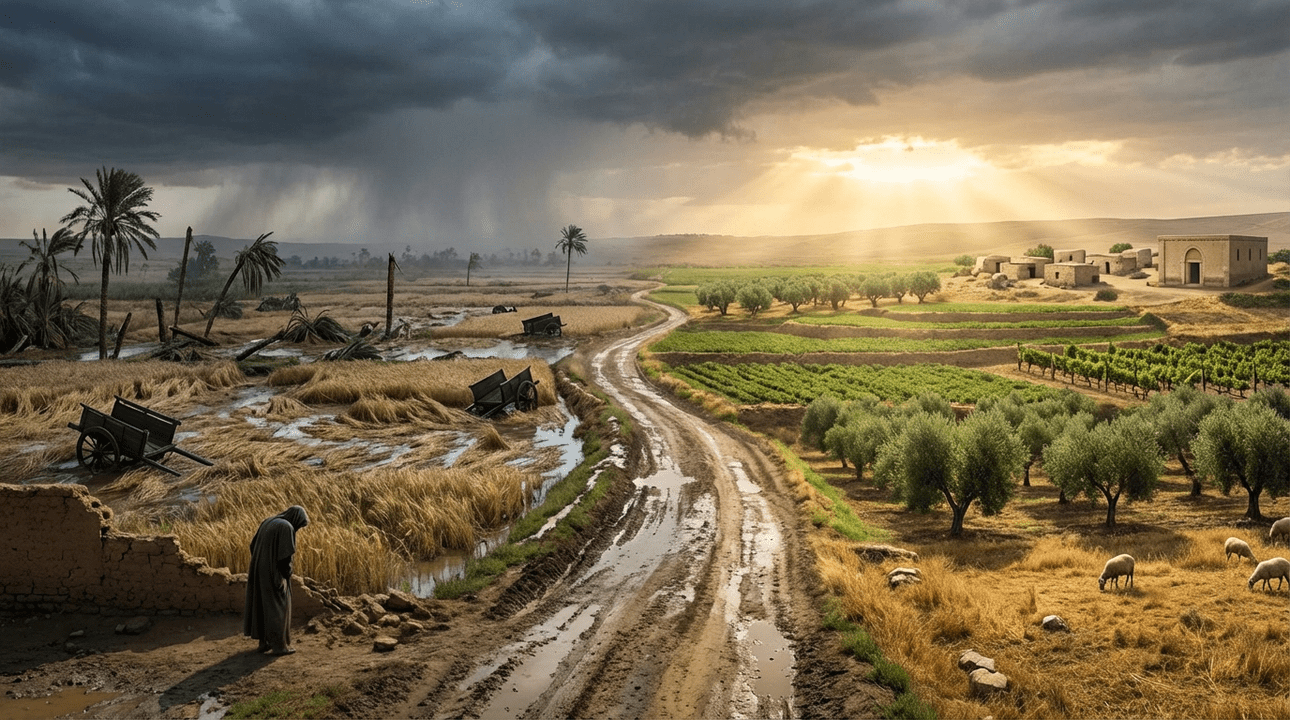
The hailstorm was unlike anything Egypt had ever seen (Exodus 9:23-24). The storm’s severity destroyed crops, fields, and even trees, leaving a trail of devastation. This catastrophe not only demonstrated nature’s fury but also served as a symbol of divine judgment against Egypt.
Meanwhile, the land of Goshen, where the Israelites lived, was spared, reinforcing the idea of divine favoritism.
Eighth Plague: Locust Swarm
Locusts consumed whatever the hail had left behind, as described in Exodus 10:12-15. This total devastation left Egypt without resources, emphasizing divine control over nature.
The sheer number of locusts and the destruction they wrought demonstrated an irresistible divine power that left the land barren and the people desperate, challenging the very survival of the Egyptian society.
The plague of locusts, as detailed in Exodus 10:12-15, descended upon Egypt in a relentless swarm, consuming every green thing left after the hail. This devastation underscored the vulnerability of human endeavors against the overwhelming force of nature.
The locusts represented an unstoppable divine force that stripped the land bare, leaving Egypt without resources and highlighting the futility of resisting divine will.
The locusts represented a relentless force of nature, emphasizing the vulnerability of human endeavors against divine will.
Ninth Plague: Darkness Descends
Darkness enveloped Egypt for three days, as detailed in Exodus 10:21-23. This profound darkness was a direct challenge to Ra, the sun god, striking at the heart of Egyptian belief.
While Egyptians were in the dark, the Israelites had light in their dwellings, further highlighting the divine protection and distinction between the two peoples, reinforcing the narrative of liberation.
The plague of darkness, as detailed in Exodus 10:21-23, enveloped Egypt for three days, challenging Ra, the sun god. This profound darkness struck at the heart of Egyptian belief, as Ra was a central deity in their pantheon.
While Egyptians were in the dark, the Israelites had light in their dwellings, reinforcing the divine protection and separation between the two peoples.
The plague of darkness symbolized the triumph of divine will over Egyptian deities, reinforcing the separation and protection of the Israelites.

Tenth Plague: Death of the Firstborn
The final plague was the most severe, claiming the lives of every firstborn Egyptian, as recorded in Exodus 12:29-30. This ultimate act of judgment finally broke Pharaoh’s resistance, leading to the release of the Israelites.
The Passover observance, marking this event, became a lasting testament to deliverance and freedom, celebrated annually as a reminder of divine intervention and liberation.
The final plague, as described in Exodus 11:4-6, was the death of the firstborn, which struck the heart of Egyptian society. This devastating event led to the liberation of the Israelites and the institution of Passover, a tradition that endures to this day.
The plague underscored the ultimate power of divine will, as even Pharaoh was compelled to release the Israelites. The final plague underscored the ultimate power of divine will, resulting in liberation and the enduring tradition of Passover.
Cultural and Historical Impact of the Plagues
The biblical plagues are more than tales of divine wrath; they reflect both spiritual and physical liberation. In Jewish tradition, they symbolize the enduring power of faith and the quest for freedom, as seen in the Exodus story.
Their impact extends beyond religious teachings, influencing literature, art, and popular culture, where themes of liberation and justice resonate widely.
The biblical plagues, as described in Exodus, are a testament to the enduring power of faith and the universal quest for freedom. These events not only led to the liberation of the Israelites but also left a lasting impact on cultural expressions.
Themes of liberation and justice from the plagues echo through literature and art, resonating with the universal human experience. The plagues are a testament to the enduring power of faith and the universal quest for freedom, echoing through various cultural expressions.
Understanding the Lessons of the Plagues
The plagues are rich with lessons on resilience, faith, and justice, illustrating the triumph of a determined spirit. They remind us of the historical struggles and triumphs of the Jewish people, as recorded in the Torah.
For many, these narratives are not just stories but sources of inspiration, encouraging reflection on perseverance and hope in the face of adversity.
The biblical plagues, as chronicled in the Book of Exodus, serve as powerful reminders of the strength and resilience found in faith. Each plague challenged the might of Egypt’s deities and the authority of Pharaoh, ultimately leading to the liberation of the Israelites.
These events are not just historical accounts but are imbued with lessons of perseverance and hope, inspiring countless generations. The plagues serve as powerful reminders of the strength and resilience found in faith and the enduring spirit of a people.
Understanding the Biblical Plagues
