
Exploring the Meaning of Samaria in the Hebrew Bible
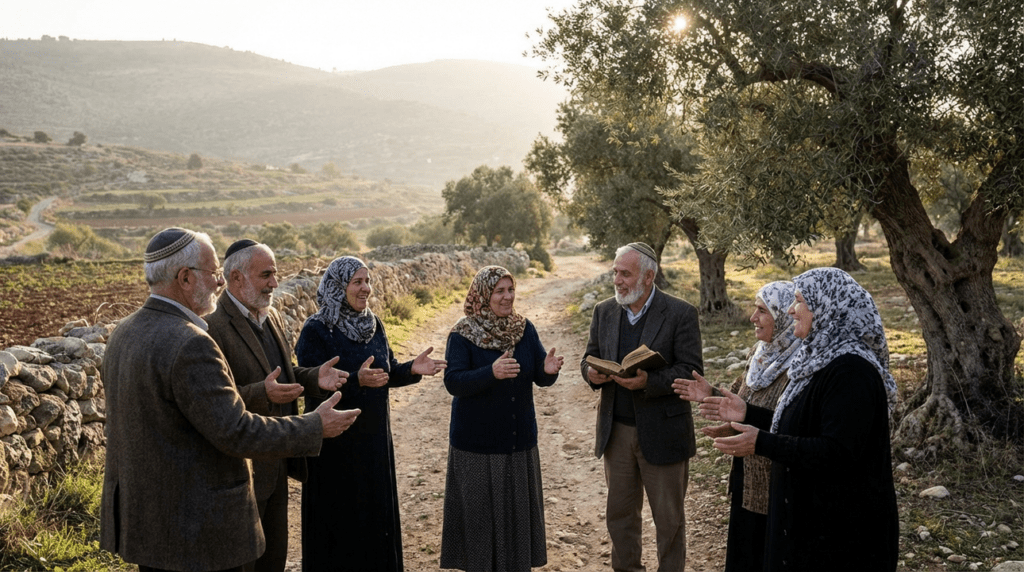

Samaria, known as Shomron in Hebrew, holds a significant place in the Hebrew Bible. It was more than just a city; it was the capital of the Northern Kingdom of Israel, symbolizing political might and spiritual complexity. Founded by King Omri, as noted in 1 Kings 16:24, Samaria played a central role in biblical history. The city witnessed significant events and was home to influential figures, such as King Ahab, who introduced Baal worship. In this article, we will explore Samaria’s layers of meaning and its impact on ancient Israelites.
Samaria’s history offers insights into the complexities of ancient Israel.
from the Western Wall to Masada.
The Founding of Samaria
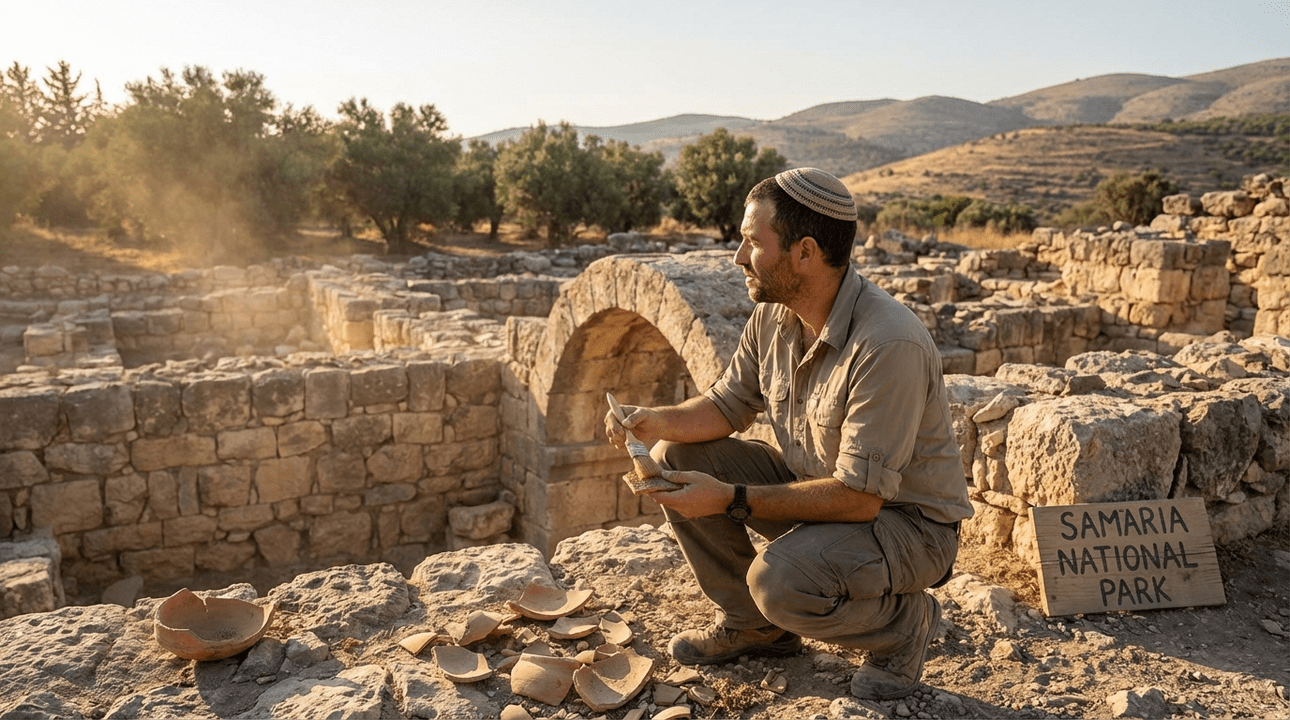
Samaria was established as the capital of the Northern Kingdom of Israel by King Omri in the 9th century BCE. This strategic choice was more than a mere political maneuver; it represented a new center of power away from the traditional tribal territories. The Bible provides an account of Omri’s purchase of the hill where Samaria was built, marking a significant development in the urbanization of the region (1 Kings 16:24). The city’s founding would set the stage for future religious and cultural evolution. Samaria’s role as a central hub in the Northern Kingdom cannot be overstated. It became a focal point for governance, trade, and religious practices, deeply influencing the course of Israelite history.
Samaria’s name and growth reflect its central role in the Northern Kingdom’s narrative. Samaria’s growth under its kings, such as Omri and Ahab, is well-documented in the Bible. King Omri, who founded the city, established it as the capital of the Northern Kingdom, as noted in 1 Kings 16:24. His son, King Ahab, further developed Samaria, making it a political and religious center. Ahab’s marriage to Jezebel and the introduction of Baal worship, as described in 1 Kings 16:31-33, highlight the city’s complex religious landscape.
Samaria’s development reflects its central role in the Northern Kingdom’s history.
Samaria in the Prophets
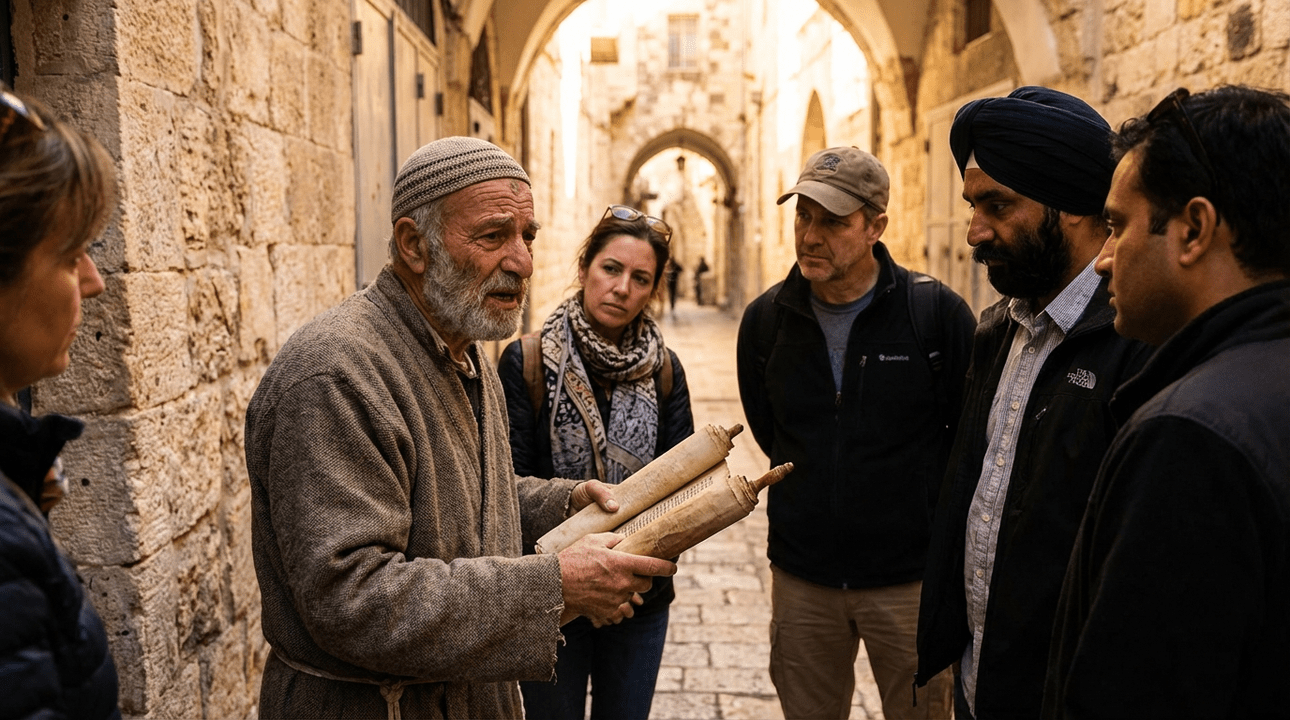
Samaria appears frequently in the prophetic books of the Hebrew Bible. Prophets like Amos and Hosea often criticized the city for its opulence and spiritual corruption, pointing to the unfaithfulness of Israel’s leaders and people. In Amos 3:9, the prophet calls on foreign nations to ‘assemble on the mountains of Samaria’ to witness the city’s wrongdoing. This use of Samaria as a symbol of moral decline became a recurring theme in prophetic literature. Despite harsh critiques, these prophetic voices also spoke of hope and renewal. The complex relationship between judgement and redemption found in Samaria’s representation highlights the broader themes of divine justice and mercy in the Hebrew scriptures.
Samaria’s religious tensions highlight the importance of covenantal faithfulness. The prophetic voices in Samaria, such as those of Amos and Hosea, were crucial in guiding the people back to their spiritual roots. Amos, in particular, warned the Northern Kingdom of Israel about the consequences of their actions, as seen in Amos 3:9-12, where he calls out the injustices and idolatry. Hosea, on the other hand, emphasized the need for sincere repentance, as highlighted in Hosea 14:1-2, urging the people to return to their faith.
These prophets served as beacons, urging hope despite Samaria’s challenges.
Samaria: A Cultural and Religious Hub
As the capital of the Northern Kingdom, Samaria was a melting pot of cultures and religions. Its interactions with neighboring cultures brought about a unique blend of customs, traditions, and religious practices. Archaeological findings have unearthed various relics indicative of widespread trade and cultural exchanges. These artifacts hint at Samaria’s role as an intermediary between Israel and the surrounding nations. Such cultural dynamics inevitably influenced religious practices, sometimes leading to tensions between traditional Israelite worship and foreign influences. The presence of altars and idols, as mentioned in Hosea 10:5, demonstrates the interplay of conflicting religious ideologies within the city.
from the Western Wall to Masada.
Samaria’s diverse population contributed to its complex identity and historical significance. Samaria’s diverse population, shaped by various cultural exchanges, is evident in its history. After the Assyrian conquest in 722 BCE, people from different nations were settled in Samaria, as described in 2 Kings 17:24. This blend of cultures contributed to its complex identity, leading to both unity and division within Israel. These interactions are reflected in biblical narratives that highlight tensions between Samaritans and other groups, such as the Judeans.
Samaria’s cultural exchanges made it a focal point of both unity and division in Israel’s history.
Samaria’s Downfall and Legacy
The Assyrian conquest was crucial in shaping Samaria’s identity and legacy. Despite its fall, Samaria’s legacy continued to influence biblical narratives of exile and return. The Assyrian conquest in 722 BCE, detailed in 2 Kings 17, led to the exile of the Israelite elite, yet the hope for return persisted. This theme of resilience is echoed in the stories of prophets like Isaiah, who spoke of a future restoration (Isaiah 11:11-12). Samaria’s history, therefore, is a testament to the enduring spirit of its people and their cultural evolution.
Samaria’s narrative reinforces messages of resilience and hope. The narratives of Samaria’s downfall, recorded in 2 Kings 17, remind us of the consequences of straying from covenantal faithfulness. The Assyrian conquest in 722 BCE marked a pivotal moment when the city fell due to the people’s transgressions. Yet, these stories also highlight possibilities for renewal through repentance and return, as emphasized by prophets like Hosea in Hosea 14:1-2.
This duality of judgment and hope is central to understanding Samaria’s lasting impact, symbolizing both Israel’s struggles and potential for redemption.
Samaria reminds us of the importance of adhering to spiritual commitments while offering hope for renewal.
Understanding Samaria
