
Understanding Anointing in the Hebrew Tradition
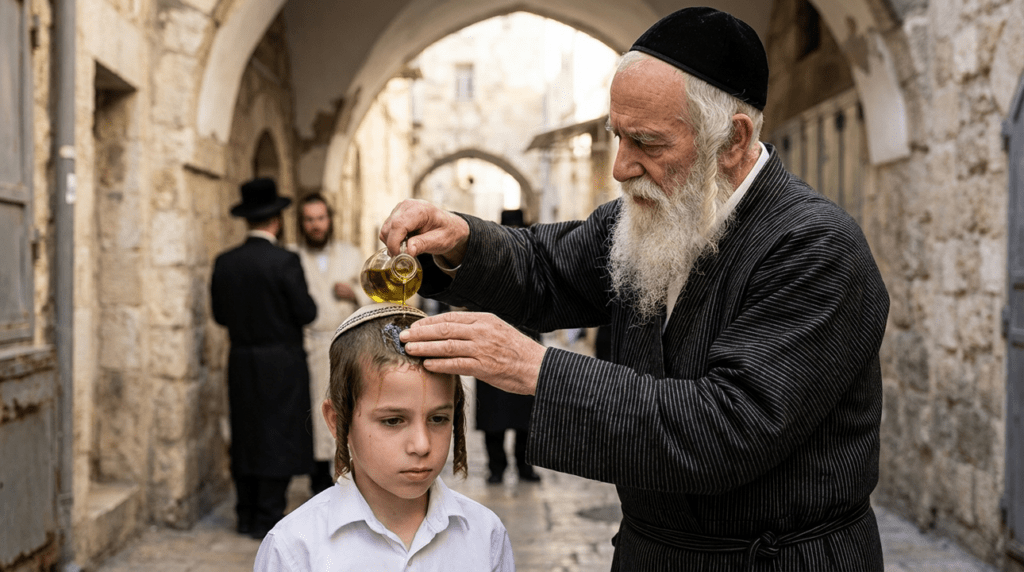

Anointing has been a significant ritual in ancient Hebrew culture, carrying deep spiritual and cultural meanings. In biblical contexts, the practice involved pouring oil over a person or object to signify sanctification or selection for a divine purpose.
This article explores the historic roots, cultural implications, and biblical references associated with anointing, providing insight into this time-honored tradition. The Hebrew term for anointing, ‘mashiach,’ is closely related to ‘Messiah,’ indicating the profound significance of this act in religious and cultural contexts.
In the Bible, anointing is frequently mentioned in connection with the consecration of kings, priests, and sacred objects. For example, in Leviticus 8:30, Moses anoints Aaron and his sons, marking their dedication to the priesthood.
This act was not merely ceremonial but symbolized the bestowal of divine favor and authority. Throughout biblical history, it served as a powerful symbol of God’s presence and blessing, reinforcing the chosen status of individuals and objects set apart for sacred purposes.
from the Western Wall to Masada.
The Origins of Anointing in Hebrew Culture
Anointing (משיחה, mashiach) primarily involved pouring oil on the head of a person or an altar. This ritual was significant in religious ceremonies, reflecting hope and divine choice. The word shares roots with ‘Messiah,’ highlighting its deep anointing significance.
In biblical references, such as in Leviticus 8:30, anointing signifies consecration, setting apart individuals like priests with oil as symbols of God’s favor and presence. This act was a tangible expression of divine selection and empowerment for a sacred purpose.
The practice of anointing can be traced back to early biblical figures, such as Aaron, who was anointed as the first high priest of Israel. This act of consecration was not only a mark of divine favor but also a public acknowledgment of the individual’s role as a spiritual leader.
Anointing served as a bridge between the divine and the earthly, ensuring that those chosen for sacred duties were seen as divinely appointed and empowered to fulfill their responsibilities.
Rituals of Anointing in the Bible
Biblical ceremonies often used anointing to officially recognize leaders. For example, Saul and David were both anointed as kings of Israel (1 Samuel 10:1; 1 Samuel 16:13), signifying divine approval and appointed authority.
These rituals included specific oils made by priests, illustrating the holiness and sanctity embedded in the process. The oil acted as a physical embodiment of God’s presence. Solomon’s anointing by Zadok the priest (1 Kings 1:39) further exemplifies this tradition.
Anointing was a formal recognition of a leader’s divine mandate, deeply ingrained in the cultural and religious fabric of Israel. By anointing a leader, the community acknowledged their role as a mediator between the divine and the people, a position carrying significant responsibility and honor.
This ritual publicly affirmed the leader’s legitimacy and divine favor. For instance, King Solomon’s anointing by Zadok the priest and Nathan the prophet (1 Kings 1:39) marked the beginning of his reign.
Anointing ceremonies were not limited to kings alone; they extended to priests and prophets, reinforcing their roles as spiritual guides and leaders. Aaron and his sons’ anointing as priests (Exodus 29:7) was a significant event that established the priesthood in Israel, emphasizing the sacred duties they were to perform.
These ceremonies were often accompanied by sacrifices and offerings, further highlighting the solemnity and importance of the occasion. Anointing served as a bridge between the divine and the earthly, ensuring that leaders were seen as chosen by a higher power.
Symbolic Meanings of Anointing Oils
The oils used in anointing had specific compositions, often mentioned in Scriptures. For example, Exodus 30 describes a detailed recipe for sacred anointing oil. This formula included myrrh, cinnamon, and cassia, establishing a unique aroma reserved for sacred use alone.
The sanctified scent of these oils became synonymous with holiness, setting apart religious ceremonies and marking divine presence. The specific ingredients were chosen for their symbolic meanings and practical purposes.
Myrrh, for example, was valued for its preservative and aromatic qualities, while cinnamon added a sweet fragrance, and cassia provided a warm, spicy note. These elements combined to create a distinctive oil that was both pleasing and sacred.
The careful preparation and use of this oil underscored the importance of purity and sanctity in religious rituals, emphasizing the separation between the sacred and the profane. In Exodus 30:22-25, the recipe for the sacred anointing oil is detailed, highlighting its significance in the consecration of the Tabernacle and its furnishings.
The use of such fragrant oils was not only a sensory experience but also a spiritual one, as the aroma was believed to carry prayers and offerings to the divine. The blending of these ingredients required skill and precision, reflecting the care and reverence with which these rituals were conducted.
This attention to detail in the preparation of anointing oils mirrored the meticulous nature of the religious ceremonies themselves, where every action held symbolic meaning and served to reinforce the sacredness of the occasion.
The Anointing of Kings and Priests
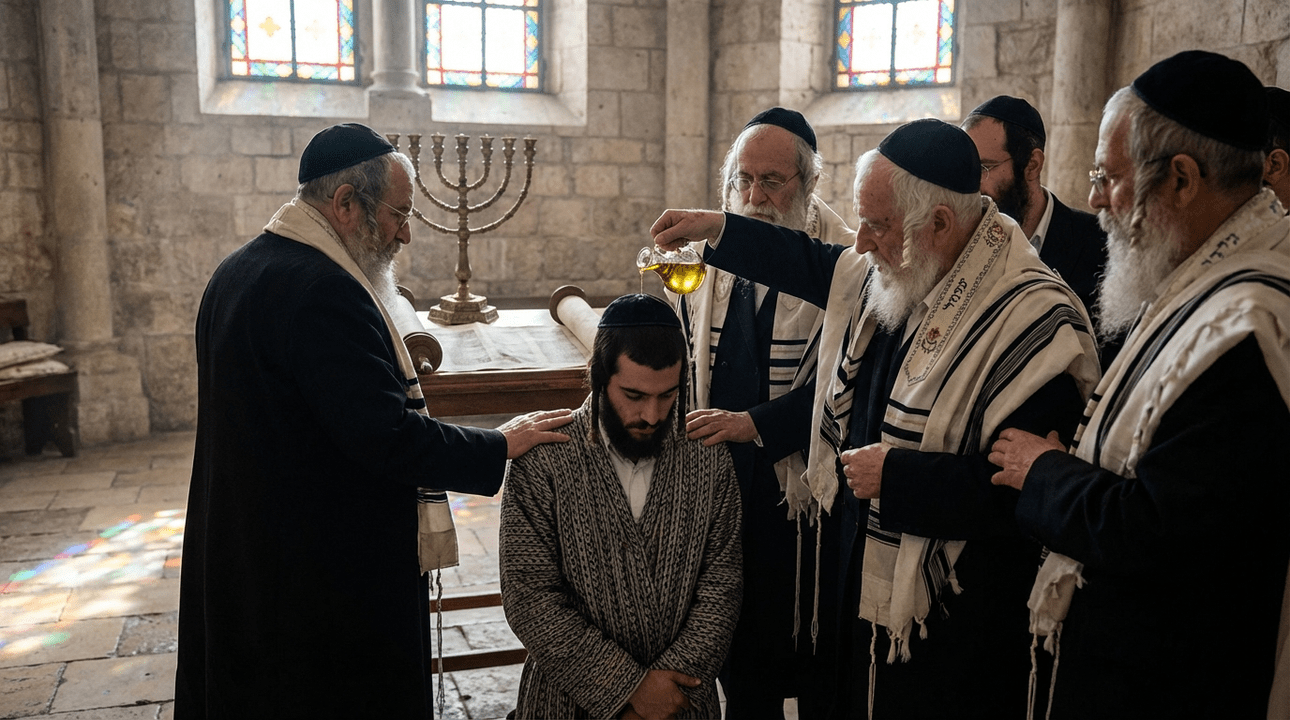
Appointing leaders often involved anointing, symbolizing their chosen status. Aaron and his sons underwent this ceremony for priesthood roles (Leviticus 8:12), manifesting their divine election.
In these events, oil represented God’s spirit pouring over His chosen leaders, affirming their mission and authority in leading the Israelites faithfully. This was not only a religious formality but also a public declaration of their roles, as seen in the anointing of King Saul (1 Samuel 10:1).
David’s anointing by Samuel (1 Samuel 16:13) is a pivotal moment in biblical history. Samuel, a respected prophet, was guided to Bethlehem to find and anoint the future king of Israel. David, the youngest son of Jesse, was chosen, and the act of anointing with oil symbolized the transfer of divine favor and leadership.
This ceremony underscored the belief that leaders were not merely political figures but divinely appointed stewards of their people. The use of oil in these rituals was a tangible way to express the intangible presence and blessing of the divine.
In this context, oil was more than a physical substance; it was a medium through which spiritual authority was conferred. David’s anointing marked a turning point, as he would go on to become one of Israel’s most renowned kings, known for his leadership and poetic contributions, such as the Psalms.
This tradition of anointing leaders can be traced back to earlier biblical figures, like Saul, the first king of Israel, who was also anointed by Samuel (1 Samuel 10:1).
Cultural Impact of Anointing
Anointing influenced not only religious practices but also cultural identities within Israelite society. It symbolized purity and was integral in rituals purposed for renewal and dedication.
Culturally, these rituals fostered a direct sense of holiness and connection among participants, reinforcing community unity and shared spiritual responsibilities. For example, the anointing of priests and kings was a communal event, binding the community in shared faith and purpose.
The communal aspect of anointing ceremonies played a crucial role in reinforcing social bonds and collective identity. These events provided an opportunity for the community to come together in a shared expression of faith and commitment to their leaders and to the divine covenant.
The act extended beyond the individual, serving as a reminder of the collective responsibility to uphold the values and teachings of their faith, shaping the cultural and spiritual identity of the Israelite people.
from the Western Wall to Masada.
The act of anointing was more than a ritual; it was a cultural cornerstone that reinforced the identity and values of the Israelite society. This practice helped to maintain a sense of continuity and tradition, linking generations through a shared symbolic language.
The communal aspect of these ceremonies also strengthened social bonds and collective identity, essential for the survival and cohesion of the community. For example, the anointing of kings and priests was a public event, witnessed by the community, reinforcing the leader’s legitimacy and divine favor.
Anointing ceremonies were often accompanied by celebrations and feasts, bringing the community together in a shared expression of faith and unity. These events provided an opportunity for the people to reaffirm their commitment to their leaders and to the divine covenant.
The act extended beyond the individual, serving as a reminder of the collective responsibility to uphold the values and teachings of their faith. This shared experience played a crucial role in shaping the cultural and spiritual identity of the Israelite people.
The Spiritual Legacy of Anointing
The practice of anointing continues to inspire spiritual journeys today. Its historic significance found in Jewish practice emphasizes purification, dedication, and selection for a sacred mission.
As ancient as the custom may be, the legacy lives on, with the powerful metaphor and ritual continuing to inspire dedication, purity, and spiritual life in contemporary faith practices. In modern Judaism, anointing can symbolize a personal commitment to faith and community.
Anointing rituals have evolved over time, adapting to the needs and contexts of contemporary spiritual communities. Despite these changes, the core principles of anointing—purification, dedication, and divine connection—remain central to its practice.
This enduring tradition serves as a reminder of the shared heritage and values that bind individuals together, reinforcing the importance of community and collective identity in the pursuit of spiritual goals.
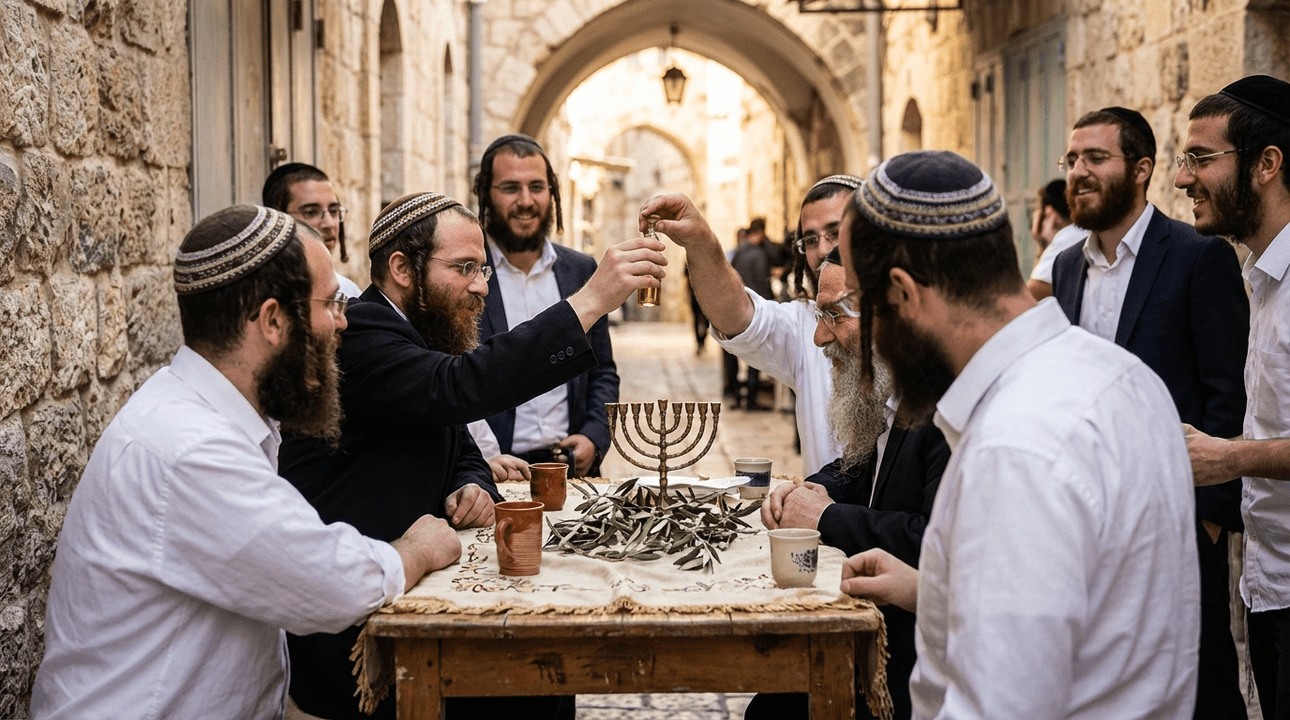
In contemporary contexts, anointing is often seen in rituals of healing and blessing, reflecting its historical roots while adapting to new spiritual needs. For example, in Jewish tradition, the use of oil during the festival of Hanukkah commemorates the miracle of the oil that lasted eight days in the Temple’s menorah.
The enduring nature of these rituals highlights their ability to convey profound spiritual truths and foster a deep sense of connection to the divine. This practice remains a vital part of the spiritual landscape, bridging the past with the present.
In modern Jewish practices, anointing can symbolize a personal commitment to faith and community, serving as a reminder of the shared heritage and values that bind individuals together. The act of anointing continues to inspire spiritual journeys today, emphasizing purification, dedication, and selection for a sacred mission.
As ancient as the custom may be, the legacy lives on, with the powerful metaphor and ritual continuing to inspire dedication, purity, and spiritual life in contemporary faith practices.
Anointing in Modern Practices
While rooted in tradition, anointing’s relevance has traversed into modern religious contexts. Many faiths worldwide incorporate similar rituals to express divine invocation and spiritual empowerment.
This consistency highlights not only preserved tradition but also an ongoing spiritual narrative connecting past and present believers across diverse religious landscapes. In Judaism, for example, the use of oil in Hanukkah commemorates the miracle of the Temple’s menorah burning for eight days.
The enduring nature of anointing rituals reflects a deep-seated human desire to connect with the divine and seek spiritual empowerment. Whether in the context of religious ceremonies or personal devotion, anointing serves as a powerful reminder of the sacred bond between the divine and the faithful.
This tradition continues to inspire and guide spiritual practices today, emphasizing the importance of purification, dedication, and divine connection in the pursuit of spiritual and communal goals.
In Christianity, anointing with oil is used in various sacraments and rites, symbolizing healing and sanctification. This shows how the ancient tradition continues to evolve and adapt, finding new expressions while maintaining its core symbolic meanings.
The persistence of these rituals across different cultures and religions underscores their universal appeal and enduring significance. While the specific practices may differ, the underlying themes of purification and divine connection remain constant.
In Jewish tradition, anointing has similarly evolved, with oil playing a role in ceremonies such as the dedication of the Temple and the consecration of priests. The use of oil in Hanukkah, for example, commemorates the miracle of the Temple’s menorah burning for eight days with a small amount of oil.
This highlights the adaptability of anointing practices, allowing them to remain relevant and meaningful in modern religious contexts. The enduring nature of these rituals reflects a deep-seated human desire to connect with the divine and seek spiritual empowerment.
Concluding Thoughts on Anointing
In summary, the anointing practices originally described in Hebrew texts provided much more than ceremonial function. They enriched cultural heritage and conveyed essential social and spiritual principles of leadership, purity, and divine connection.
Exploring these practices reveals enduring connections between historical traditions and modern expressions, continuing to cultivate a rich spiritual tapestry of faith and identity. The legacy of these rituals is evident in their continued relevance and adaptability across various religious and cultural contexts.
Anointing, with its emphasis on divine favor and consecration, continues to inspire and guide spiritual practices today. Whether in the context of religious ceremonies or personal devotion, it serves as a powerful reminder of the sacred bond between the divine and the faithful.
This enduring tradition reflects a deep-seated human desire to connect with something greater, to seek guidance and empowerment in the pursuit of spiritual and communal goals.
Understanding Anointing