
Discover the Sweet Delights of Israeli Desserts
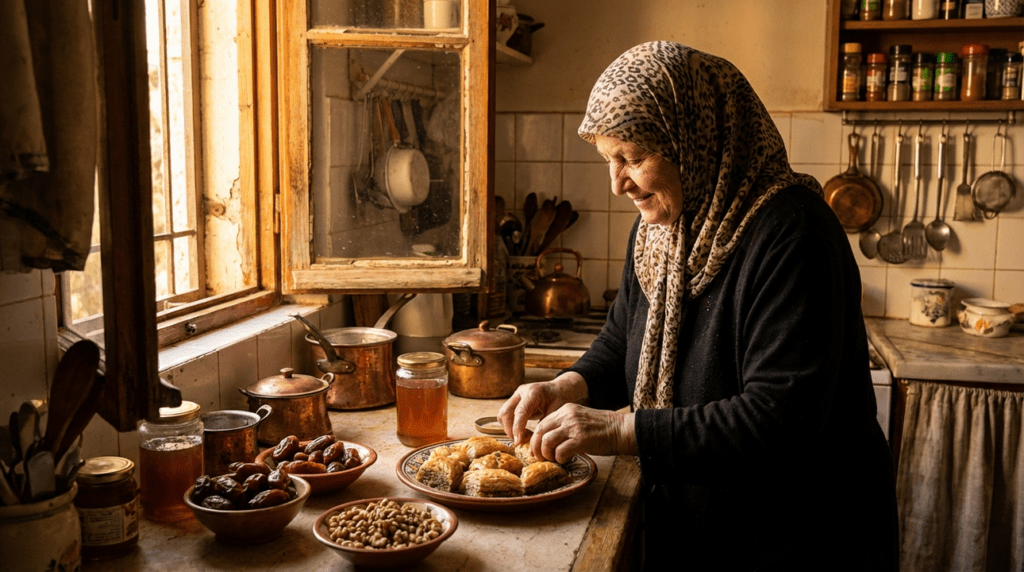

Israel is renowned for its diverse food culture, featuring a delicious range of desserts that tell stories of history, tradition, and community. From the moment you taste these sweets, you’re taken on a journey to the heart of Israeli kitchens where old recipes meet new innovations.
In this article, we explore the most beloved Israeli desserts, understanding their cultural significance and how they became staples in this vibrant cuisine.
Baklava: Layers of Flavour and History
Baklava is a dessert that features thin layers of phyllo dough, nuts, and sweet syrup. This treat is prevalent in Middle Eastern cuisine, but in Israel, it carries a local twist with ingredients like pistachios or cashews.
The combination of crunchy texture and rich sweetness makes it a celebrated choice during festivals and family gatherings. Its roots trace back to the Ottoman Empire, making it a dessert layered with history itself. Baklava’s preparation often involves a communal effort, bringing families together in the kitchen.
Israeli Cookbook
Inspired by the Farms of Israel

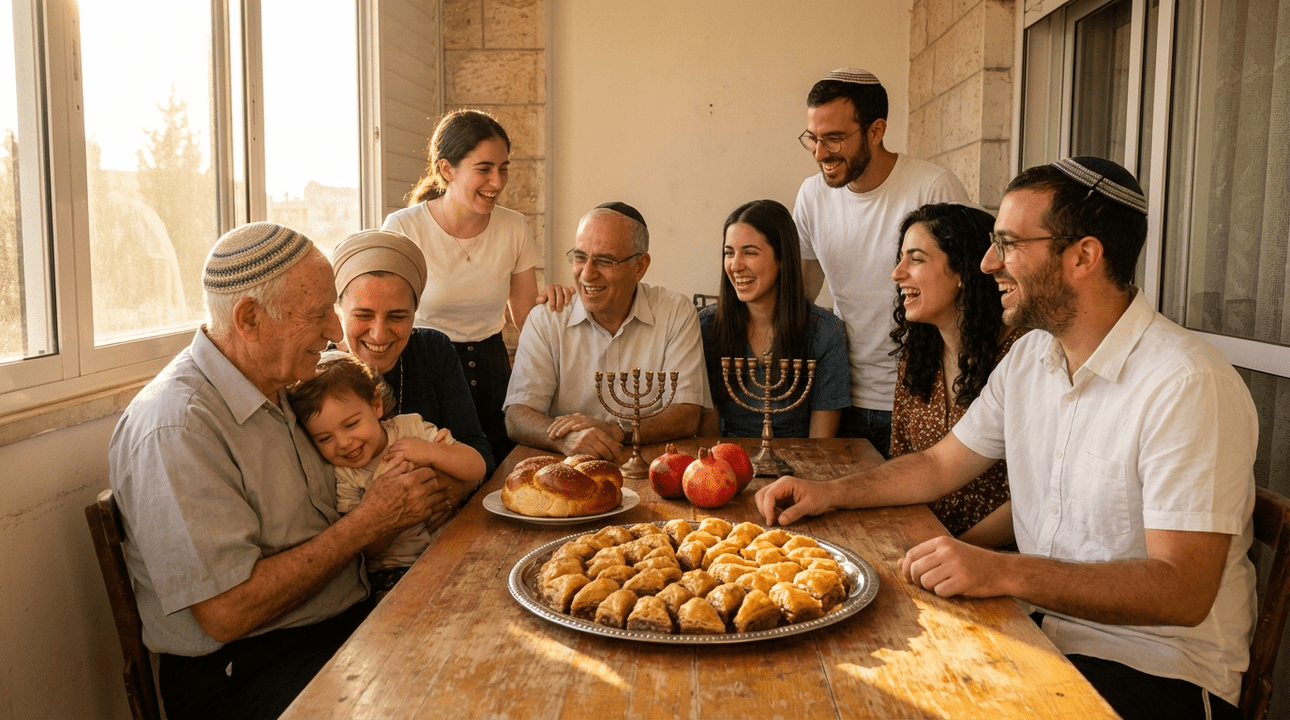
In Israel, Baklava is a popular dessert during holidays such as Rosh Hashanah and Passover, where its sweetness symbolizes hope and renewal. The dessert’s intricate layers and rich flavors are a reflection of the diverse cultural influences that have shaped Israeli cuisine.
Baklava’s continued popularity is a testament to its timeless appeal, as it remains a beloved treat enjoyed by people of all ages and backgrounds.
A popular sweet across the Middle East, Baklava’s presence in Israel is unique. Local interpretations bring in elements like sesame seeds or honey instead of simple sugar syrups. The mixture of flavors results in a universally loved dessert that emphasizes community and tradition.
Enjoyed by many, it’s a staple during numerous Jewish celebrations. Its long history can be traced back to the Ottoman Empire, where it was considered a delicacy fit for sultans and served during important feasts.
In Israel, Baklava is often enjoyed during festivals such as Purim and Rosh Hashanah, where its sweetness is seen as a symbol of hope and prosperity for the coming year.
The dessert’s intricate layers of phyllo dough and nuts represent the complexity and richness of Jewish cultural heritage, making it a meaningful addition to any celebration.
Halva: A Satisfying Sesame Treat
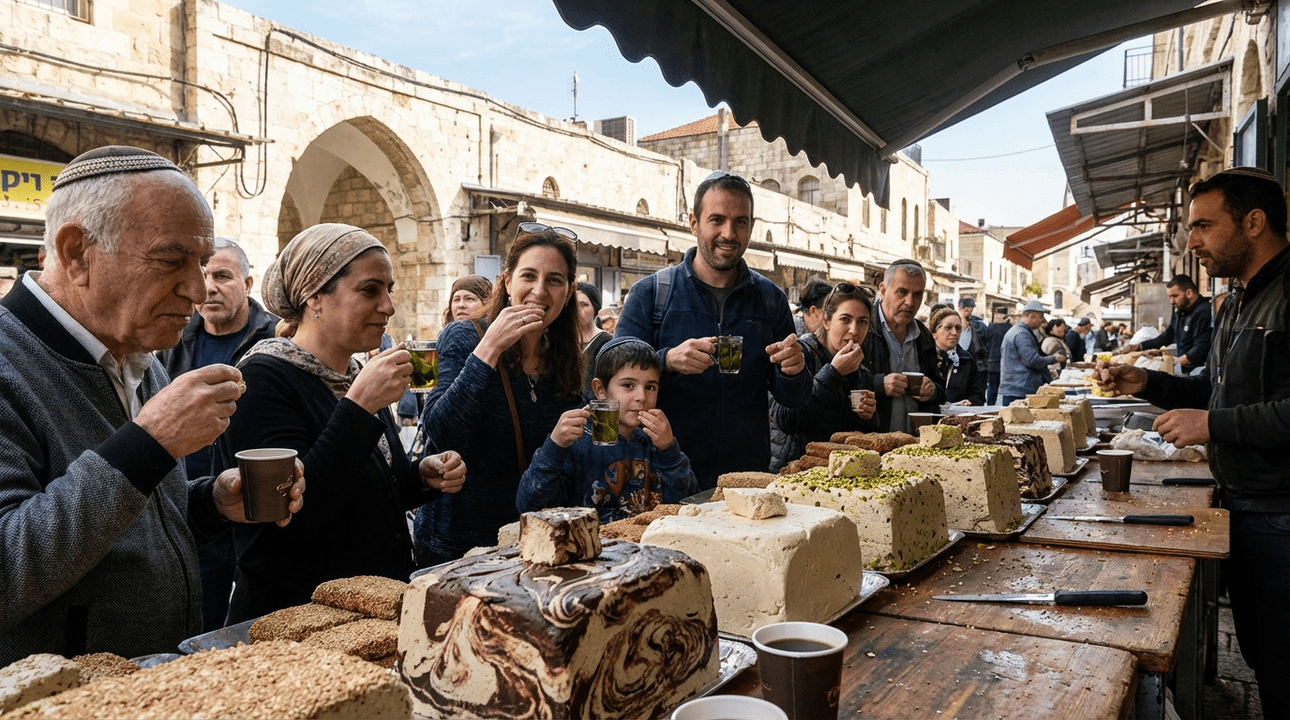
Halva is a classic confection that is deeply rooted in Israeli food culture. Made primarily from sesame seeds and sugar, this treat comes in a variety of flavors such as chocolate, vanilla, or pistachio.
Packed with a creamy texture and a sweet, nutty flavor, Halva is often enjoyed with coffee or tea. Its ancient origins are in Persia, yet it has seamlessly woven itself into the fabric of Israeli cuisine. Halva’s introduction to Israel is linked to Jewish immigrants from Eastern Europe and the Middle East.
In Israel, Halva is a popular choice at markets and festivals, where it is often sold in large blocks, allowing customers to purchase it by weight. The dessert’s versatility makes it a favorite ingredient in a variety of dishes, from ice cream to pastries.
Halva’s enduring appeal in Israel is a testament to its rich flavor and cultural significance, as it continues to be a cherished part of the country’s culinary landscape.
The dense and crumbly texture of Halva is iconic, providing a satisfying treat at any time of the day. It’s not only popular as a standalone sweet but often featured in pastries, adding a unique flavor twist.
Halva is also significant during special occasions, serving as a symbol of abundance and joy. Its presence in Israeli markets is a testament to its enduring appeal. Originating in ancient Persia, it was made from a mixture of sesame paste and honey.
In Israel, Halva is available in a variety of flavors, including chocolate, vanilla, and pistachio, catering to a wide range of preferences. The dessert’s rich, nutty taste pairs well with coffee or tea, making it a popular choice for both breakfast and dessert.
Halva’s continued popularity in Israel is a reflection of its versatility and the deep cultural connections it fosters, as it is enjoyed by people of all ages and backgrounds.
Rugelach: A Spiraled Tradition
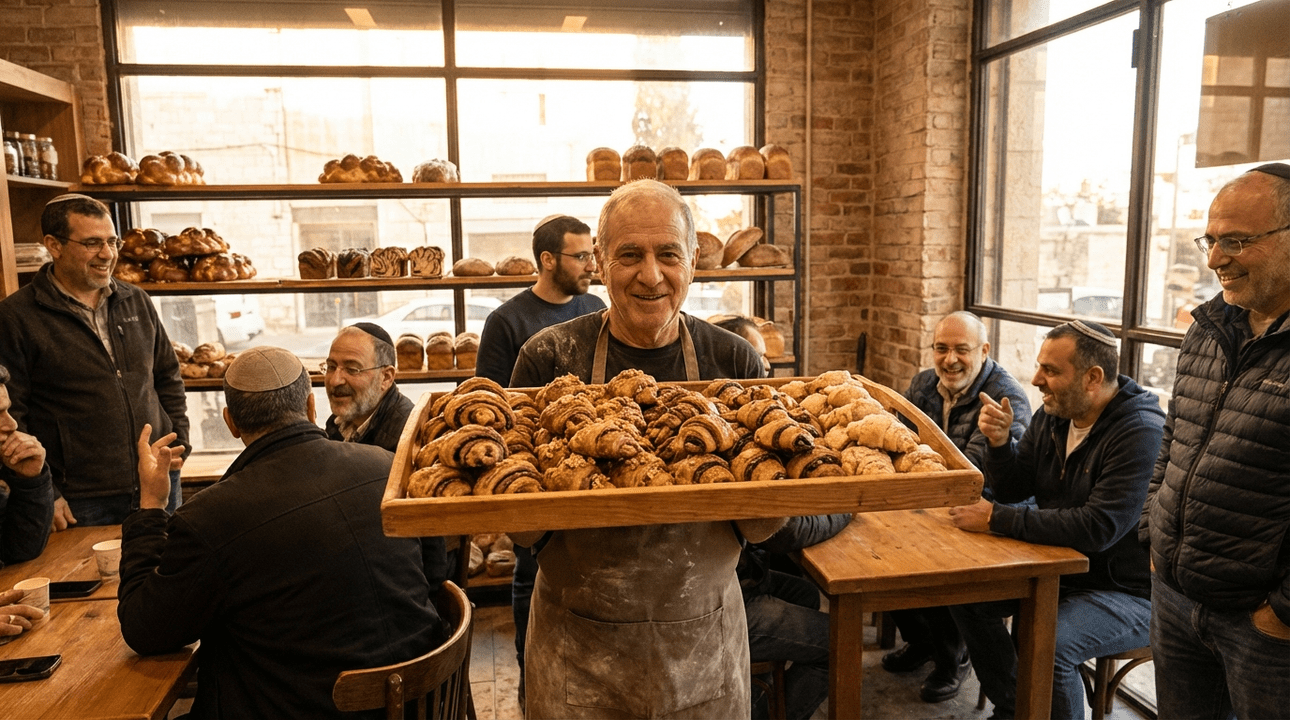
Rugelach, a pastry with Ashkenazi roots, is a beloved dessert in Israel. These small, rolled pastries are traditionally filled with ingredients like nuts, chocolate, or jam. Rugelach is often baked for holidays and celebrations, adding a sweet note to festive meals.
Each bite tells a story of heritage, family, and the joy of shared traditions. Its origins can be traced back to Eastern Europe, where it was a staple in Jewish households, particularly during Shabbat and other religious celebrations.
In Israel, the pastry has evolved to include a variety of fillings, reflecting the diverse culinary influences in the region. Some modern versions incorporate local ingredients like dates and tahini, offering a unique twist on the traditional recipe.
The enduring popularity of Rugelach is a testament to the connections between food and cultural identity, as it continues to be a cherished part of Israeli cuisine.
While rugelach was originally an Eastern European treat, it has been warmly adopted into Israeli cuisine. Bakeries throughout Israel offer different variations, catering to traditionalists and adventurers alike. Its enduring popularity is a nod to the connections between food and cultural identity.
These pastries are a perfect example of how traditional foods thrive across generations. Its roots can be traced back to the Jewish communities of Poland and Hungary, where it was a staple during festivals.
In Israel, rugelach has evolved to include a variety of fillings, from classic cinnamon and walnut to modern innovations like Nutella and halva. This adaptability reflects the dynamic nature of Israeli cuisine, where culinary traditions are continually reinterpreted.
Rugelach’s continued presence in Israeli bakeries and homes underscores its role as a beloved symbol of Jewish heritage and the enduring power of food to connect people across time and place.
Kanafeh: A Cheese Lover’s Delight
Kanafeh is a dessert made from thin noodle-like pastry soaked in syrup, layered with cheese. Its balance of salty cheese and sweet syrup creates a contrasting yet harmonious flavor. Originating from the Middle East, this dessert is widely enjoyed in Israel, often accompanied by local twists.
A warm serving of Kanafeh with its melting cheese is a cherished aspect of many celebrations. The dish is particularly popular during Ramadan and Eid al-Fitr, where it is served as a festive treat.
Israeli Cookbook
Inspired by the Farms of Israel
In Israel, Kanafeh is often infused with local ingredients such as rose water or orange blossom, adding a fragrant aroma to its already delightful taste. The dessert’s preparation is a communal activity, bringing families and friends together to share in the joy of cooking and eating.
Kanafeh’s popularity in Israel highlights the country’s rich culinary heritage, where traditional recipes are embraced and celebrated across diverse communities.
In Israel, Kanafeh is not only a dessert but an experience. This delightful treat is typically served hot and freshly made, providing a culinary delight with every bite. The combination of crispy pastry and soft cheese provides a rich texture and taste.
Adding local ingredients like pistachios enhances its flavor, making it uniquely Israeli. Historically, Kanafeh is believed to have originated in the Levant region, and its preparation is often associated with festive occasions, bringing families together.
The dessert’s popularity can be traced back to ancient times, with references in historical texts such as the Talmud. It is said that the dish was enjoyed by royalty and commoners alike, highlighting its wide appeal across different social classes.
Today, Kanafeh is a staple in Israeli dessert culture, often enjoyed during celebrations and gatherings, where its sweet and savory flavors symbolize unity and joy.
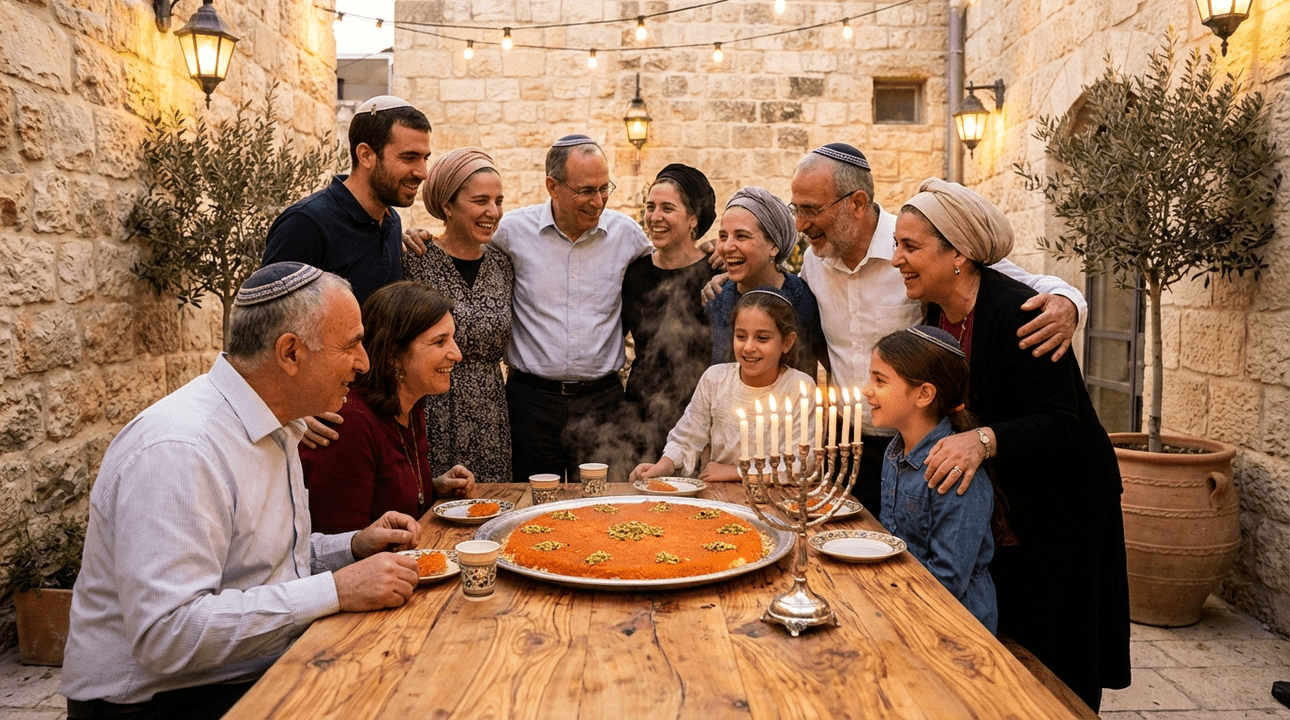
Sufganiyot: Sweet Celebration of Hanukkah
Sufganiyot are traditional doughnuts enjoyed during Hanukkah. These deep-fried treats are filled with jelly or custard and dusted with sugar. The act of frying in oil commemorates the miracle of the Hanukkah oil, making sufganiyot a sweet symbol of this holiday.
Each sufganiyah reflects the warmth and joy of family celebrations during the Festival of Lights. The tradition of sufganiyot dates back to the late 19th century, with its roots in Central European customs of frying dough in oil.
In Israel, sufganiyot have become synonymous with Hanukkah, with bakeries offering a wide array of flavors and fillings to cater to diverse tastes. The dessert’s association with the holiday highlights the importance of food in cultural and religious observances.
Sufganiyot serve as a delicious reminder of the miracle celebrated during Hanukkah, bringing families and communities together in shared joy and gratitude.
Bakeries across Israel prepare sufganiyot in a range of modern flavors. From classic strawberry to decadent chocolate, there’s a variety for every palate. This dessert remains a beloved aspect of Hanukkah, bringing together tradition, taste, and happiness.
The popularity of sufganiyot continues to grow each year, with new takes on an old favorite. The tradition of eating sufganiyot during Hanukkah is linked to the miracle of the oil, as described in the Talmud, which lasted eight days instead of one.
This miracle is commemorated by frying foods in oil, with sufganiyot being one of the most popular choices. In recent years, creative bakers have introduced fillings such as dulce de leche and matcha, appealing to a wide range of tastes.
The evolution of sufganiyot flavors reflects the dynamic nature of Israeli cuisine, where innovation meets tradition, creating a delicious experience for all who partake.
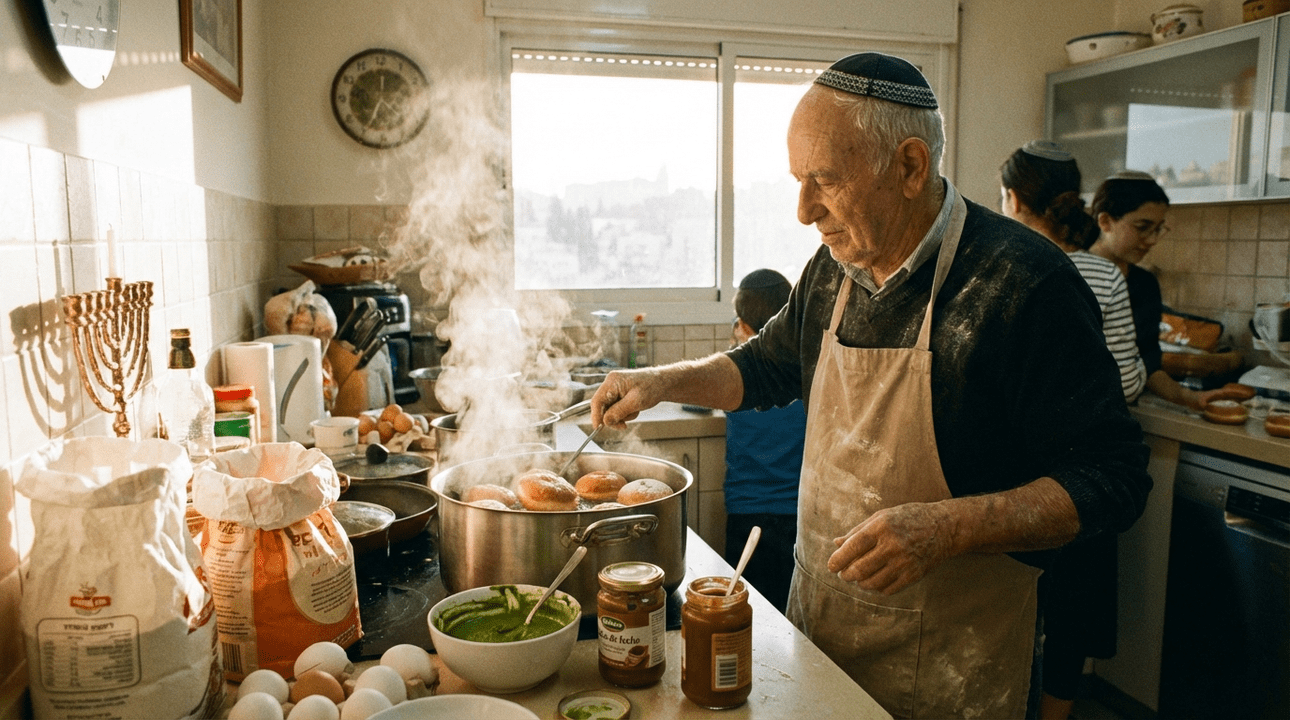
Chocolate Rugelach: A Modern Twist on Tradition
While traditional rugelach remains popular, the chocolate variant is gaining its ground. Filled with rich, dark chocolate or Nutella, these pastries offer a deliciously indulgent twist. This modern version combines classic Ashkenazi pastry making with contemporary flavors.
The contrast between the pastry’s flaky crust and its chocolaty center makes for a delightful treat. This variation showcases the creativity within Israeli bakeries, where traditional recipes are often reimagined to suit modern tastes.
The chocolate rugelach not only satisfies a sweet tooth but also tells a story of cultural adaptation, where new ingredients are embraced, and culinary boundaries are continuously expanded.
The chocolate rugelach underscore the evolving nature of Israeli cuisine. New flavors meet old methods, creating an ever-expanding spectrum of taste. Popular at both bakeries and home kitchens, chocolate rugelach bring a fresh take to a traditional dish.
This inclusion in Israeli desserts exemplifies the blend of cultures that characterize Israeli cuisine. The combination of chocolate with the traditional rugelach dough is a relatively recent innovation, showcasing the creativity of Israeli bakers.
The melding of different culinary influences is a hallmark of Israeli food culture, reflecting the diverse backgrounds of its people. Chocolate rugelach have become a favorite not only during holidays but also as an everyday treat, enjoyed with a cup of coffee or tea.
The dessert’s popularity is a testament to the adaptability and creativity inherent in Israeli cuisine, where traditional recipes are continually reimagined.
Common Questions
