
Discover the Biblical and Holy Sites of Israel
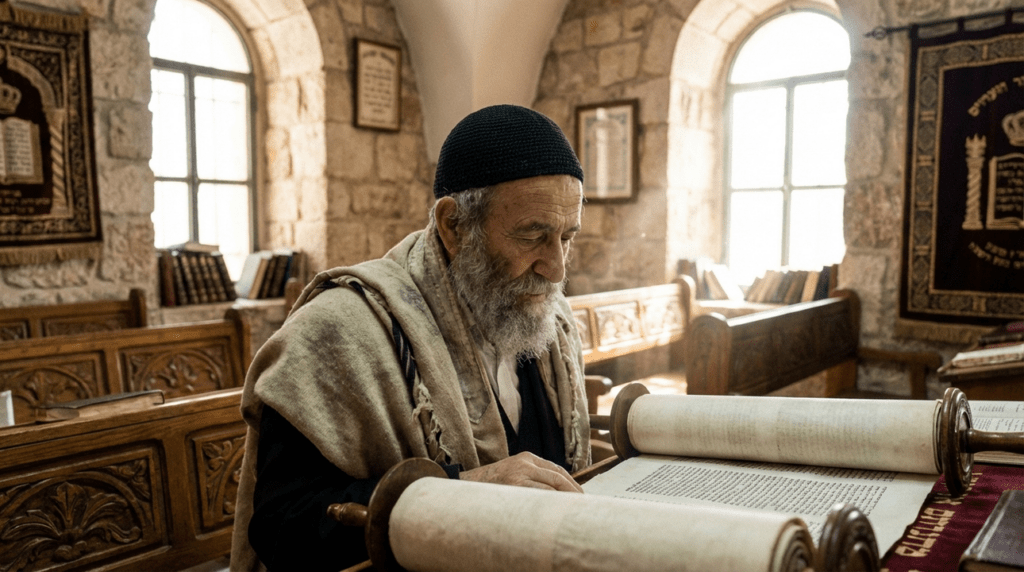

Israel’s landscape is dotted with sites of immense historical and spiritual significance. For many, these sacred places offer a unique opportunity to walk in the footsteps of ancient prophets and heroes. Each site holds stories that are integral to Jewish heritage and the broader biblical narrative.
From the ancient city of Jericho, where the walls famously fell in Joshua 6, to the serene shores of the Sea of Galilee, these locations provide a tangible connection to biblical events.
This journey through Israel’s holy sites is not just a trip through geography but a bridge connecting us to the past and enriching our understanding of the present. Each visit offers a chance to reflect on the enduring lessons of faith, courage, and community that these stories impart.
As pilgrims walk through ancient streets and sacred sites, they find themselves immersed in narratives that have shaped Jewish identity for millennia. The experience fosters a deeper appreciation for the cultural and spiritual legacy.
The Temple Mount: Heart of Jerusalem
The Temple Mount is perhaps the most sacred site in Judaism. It is the location where Solomon’s Temple once stood and served as a spiritual center over centuries. This site not only represents religious significance but is also a remarkable archaeological wonder.
King Solomon built the First Temple around 957 BCE, as described in 1 Kings 6, which became the focal point of Jewish worship. Its long history is pivotal to understanding the dynamics of religious traditions in Jerusalem.
The Temple Mount has witnessed numerous historical events, including the Babylonian destruction in 586 BCE. This event marked a significant turning point in Jewish history, leading to the Babylonian exile.
The rebuilding of the Second Temple under Zerubbabel, as noted in Ezra 3:8-13, symbolized hope and renewal for the Jewish people. The Temple Mount continues to be a symbol of Jewish identity and resilience, representing both historical and spiritual significance.
The Western Wall: A Place of Prayer and Reflection
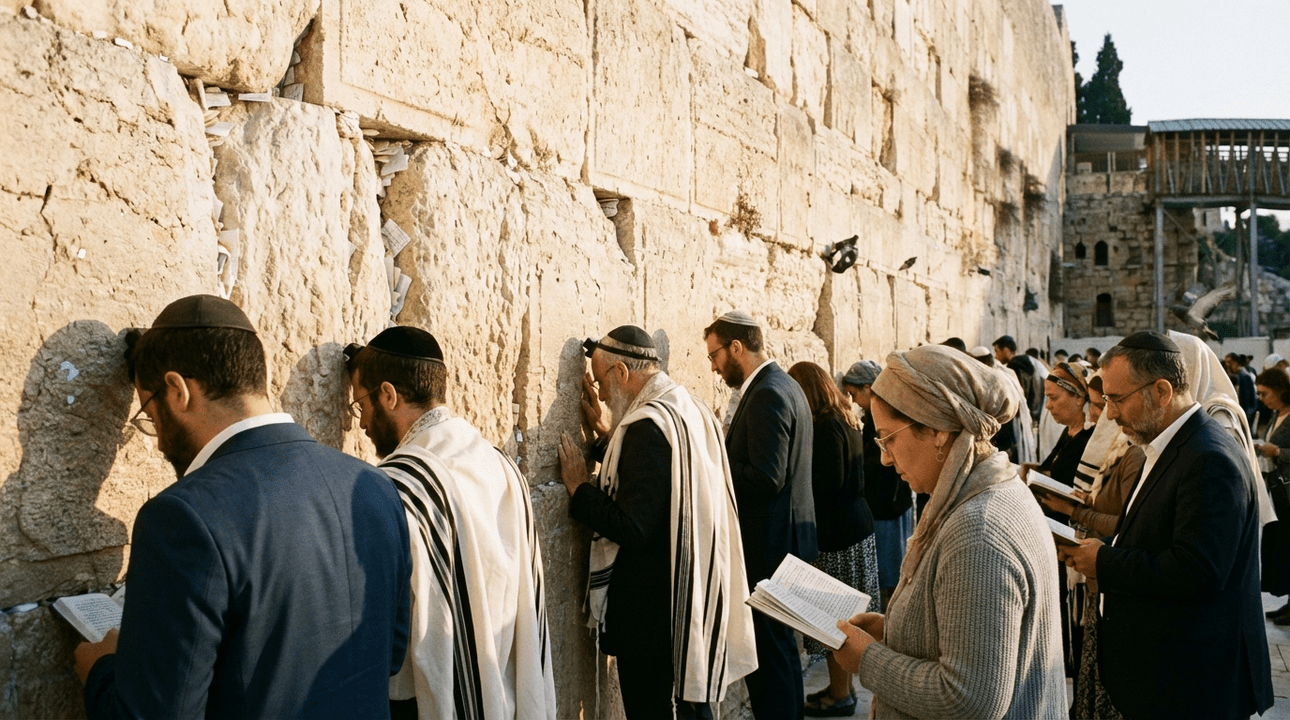
Adjacent to the Temple Mount, the Western Wall remains a living testimony to Israel’s past. The wall is considered a place of prayer, where visitors from around the world leave notes.
These notes often contain prayers and hopes, making it a heartfelt symbol of connection to the divine and the nation of Israel. The Wall, a remnant of the Second Temple destroyed in 70 CE, is a sacred site for Jewish people worldwide, representing resilience and faith through the ages.
The Western Wall, known as the Kotel, stands as a testament to resilience and faith, drawing millions who come to reflect and pray. It has been a site of pilgrimage and prayer for centuries, embodying the enduring spirit of the Jewish people.
The Wall is a remnant of the Second Temple, destroyed in 70 CE by the Romans, yet it remains a sacred place for Jewish worshippers worldwide. People from all over the world visit to place notes in its crevices, often containing prayers and hopes.
Cave of the Patriarchs: Hebron’s Sacred Site
Located in Hebron, the Cave of the Patriarchs is the traditional burial place of biblical figures such as Abraham, Isaac, and Jacob. This site connects deeply to the patriarchal narratives.
According to Genesis 23:19, Abraham purchased this cave as a family burial site, marking it as a significant location in Jewish history. Visitors often reflect on themes of faith and heritage, finding personal meaning in age-old stories that continue to inspire countless generations.
The site remains a place of pilgrimage and reverence.
The cave is also believed to be the burial site of Sarah, Rebecca, and Leah, further enriching its historical and spiritual significance. The stories of these patriarchs and matriarchs are central to the Jewish faith, offering insights into themes of faith, perseverance, and family legacy.
According to Genesis 23:19, Abraham purchased this cave as a family burial site, marking it as a significant location in Jewish history. Visitors often reflect on these themes, finding personal meaning in age-old stories.
Safed: City of Kabbalah and Mysticism
Safed, one of Israel’s four holy cities, is known for its mystical atmosphere. The city has been a hub for Jewish spiritual study, especially Kabbalah, since the 16th century. Rabbi Isaac Luria, a prominent Kabbalist, lived here and contributed to the city’s spiritual legacy.
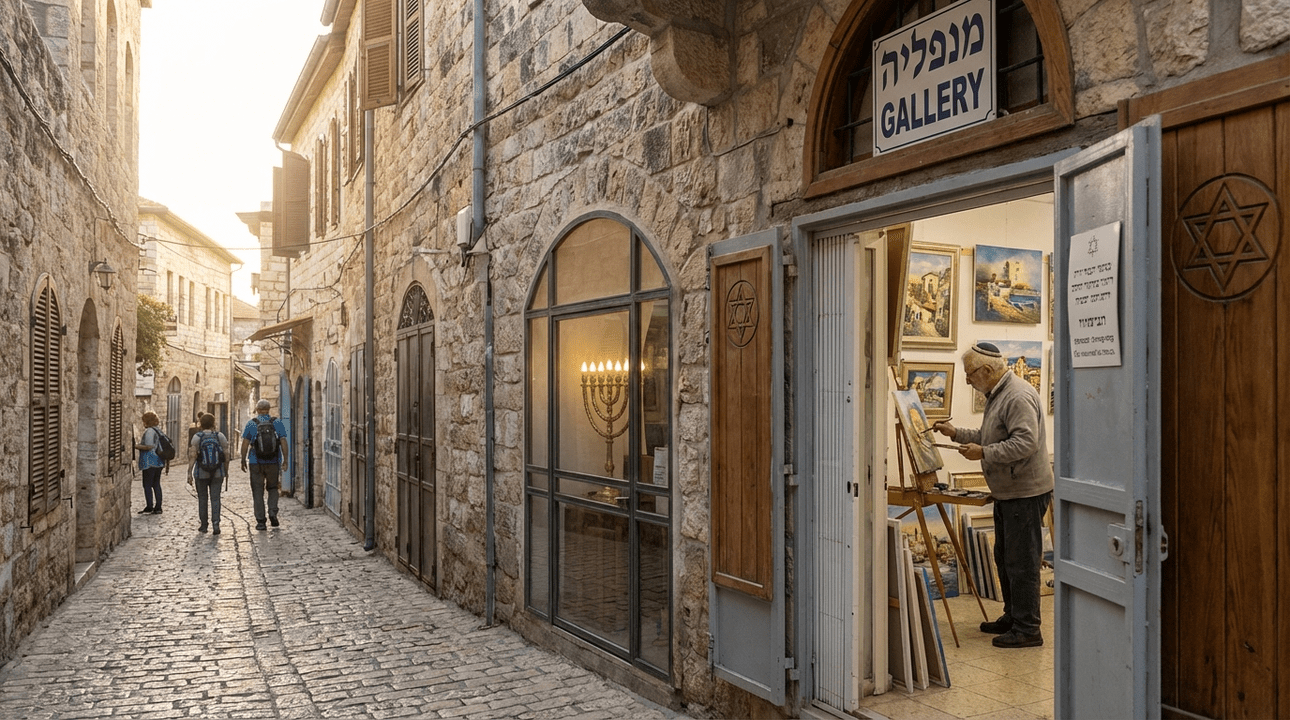
Many visitors are drawn to its vibrant art scene and breathtaking views, making it a unique blend of spirituality and cultural richness. The city’s narrow streets and historic synagogues tell stories of its mystical past.
The narrow, cobblestone streets of Safed are lined with galleries and synagogues, each telling a story of the city’s rich spiritual and artistic heritage. Safed’s history as a center for Jewish mysticism continues to attract those seeking spiritual insight and artistic inspiration.
Known as one of Israel’s four holy cities, it became a hub for Kabbalistic study in the 16th century under figures like Rabbi Isaac Luria. Today, its vibrant art scene and breathtaking views captivate visitors.
Mount of Olives: A Biblical Perspective
Overlooking Jerusalem’s Old City, the Mount of Olives has been a significant site since biblical times. It is mentioned in scriptures and was a place where prophets walked. Zechariah 14:4 references it, speaking of a future event where the mountain will split in two.
Visitors experience a panoramic view and a tangible sense of history, feeling the weight of the stories that this mountain has witnessed. This site continues to be a place of pilgrimage and reflection.
The Mount of Olives serves as a Jewish cemetery, with graves dating back thousands of years, adding to its historical importance. This site is deeply woven into the fabric of Jerusalem’s history, offering insights into both ancient and modern Jewish life.
It is also mentioned in biblical texts, such as Zechariah 14:4, which describes a future event where the mountain will split in two, highlighting its prophetic significance. Visitors often feel a profound connection to history here.
Galilee: Paths of the Prophets
The region of Galilee, mentioned frequently in biblical texts, holds numerous sites of interest. It is where prophets such as Elijah and Elisha made their journeys. Elijah, for instance, performed miracles on Mount Carmel, as described in 1 Kings 18:20-40, where he challenged the prophets of Baal.
Elisha, his successor, also performed miracles in Galilee, including the multiplication of oil for a widow (2 Kings 4:1-7). These stories highlight the region’s spiritual significance and draw many visitors.
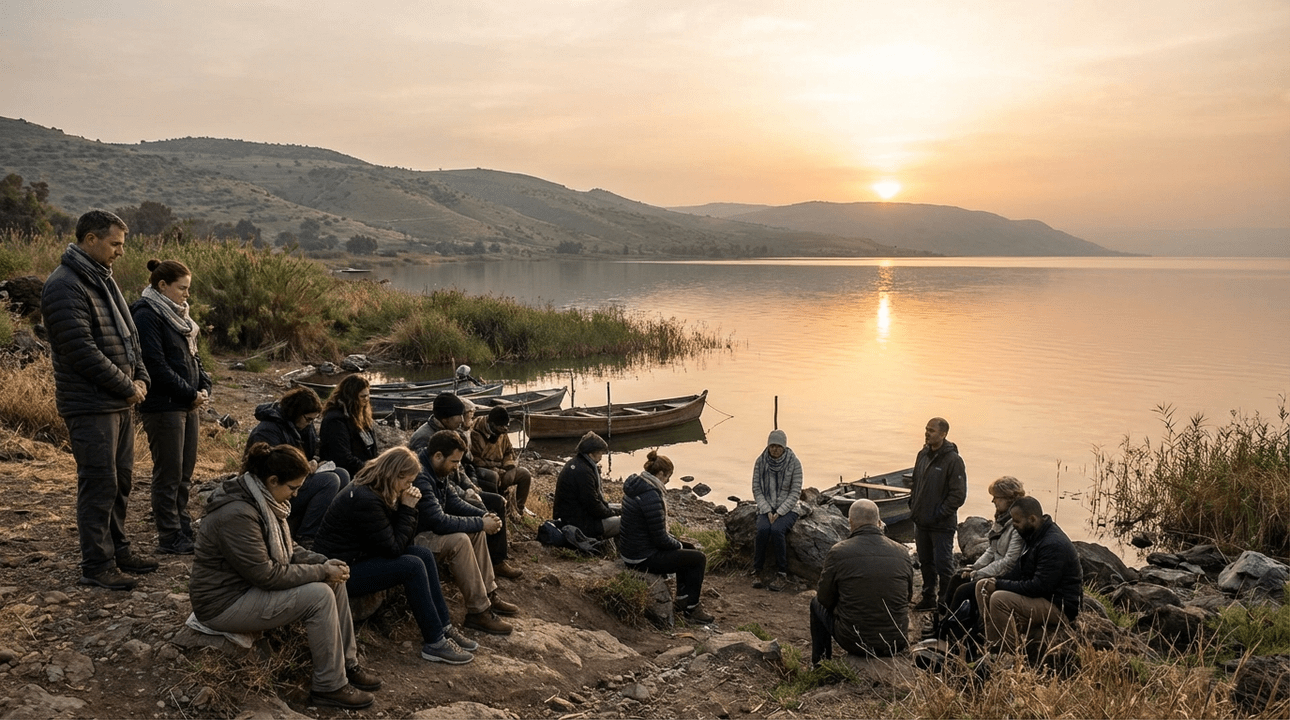
From breathtaking landscapes to profound spiritual tales, Galilee offers a rich tapestry of historical and religious significance. The Sea of Galilee, a freshwater lake, provides a serene backdrop to many biblical events and teachings.
It is mentioned in the Hebrew Bible as the site where prophets like Elijah and Elisha performed miracles, such as Elijah’s challenge to the prophets of Baal on Mount Carmel (1 Kings 18:20-40). These stories continue to inspire and draw visitors to this tranquil region.
Megiddo: The Ancient City of Battles
Megiddo is often associated with ancient battles and prophecies. This archaeological site provides insights into the civilizations that once thrived there.
Excavations have revealed layers dating back to the Bronze Age, and it is believed to be the site of the final battle mentioned in prophetic texts. The strategic location of Megiddo, controlling a vital pass on the ancient trade route, made it a focal point for military campaigns.
The layers of history uncovered at Megiddo continue to attract historians and tourists alike, each seeking to understand its strategic importance.
Conclusion: A Never-Ending Journey
The biblical sites of Israel are more than just historical places; they represent a continuous journey through faith, culture, and human connection. By visiting these sacred locations, individuals form a bridge to the past, enhancing their personal and spiritual understanding of this ancient land.
Sites like the ancient city of Jericho, mentioned in Joshua 6, where the walls famously fell, provide tangible links to biblical narratives. These stories continue to inspire and connect people to their heritage.
Each site offers a unique glimpse into the lives and faith of those who came before. The city of Jericho, one of the oldest inhabited cities in the world, is a testament to the rich history and enduring legacy of the biblical stories that continue to inspire.
Jericho is mentioned in the Book of Joshua, where the Israelites, led by Joshua, famously brought down its walls by marching around them for seven days (Joshua 6:1-20). This event signifies faith and divine intervention in Jewish history.
Frequently Asked Questions
