
Understanding the Meaning of Immanuel in the Bible


‘Immanuel’ holds a significant place in the biblical narrative, offering deep insight into prophetic tradition and cultural memory. Mentioned prominently in the Book of Isaiah, this name symbolizes hope and divine presence.
Understanding its meaning provides a glimpse into the profound connection between the divine and the people of Israel. Isaiah 7:14 is a key verse where Immanuel is mentioned, serving as a sign of divine presence and reassurance to King Ahaz.
This prophecy was a beacon of hope during a tumultuous period in Judah’s history.
The backdrop of Isaiah’s prophecy, during the 8th century BCE, reveals the challenges faced by Judah. Immanuel became a testament to the enduring faith of the Jewish people, emphasizing the belief in divine presence amidst adversity.
This theme is a cornerstone of Jewish identity, reflected in various aspects of religious practice and cultural expression, reminding believers of their unique relationship with the divine.
from the Western Wall to Masada.

The context of Isaiah’s prophecy is essential, as it was delivered during a time of political turmoil for Judah, around the 8th century BCE. The promise of Immanuel provided hope and a reminder of divine protection.
This name continues to inspire reflection on the enduring relationship between the divine and the Jewish people, encouraging a sense of hope and trust in divine presence throughout their history, as seen in the survival and resilience of the Jewish community.
Isaiah’s prophecy, set against the backdrop of the Syro-Ephraimite War, underscores the challenges faced by Judah. The assurance of ‘Immanuel’ was a beacon of hope, emphasizing the divine’s unwavering support.
This message of faith and resilience has been a constant theme in Jewish history, inspiring generations to trust in the enduring presence of the divine, even in the face of adversity.
The Origin of Immanuel in the Book of Isaiah
The prophecy in Isaiah 7:14, set during a time of political upheaval for the Kingdom of Judah, states: ‘Therefore the Lord Himself shall give you a sign: Behold, a virgin shall conceive, and bear a son, and shall call his name Immanuel.’
This message was delivered to King Ahaz as reassurance of divine protection. Immanuel means ‘God is with us,’ reflecting comfort and hope amidst the threats faced by Judah.
Historically, this period was marked by the Syro-Ephraimite War (circa 734–732 BCE), when Judah was under threat from the alliance of Syria and Israel.
Isaiah’s message to Ahaz was not just a political strategy but a call to faith, urging reliance on divine support rather than foreign alliances. This was a pivotal moment for Judah, as the prophecy offered a sign of hope and divine presence.
Immanuel thus became a symbol of assurance, reminding the people of Judah of their unique relationship with the divine, a theme that resonates throughout the Hebrew Bible.
Historical Context and Significance
At the time Isaiah delivered this message, Judah faced threats from surrounding nations. The promise of Immanuel served as a divine assurance that the kingdom would remain protected. This assurance reassured the people of Judah that their survival was part of a greater divine plan.
It was a call to trust in divine support during times of adversity. The context of this prophecy is crucial, as it was delivered during the Syro-Ephraimite War (circa 734–732 BCE).
Isaiah’s message to King Ahaz was not just about immediate survival but about maintaining faith in the divine promise. Immanuel, therefore, transcended its historical context, becoming a symbol of hope and divine presence for future generations.
This assurance was vital for the people of Judah, reinforcing their faith and encouraging resilience in the face of external threats.
King Ahaz of Judah, facing pressure from the alliance of Syria and Israel, was encouraged to rely on divine protection rather than seeking foreign alliances. This message, found in Isaiah 7:1-9, emphasized faith over political maneuvering.
Immanuel thus served as both a spiritual and political reassurance, highlighting the importance of trust in divine guidance during uncertain times, as Ahaz was reminded of the divine promise of support.
Isaiah’s counsel was a call to remember the covenantal relationship between the people of Israel and the divine.
While Ahaz struggled with the decision to form alliances, Isaiah’s message offered a different perspective, one that focused on spiritual integrity and reliance on divine promises. The context of this prophecy, during the 8th century BCE, underscores the challenges Judah faced.
The assurance of ‘Immanuel’ was not just for Ahaz but for all of Judah, a reminder that divine presence was constant, even in the face of external threats.
Immanuel and the Concept of Divine Presence
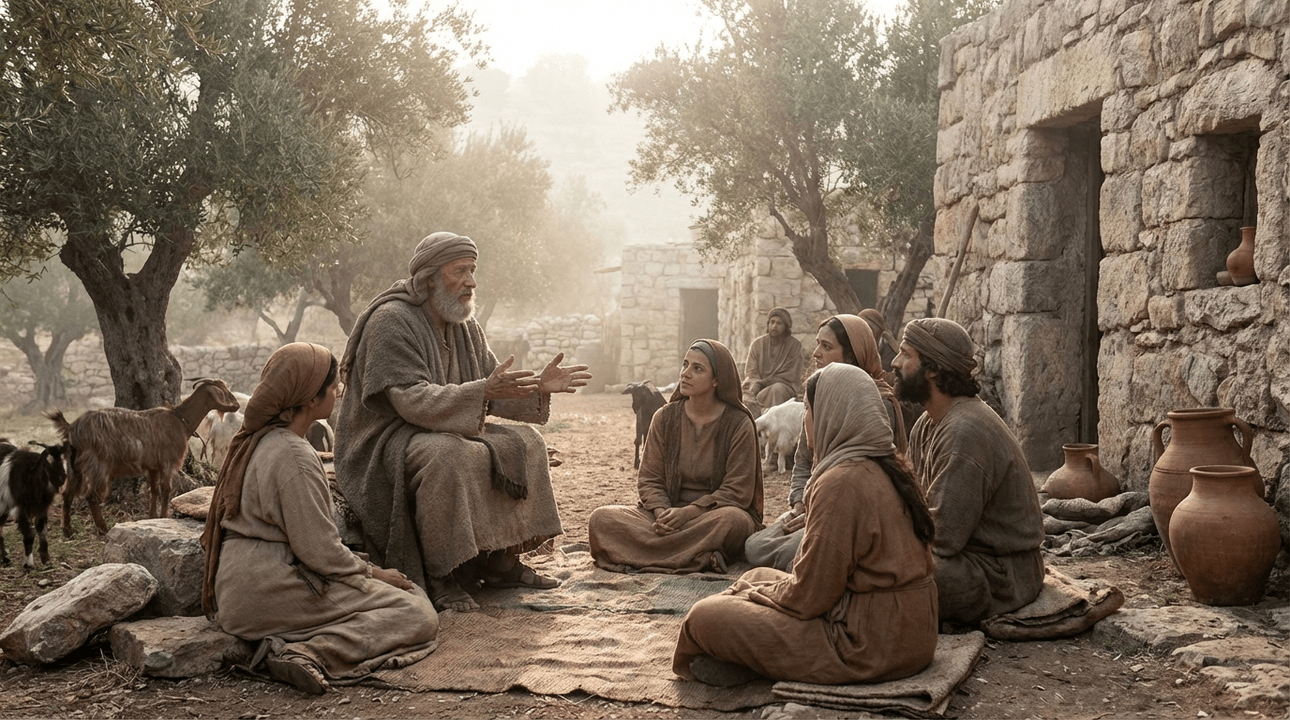
Immanuel symbolically represents God’s presence among His people, as seen in Isaiah 7:14. This concept is foundational in Jewish thought, emphasizing God’s nearness and involvement in human affairs.
The presence of ‘Immanuel’ indicated that God would not abandon His people, offering them guidance and assistance. This assurance has carried through Jewish history, reinforcing faith and resilience, especially during challenging periods such as the Babylonian exile and the rebuilding of the Temple.
Throughout history, the promise of ‘Immanuel’ has been a beacon of hope for the Jewish people. During times of exile and return, such as the Babylonian exile, this assurance of divine presence provided strength and encouragement.
The rebuilding of the Temple in Jerusalem further symbolized the renewal of this divine relationship, reinforcing the belief in a constant and supportive divine presence.
Immanuel in Jewish Tradition and Liturgy
Throughout Jewish liturgy, the idea of divine presence remains integral. Immanuel’s message echoes in prayers and texts that emphasize divine protection. Celebrations and rituals often reflect this assurance of divine companionship.
These traditions continue to foster a deep spiritual connection across generations. For example, the Amidah prayer, recited daily, includes petitions for divine guidance and protection, echoing the themes associated with Immanuel and reinforcing the sense of divine presence.
The concept of divine presence is also evident in the Shema, a central declaration of faith found in Deuteronomy 6:4-9. This prayer underscores the unity and omnipresence of the divine, resonating with the promise of ‘God with us.
‘ Such liturgical elements reinforce the enduring relevance of Immanuel’s message, fostering a sense of community and shared spiritual heritage among Jewish people, as they recite these words daily, affirming their faith and connection to the divine.
The Shema, recited daily by observant Jews, serves as a constant reminder of the divine’s presence and the call to love and serve with all one’s heart and soul.
This prayer, like the promise of Immanuel, emphasizes the closeness of the divine, encouraging a personal and communal relationship with the sacred. It is a cornerstone of Jewish identity, reflecting the deep-rooted belief in divine companionship and guidance.
from the Western Wall to Masada.

Immanuel in the Context of Prophecy
Biblical prophecies often contain elements of immediate relevance and long-term symbolism. Immanuel functioned as both—a reassurance to Ahaz and a message for future generations. This duality showcases the depth and complexity in biblical literature.
It highlighted the certainty of divine promises to His people. Isaiah 7:14 is a key verse illustrating this duality, offering hope and assurance to the people of Judah during turbulent times, while also speaking to future generations about divine faithfulness.
Immanuel, found in Isaiah 7:14, serves as a testament to the enduring nature of divine promises. It reassures believers of the constancy of divine support, regardless of temporal challenges.
This message was given during a time when the Kingdom of Judah faced threats from neighboring nations, highlighting the need for faith. The layered meanings within this prophecy invite ongoing exploration and interpretation, enriching the spiritual and cultural understanding of its significance.
Isaiah’s message to King Ahaz, encapsulated in the promise of Immanuel, transcends its historical context, offering timeless reassurance. The promise of divine presence and support has been a source of strength for the Jewish people throughout history.
This enduring message continues to resonate, inviting reflection on the nature of faith and the divine’s role in guiding and protecting the community.
Immanuel’s Role in Shaping Jewish Identity
Immanuel has contributed significantly to the shaping of Jewish identity. It underscores a bond with the divine that is fundamental to Jewish experience. This connection has driven the perseverance and unity of the Jewish people.
The notion of ‘God with us’ remains a cornerstone of spiritual life and cultural continuity. Throughout history, this concept has been a source of strength and resilience, especially during times of diaspora and adversity, as seen in the Jewish people’s survival and cultural preservation.
The enduring message of Immanuel is celebrated in Jewish festivals such as Hanukkah, which commemorates the miracle of light and divine intervention. This festival, along with others like Purim, reinforces the belief in divine presence and protection.
Such celebrations serve as reminders of the historical and spiritual journey of the Jewish people, anchored in the promise of divine companionship, as they recall past deliverances and miracles that have shaped their identity.
These festivals highlight the ongoing relationship between the divine and the Jewish community.
Hanukkah, celebrated with the lighting of the menorah, symbolizes the triumph of light over darkness, echoing the promise of ‘Immanuel’ as a beacon of hope. Similarly, Purim celebrates deliverance from peril, reinforcing the theme of divine intervention.
These festivals are not only cultural celebrations but also spiritual affirmations of faith, reminding the Jewish people of the enduring presence of the divine in their lives.

Modern Reflections on Immanuel
Today, Immanuel continues to inspire reflections on divine presence in modern life. The name evokes themes of trust, hope, and divine companionship. It serves as a reminder of the continual relevance of ancient prophecies.
Modern scholars and theologians explore these themes within contemporary contexts. For instance, Isaiah 7:14 speaks of a sign given to King Ahaz, highlighting divine intervention. This passage remains a focal point for discussions on faith and reliance on divine support.
In contemporary Jewish thought, the concept of ‘Immanuel’ invites believers to reflect on the presence of the divine in everyday life. It encourages a personal connection with the sacred, fostering a sense of hope and trust.
This ongoing exploration of ancient prophecies within modern contexts enriches the spiritual and cultural understanding of the Jewish community, highlighting the timeless relevance of these themes.
The concept of Immanuel is woven into the fabric of Jewish thought, emphasizing that divine presence is not confined to the past.
The ongoing interpretation of this name reflects a dynamic relationship with the divine, encouraging believers to find comfort in the idea of divine companionship through life’s challenges.
This enduring message resonates with the Jewish community, reinforcing a sense of continuity and spiritual resilience, as seen in the teachings of the Talmud and other rabbinic writings.
Immanuel continues to inspire reflection on the nature of divine presence and companionship. It serves as a reminder of the enduring relationship between the divine and the Jewish people, encouraging faith and resilience.
This theme is echoed in Jewish teachings and traditions, offering a source of comfort and hope for believers navigating the complexities of modern life.
Conclusion: The Eternal Significance of Immanuel
Immanuel captures the essence of divine presence and reassurance in the Bible. From its prophetic beginnings in Isaiah 7:14 to its role in Jewish identity, it remains a source of comfort and inspiration.
The legacy of Immanuel continues to influence faith and understanding across generations. Both a symbol and a promise, ‘Immanuel’ encourages trust in the enduring presence of the divine, fostering a sense of connection and hope among believers.
This enduring message is reflected in the teachings found in the Talmud and other rabbinic writings.
The concept of ‘Immanuel’ is not confined to a single moment in history but continues to resonate through Jewish festivals and traditions. It serves as a reminder of the divine’s unwavering support throughout the trials and triumphs of Jewish history.
This name, deeply embedded in the Jewish consciousness, invites ongoing reflection on the nature of divine companionship and the strength it provides in times of need.
Understanding Immanuel
