
Understanding Yom Kippur and Its Traditions
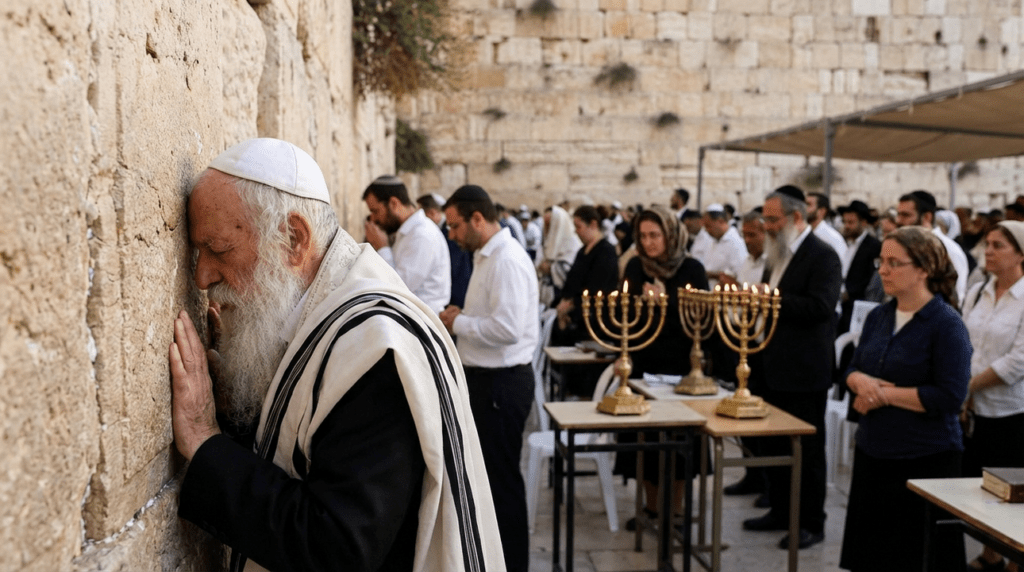

Yom Kippur, known as the Day of Atonement, holds a profound place in the Jewish calendar, marking the end of the High Holy Days. This period begins with Rosh Hashanah and culminates in Yom Kippur, emphasizing themes of reflection and repentance.
Fasting, prayer, and introspection characterize the day as individuals seek to atone for past actions. Leviticus 16:29-31 outlines the biblical basis for this sacred time, highlighting its deep spiritual roots and communal significance. The themes of atonement and renewal resonate deeply with participants.
Yom Kippur, as outlined in Leviticus 16:29-31, underscores the importance of atonement and reconciliation, both with oneself and with others. Through introspection and efforts to rectify past wrongs, individuals contribute to the betterment of their communities.
This communal aspect is reflected in the shared prayers and rituals, uniting participants in a common purpose. As such, Yom Kippur remains a vital component of Jewish identity, promoting values of compassion, justice, and personal responsibility.
This article explores the traditions and spiritual essence of Yom Kippur, offering readers a connection to its historical and cultural foundations. It delves into the practices preserved over centuries, such as the Kol Nidre prayer, recited at the start of Yom Kippur.
Through these rituals, the day serves as a bridge between past and present, inviting reflection on personal and collective growth within the Jewish community. Leviticus 23:27-28 highlights its enduring significance in Jewish life.
The article also examines the themes of repentance and renewal, central to Yom Kippur, and their relevance to contemporary Jewish identity. Engaging with these traditions encourages individuals to reflect on their actions and strive for personal and communal improvement.
This process of introspection and growth is essential for maintaining the vitality of Jewish culture and ensuring its continued relevance in the modern world. The shared experience of Yom Kippur fosters unity and purpose, vital for preserving Jewish heritage.
The Spiritual Significance of Yom Kippur
Yom Kippur carries profound spiritual importance within Judaism. It is a time dedicated to atonement and repentance, where individuals seek forgiveness for their sins from the past year.
According to Leviticus 16:29-30, Yom Kippur is described as a day to purify oneself before God, achieved through fasting and prayer. It serves to reset and renew one’s spiritual standing in the community. The fasting, lasting 25 hours, is a demonstration of self-discipline and devotion.
Participants refrain from consuming any food or drink, focusing instead on spiritual reflection and guidance. The day is marked by intense prayer services, including the Mussaf, Shacharit, and the significant Neilah, which offers the final opportunity for seeking forgiveness.
Traditional Practices and Customs
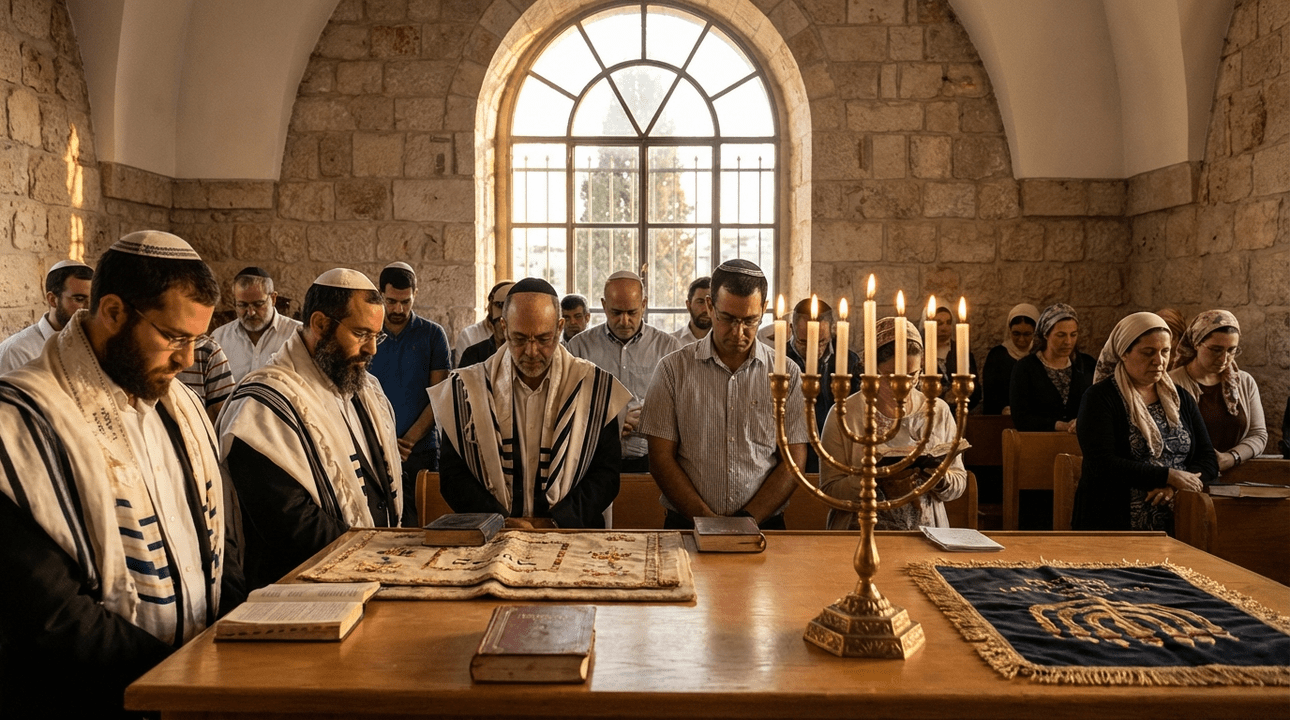
Traditional customs observed during Yom Kippur include wearing white garments, symbolizing purity and mirroring the angels, representing the state of the soul during atonement. The Kol Nidre service, held at the onset of Yom Kippur, is particularly significant.
It involves the communal renouncing of vows made during the previous year, emphasizing forgiveness and renewal. Many spend the day at synagogue, immersed in repentance prayers and readings from the Torah.
Rituals include the reading of the Book of Jonah, highlighting themes of repentance and reaching out for divine compassion. Families often gather for a pre-fast meal, called the seudat mafseket.
This meal is usually followed by lighting a 24-hour Yahrzeit candle, adding a somber yet hopeful tone to the beginning of the fast.
Another ritual is the final shofar blast, marking the end of Yom Kippur. This long, triumphant note serves as a spiritual awakening, prompting a renewed sense of purpose and connection.
In the modern era, Yom Kippur has transcended its ancient roots, becoming a universal day of reflection for Jewish communities worldwide. Despite the passage of time, the core tenets of Yom Kippur remain deeply impactful, offering an avenue for spiritual rebirth and communal solidarity.
As the day concludes, families come together for a festive break-fast, celebrating the completion of the fast and the renewal of spirit. This communal meal, shared with loved ones, underscores the importance of family and community in Jewish life.
Yom Kippur, as outlined in Leviticus 16:29-31, emphasizes atonement and reconciliation, both with oneself and with others. Through introspection and efforts to rectify past wrongs, individuals contribute to the betterment of their communities.

The Historical Context of Yom Kippur
The origins of Yom Kippur trace back to biblical times. The Atonement ritual in the Temple included using two goats: one for sacrifice and one as the scapegoat. This ritual is detailed in Leviticus 16, where the High Priest would offer sacrifices and perform rituals to atone for the people’s sins.
These actions underscored the covenant between Israel and their faith. Although the physical Temple rituals have ceased, their spiritual essence endures through synagogue services and personal reflection.
Yom Kippur is often seen as an evolution of earlier agricultural festivals, embedding layers of historical significance into its observance.
The term ‘Yom Kippur’ means ‘Day of Atonement,’ highlighting its focus on seeking forgiveness and making amends. The endurance of these rituals emphasizes the importance of continuity and preservation in Jewish communal life.
Leviticus 23:27-28 instructs that this day be observed as a Sabbath of solemn rest, reinforcing its spiritual significance. Yom Kippur serves individuals spiritually and reinforces a collective identity rooted in thousands of years of tradition. The themes of repentance and renewal resonate deeply with participants.
Yom Kippur, as outlined in Leviticus 16:29-31, underscores the importance of atonement and reconciliation, both with oneself and with others. Through introspection and efforts to rectify past wrongs, individuals contribute to the betterment of their communities.
This communal aspect is reflected in the shared prayers and rituals, uniting participants in a common purpose. As such, Yom Kippur remains a vital component of Jewish identity, promoting values of compassion, justice, and personal responsibility.
Yom Kippur integrates historical practices with modern expressions of faith, underscoring stories of perseverance and redemption. The day is marked by the recitation of the Vidui, a confessional prayer that allows individuals to acknowledge their shortcomings and seek forgiveness.
The Vidui, recited multiple times throughout the day, reflects the biblical tradition of confession and repentance, as seen in Leviticus 16:21. This practice encourages individuals to confront their failings honestly and commit to personal and communal improvement.
Through these practices, Yom Kippur continues to be a day of profound introspection and spiritual renewal, connecting the Jewish community to its rich heritage. The themes of atonement and reconciliation resonate deeply with participants, offering a path to spiritual growth and ethical living.
Engaging in these rituals reminds individuals of their shared history and the enduring values that have sustained the Jewish people through the ages. This connection to the past provides a foundation for future generations, ensuring the continuity of Jewish tradition.
Modern Observances and Reflections
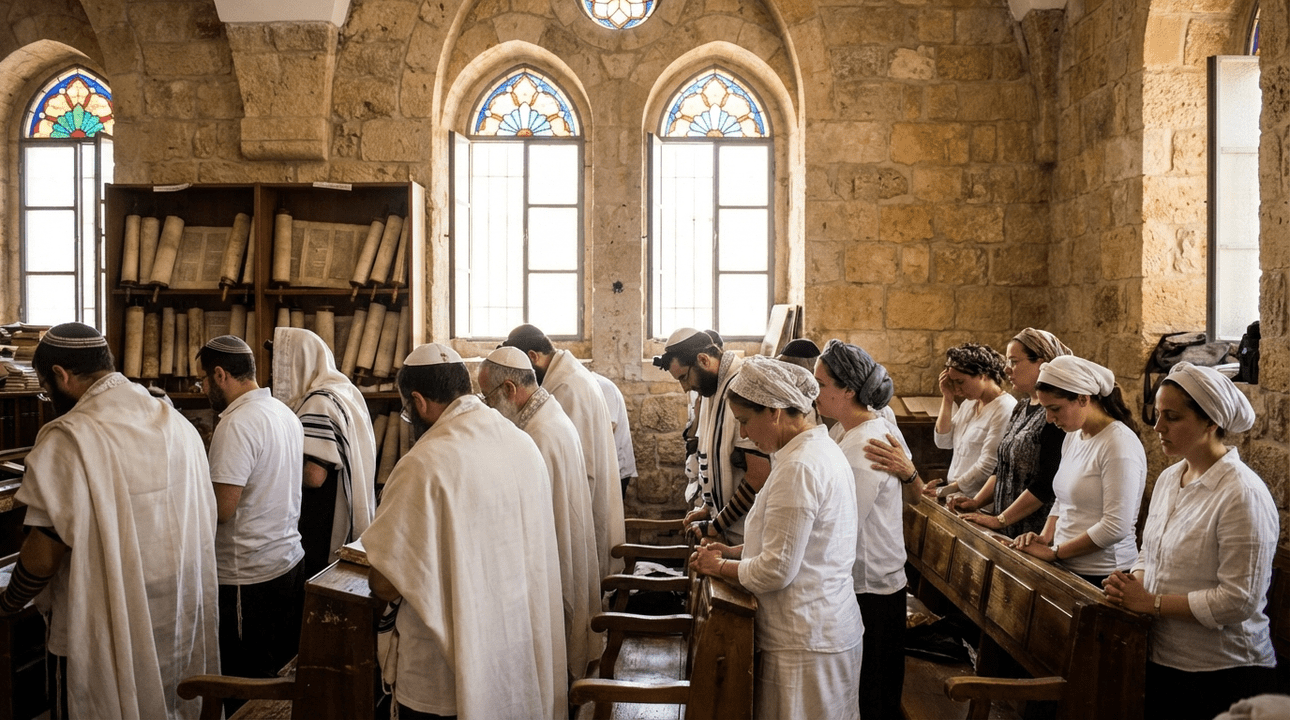
Today, Yom Kippur is observed in diverse ways worldwide. Some adhere strictly to traditional practices, while others integrate personal or community customs. In Israel, the day is marked by unique stillness, with empty streets emphasizing solemnity and self-reflection.
Globally, individuals and communities find solace in various ways, whether through synagogue gatherings or personal contemplation. This day inspires renewed dedication to Jewish values and a commitment to ethical living. Leviticus 16:29-31 underscores its enduring significance in Jewish life.
Yom Kippur, as outlined in Leviticus 16:29-31, underscores the importance of atonement and reconciliation, both with oneself and with others. Through introspection and efforts to rectify past wrongs, individuals contribute to the betterment of their communities.
This communal aspect is reflected in the shared prayers and rituals, uniting participants in a common purpose. As such, Yom Kippur remains a vital component of Jewish identity, promoting values of compassion, justice, and personal responsibility.
The Kol Nidre service, held on the eve of Yom Kippur, is a significant part of the observance, setting the tone for the day. This ancient Aramaic prayer annuls vows made in the past year, symbolizing a fresh start and the opportunity for spiritual renewal.
Kol Nidre, meaning ‘all vows,’ is recited three times, each time with increasing intensity, reflecting the community’s collective desire to release past commitments. This practice echoes the biblical concept of forgiveness, as seen in Numbers 30:2, emphasizing the importance of intention and sincerity.
Through these practices, Yom Kippur continues to inspire individuals to reflect on their lives and strive for personal and communal improvement. The prayer’s melody, haunting yet hopeful, stirs emotions, reminding participants of their shared heritage and the power of communal prayer.
The evening service, often conducted in synagogues worldwide, brings together people of all backgrounds, reinforcing the unity and continuity of Jewish tradition. This collective experience fosters a sense of belonging and shared purpose, essential elements of Jewish identity.
In many modern Jewish households, Yom Kippur involves acts of charity and community service, reflecting on personal growth and societal contribution. Despite modern life’s challenges, Yom Kippur remains a powerful reminder of heritage and spiritual resolve.
The day encourages turning inward, assessing past actions, and planning for future betterment. The practice of giving tzedakah (charity) aligns with the teachings of Isaiah 58:6-7, which calls for justice and compassion. This emphasis on charity and community service highlights the ethical dimensions of the observance.
Yom Kippur, as outlined in Leviticus 16:29-31, underscores the importance of atonement and reconciliation, both with oneself and with others. Through introspection and efforts to rectify past wrongs, individuals contribute to the betterment of their communities.
This communal aspect is reflected in the shared prayers and rituals, uniting participants in a common purpose. As such, Yom Kippur remains a vital component of Jewish identity, promoting values of compassion, justice, and personal responsibility.
Yom Kippur’s enduring relevance lies in its universal message of hope and renewal, binding past generations with future aspirations. The day serves as a time for individuals to reflect on their actions and seek to improve themselves and their communities.
This focus on personal and communal growth is a testament to the timeless values that Yom Kippur embodies, ensuring its continued significance in Jewish life. The themes of repentance and forgiveness resonate deeply, providing a framework for ethical living and spiritual development.
Yom Kippur, as outlined in Leviticus 16:29-31, underscores the importance of atonement and reconciliation, both with oneself and with others. Through introspection and efforts to rectify past wrongs, individuals contribute to the betterment of their communities.
This communal aspect is reflected in the shared prayers and rituals, uniting participants in a common purpose. As such, Yom Kippur remains a vital component of Jewish identity, promoting values of compassion, justice, and personal responsibility.
The Impact on Jewish Identity
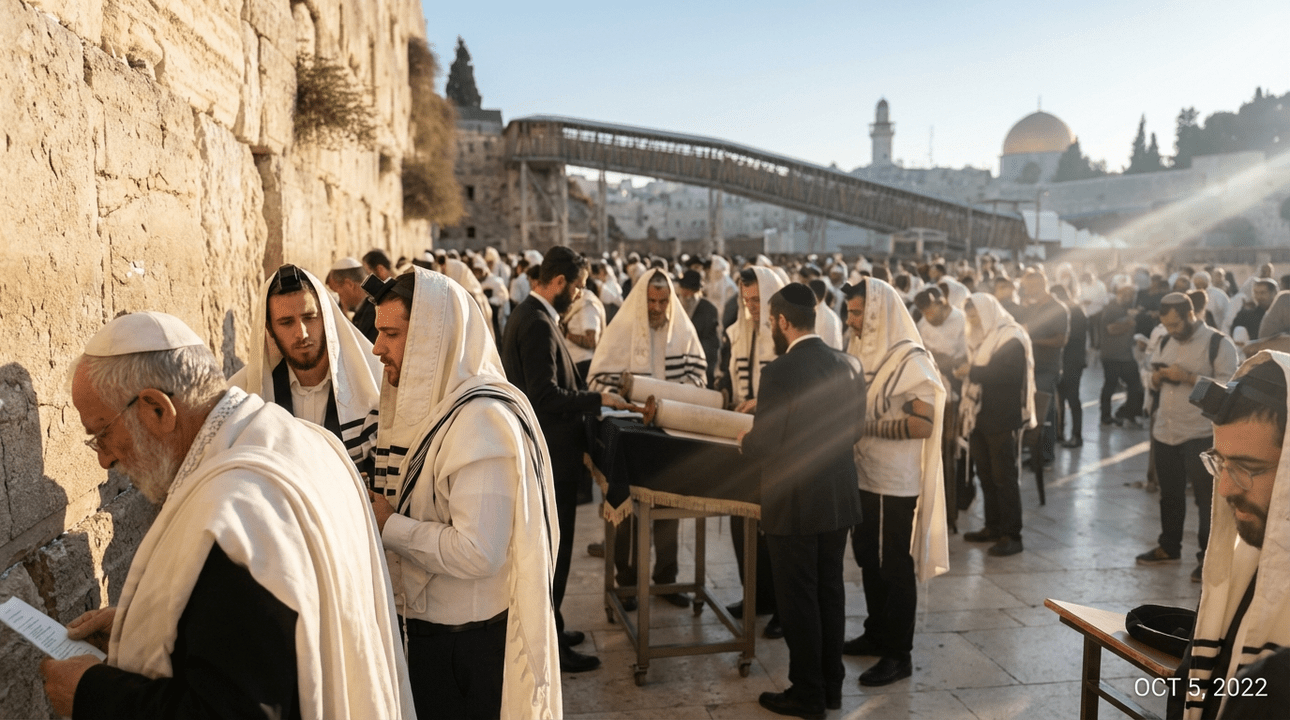
Yom Kippur significantly influences Jewish identity, emphasizing repentance, communal solidarity, and forgiveness. It is a day of introspection, prompting individuals to inform their present actions with lessons from the past year.
For many, Yom Kippur reaffirms cultural bonds and connection to shared history and values, fostering a sense of belonging. The communal aspect of synagogical prayers enhances collective identity, making it a cornerstone of Jewish life. The themes of atonement and renewal resonate deeply with participants.
Yom Kippur, as outlined in Leviticus 16:29-31, underscores the importance of atonement and reconciliation, both with oneself and with others. Through introspection and efforts to rectify past wrongs, individuals contribute to the betterment of their communities.
This communal aspect is reflected in the shared prayers and rituals, uniting participants in a common purpose. As such, Yom Kippur remains a vital component of Jewish identity, promoting values of compassion, justice, and personal responsibility.
The day is marked by the recitation of the Al Chet prayer, which lists various sins and asks for forgiveness, encouraging personal accountability and growth. This practice is rooted in the biblical tradition of repentance, as seen in the story of King David in 2 Samuel 12:13.
Al Chet, meaning ‘for the sin,’ is a communal confession, recited in the plural form, highlighting the collective responsibility of the community. The prayer covers a wide range of transgressions, from personal failings to communal shortcomings, fostering a spirit of humility and introspection.
Yom Kippur’s focus on introspection and communal responsibility ensures its continued relevance in fostering a strong Jewish identity. By acknowledging their missteps, individuals are encouraged to make amends and seek reconciliation, both with themselves and others.
This process of reflection and renewal is central to the Jewish understanding of teshuvah (repentance), which involves not only regret for past actions but also a commitment to change. Through this, Yom Kippur serves as a powerful reminder of the potential for personal growth and communal harmony.
Yom Kippur’s lasting impact is evident in its ability to bring people together through shared experiences, fostering empathy and understanding. This day transcends individual observance, echoing themes of legacy and communal responsibility.
The rituals and teachings of Yom Kippur offer insights into personal growth and community values. The Book of Jonah, traditionally read on this day, emphasizes themes of repentance and forgiveness, reinforcing the importance of introspection and moral accountability.
Yom Kippur, as outlined in Leviticus 16:29-31, underscores the importance of atonement and reconciliation, both with oneself and with others. Through introspection and efforts to rectify past wrongs, individuals contribute to the betterment of their communities.
This communal aspect is reflected in the shared prayers and rituals, uniting participants in a common purpose. As such, Yom Kippur remains a vital component of Jewish identity, promoting values of compassion, justice, and personal responsibility.
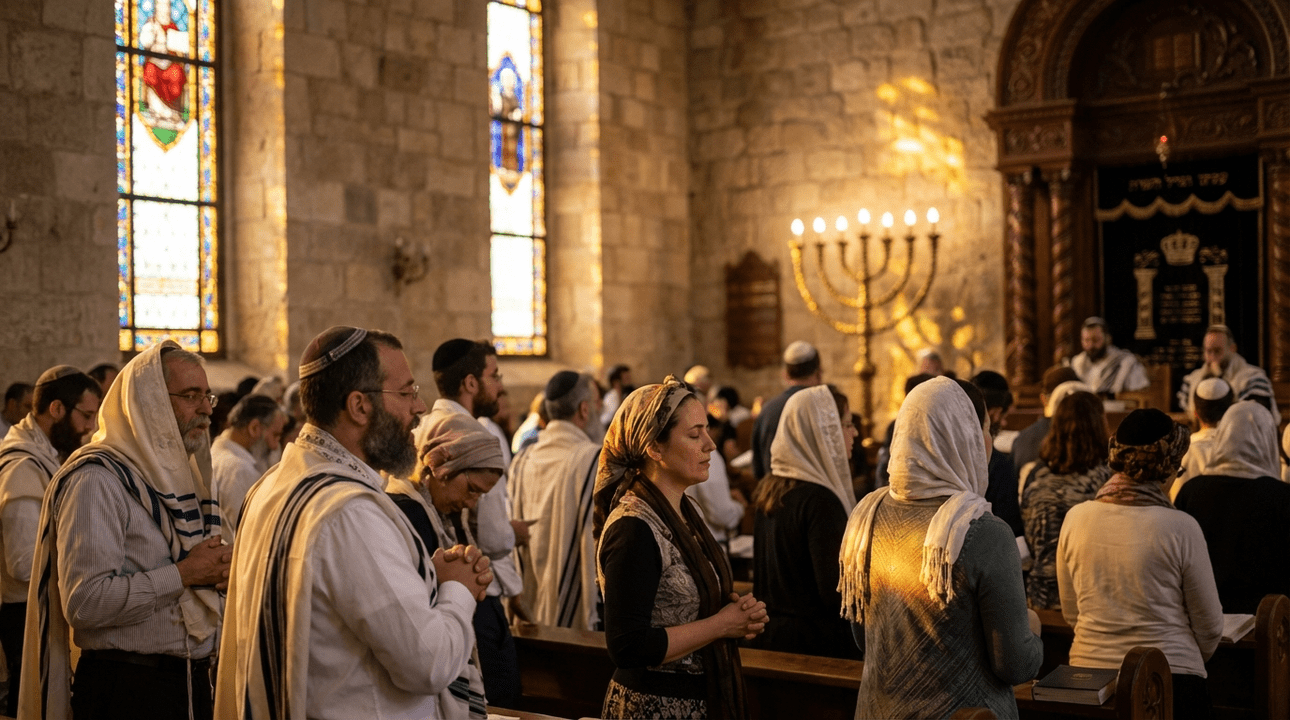
Through its practices, Yom Kippur strengthens Jewish identity by connecting people to their roots while guiding them into the future. The communal aspect of the day, with synagogues filled for prayer and reflection, underscores the collective nature of the observance.
By fostering a sense of belonging and shared purpose, Yom Kippur remains a cornerstone of Jewish life, promoting unity and continuity across generations. The shared experience of fasting and prayer reinforces the bonds within the community, creating a powerful sense of solidarity and mutual support.
The day also serves as a reminder of the importance of community in Jewish life, as individuals come together to support one another in their spiritual journeys. This collective experience is mirrored in the biblical narrative of the Israelites, who, as a community, sought forgiveness and redemption.
The communal prayers, such as the Vidui (confessional), emphasize the shared responsibility of the community to uphold the values of justice and compassion. Through these practices, Yom Kippur continues to inspire a sense of unity and purpose, vital for the preservation of Jewish identity.
Understanding Yom Kippur
