
Exploring the Legacy of King Jehu


Jehu’s narrative in the Bible is one of power, ambition, and divine intervention. As the king over Israel, he plays a pivotal role in the biblical story. In 2 Kings 9:1-13, a prophet sent by Elisha anoints Jehu as king, marking the beginning of his rise to power.
This anointing is significant as it reflects a divine endorsement of his kingship. In this article, we explore Jehu’s ascent to power, his decisive actions, and his lasting impact on Israel’s history. His reign is marked by decisions that shaped the future of the nation.
By examining key biblical passages, such as 2 Kings 10:18-28, where Jehu eradicates Baal worship, we attempt to understand the complexity of his reign and the prophetic endorsements he received in his tumultuous journey. His story is not just about political power but also about fulfilling a divine mission.
Jehu’s actions aligned with earlier prophecies, including those by Elijah, which foretold the downfall of Ahab’s house. His narrative provides a rich tapestry of leadership, divine mandate, and the challenges of maintaining faithfulness to spiritual objectives.
from the Western Wall to Masada.
Who Was Jehu in the Bible?
Jehu was the son of Jehoshaphat and a key figure in the northern kingdom of Israel. He is best known for being anointed as king by the prophet Elisha’s servant, a decisive act that fulfilled divine prophecy and marked the beginning of his complicated rule.
Jehu’s ascension is described in 2 Kings 9:1-13. Elisha instructed a young prophet to anoint him as king with a vial of oil, a symbol of divine favor and authority. Jehu was chosen to end the dynastic line of Ahab, notorious for its idolatry and oppression.
This divine anointment aligned with the broader biblical pattern of God selecting leaders to fulfill specific purposes.
Jehu’s mission, as recounted in the Bible, was to eradicate the worship of Baal, a task given divine endorsement. This mission required great zeal and drastic measures, marking him as a reformer with a controversial but critical role in history.
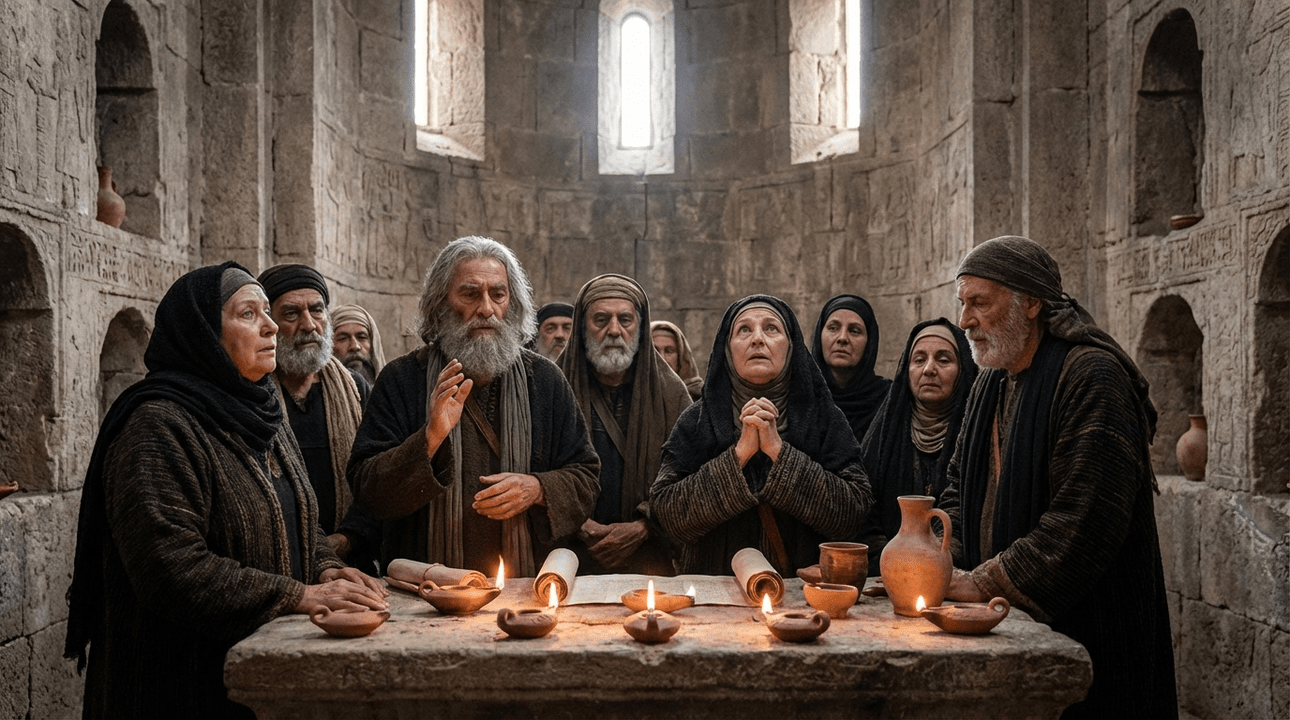
Under his leadership, the cults of Baal faced dismantling, fulfilling a long-standing divine decree. In 2 Kings 10:18-28, Jehu deceptively called a solemn assembly of Baal worshippers, only to trap and destroy them all in their temple.
This acted as a significant religious cleanup in Israel, realigning the kingdom with worship practices acceptable to the God of Israel.
Jehu’s Relationship with the Prophets
Jehu’s rise was not only a political change but also a theological shift outlined by prophets like Elisha. This relationship with prophets reinforced his legitimacy in the divine plan and emphasized prophetic influence on leadership transitions in Israel.
In the biblical narrative, prophets served as intermediaries between God and the people of Israel, often guiding or anointing kings with divine mandates. Elisha, a prominent prophet, was central in Jehu’s anointment and mission.
This pivotal moment illustrates the authority and autonomy prophets held in ancient Israel, directly affecting national and spiritual directions.
The dynamic between Jehu and the prophets is seen in his willingness to embrace prophetic guidance to initiate radical reforms. However, these reforms brought destruction, including the eradication of Ahab’s lineage. In 2 Kings 9:14-37, his zealous campaign against the house of Ahab is detailed, fulfilling Elijah’s prophecy against Jezebel and her family.
This action was not merely political; it was tied to earlier prophetic declarations, making Jehu’s kingship a fulfillment of divine retribution. His campaign was a direct response to the divine instructions given through prophets.
Jehu’s campaign against the house of Ahab was brutal yet seen as necessary to cleanse Israel of idolatry and corruption. The execution of Jezebel, as described in 2 Kings 9:30-37, was a significant moment in his campaign, demonstrating his commitment to fulfilling the prophetic word.
His willingness to act decisively against the previous regime’s sins highlights the complex relationship between divine will and human action. Jehu’s reign is a testament to the challenges faced by leaders who are tasked with executing divine justice while managing the political realities of their time.

Controversial Tactics and Political Implications
Jehu’s rule and tactics, while achieving religious reforms, were marked by controversy and violence. His approach was ruthless but effective, leading to significant political restructurings in the kingdom of Israel.
The methods he employed raised ethical questions about the means used to achieve religious purity and power. Jehu’s purges eliminated potential threats, aligning with divine aspirations but creating a legacy of bloodshed.
In 2 Kings 10:11, he eliminated all remaining allies and supporters of the house of Ahab, thus consolidating political power through force, a strategy typical of ancient Near Eastern monarchs.
Jehu’s legacy is viewed through the lens of biblical morality, assessing his alignment with divine instructions against his violent methods. While successful in removing idolatry, his methods remain a subject of debate. The biblical narrative reflects this complexity, balancing his achievements with accounts of excessive violence, which later might have undermined his rule.
2 Kings 10:1-11 describes his ruthless actions against Ahab’s family, raising questions about the morality of his methods.
Jehu’s reign serves as a cautionary tale about the balance between achieving divine goals and maintaining ethical leadership, and his story continues to fuel discussions about moral leadership among scholars. His decisions prompt reflection on the consequences of prioritizing religious objectives over ethical considerations.
Jehu’s narrative encourages a deeper examination of the motivations behind leadership decisions and the potential long-term impact on both spiritual and political realms.
from the Western Wall to Masada.
The House of Jehu and Its Historical Impact
Jehu established a dynasty that lasted for several generations, marking a significant period in Israel’s history. Though rooted in disruption, his lineage brought relative stability post-purges. This continued with his descendants maintaining a stronghold on power, evidenced by the survival of his house through four generations.
2 Kings 15:8-12 records the continuation of Jehu’s dynasty, showing the long-term impact of his reign.
Despite his initial upheavals, Jehu’s family maintained a legacy of leadership. According to biblical accounts, his rule is both critiqued and celebrated, as he managed to uphold traditional worship and maintain political structures even amidst regional challenges.
Jehu’s story illustrates the complexity of leadership that balances immediate actions with long-term stability, offering insights into the lasting effects of leadership decisions.
Jehu’s impact is appreciated in its complexity; his decisive actions towards idolatry preserved monotheistic traditions in a time when foreign cults threatened to fragment Israel. The biblical historiography offers insights into ancient Israelite society’s values, highlighting Jehu’s commitment to eradicating Baal worship as indispensable to preserving Israel’s religious identity in the Bible.
2 Kings 10:18-28 details his efforts to eliminate Baal worship, demonstrating his dedication to restoring monotheism.
In 2 Kings 10:30, God acknowledges Jehu’s zeal for carrying out divine instructions, granting his descendants continued rule, illustrating divine approval despite his controversial methods. This acknowledgment highlights the complex relationship between divine approval and human actions.
His story serves as a reminder of the importance of aligning one’s actions with spiritual objectives while considering the ethical implications of those actions.

Lessons from Jehu’s Story
Reflecting on Jehu’s narrative offers lessons on the nuances of leadership under divine mandate. His story underscores the challenges and responsibilities inherent in executing what is interpreted as divine will. Jehu exemplifies how zeal for religious reforms demands careful consideration of means and motives.
His narrative is a study in leadership balancing divine commandment with human ethics. As seen in 2 Kings 10:29-31, his commitment to removing idolatry was acknowledged, yet his failure to fully follow divine law is noted.
By exploring Jehu’s story, we understand the intricate interplay between faith and governance in biblical times, providing modern insights into leadership and moral clarity. His reign illustrates the tension between fulfilling a divine mission and maintaining ethical integrity.
Jehu’s actions challenge leaders to consider the broader implications of their decisions and the importance of aligning their leadership with both spiritual and ethical values.
The life of Jehu provokes contemplation on the nature of divine justice and human action. It presents a challenge to weigh traditional religious adherence against compassionate leadership. His decisions prompt reflection on the pursuit of spiritual and political goals, stressing the importance of evaluating consequences in the quest for religious authenticity.
Jehu’s story, particularly his zeal in eradicating Baal worship, as seen in 2 Kings 10:18-28, raises questions about the balance between religious fervor and ethical governance.
Through Jehu’s legacy, we find lessons applicable beyond his era, offering reflections on justice, faith, and ethical leadership in historical contexts. His actions serve as a reminder of the potential pitfalls of zeal without wisdom and the importance of aligning one’s actions with ethical principles.
His narrative encourages modern readers to consider the implications of their leadership decisions and the lasting impact they may have on their communities and spiritual lives.
Jehu's Legacy and Historical Context
