
The Art and Significance of Burning Frankincense
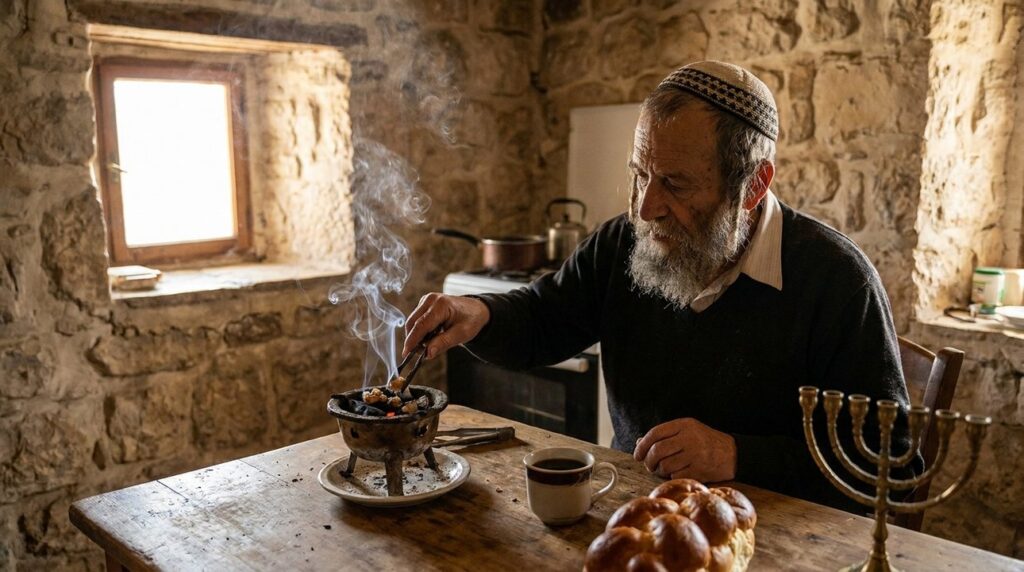

Frankincense, an aromatic resin, has been a treasured element in religious and cultural rituals for centuries. Ancient Egyptians used it in the embalming process, highlighting its significance in rituals surrounding death and the afterlife. Burning frankincense invokes a sense of peace and spirituality. The Bible mentions it in Exodus 30:34 as part of the sacred incense.
From ancient rituals to modern aromatherapy, its captivating aroma holds deep cultural significance. Frankincense’s role in religious ceremonies is a testament to its enduring presence in spiritual practices.
Frankincense is also noted in the story of the Queen of Sheba, who brought gifts, including spices, to King Solomon (1 Kings 10:2). This exchange highlights the value placed on frankincense as a luxury item and a symbol of wealth and status. The Incense Route, which facilitated frankincense trade, connected the Arabian Peninsula with the Mediterranean, playing a crucial role in the economy and cultural exchanges of the ancient world.
For over 2,000 years, this trade route demonstrated the historical importance of frankincense, influencing the cultures and economies of the regions it touched.
Historical Origins of Frankincense
Frankincense has been valued for thousands of years by ancient civilizations, including the Egyptians and Babylonians. The resin was often used in religious ceremonies, symbolizing prayer and ascension.
According to historians, frankincense was part of the incense offered in the Jerusalem Temple. Exodus 30:34-38 describes its role in sacred rituals, highlighting its importance in ancient worship practices.
The gathering and trade of frankincense formed a significant part of the economy in ancient Arabia, exemplifying its wide-ranging influence.
In ancient Egypt, frankincense was used for embalming and as an offering to the gods. Its smoke was thought to carry prayers to the divine realm. The Greeks and Romans also utilized frankincense in their religious rites.
A vital component of their sacrificial rituals, it further attested to its spiritual significance. Traders transported frankincense along the Incense Road, from the Arabian Peninsula to the Mediterranean.
This trade route connected different cultures and faiths, enhancing frankincense’s role in religious and economic exchanges.
The Spiritual Meaning in Jewish Tradition
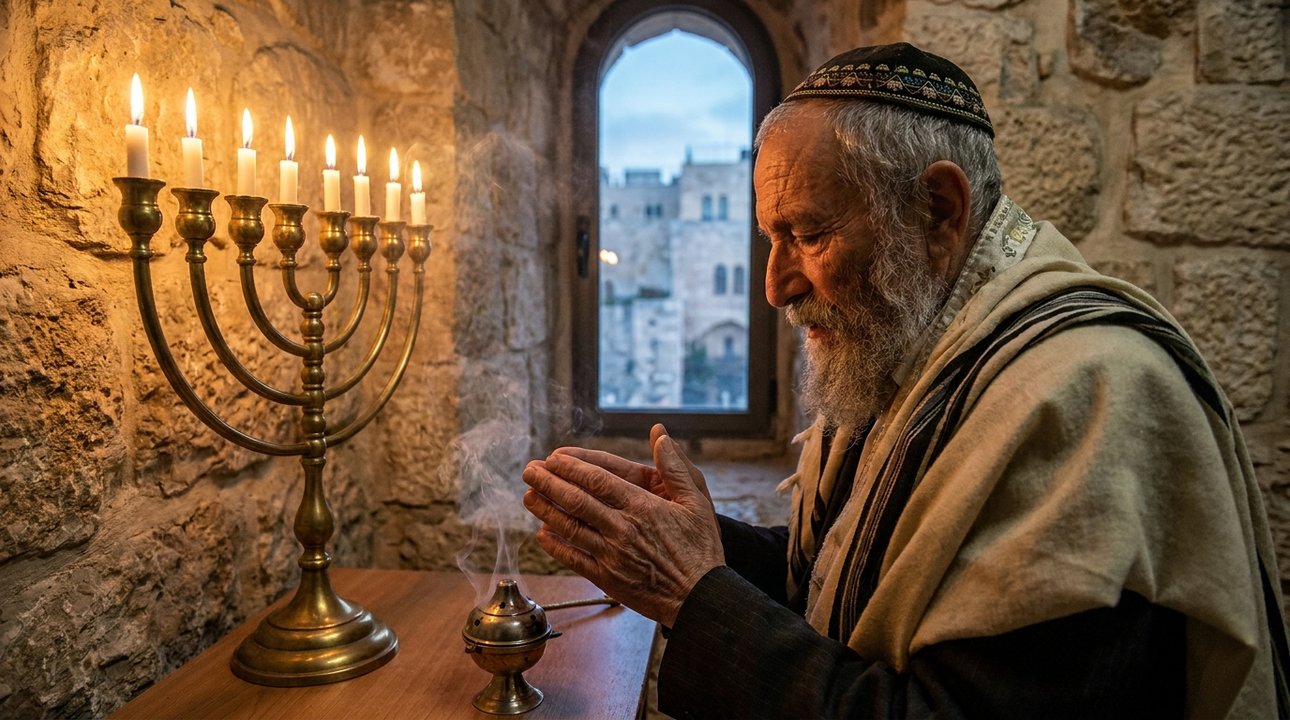
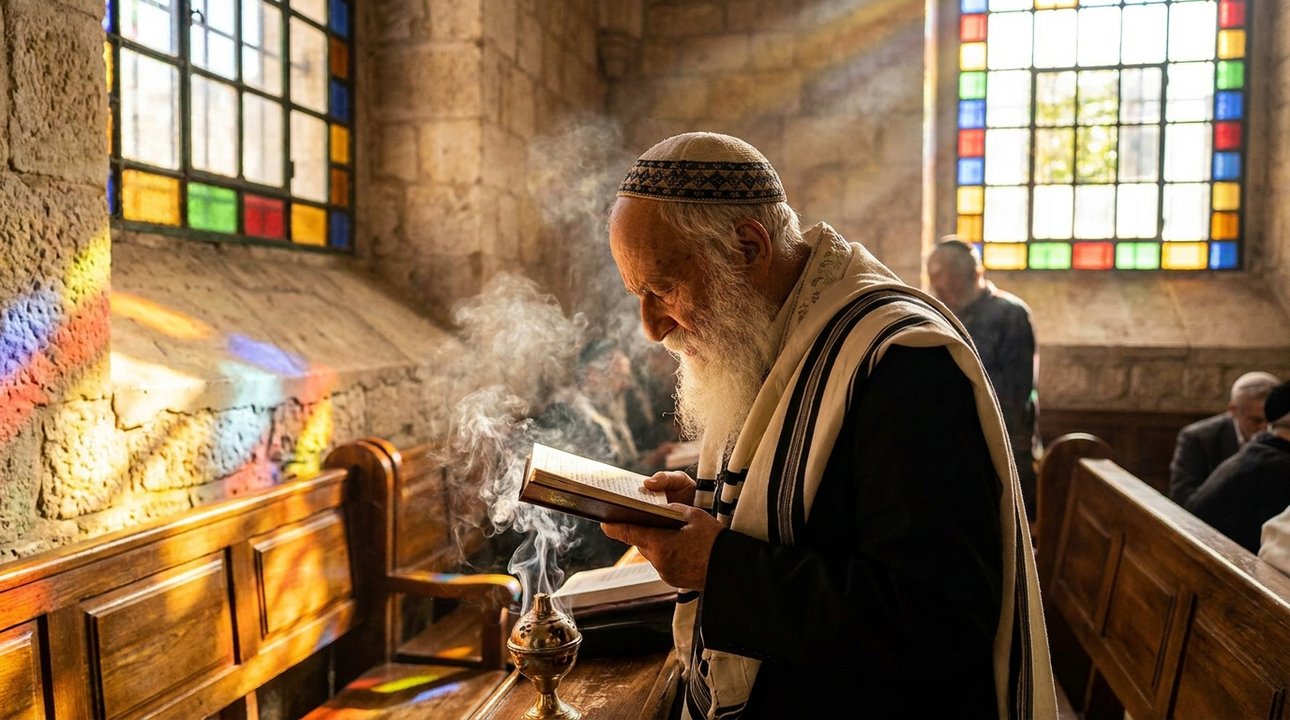
In Jewish worship, frankincense was part of the Ketoret, the incense offering in the Temple. The Talmud describes it as a vital element of daily services. Each ingredient of the Ketoret held symbolic meaning, representing different aspects of worshipful life. Frankincense, in particular, was seen as a representation of purity and divinity, transcending the earthly realm.
Exodus 30:34-38 describes it as a sacred component of the incense used in the Tabernacle. This highlights its role in creating a sacred atmosphere and facilitating a connection to the divine during worship.
The aromatic smoke of frankincense was believed to please and honor the divine presence, creating a bridge between the earthly and the spiritual. The Torah emphasizes incense offerings as a key part of worship, as seen in Exodus 30:7-8, where Aaron is instructed to burn incense every morning and evening. This practice highlighted the importance of sensory experiences in religious rituals, allowing worshippers to feel a tangible connection to their spiritual heritage.
This use of incense underscores the role of fragrance in creating a sacred atmosphere, enhancing the spiritual experience and making the divine presence more palpable to the senses.
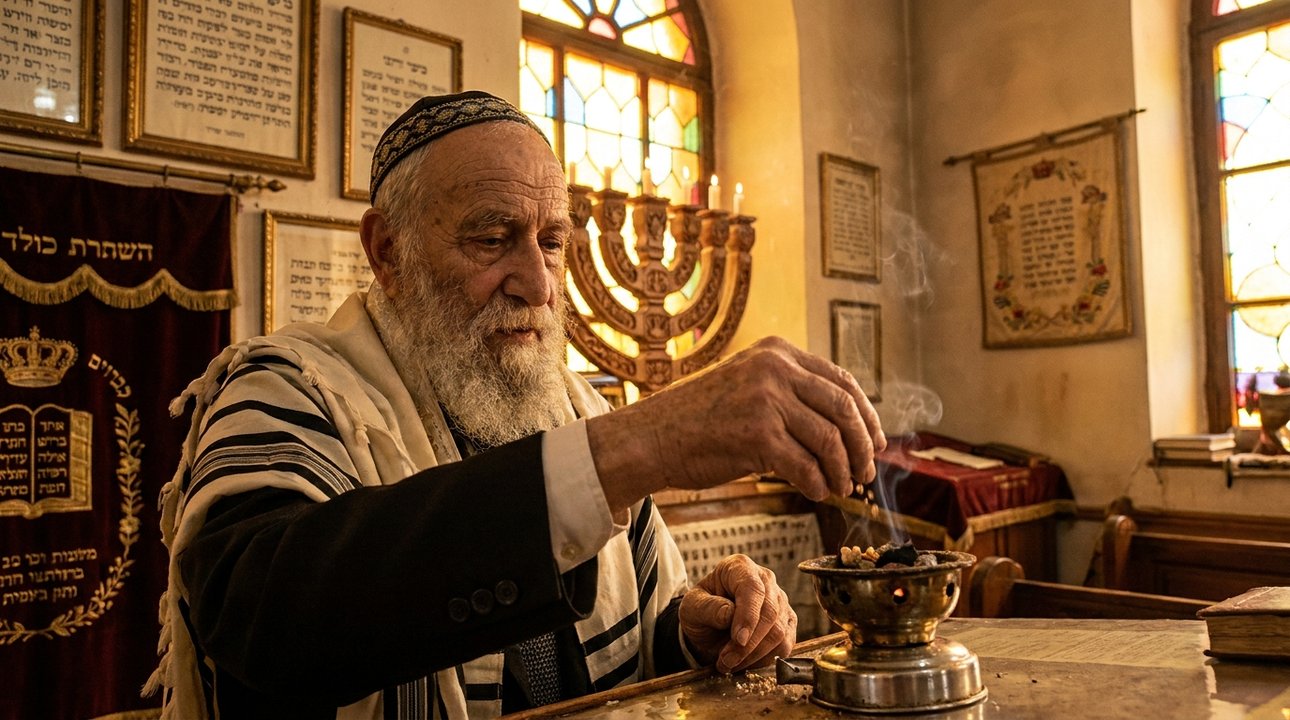
The daily incense offering was a central component of the Temple’s ritual life. Rabbinic literature highlights its importance in maintaining a sacred atmosphere. Including frankincense in the Ketoret enriched the ceremonial experience, enhancing the sense of holiness.
This practice of burning incense reflects a profound connection with tradition, a continuity that Jewish communities maintain in ritual and prayer. Understanding its historical and spiritual context offers insight into its enduring role in cultural memory.
Modern Uses and Benefits of Frankincense
Today, frankincense is popular in aromatherapy and alternative medicine. Its essential oil is renowned for its soothing properties and is often included in skin-care products. The resin’s historical use dates back to ancient times when it was valued for its medicinal properties. Egyptians used frankincense in the embalming process, believing it purified and protected the soul in the afterlife.
Burning frankincense may also improve mental clarity and concentration, serving as a tool for meditation. Ancient Greeks utilized it in healing temples dedicated to Asclepius, the god of medicine, highlighting its historical role in health and wellness.
These modern applications highlight its versatility and long-standing influence. The calming effects of frankincense have been studied, showing potential benefits for reducing anxiety and promoting relaxation. Research has indicated that frankincense may affect the limbic system, the part of the brain involved in emotions, which is why it is often used in aromatherapy.
Its use in wellness practices continues to grow, bridging historical traditions with contemporary health trends. The enduring popularity of frankincense in modern wellness reflects its timeless appeal and the ongoing search for natural remedies.
Frankincense continues to be a symbol of tranquility, used in wellness practices worldwide. Its calming aroma creates a peaceful ambiance, beneficial for meditation. Many cultures regard it as an integral part of spiritual and healing rituals, bridging ancient wisdom with contemporary life.
In Ayurvedic medicine, frankincense is used to balance the mind and body, promoting holistic well-being. The enduring allure of frankincense resonates with those seeking deeper meaning and connection, offering a timeless link to the past and a source of comfort in the present.
Aromatherapy practitioners often recommend it for grounding and introspection. Its use in modern wellness practices underscores its timeless appeal and adaptability. In traditional Chinese medicine, frankincense is known as ‘Ru Xiang’ and is used to invigorate the blood and alleviate pain.
As people seek natural ways to enhance their mental and emotional health, frankincense offers a link to ancient practices that continue to inspire and heal. Its soothing properties make it a valuable tool for those looking to connect with their inner selves and find peace in a hectic world.
Cultural Influence of Frankincense Across the World
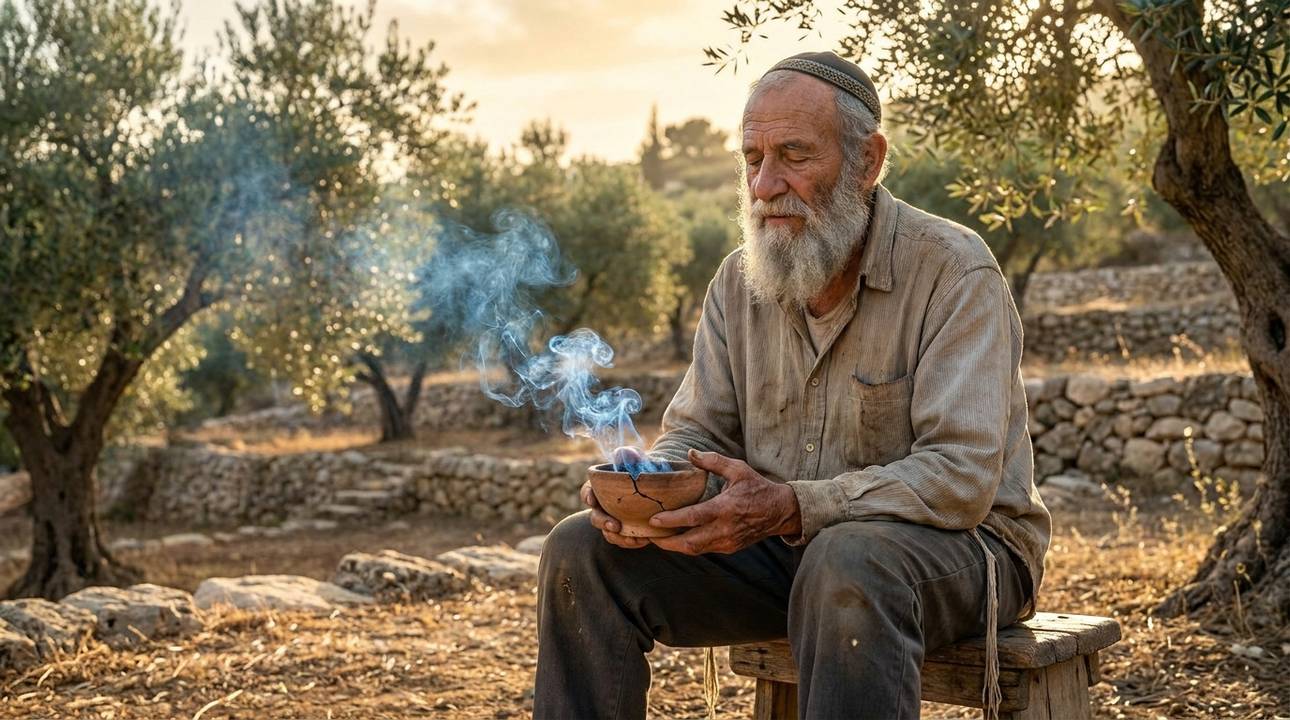
Frankincense has influenced various cultures beyond its religious significance. Romans burned it during public ceremonies and celebrations, symbolizing wealth and power. The Roman historian Pliny the Elder noted its importance in his writings, highlighting its value in Roman society.
Its exotic scent has inspired artists, poets, and musicians. In Christianity, it is associated with the Nativity story, symbolizing the gifts brought to the infant Jesus by the Magi. This connection to sacred narratives has cemented its place in cultural and religious traditions.
While not explored in this article, its mentions in literature and music attest to its broad cultural impact. For many, burning frankincense evokes a sense of wonder and reflection, reflecting humanity’s shared heritage. The Bible often associates incense with prayer and worship, as seen in Leviticus 16:12-13, where incense is used during the Day of Atonement.
Its presence in cultural narratives underscores its role as a symbol of connection and continuity, linking past and present through shared rituals and artistic expressions.
The symbolism of frankincense continues to inspire artistic expression. In ancient times, it was used in religious ceremonies, and its fragrant smoke was believed to carry prayers to the heavens. Psalms 141:2 reflects this practice, comparing prayers to incense rising before the divine.
It is a bridge between the ancient and the modern, history and creativity. Authors like Rudyard Kipling have referenced frankincense in literature to evoke exotic and mystical imagery. Its integration into various cultural narratives demonstrates its universal appeal and enduring legacy.
Whether through literature, music, or visual arts, frankincense remains a profound source of inspiration and metaphor. Artists have used its imagery to explore themes of spirituality and transcendence. Ancient texts, such as the Song of Songs, use fragrances to symbolize love and devotion, illustrating the deep emotional connections evoked by scents.
Its fragrant smoke curls through time, connecting diverse traditions and peoples. During the Middle Ages, incense in religious ceremonies became widespread, further embedding its significance in cultural expressions of faith and devotion.
Frequently Asked Questions
