Exploring Israel’s Culture: After Solomon’s Death and Clothing Traditions
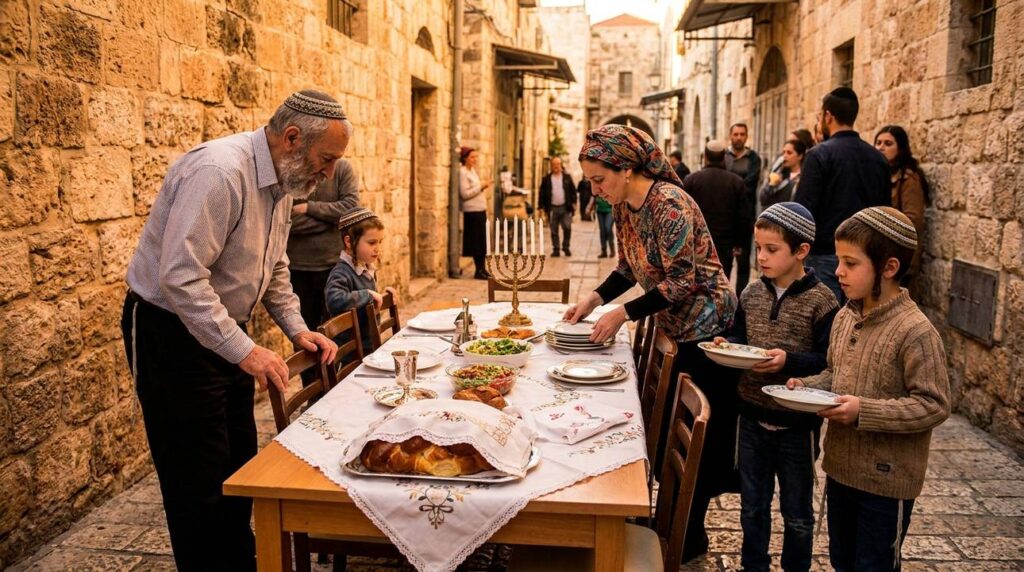

Israel’s culture underwent a significant transformation after Solomon’s death around 931 BCE. The nation split into two kingdoms: the northern kingdom of Israel and the southern kingdom of Judah. This division marked a new era characterized by political upheaval and cultural evolution.
Daily life, including clothing traditions, evolved remarkably during this time. For instance, the Bible mentions changes in attire reflecting societal shifts (1 Kings 12:16-19). Understanding these changes offers a window into the ancient world, illuminating the daily realities and broader socio-political landscape.
The split led to the development of distinct cultural identities, with each kingdom adopting unique practices and traditions. The northern kingdom, with its capital in Samaria, often faced external threats, influencing its cultural and religious practices.
In contrast, Judah, centered in Jerusalem, maintained a strong connection to its religious heritage, as seen in the continued importance of the Temple. These differences are reflected in the writings of prophets like Amos and Micah, who addressed the social and spiritual challenges of their respective regions.
Israel After Solomon: The Split and Its Impact
The death of King Solomon marked a pivotal moment in Israel’s history. Following his reign, the united kingdom began to fracture due to internal dissent. According to 1 Kings 12, Solomon’s son, Rehoboam, ascended the throne, but his harsh policies led to widespread discontent.
In this atmosphere of unrest, Jeroboam, a former official under Solomon, emerged as a leader of the dissenting tribes. The resulting division created two distinct entities: the northern Kingdom of Israel and the southern Kingdom of Judah.
This split set the stage for centuries of separate rule, greatly influencing cultural and religious practices.
The division had deep consequences, affecting not only political landscapes but also everyday customs. Rivalries between the two kingdoms sometimes intensified these shifts, as each sought to assert its identity.
The distinct paths taken by Israel and Judah highlight the complexities within the biblical narrative and the resilience of cultural traditions. Understanding these dynamics gives insight into how political events shape cultural evolution.
The split kingdom period was marked by alliances, conflicts, and cultural development that would define the region for generations.
The northern kingdom, often in conflict with neighboring states like Aram, sought alliances to strengthen its position, as seen in 1 Kings 15:18-20. Meanwhile, Judah maintained its Davidic lineage, emphasizing continuity and tradition.
These political maneuvers influenced cultural practices, with each kingdom developing distinct identities. The prophets, such as Hosea and Isaiah, played pivotal roles in guiding the people through these turbulent times, as their writings reflect the social and spiritual challenges of the era.
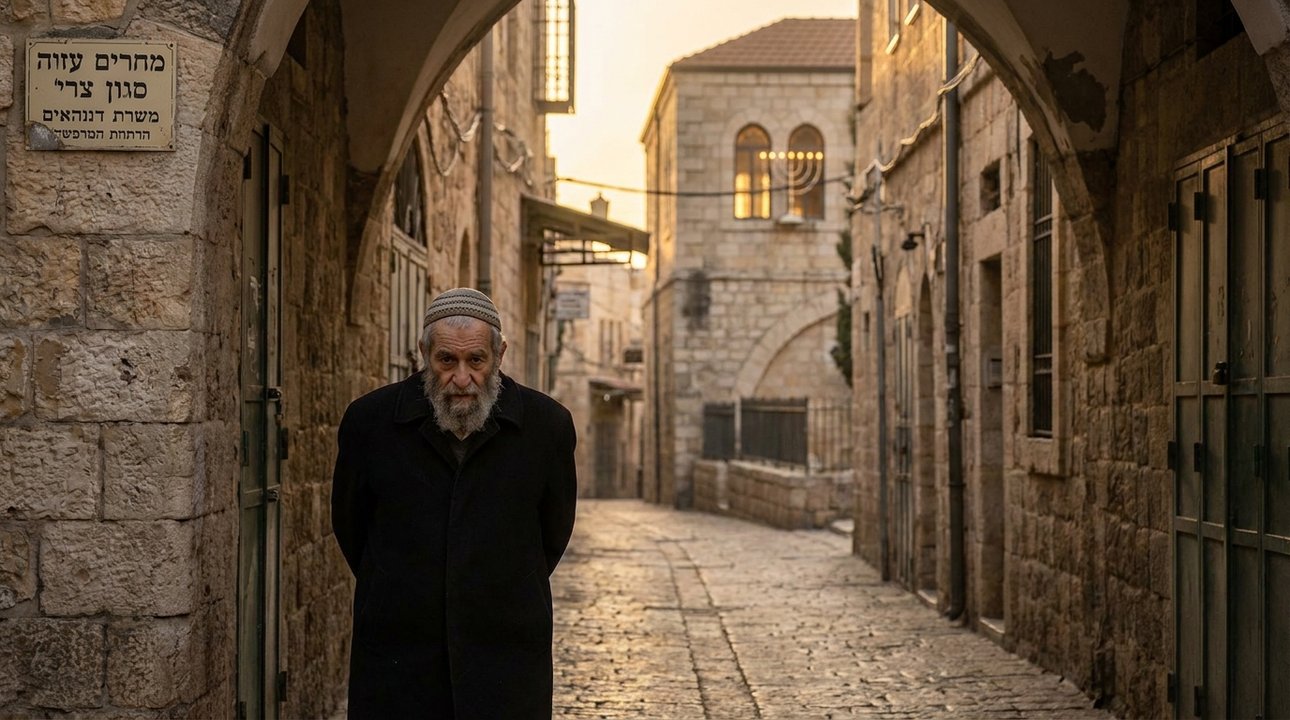
Women’s Clothing in Ancient Israel
Examining ancient clothing, particularly women’s attire, offers a fascinating glimpse into the daily life and societal norms of Israel. Clothing was not merely practical but conveyed status and identity. Common materials included wool and linen, skillfully woven into garments like cloaks and tunics.
The ‘aba’, a typical cloak, protected against weather variations. While styles varied between regions, certain garments were consistently used throughout the area. Jewelry and adornments often complemented clothing, reflecting personal and communal beliefs.
The ‘aba’ cloak is mentioned in Deuteronomy 22:12, where tassels are added to the corners, signifying adherence to religious commandments. Tunics, or ‘ketonet’, were another staple, as seen in Genesis 37:3, where Joseph’s coat of many colors is described. These garments were not just functional but also carried cultural and religious significance.
Adornments like necklaces and rings, mentioned in Genesis 24:22, were often given as gifts, symbolizing wealth and social connections, and were integral to a woman’s attire.
Women’s clothing in ancient Israel often featured vibrant colors and intricate designs, symbolizing various roles and statuses within society. The Bible, in Proverbs 31:22, refers to fine linen garments, highlighting the importance of appearance in ancient culture.
These elements reveal an appreciation for beauty and functionality. Such attire wasn’t just about comfort; it also played a vital role in societal symbolism, depicting wealth or modesty. The use of specific colors and materials often indicated social status or community roles.
For instance, purple and blue were colors associated with royalty and high status, as seen in Exodus 28:5-6, where these colors are used in priestly garments. Linen, a common material, was not only prized for its quality but also for its symbolic purity. In addition, jewelry such as bracelets and anklets, referenced in Isaiah 3:18-23, further emphasized a woman’s status and personal wealth.
The intricate designs and vibrant hues of these garments were more than decorative; they communicated identity and belonging within the community.
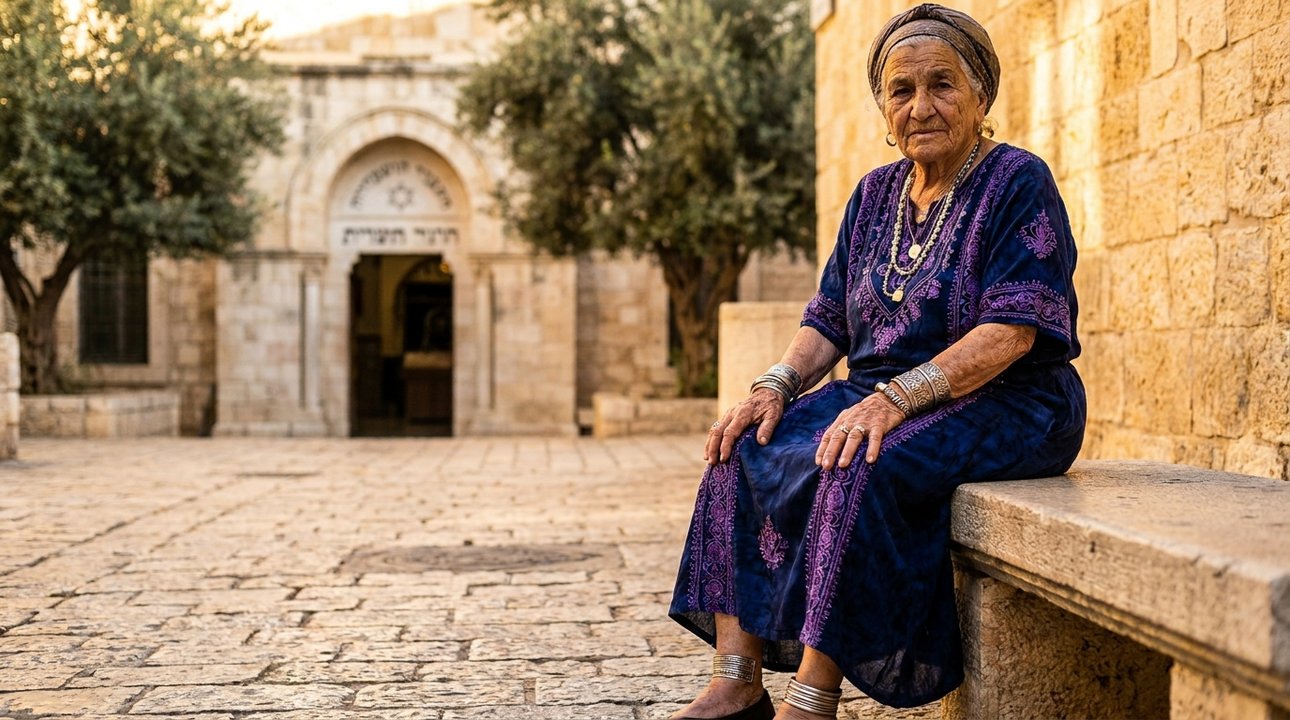
Cultural Shifts Post-Division
The cultural division following Solomon’s death was more profound than territorial. It led to differing religious practices and cultural norms between the north and south.
Each kingdom developed unique traditions, with varied worship practices highlighted in their respective capitals, Jerusalem in Judah and Samaria in Israel. Religious texts and prophets from this era often reflect these divergences.
The consequences of the division shaped Jewish history, with cultural memories persisting throughout periods of exile. This division is documented in texts like 1 Kings 12:25-33.
In the northern kingdom, alternative religious centers were established, such as Bethel and Dan, where golden calves were set up, as mentioned in 1 Kings 12:28-30. Meanwhile, Jerusalem remained the spiritual heart of Judah, with the Temple playing a central role in worship.
Prophets like Elijah and Elisha emerged during this period, addressing the religious and moral challenges faced by the divided kingdoms. Their messages, recorded in the books of Kings, highlight the spiritual and cultural tensions that arose from the division.
Prophets like Hosea in the north and Isaiah in the south captured the differing practices and expectations of the divided kingdoms. Their messages preserved religious teachings and forewarned of consequences, illustrating the significance of spiritual fidelity.
The interplay of geographical, political, and religious factors during this period created a mosaic of traditions. As we explore these stories, we appreciate how history and culture are interconnected, reflecting broader societal changes. These narratives highlight the enduring impact of prophetic voices on cultural identity.
Hosea’s prophecies, found in the book of Hosea, emphasize the need for repentance and faithfulness, using the metaphor of a troubled marriage to describe Israel’s relationship with the divine. In contrast, Isaiah’s messages, recorded in the book of Isaiah, focus on hope and redemption for Judah.
These prophetic voices not only addressed immediate concerns but also laid the foundation for future spiritual and cultural developments. Their teachings continue to resonate, offering insights into the enduring challenges of maintaining cultural and spiritual integrity.
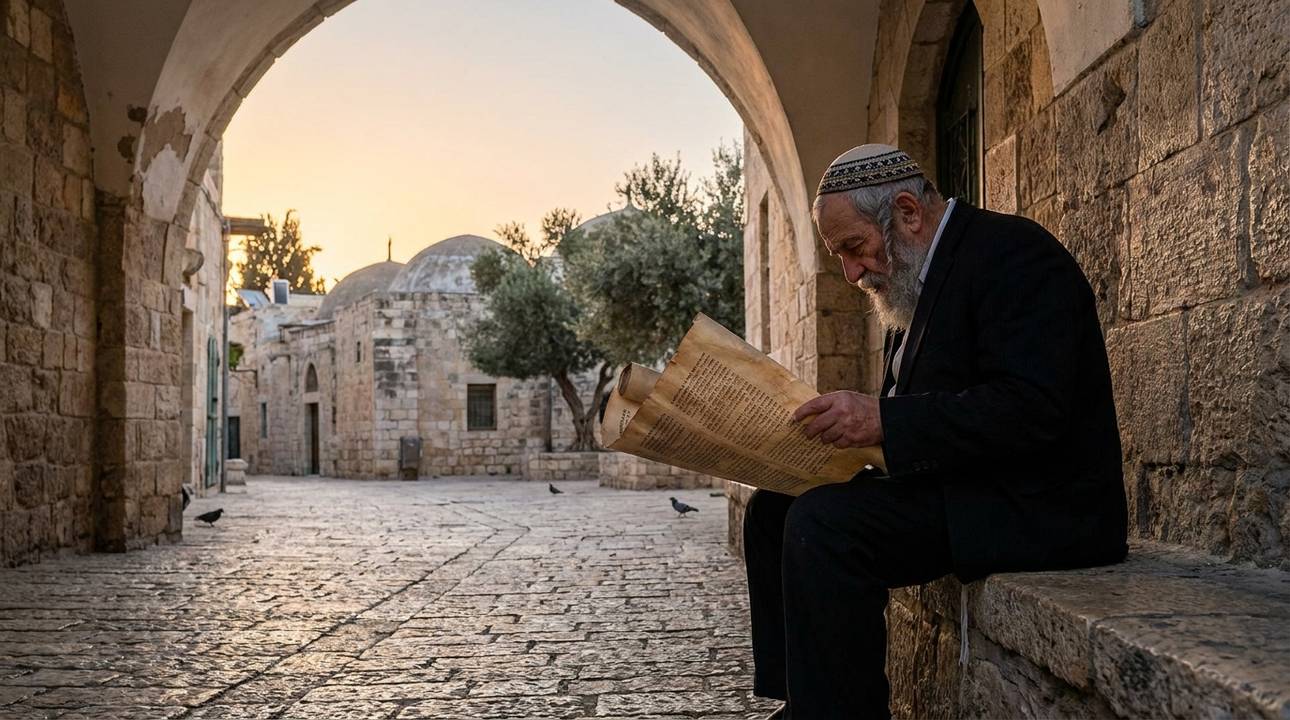
Legacy and Lessons for Today
The historical split left lasting influences on Jewish culture and identity, evident in modern themes of unity and diversity within Israel. The narratives from this time serve not only as historical records but also as lessons of resilience and adaptation.
Understanding these past events tells us much about maintaining cultural identity amidst change. The dual kingdom period exemplifies how history shapes cultural identity, underlying the continuous thread of tradition in Jewish life. This era’s influence is seen in the ongoing emphasis on unity despite diversity.
The division into the kingdoms of Israel and Judah, as described in 1 Kings 12:20-24, illustrates the complexity of maintaining unity in diversity. The northern kingdom, with its capital in Samaria, and the southern kingdom, centered in Jerusalem, developed distinct cultural practices.
Despite their differences, both kingdoms shared a common heritage and religious tradition, which continued to influence Jewish identity. The prophets, such as Amos and Micah, played crucial roles in advocating for social justice and spiritual integrity during this period.
Today, the cultural heritage of Israel echoes the complexities faced by Solomon’s successors. Although modern Israel stands as a unified state, the historical division into the kingdoms of Israel and Judah offers insights into overcoming challenges through shared values and traditions.
Recognizing these historical connections allows a deeper appreciation for contemporary Israeli culture, which is rooted in its storied past. The lessons of resilience and unity from this period continue to influence modern Israeli society, emphasizing the importance of cultural continuity.
The division is documented in 2 Chronicles 10:16-19, where the tribes of Israel express their discontent, leading to the secession. This historical event underscores the importance of dialogue and reconciliation in maintaining unity.
The enduring legacy of these events is evident in Israel’s cultural emphasis on community and shared identity. The stories from this era remind us of the strength found in diversity and the enduring power of cultural heritage to unify and inspire.
Kingdom Division and Culture