
Discovering the Sweet World of Date Honey
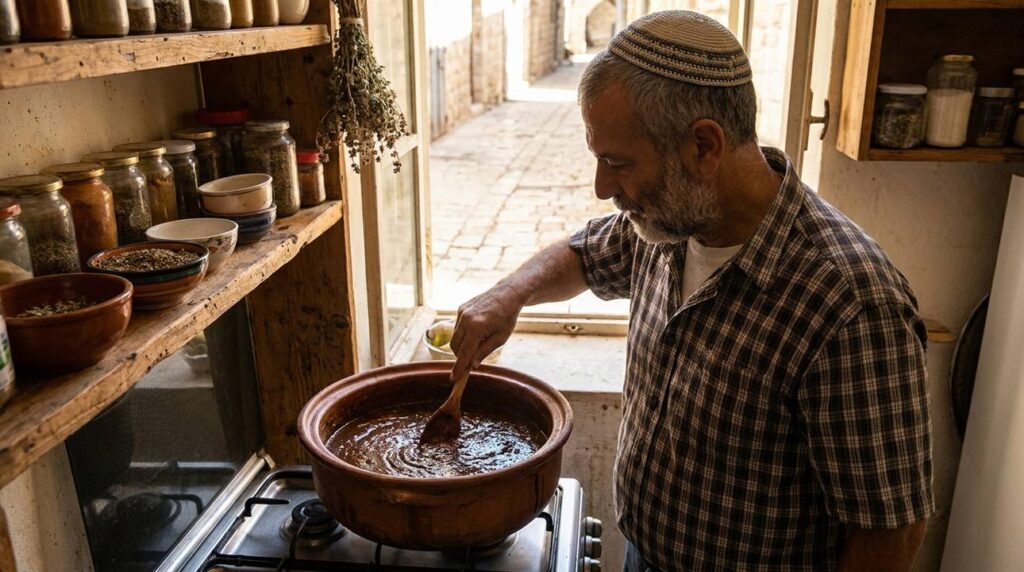

Date honey, known as ‘silan’ in Hebrew, is a luscious treat integral to Israeli cuisine, blending the natural sweetness of dates with the rich history of the land. The use of dates can be traced back to ancient times, as mentioned in the Bible, where they were a staple in the diet of the Israelites (2 Samuel 6:19).
In this article, we will explore the nuances of silan’s role in Israeli culture, its culinary uses, and how it compares to traditional honey. Through this journey, we will uncover why this syrup is cherished by so many and its connection to the heritage of Israel.
Its use in dishes like tahini and silan sauce highlights its versatility and cultural significance. In the ancient city of Jericho, one of the oldest inhabited cities, date palms were abundant, providing a vital food source.
The significance of this syrup is not only culinary but also cultural, as it represents the resilience and adaptability of the people who have cultivated it for generations. This exploration will reveal how it continues to be a beloved ingredient, connecting people to the land and its history.
Israeli Cookbook
Inspired by the Farms of Israel
What is Date Honey?
Silan is not actually honey made by bees. It is a syrup derived from dates, offering a sweet, rich flavor alternative to traditional bee honey. In Middle Eastern cuisine, it plays a significant role, particularly in Jewish celebrations and traditions.
It’s often used in recipes dating back centuries, incorporating the essence of the region’s agricultural past. The process of making silan involves boiling dates and then straining the liquid, creating a thick, molasses-like syrup.
This method has been passed down through generations, reflecting the area’s resourcefulness and culinary creativity. Silan was a valuable commodity, often traded along routes that connected different cultures and regions.
Its enduring popularity is a testament to its versatility and the deep connection people have with this natural sweetener. Today, it continues to be a staple in many households, used in both traditional and modern recipes, bridging the gap between past and present. Our subscription service offers 6-8 products, ensuring that the contents vary with each delivery.
Date Syrup vs Honey: What’s the Difference?
The most distinct difference between date syrup and traditional honey lies in their sources. Date syrup originates from dates, while honey is produced by bees from floral nectar. Silan is often darker and more robust in flavor compared to the lighter, floral notes of traditional honey.
This makes it particularly appealing in robust dishes requiring a deep, sweet undertone. While both sweeteners have cultural significance, silan’s roots in the Middle East give it a unique place in the regional culinary landscape.
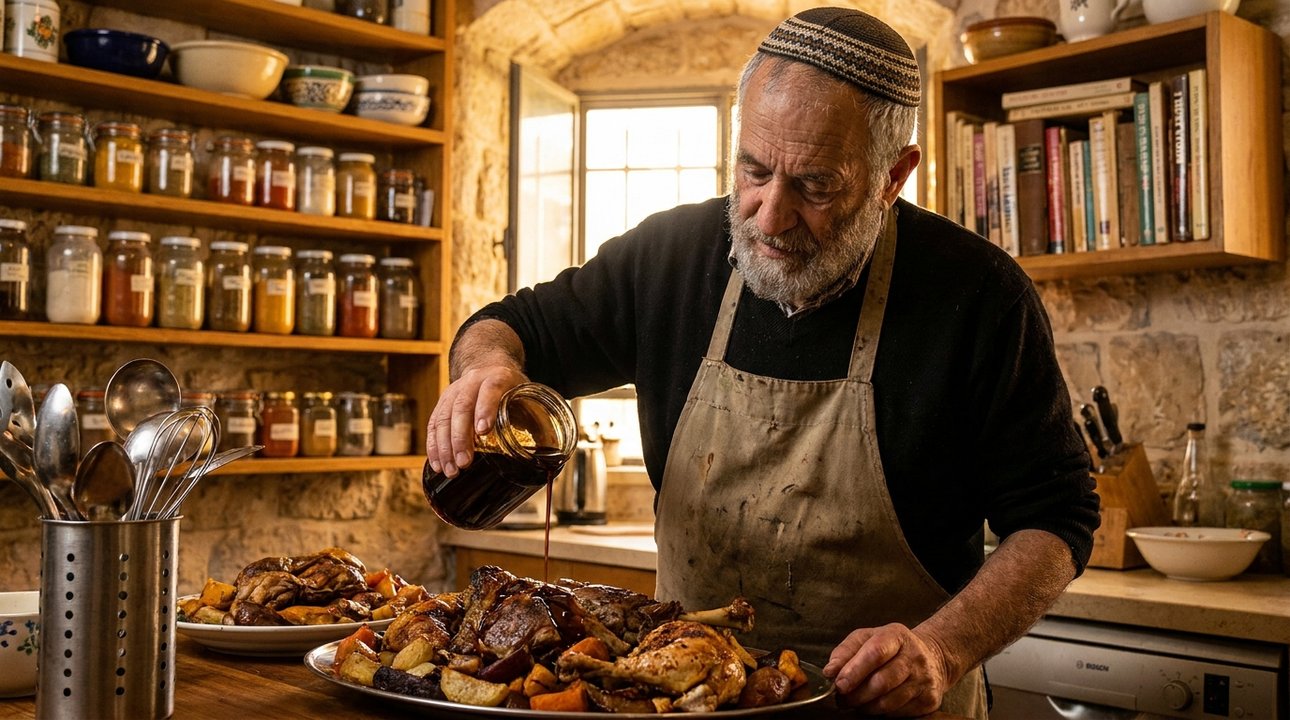
Date syrup’s deep flavor complements savory dishes like roasted meats or vegetables, adding a layer of complexity. In contrast, traditional honey’s floral notes are often preferred in lighter desserts or as a topping for fruits and cheeses.
The choice between the two often depends on the desired flavor profile and the cultural context of the dish being prepared. Silan’s historical ties to the Middle East make it a favored ingredient in regional recipes, carrying with it stories and traditions of the past.
Dates and Honey: A Match Made in Heaven
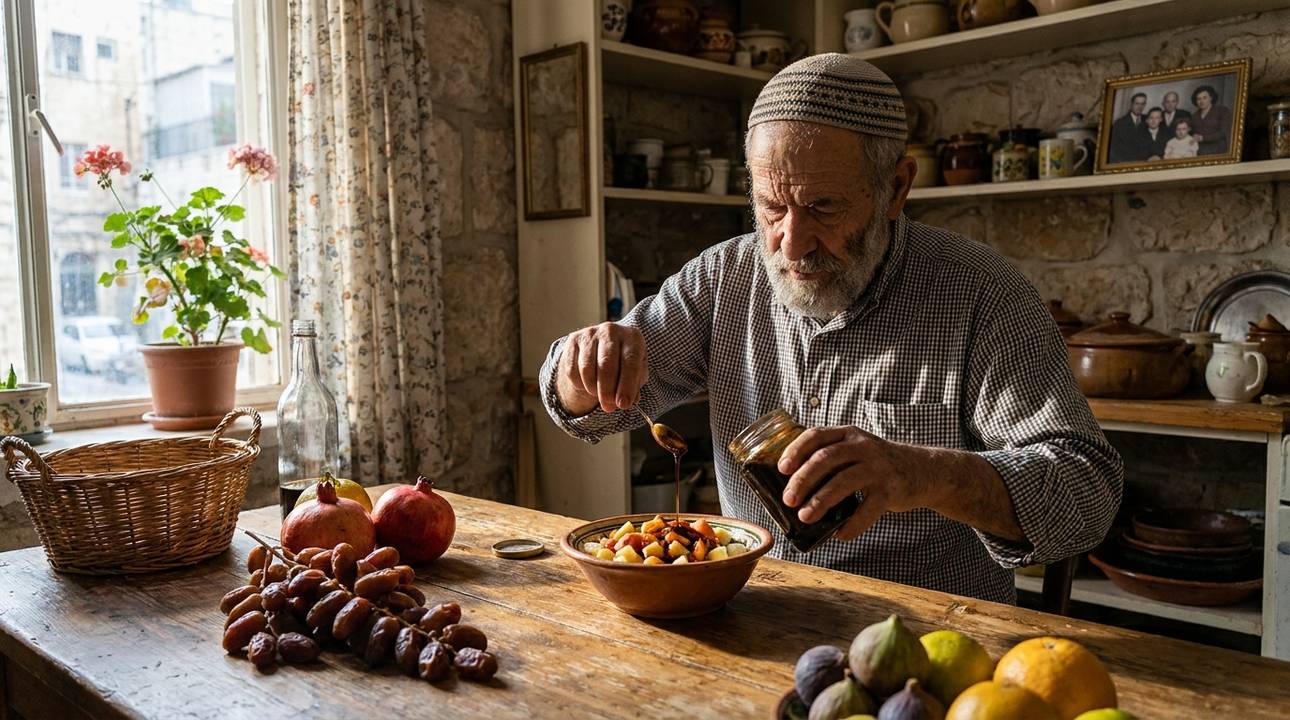
In Jewish culture, both dates and honey hold significant symbolic value. They are often associated with sweetness and the hope for a prosperous new year, especially during Rosh Hashanah. The tradition of eating apples dipped in honey is a wish for a sweet year (Leviticus 23:24).
Blending the rich flavor of dates with the sweetness of honey creates unique culinary experiences, often found in traditional recipes that celebrate Jewish heritage. Many dishes incorporate both elements, showcasing their versatility and the depth they add to various meals.
These ingredients often find their way into holiday dishes and everyday cuisine alike. For example, silan is used in charoset during Passover, symbolizing the mortar used by the Israelites in Egypt.
The combination of dates and syrup not only enhances the flavor but also connects people to their cultural roots, making each meal a celebration of history and tradition. This blend of flavors is cherished in Jewish households, where food is often a bridge to the past.
Historical Significance of Date Honey
The history of silan traces back to when dates were abundant in the region. The palm tree symbolizes prosperity and well-being, highlighting its importance.
Silan’s resilience and taste have kept it in the heart of Jewish culinary tradition throughout history, becoming a staple that evokes both nostalgia and connection to the land. It was used as a sweetener, long before sugar became common. Our subscription service ensures that each box may include artisan foods, handcrafted goods, cosmetics, or cultural items, with contents varying each time.
Historical texts and religious lore highlight its presence in special occasions and daily life, marking it as a cherished component of Israel’s culinary identity. In the Book of Exodus, dates are mentioned as part of the bounty of the land (Exodus 3:8).
This connection to the land is celebrated during festivals like Sukkot, where silan is used in various dishes, symbolizing the sweetness of the harvest. Its enduring presence in Jewish culture underscores its role in preserving heritage and tradition.
Israeli Cookbook
Inspired by the Farms of Israel
Modern Use of Date Honey
Today, silan is not just confined to traditional dishes but is also used innovatively in modern cuisine. Chefs embrace its unique flavor to add depth to both sweet and savory dishes. In Jerusalem, for example, chefs use it to create unique dressings and marinades that enhance local dishes.
From drizzling it over pancakes to incorporating it into sauces for meat dishes, its versatility makes it a favorite in kitchens worldwide, beyond its Israeli roots.
Silan’s rising popularity reflects a growing appreciation for natural, flavorful ingredients that connect people to time-honored traditions. This culinary exploration bridges the gap between ancient practices and contemporary tastes.
In Tel Aviv, trendy cafes serve desserts topped with silan, introducing it to a new generation of food lovers. This blend of old and new showcases the adaptability of silan, making it a staple in both traditional and modern kitchens.
Date Honey and Health Benefits
One appealing aspect of silan is its natural composition. Packed with antioxidants and nutrients, it offers health benefits not found in many refined sweeteners. Dates are known for their high fiber content, which aids digestion and provides a slow release of energy, making silan a healthier choice.
The nutritional profile of date syrup includes vitamins, minerals, and fiber, enhancing its appeal as a healthier alternative to sugar.
This has led to its increasing use in health-conscious diets. Despite its sweetness, silan provides less sweetness than sugar, making it an attractive choice for those seeking a balanced diet. Its natural sugars are metabolized more slowly, offering a steady energy source.
This makes it a preferred sweetener for athletes and those looking to maintain stable energy levels throughout the day. Its health benefits, combined with its rich flavor, make silan a beloved addition to any pantry.
Date Honey in Jewish Celebrations
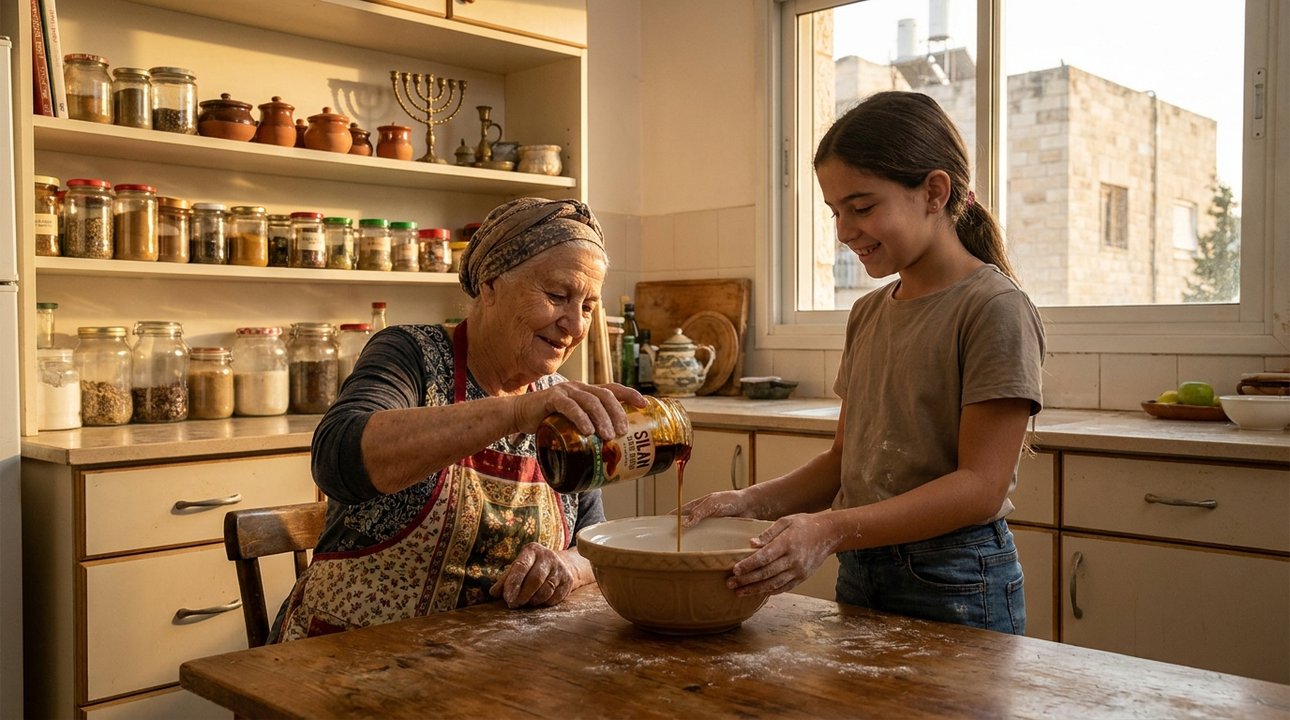
Silan often finds its place in Jewish celebrations such as Rosh Hashanah and Sukkot, where it symbolizes hope, new beginnings, and sweetness in life. During Rosh Hashanah, the Jewish New Year, it is customary to dip apples in honey to express wishes for a sweet year ahead (Leviticus 23:24).
Customs involve dipping apples in honey for the new year, and substituting with silan provides a rich and meaningful variation deeply rooted in tradition.
Such practices highlight silan’s importance not just in culinary contexts but in cultural and spiritual ones as well, underlining its significance and continuity. This tradition connects families and communities, reinforcing cultural bonds.
In Sukkot, silan is used in various dishes, symbolizing the abundance of the harvest and the sweetness of life. These celebrations are enriched by the presence of silan, a testament to its enduring role in Jewish life.
Sourcing and Sustainability
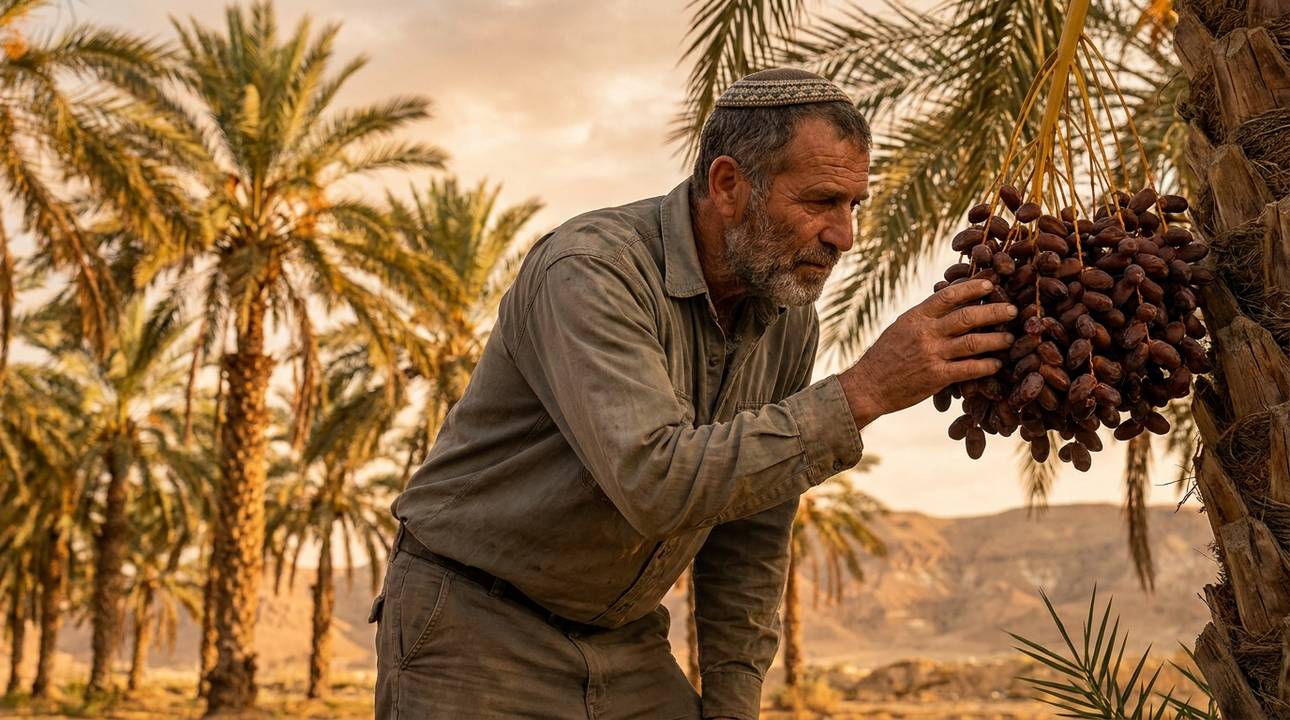
Sourcing silan is sustainable and environmentally friendly. Date palms, quintessential to the region, flourish with minimal resources, providing a bountiful yield. The date palm, known as the ‘tree of life,’ has been cultivated in the Middle East for thousands of years, supporting communities with its nutritious fruit.
This adaptability has supported small-scale farmers and local producers, aligning with values of sustainability and community support. By purchasing silan, consumers contribute to local economies and the preservation of traditional farming practices, enabling a reciprocal relationship and cultural sustenance. This support helps maintain the ecological balance and encourages the use of sustainable farming techniques.
Conclusion: Embracing the Sweetness of Date Honey
Silan is more than a sweetener; it’s a connection to heritage, a celebration of the land, and a symbol of culinary innovation. Its unique flavor profile and historical significance resonate with those seeking a deeper connection to Israeli and Jewish culture. In the Bible, the land of Israel is often described as a land “flowing with milk and honey” (Exodus 3:8), which some scholars believe may refer to silan.
Through understanding and appreciating silan, one can embrace a part of Israel’s remarkable culinary landscape, enjoying both the tradition and modernity it offers. This appreciation is not just about taste but about connecting with the land’s history and the people who have cultivated it for generations.
Understanding Date Honey
