
Understanding the Role of Cherubs in the Bible
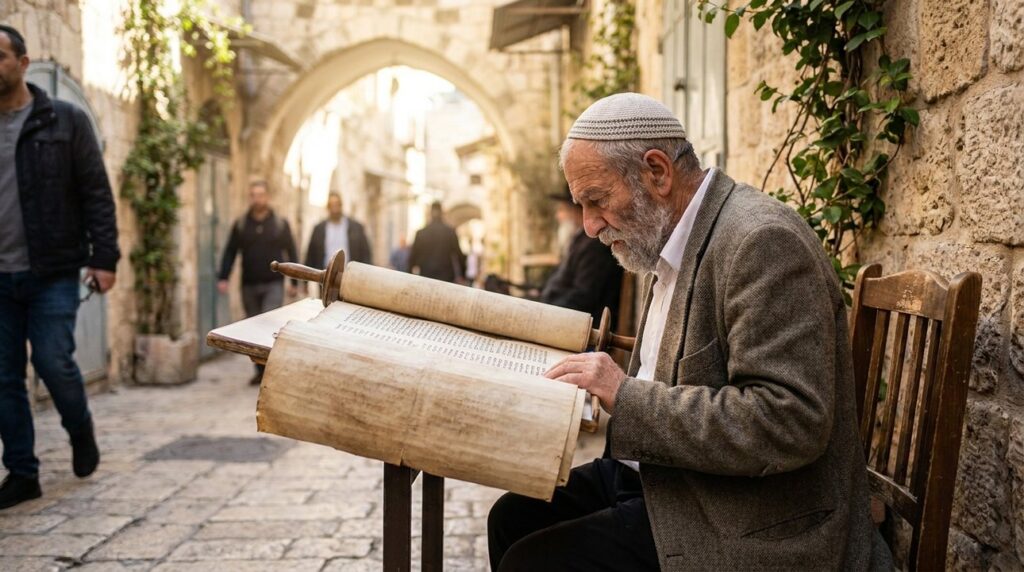

Cherubs hold a unique place within biblical narratives. These intriguing figures are more than just mystical creatures; they represent profound spiritual entities with pivotal roles in understanding certain biblical scenes.
Ezekiel (Ezekiel 1:5-11) describes cherubs with four faces and four wings, highlighting their complex and multifaceted nature. Delving into their roles uncovers layers of symbol and meaning, providing deep insight into ancient texts and their cultural significance.
Cherubs often signify the presence of the divine, as seen in the construction of the Ark of the Covenant in Exodus 25:18-22. This article journeys through references to cherubs in the Bible, exploring their significance in Israel’s history and Jewish tradition.
Their presence in sacred narratives underscores their importance in maintaining the connection between the divine and the earthly, highlighting their role in biblical history and continued relevance in Jewish thought.
from the Western Wall to Masada.
What Are Cherubs in the Bible?
Biblical texts often depict cherubs as winged guardians of sacred spaces. The Book of Ezekiel (10:1-22) provides detailed descriptions, showing them with multiple faces and wings.
These figures are not merely decorative; they play significant roles in divine visions and symbolize divine presence. Cherubs stand as sentinels to holy realms, guarding the way to Eden in Genesis 3:24, and are integral to the design of the Ark of the Covenant in Exodus.
Cherubs’ presence in the Ark of the Covenant, as detailed in Exodus 25:18-22, signifies their importance in maintaining a sacred space. They are not just symbols but active participants in the divine narrative.
Their depiction in the Temple of Solomon, noted in 1 Kings 6:23-28, further illustrates their role in the spiritual life of ancient Israel.
These representations highlight their enduring significance in Jewish tradition, serving as reminders of divine protection and presence, integral to the faith.
Cherubs in the Tabernacle and Temple
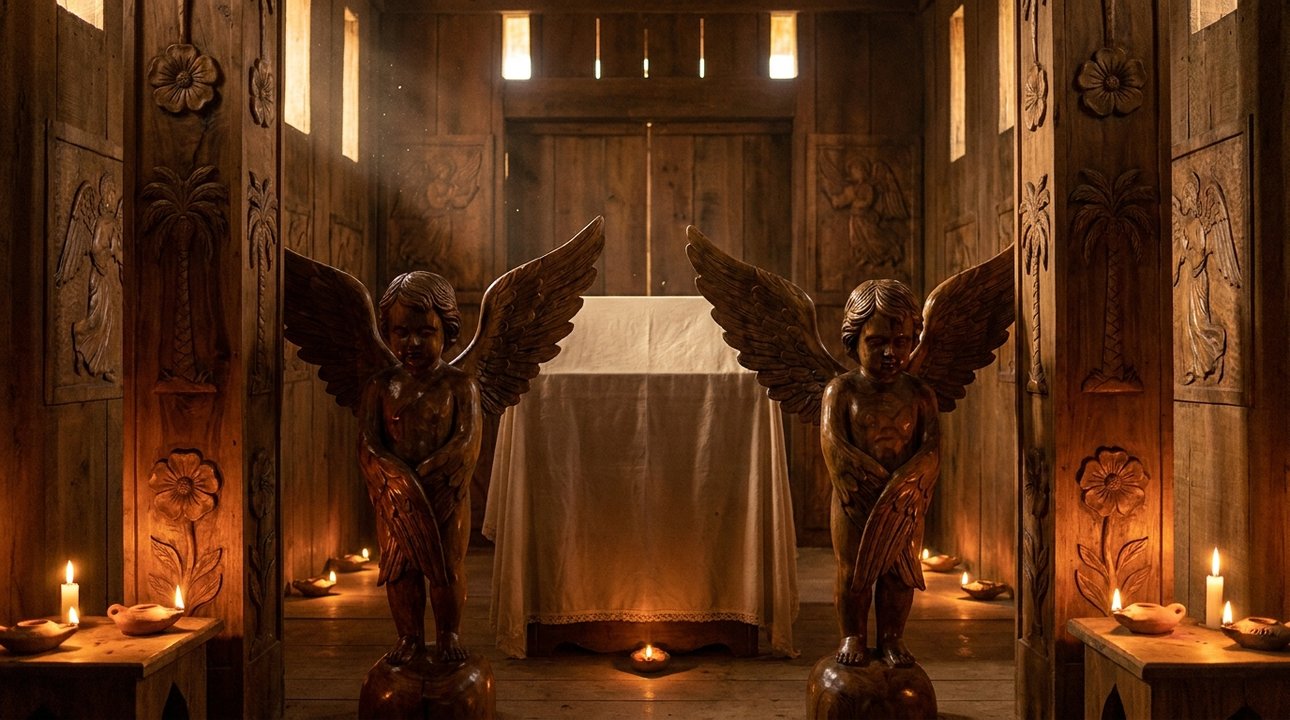
Cherubs are intricately woven into the fabric of the Tabernacle narratives. Detailed in Exodus 25, the Ark of the Covenant features two golden cherubs with wings touching over the mercy seat, symbolizing divine guardianship.
They appear again in historical accounts, where massive wooden cherubs are overlaid with gold, serving as a physical manifestation of divine promise and protection, marking sanctified spaces where humanity encounters the divine.
In historical constructions, cherubs’ presence was not only artistic but also deeply symbolic, representing the divine covenant with Israel’s people. The detailed craftsmanship underscores their importance.
These cherubs were placed in the innermost sanctuary, the Holy of Holies, emphasizing their role as protectors of the most sacred spaces. Their presence in these narratives highlights the enduring connection between the divine and earthly realms, reinforcing their role in Jewish tradition.
Symbolism of Cherubs in Jewish Tradition
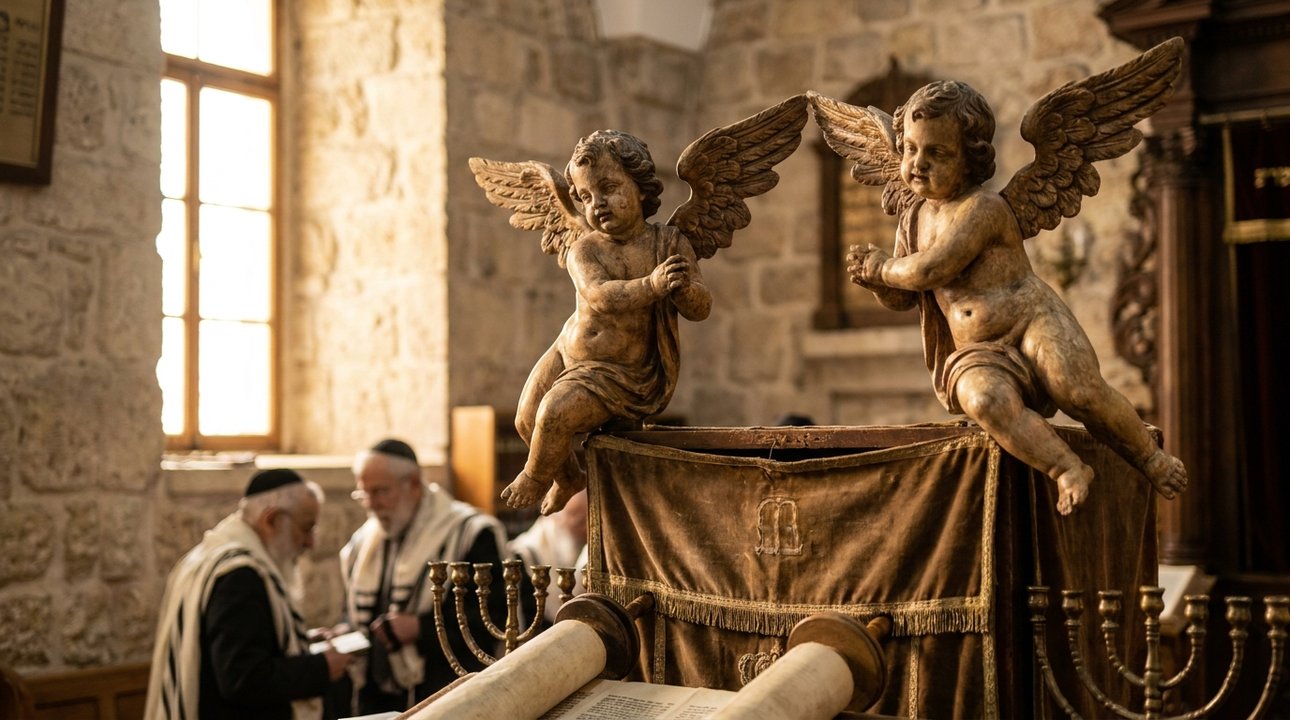
Cherubs are more than artistic symbols; their presence reflects deeper theological concepts in Jewish tradition. Often associated with divine presence and holiness, they symbolize the bridge between heaven and earth.
The Torah first mentions cherubs in Genesis 3:24, where they guard the way to the Tree of Life after Adam and Eve’s expulsion from Eden.
The Talmud explores their meanings, suggesting they represent the harmonious relationship between divine will and the material world, emphasizing their spiritual significance.
Exodus 25:18-22 depicts cherubs as part of the Ark of the Covenant, where they symbolize divine communication and protection. Their wings cover the mercy seat, emphasizing their role in safeguarding this sacred space.
The Ark, housed in the Holy of Holies, was central to Israelite worship, highlighting the cherubs’ importance. Their presence in biblical history underscores themes of protection, holiness, and the intimate guardianship of sacred spaces, reinforcing their enduring significance in Jewish tradition.
Cherubs serve as a reminder of the divine connection with humanity, emphasizing their role in maintaining the sanctity of sacred spaces in Jewish tradition. This connection is illustrated in historical accounts, reinforcing their protective and sacred role.
from the Western Wall to Masada.
Cherubs in Cultural and Literary Context
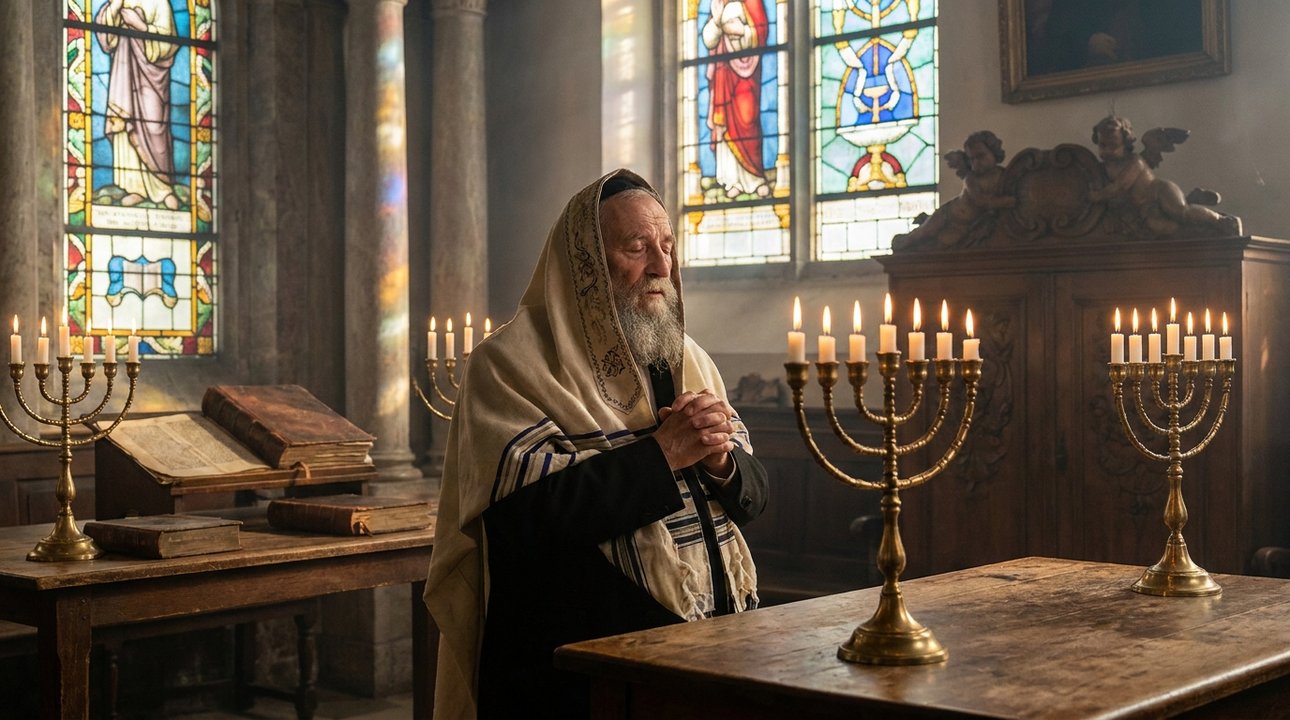
Throughout Jewish history, cherubs have permeated cultural and literary expressions, appearing in poetry, art, and folklore. Their ethereal image has inspired countless interpretations in both ancient and modern contexts.
The Psalms depict cherubs as vehicles of divine presence, as in Psalm 18:10, where they are described as carrying the divine on their wings. Medieval Jewish mysticism imbued them with esoteric characteristics, further enhancing their role as messengers of divine thoughts.
In the Zohar, a foundational work of Jewish mysticism, cherubs are seen as symbols of divine wisdom and protection.
In literature, cherubs symbolize purity and the quest for spiritual enlightenment, reinforcing their timeless allure and impact. Their depiction in various art forms reflects the deep cultural resonance they hold.
The Zohar, an essential text in Jewish mysticism, describes cherubs as embodying divine wisdom, illustrating their role in spiritual understanding.
These interpretations underscore their significance in Jewish thought and their influence on cultural and religious expressions, highlighting their multifaceted nature.
Interpretations of Cherubs Across Traditions
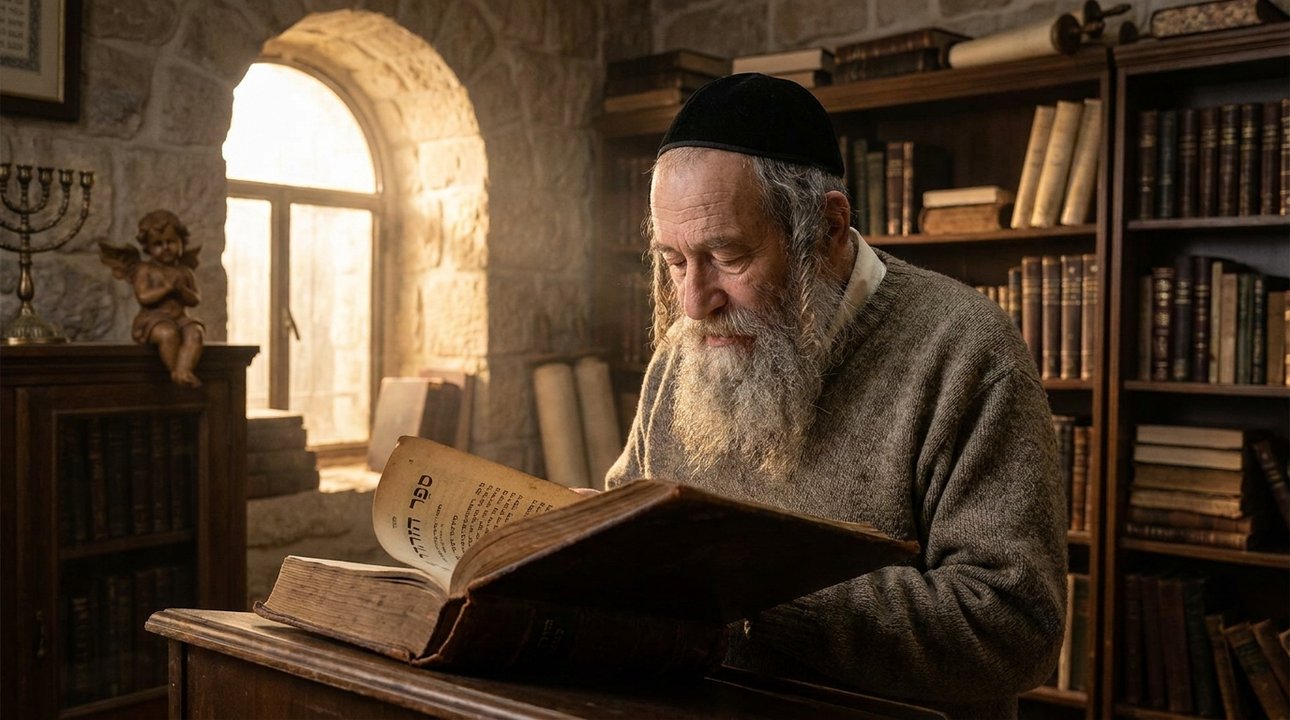
While cherubs are primarily associated with Jewish texts, their influence extends into various traditions. In Christian iconography, they are sometimes depicted with childlike features, transforming into symbols of innocence and divine love.
For instance, in Renaissance art, cherubs often appear as chubby, winged infants, known as putti, which is a departure from their biblical portrayal.
However, the biblical portrayal retains their role as powerful guardians of sacred realms, as seen in Genesis 3:24, where they guard the way to the Tree of Life.
Ezekiel (Ezekiel 10:1-22) describes cherubs as having multiple faces and wings, underscoring their majestic and formidable presence. Ezekiel’s vision includes cherubs with the faces of a man, a lion, an ox, and an eagle, each representing different aspects of creation.
These variations in portrayal highlight cultural interpretations and the lasting impact of cherubs throughout time and space, demonstrating their adaptability and enduring symbolism in various traditions.
Their depiction across different traditions illustrates the universal appeal and enduring significance of cherubs as symbols of protection and divine presence. In Jewish thought, they continue to be seen as guardians of sacred spaces, bridging the divine and earthly realms.
Conclusion: The Continuing Influence of Cherubs
Understanding cherubs in the Bible offers a glimpse into their layered significance in history and spirituality. From their descriptions in biblical texts to their presence in religious art, cherubs continue to fascinate and inspire.
Historical texts depict cherubs as large, gold-covered figures in sacred spaces, emphasizing their importance. Their image endures as a testament to their role as divine guardians and symbols of sacred communication.
As cherubs persist in cultural narratives, they remind us of the enduring connection between humanity and the divine, a theme that resonates deeply within the Lev Haolam community. This connection is celebrated through the support of Israeli families and the sharing of meaningful gifts.
Cherubs in the Bible
