
Discovering the Location of Nazareth Today
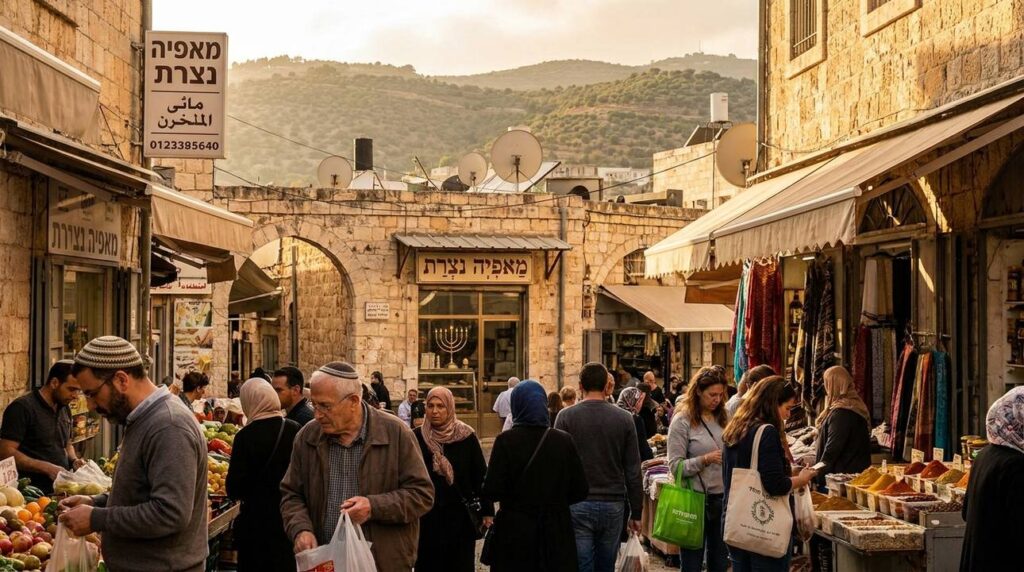

Nestled in the hills of Galilee, Nazareth captivates both pilgrims and travelers alike. This city, often hailed for its vibrant culture and history, is more than just a map point. It serves as a gateway to understanding the rich tapestry of the region’s past and present.
In this blog, we will explore the geographic and historical significance of Nazareth, offering insights into its present-day location and its cultural impact in Israel. From its ancient roots to its modern-day relevance, Nazareth continues to be a place of intrigue and inspiration.
Nazareth’s unique position in the Galilee region makes it a focal point for those interested in exploring the cultural and historical narratives of Israel. Its blend of ancient history and contemporary life provides a rich context for understanding its significance.
As we delve into Nazareth’s story, we will uncover the layers of history that have shaped this remarkable place. From its biblical associations to its modern-day role as a cultural hub, Nazareth offers a wealth of experiences for those who seek to connect with the region’s heritage.
Where is Nazareth Located Today?
Nazareth is situated in the northern district of Israel, within the rolling hills of Galilee. It is part of the fertile region known for its stunning landscapes and agricultural richness. Historically, it has been a small town, but it has grown into a bustling city over the years.
Located at approximately 32.6996° N latitude and 35.3035° E longitude, Nazareth is conveniently near other notable locations like the Sea of Galilee. This proximity to significant historical and natural sites makes it an ideal base for exploring the region’s rich heritage.
The Galilee region, where Nazareth is located, is steeped in history and offers a wealth of archaeological and cultural sites. Its fertile lands have supported communities for thousands of years, contributing to the area’s historical significance.
Nazareth’s location in this vibrant region highlights its importance as a cultural and historical hub. Visitors to Nazareth can easily explore nearby attractions, making it a central point for those interested in the history and culture of northern Israel.
Modern Nazareth is distinctive for its blend of cultures. As the largest Arab city in Israel, it has a diverse population comprising Christians, Muslims, and a smaller number of Jews. This multicultural fabric makes it a unique place to visit, offering a rich tapestry of traditions and languages.
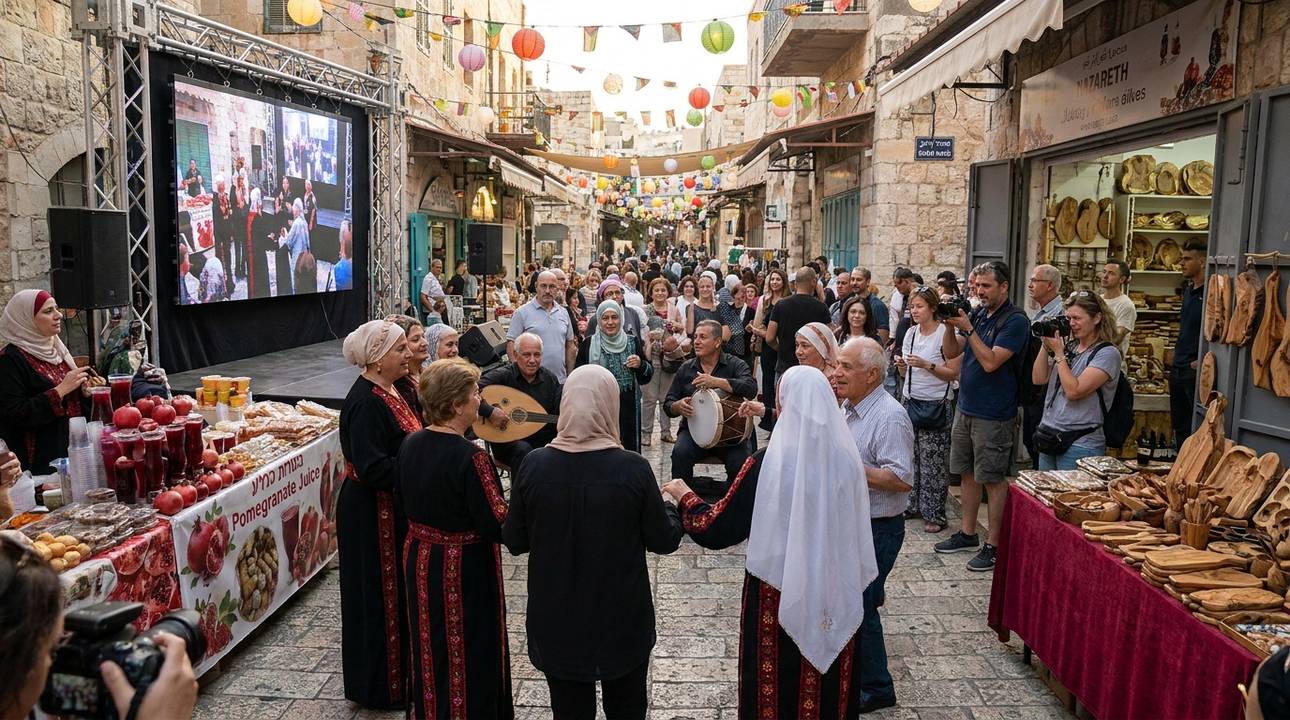
Visitors often find themselves enchanted by the local markets and culinary experiences. The vibrant atmosphere is a testament to Nazareth’s ability to harmoniously integrate various cultural influences, making it a microcosm of the broader region’s diversity.
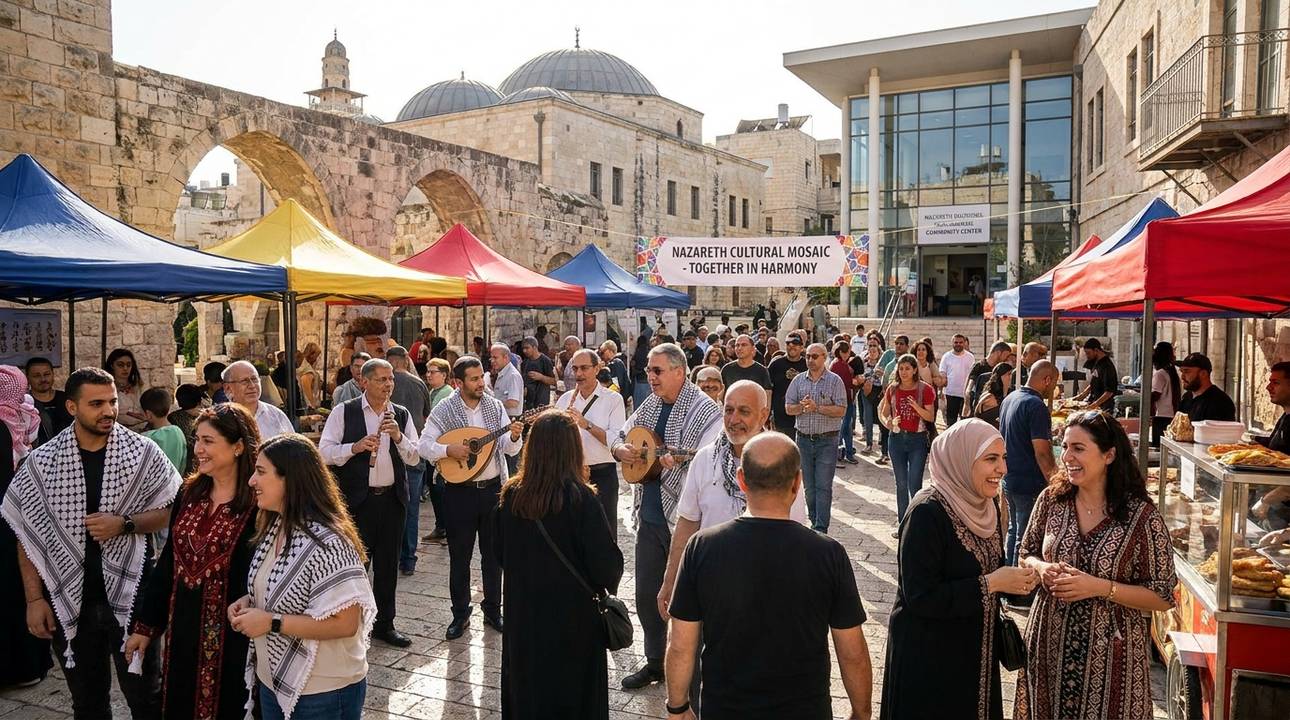
Nazareth’s cultural diversity is reflected in its festivals and daily life, where different communities come together to celebrate shared traditions. This blend of cultures is evident not only in the people but also in the architecture and public spaces, where historical buildings stand alongside modern structures.
The harmonious coexistence among its diverse population is a testament to Nazareth’s unique character and the resilience of its people. It serves as a living example of how different cultures can thrive together in mutual respect and understanding.
Historical Context of Nazareth’s Location
Nazareth’s historical significance is deeply rooted in its biblical associations. While not mentioned in the Hebrew Bible, it features prominently in later religious texts. Traditionally recognized as the childhood home of Jesus, it adds a profound layer of spiritual importance. During the Roman period, Nazareth was a small and humble village, which is reflected in its mention in biblical texts.
In the Roman era, Nazareth was part of the Galilee region, a place known for its diverse population and cultural interactions. This historical context is important because it highlights how, though small, it was part of a larger tapestry of communities and cultures.
Nazareth’s modest beginnings are reflected in its historical development as a city that played a significant role in regional narratives. This juxtaposition of humility and significance is part of what makes it a focal point for historical and cultural reflection.
The growth from a small village to a bustling city mirrors the broader historical developments in the region. Its transformation over the centuries underscores its enduring relevance and the continuous interest it garners from scholars and visitors alike.
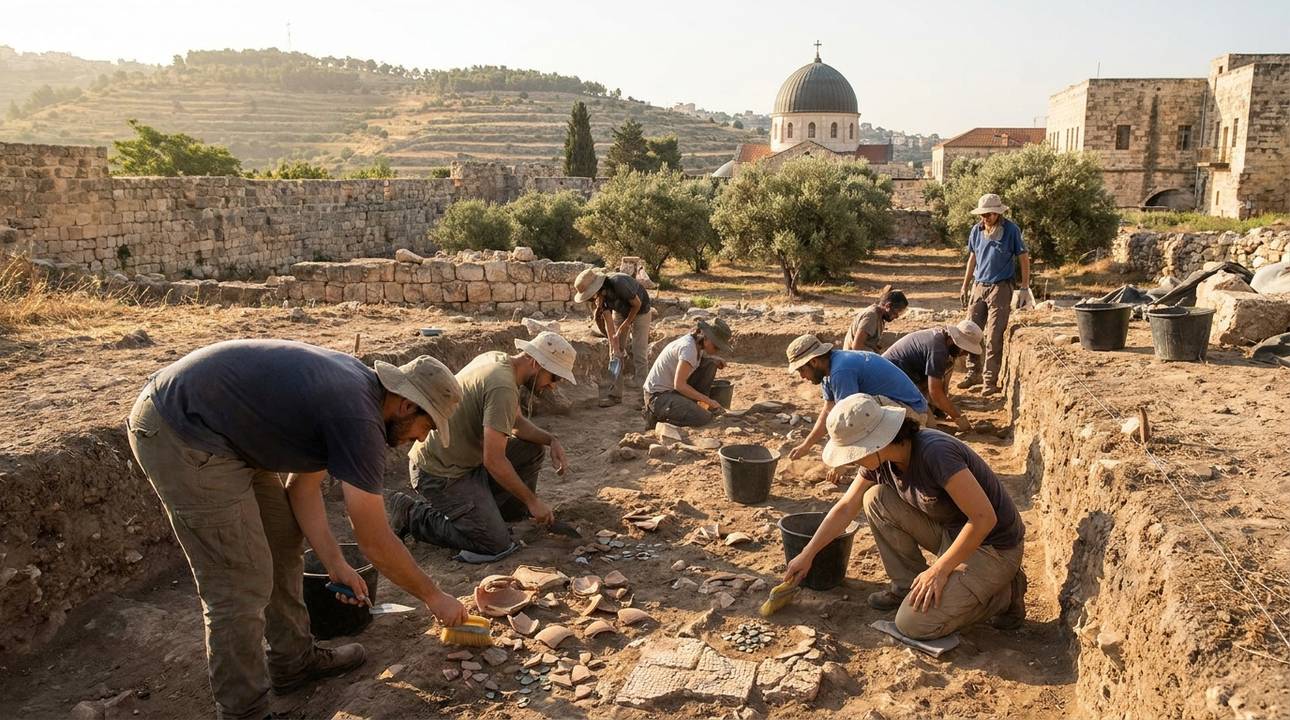
Archaeological findings suggest that this area has seen continuous habitation for thousands of years. Excavations have revealed artifacts dating back to the Bronze Age, indicating that Nazareth was a thriving settlement long before it became known in later historical texts.
Remnants from various periods, including Roman and Byzantine artifacts, have been uncovered, providing insights into the local lifestyle and architecture. The discovery of Roman baths and Byzantine mosaics illustrates the cultural diversity and architectural sophistication of the area.
These discoveries illustrate Nazareth’s role as a witness to history. They reveal a city that has been a crossroads of civilizations, witnessing the ebb and flow of empires and the daily lives of its inhabitants through the ages.
Nazareth in Modern Israel
Today, Nazareth is an integral part of modern Israel, embracing progress while preserving its heritage. It has developed into a bustling urban center while maintaining its historical charm, blending ancient traditions with contemporary life.
Known for landmarks like the Basilica of the Annunciation, a site revered by many pilgrims, Nazareth is traditionally considered the location where an angel appeared to Mary, as described in the Bible (Luke 1:26-38).
This architectural marvel stands on what is traditionally considered the site of the Annunciation, where an angel appeared to Mary. The Basilica’s stunning design and spiritual significance make it a focal point for visitors from around the world.
Nazareth’s ability to balance progress with tradition is evident in its urban landscape, where historical sites coexist with modern developments. This unique blend of old and new makes Nazareth a dynamic and engaging city to explore.
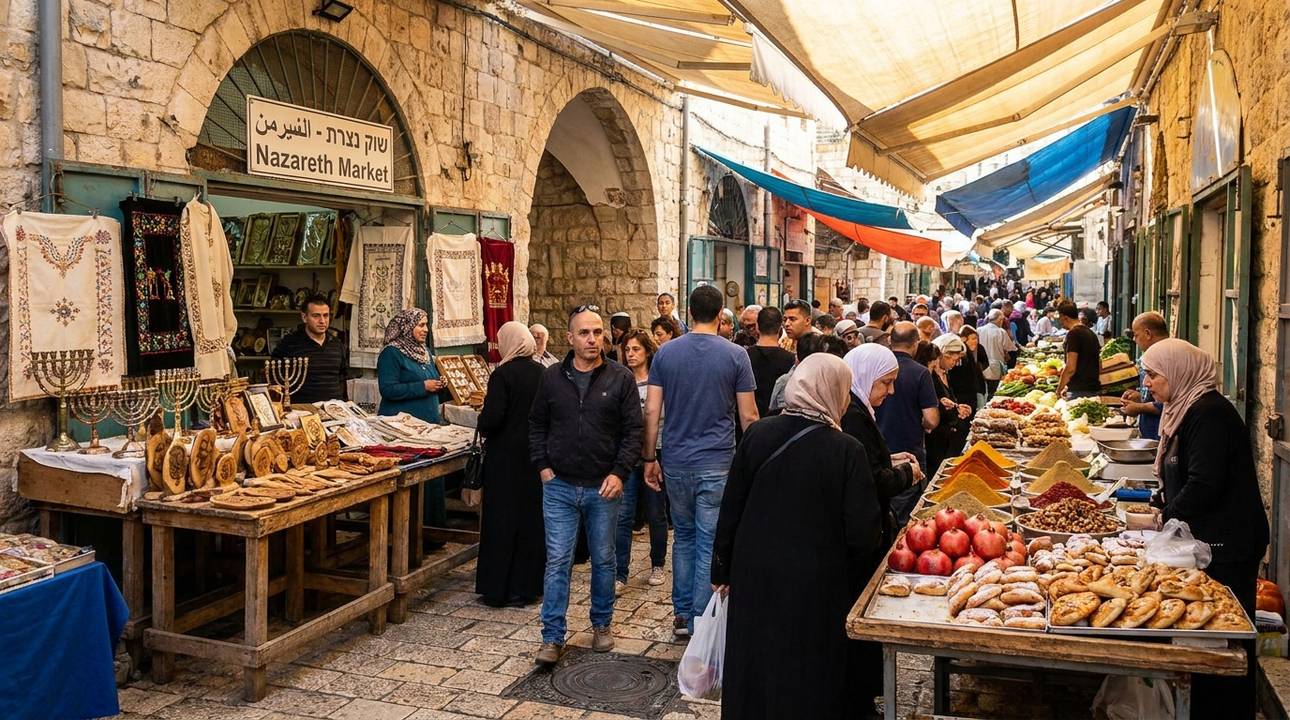
Visitors to Nazareth can enjoy its vibrant markets, offering an array of local goods and foods. The bustling souks are filled with spices, textiles, and handcrafted items that reflect the area’s rich cultural heritage.
Nazareth is also home to numerous cultural festivals celebrating its rich traditions. Events such as the Nazareth Festival showcase music, dance, and art from the region, drawing visitors from near and far. With its hospitable community, it offers a warm welcome to those eager to explore its streets.
This blend of ancient mystique and modernity makes Nazareth a must-visit location in Israel, where history and contemporary life coexist seamlessly. Its vibrant cultural scene is a testament to its dynamic character and the enduring spirit of its people.
The markets and festivals provide a window into the region’s diverse cultural landscape, offering visitors a chance to experience the unique traditions and customs that define this remarkable city. Its welcoming atmosphere ensures that every visit is both enriching and memorable.
Visiting Nazareth: What to Expect
Travelers to Nazareth often begin their exploration at the various religious and historical sites. The Old City offers a glimpse into the past with its narrow streets and ancient buildings. The Church of the Annunciation and the White Mosque are among the notable sites that capture its spiritual essence.
Walking through these paths gives a sense of the layered history that has shaped Nazareth. Each corner tells a story of the civilizations that have left their mark here, from the Canaanites to the Ottomans.
The local cuisine, famous for its mix of Middle Eastern flavors, is another highlight for visitors. Dishes like falafel, hummus, and shawarma offer a taste of the region’s culinary traditions, providing a delightful experience for the senses.
Events such as the annual Christmas celebrations draw guests from around the world, creating a lively atmosphere. The blend of community traditions and festive spirit makes visiting Nazareth a joyous experience. There is much to discover, from local artisans to cultural exhibitions.
When planning a visit, it’s advisable to allocate sufficient time to truly appreciate all that Nazareth has to offer. Its rich history and vibrant present make it a place where visitors can immerse themselves in a unique cultural experience.
Nazareth’s festive events are not limited to Christmas; it hosts a variety of celebrations throughout the year that reflect its diverse cultural heritage. These events provide an opportunity for visitors to engage with local traditions and gain a deeper understanding of the community’s way of life.
The welcoming atmosphere and the warmth of its people make Nazareth a memorable destination for anyone looking to explore the cultural richness of the region. Its ability to blend tradition with modernity ensures that every visit is both enlightening and enjoyable.
Cultural Significance Today
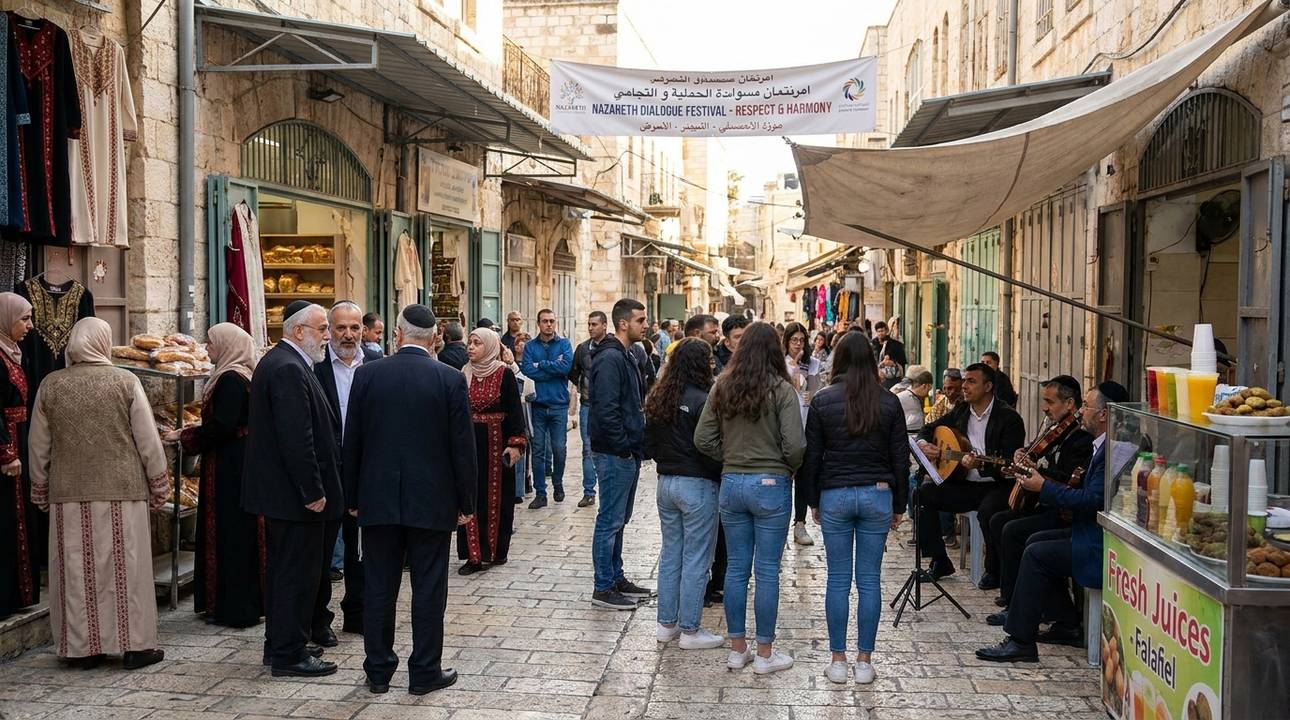
Nazareth remains an emblem of cultural and religious harmony. Its significance lies not only in its historical accounts but also in its current role as a city embracing diversity. It hosts a variety of cultural events and educational programs that foster dialogue and mutual respect among its residents.
Educational institutions and cultural programs thrive here, promoting understanding and peace. Schools and community centers offer programs that highlight the shared heritage and diverse traditions of Nazareth’s inhabitants.
Nazareth’s vibrant cultural life ensures its place as a vital location in Israel’s landscape. Its commitment to fostering community and cultural exchange makes it a beacon of hope and understanding.
The diverse population and efforts to promote inclusivity and dialogue make Nazareth a model for harmonious living. Its cultural and educational initiatives are a testament to its enduring legacy as a city of peace and coexistence.
Despite its picturesque setting, Nazareth is more than its scenic views. It represents a living narrative of coexistence and resilience. Home to a diverse population, including Jewish, Muslim, and Christian communities, it thrives in harmony.
The ability to maintain a harmonious society within diverse communities is a testament to Nazareth’s unique position in the world. This coexistence is reflected in local events and cultural festivals that celebrate the rich tapestry of traditions.
Visitors and natives alike draw inspiration from Nazareth’s enduring legacy. Its history of resilience and unity serves as a beacon of hope and a model for peaceful coexistence in a complex world.
Nazareth’s commitment to fostering dialogue and mutual respect among its residents is evident in its cultural programs and educational initiatives. These efforts ensure that it remains a vibrant and inclusive community, where diverse traditions are celebrated and shared.
Geographical and Cultural Context
