
Discovering the Mountain Where Abraham Nearly Sacrificed Isaac
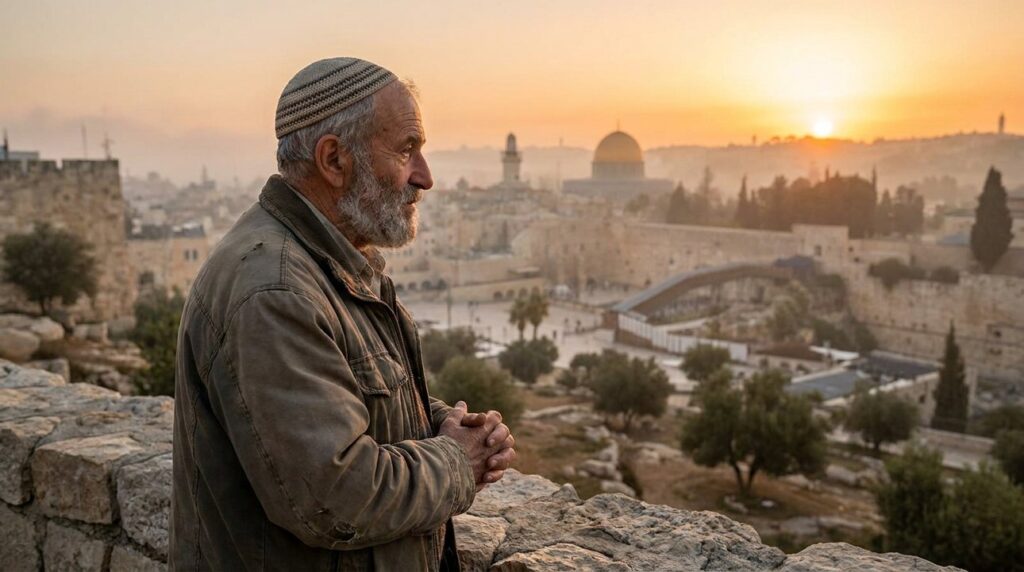

Mount Moriah holds a prominent place in biblical history as the site where Abraham was instructed to sacrifice his son Isaac, according to Genesis.
This event, referred to as the Binding of Isaac, is a cornerstone in Jewish tradition, reflecting themes of faith and devotion. It begins with God’s command to Abraham to offer Isaac as a burnt offering.
Despite the emotional turmoil this demand must have caused, Abraham obediently travels to the site, demonstrating a profound faith that has inspired countless generations.
Although God intervenes at the last moment to prevent the sacrifice, the narrative has left a lasting imprint on Jewish consciousness.
The Geographic Significance of Mount Moriah
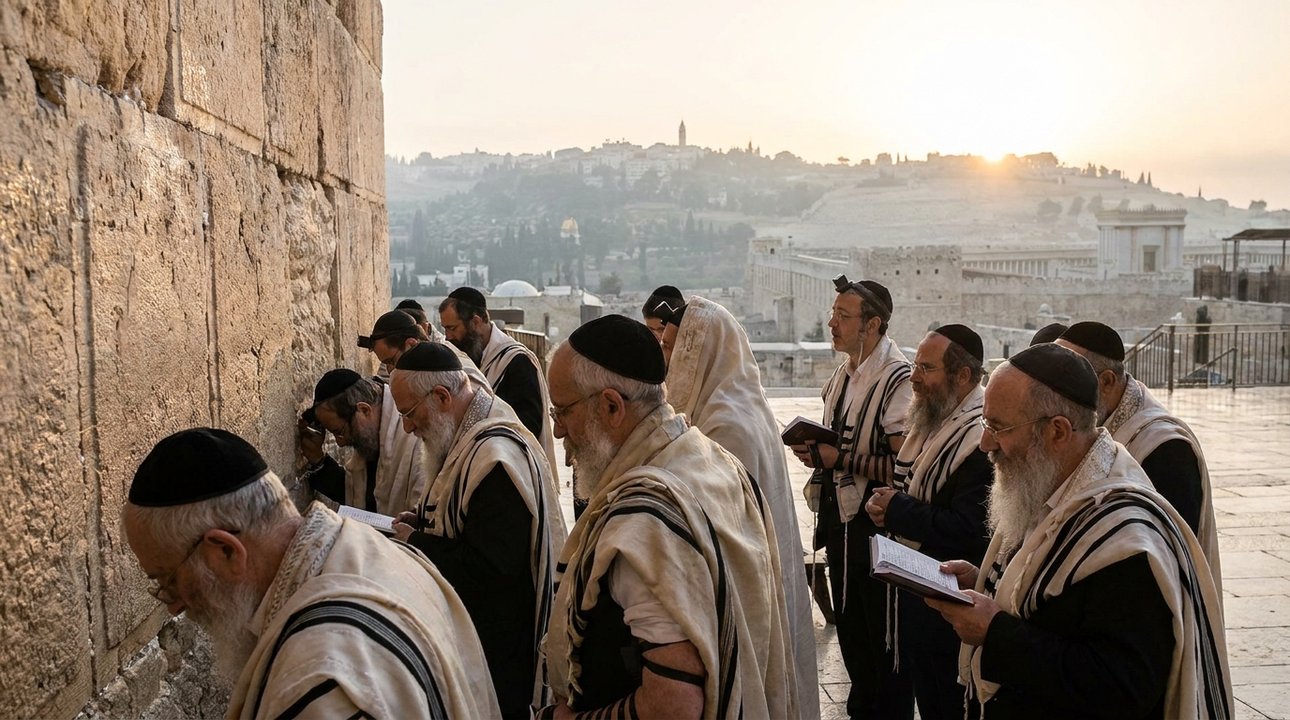
Today, Mount Moriah is traditionally identified with the Temple Mount area in Jerusalem. This site holds immense spiritual importance and is revered in Judaism as the location of the First and Second Temples.
Its connection to Abraham’s journey adds historical depth to its already sacred status. This mountain is not only a physical landmark but also a symbol of unwavering faith and divine testing.
While its exact historical location is a matter of scholarly debate, its association with the place where the Temple once stood affirms its central role in Jewish heritage. This sacred geography has shaped religious practices and beliefs over millennia.
Mount Moriah in Jewish Tradition
In Jewish thought, the Binding of Isaac represents the ultimate test of faith. Abraham’s willingness to sacrifice Isaac is seen as the pinnacle of obedience to divine command. This narrative is read on Rosh Hashanah, the Jewish New Year, reminding worshippers of the themes of faith and repentance.
Over time, the symbolism of Mount Moriah has grown. It represents not just a test of individual loyalty, but the enduring covenant between the divine and the descendants of Abraham.
The Binding of Isaac illustrates the concept of sacrifice and the promise of rewards, themes central to Jewish tradition. The narrative’s emphasis on obedience and trust in divine guidance continues to resonate with believers today.
Reflecting on this story allows individuals to gain a deeper understanding of the spiritual and ethical dimensions of faith, offering insights into their own religious journeys.
The narrative of the Binding of Isaac aligns with broader themes in the Torah, emphasizing faith and the promise of rewards. As a cornerstone of Jewish tradition, it serves as a reminder of the enduring relationship between the divine and the people.
Mount Moriah, as the site of this significant event, symbolizes the intersection of faith and history. The story is recounted during Rosh Hashanah, reinforcing the themes of repentance and renewal.
The Binding of Isaac continues to inspire reflection and devotion among those who seek to understand its deeper meanings. The narrative’s emphasis on obedience and trust in divine wisdom resonates with many, offering a framework for personal faith journeys.
It underscores the idea that true faith often involves sacrifice and commitment, themes central to Jewish thought and practice.
The Akedah: A Story of Faith and Intervention
According to Genesis 22:2, Abraham is instructed to take his son Isaac to the region of Moriah, marking the beginning of a journey that tests both his faith and Isaac’s fate. This event is a cornerstone of Jewish tradition, illustrating the profound trust Abraham had in divine guidance.
As Abraham prepares to sacrifice his son, an angel intervenes, and a ram is offered in Isaac’s place. This moment is captured in Genesis 22:11-13, where the angel calls out to Abraham, halting the sacrifice.
This divine intervention turned the site into a symbol of mercy and protection. The narrative reflects themes of trust and divine provision, highlighting a pivotal moment where faith is tested and reaffirmed.
The ram, caught in the thicket, becomes a symbol of unexpected deliverance, reminding believers of the importance of faithfulness and obedience. This story continues to be a source of inspiration, illustrating the balance between divine will and human action.
The narrative of the Binding of Isaac, with its dramatic elements, has been a source of inspiration and contemplation for generations. The themes of obedience and trust in the face of uncertainty resonate with many, offering a lens through which to view one’s own faith journey.
The story’s emphasis on divine provision and mercy underscores the idea that faith can lead to unexpected outcomes. This reinforces the enduring covenant between Abraham and his descendants, as well as the broader narratives within the Torah.
In Jewish tradition, the Binding of Isaac is seen as a test of ultimate loyalty and devotion. It serves as a powerful reminder of the complexities of faith, where trust in divine guidance can lead to profound spiritual insights.
The narrative also highlights the role of divine intervention, as seen when the angel stops Abraham, offering a profound reflection on the nature of divine mercy and protection.
Modern Reflections on Mount Moriah
Mount Moriah continues to be a focal point for faith and pilgrimage, drawing visitors from around the world who seek to connect with the sacred stories of the past. Its spiritual legacy and historical resonance make it a site of profound reflection.
The geographical location provides a tangible connection to biblical events, such as the Binding of Isaac, where Abraham’s faith was tested. This site offers deep insights into issues of faith, testing, and devotion, resonating across cultures and generations.
For many, visiting Mount Moriah is an opportunity to engage with the narratives that have shaped their spiritual beliefs. The mountain stands as a testament to the enduring power of faith and the timeless nature of these historical narratives.
Its significance is not only historical but also deeply personal, offering visitors a chance to reflect on their own spiritual journeys and the lessons that can be drawn from these ancient tales.
Mount Moriah’s metaphorical significance extends beyond its physical location, bridging ancient traditions with modern faith experiences. For many, visiting the site is a way to engage with the narratives that have shaped religious thought and practice.
In Genesis 22:2, the mountain is first mentioned as the place where Abraham was to sacrifice Isaac, a pivotal moment in biblical history. This story has inspired countless generations, offering lessons that continue to resonate today.
The themes of sacrifice and divine provision associated with Mount Moriah continue to inspire reflection and discussion, making it a place where the past and present meet. The mountain is not only a site of historical significance but also a symbol of the enduring faith journey.
For those who visit, the experience often deepens their understanding of the biblical narratives, offering insights into the spiritual and ethical dimensions of faith.
Cultural Representations of the Akedah
The narrative of the Binding of Isaac has inspired countless works of art, literature, and music over the centuries. Artists like Caravaggio and Rembrandt have depicted the dramatic moment of divine intervention, capturing the tension and relief in vivid detail.
In literature, writers such as Soren Kierkegaard have explored the human dimensions of faith and obedience, contemplating the moral and ethical implications of Abraham’s test.
These representations enrich our understanding of the Binding of Isaac’s enduring relevance. By examining the narrative through different artistic and literary lenses, we gain insights into the complexities of faith and the human experience.
The story continues to inspire reflection and dialogue, offering a powerful narrative that resonates with audiences across time and cultures.
The themes of sacrifice and redemption found in the Binding of Isaac resonate across various cultural contexts, reflecting a universal human experience. Music compositions, like Benjamin Britten’s ‘Canticle II: Abraham and Isaac,’ explore these themes through powerful melodies.
Such artistic interpretations not only highlight the emotional depth of the biblical narrative but also invite contemporary discussions about faith and ethics. This makes the story a timeless subject of reflection and debate, bridging artistic expression with spiritual exploration.
In literature, the Binding of Isaac has been explored by writers such as Franz Kafka and Soren Kierkegaard, who delve into the psychological and moral dimensions of the story.
These interpretations often focus on the tension between divine command and human ethics, offering a rich tapestry of perspectives. The narrative’s enduring relevance is evident in its ability to provoke thought and inspire dialogue across different mediums and cultures.
Mount Moriah in Interfaith Contexts
Mount Moriah holds significance in multiple religious traditions, often forming a bridge between diverse faiths. In Judaism, it is the site of the Binding of Isaac, where Abraham prepared to sacrifice Isaac, as recounted in Genesis 22.
In Christianity, it is associated with the Temple Mount, a place of profound spiritual importance. Meanwhile, in Islam, it is revered as the location where the Prophet Ibrahim (Abraham) showed his devotion.
This overlapping significance underscores the potential for Mount Moriah to serve as a symbol of unity. By focusing on the shared values and narratives that connect different faiths, the mountain can foster dialogue and understanding among diverse communities.
Mount Moriah’s historical and spiritual resonance offers a platform for interfaith conversations, encouraging respect and coexistence in a complex world.
The shared narratives and values surrounding Mount Moriah illustrate its role as a focal point for interfaith dialogue and understanding. By recognizing these commonalities, different belief systems can find common ground and mutual respect.
Mount Moriah’s association with key biblical events makes it a cornerstone of Jewish faith, while also highlighting its importance in Christian and Islamic traditions.
This shared reverence for the site can foster conversations about peace and coexistence among diverse communities. The mountain’s historical and spiritual significance offers a platform for dialogue, encouraging mutual understanding and respect.
By focusing on the common values and stories that unite different faiths, Mount Moriah can serve as a symbol of hope and unity in a diverse world.
Educational Importance of Mount Moriah
Educational efforts often highlight Mount Moriah as a significant site in biblical history, illustrating the importance of sacred geography. This mountain is where Abraham was tested, as described in Genesis 22:2, and it serves as a key case study in understanding the intersections of faith, history, and place.
Lectures and museum exhibits frequently emphasize its role in the narrative of Abraham and Isaac, providing context and depth to these ancient stories.
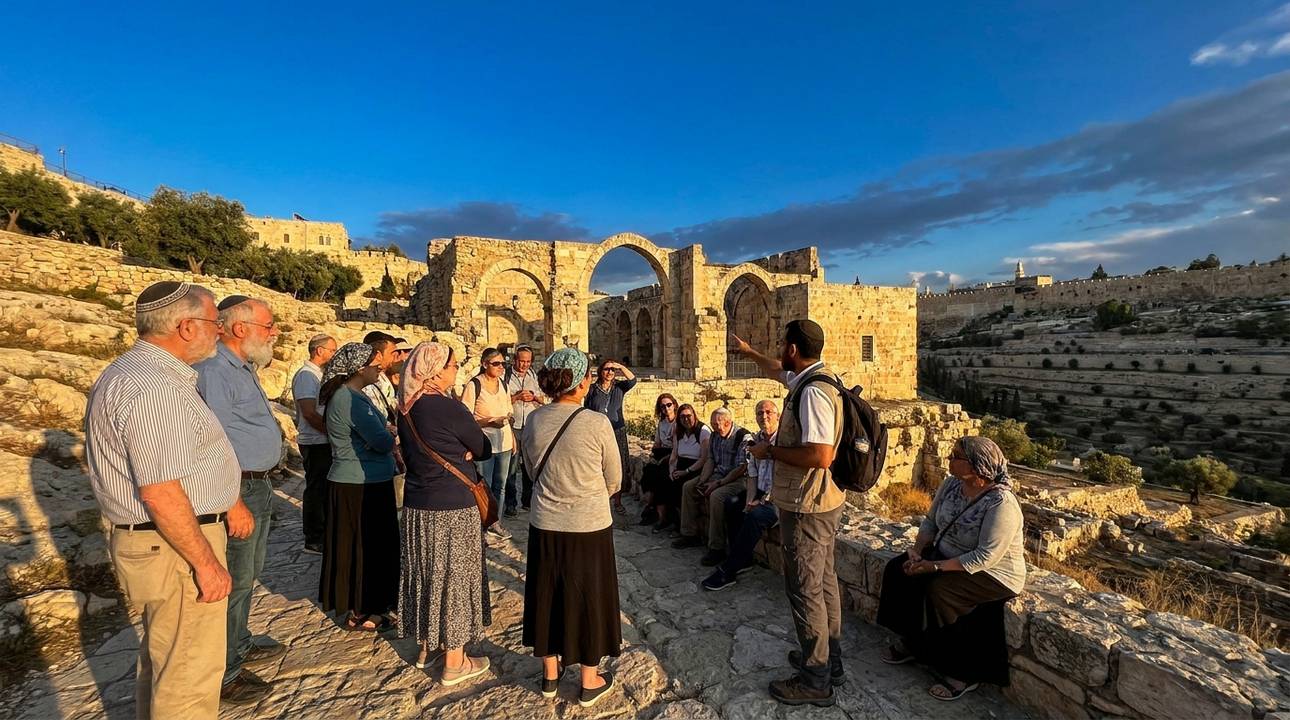
Educational tours allow visitors to explore the physical landscape, offering a tangible connection to these historical narratives. These tours often include discussions on the historical and cultural significance of Mount Moriah, enhancing the visitor’s understanding of its role in religious traditions.
By engaging with the site, individuals can gain a deeper appreciation for the narratives that have shaped religious thought and practice over the centuries.
These educational initiatives help bridge the gap between textual traditions and lived heritage, fostering a richer appreciation of biblical narratives. By walking the grounds of Mount Moriah, individuals can connect with the stories that have shaped religious thought for millennia.
Such experiences encourage a deeper understanding of the cultural and historical significance of the site, promoting a sense of continuity between the past and present.
The initiatives also highlight the importance of preserving these sacred sites for future generations. Educational programs and guided tours offer insights into the historical context of Mount Moriah, enhancing the visitor experience.
By engaging with these narratives, individuals can gain a greater appreciation for the enduring impact of these sacred stories and their relevance in contemporary faith practices.
Conclusion: Mount Moriah’s Lasting Impact
Mount Moriah embodies a powerful narrative that extends beyond its physical parameters. It continues to inspire reflection on themes of sacrifice, faith, and divine providence.
The values it embodies resonate with people from various walks of life, offering insights into human and divine relationships. For those interested in exploring the heart of Jewish tradition and biblical history, Mount Moriah remains a significant point of connection.
This sacred mountain invites us all to delve into its layers of meaning, reminding us of the enduring power of faith and the shared stories that bind us.
Understanding Mount Moriah
