
The Journey Between Bethlehem and Nazareth: A Historical Perspective
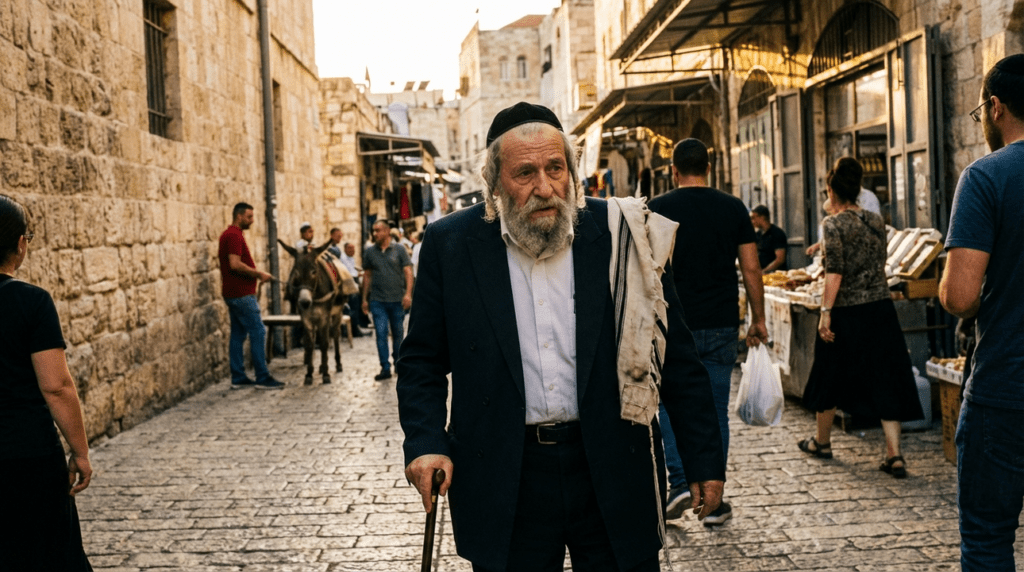

The cities of Bethlehem and Nazareth hold significant places in the Jewish historical narrative. Bethlehem, known as Beit Lechem, is often associated with King David, as mentioned in the Book of Samuel (1 Samuel 16:1). Nazareth, on the other hand, is located in the lower Galilee region and has its own unique historical context.
While often connected in biblical journeys, their geographical and cultural distances offer fascinating insights into ancient travel and lifestyle. The distance between these two towns is approximately 70 miles, a journey that would have taken several days by foot or donkey.
This article delves into the historical context and the actual journey between these two key locations in Jewish history. The roads and paths that connected them were not just physical routes but also cultural conduits. Travelers would encounter various communities, each contributing to the rich tapestry of ancient Judean and Galilean life.
Understanding these journeys provides a window into the past, revealing how people lived, traded, and interacted in a time when travel was both an adventure and a necessity. The connections formed were crucial for cultural exchange and development.
from the Western Wall to Masada.
Bethlehem in Historical Context
Bethlehem, known as Beit Lechem in Hebrew, is located in the Judean Hills. It is referenced numerous times in Jewish historical texts, such as in the Book of Ruth (Ruth 1:1-2), where it is depicted as a place of refuge and sustenance. Traditionally linked with King David’s lineage, Bethlehem holds a special place in Jewish heritage.
Exploring Bethlehem’s role helps understand its cultural weight and geographical position within ancient Judah. Its location made it a strategic point for trade, connecting various regions and facilitating the exchange of goods and ideas.
According to sources, Bethlehem was a small town with significant agricultural resources. This made it a vital locale for trade and travel in ancient times. The fertile lands surrounding Bethlehem allowed for the cultivation of crops such as wheat and barley, which were essential for the sustenance of its inhabitants.
These resources not only supported the local population but also attracted traders and travelers from neighboring regions, contributing to Bethlehem’s economic and cultural significance in the ancient world. Its role in trade networks was crucial for regional prosperity.
Nazareth’s Role in Jewish History
Nazareth, situated in the lower Galilee region, was a modest Jewish village. Its geographical location in northern Israel made it central to several key travel routes, including the ancient Via Maris. Nazareth’s terrain was hilly, and its position provided strategic oversight of the surrounding areas, allowing for both defense and trade.
The town grew in importance due to its fertile lands, which supported agriculture and livestock. The presence of natural springs in the area also contributed to its development, providing a reliable water source for its inhabitants.
Nazareth’s role as a crossroads in the Galilee contributed to its cultural and economic significance. Travelers passing through would bring with them new ideas and goods, enriching the local community. This sense of history imbues Nazareth with a unique cultural significance in Jewish heritage.
The town’s strategic location and natural resources made it a vital part of the regional network, connecting it to other important centers in ancient Israel. Its history is a testament to the resilience and adaptability of its people, who thrived in a challenging and dynamic environment.
The Distance and Journey
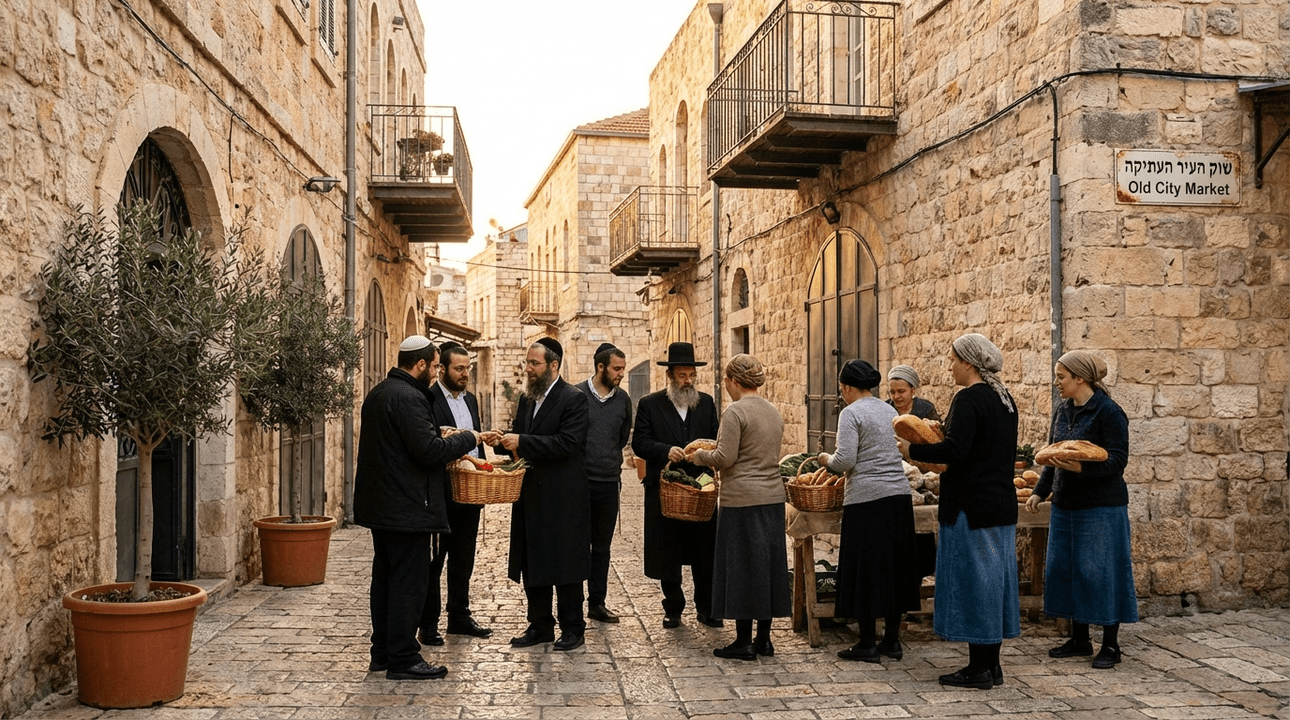
The journey from Bethlehem to Nazareth covers about 70 to 80 miles, depending on the route. In biblical times, this distance would have taken several days to traverse by foot or donkey. The varied terrain, from hills to valleys, posed challenges but also provided essential stops for rest and trade. Travelers needed to plan for the journey carefully, accounting for weather and local events.
Such a journey was significant for cultural exchange and the movement of ideas across regions. It was a time for sharing stories and traditions, enriching the communities along the way.
Cultural Significance of the Route
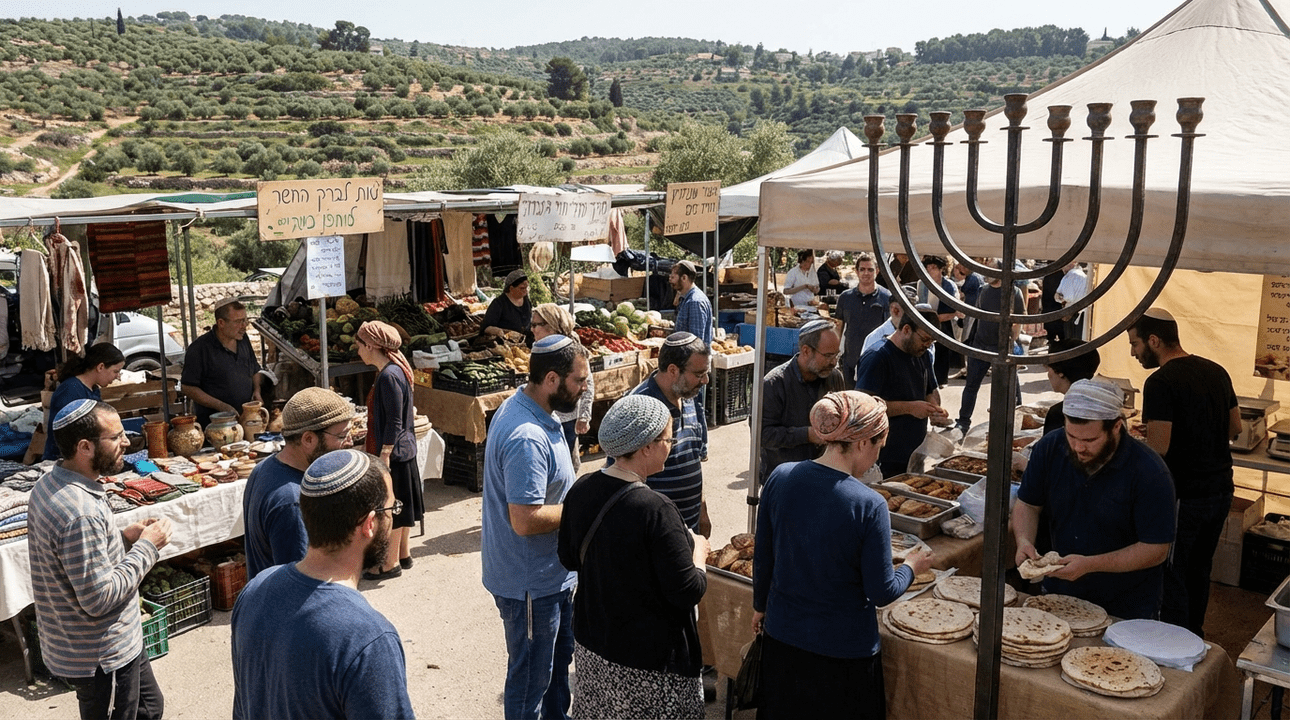
The route between Bethlehem and Nazareth was more than a mere pathway; it was a conduit for cultural and economic exchange. Villages and towns along the way thrived on the trade brought by passing travelers. Festivals and marketplaces also allowed for the exchange of goods and ideas, enriching local traditions.
This road also served as a vital connection between key historical and religious sites. Understanding its role gives insight into the broader socio-economic dynamics of the period, highlighting the importance of trade and interaction.
Seasonal Impacts on Travel
Seasons played a crucial role in planning the journey from Bethlehem to Nazareth. The winter rains, as mentioned in the Song of Songs (2:11), could turn paths into mud, slowing progress and increasing the risk of travel. Travelers had to be mindful of the weather conditions, as unexpected storms could make the journey treacherous.
In contrast, the dry summer seasons might offer a faster route but required careful planning for water and shade. Travelers often carried water in skins and sought shelter under trees or in caves to escape the harsh sun.
from the Western Wall to Masada.
Travelers often adjusted their routes and timing to align with favorable conditions. The understanding of seasons was embedded in the local knowledge shared by inhabitants. This knowledge was passed down through generations, ensuring that travelers could navigate the landscape safely.
The careful planning and adaptation to seasonal changes highlight the resourcefulness and resilience of those who undertook these journeys. Their experiences offer valuable insights into the challenges and triumphs of ancient travel, revealing the importance of community wisdom.
Hospitality and Rest Stops
Hospitality was an integral part of the journeying culture between Bethlehem and Nazareth. In ancient times, as described in Genesis 18:1-8, hospitality was a deeply rooted tradition where townspeople would often provide food and shelter to travelers. This practice was not only a necessity but also a way to foster community bonds and ensure safe passage.
Rest stops became places of cultural interaction and exchange of news and stories. Travelers would share tales of distant lands, bringing with them news and cultural practices that enriched local communities.
This tradition not only aided travel but also reinforced social ties across different regions. Such community practices were essential to maintaining safe and hospitable pathways. These interactions often led to the exchange of goods and ideas, contributing to the cultural and economic development of the regions involved.
The practice of hospitality was a testament to the interconnectedness of ancient societies, where mutual support and cooperation were vital for survival and prosperity. It fostered a sense of unity and shared purpose among diverse communities.
Archaeological Insights
Archaeology provides vital clues about life between Bethlehem and Nazareth. Excavations in these areas have uncovered pottery and tools that indicate trade relations and daily life. For instance, the discovery of olive presses and wine vats suggests that agriculture was a significant part of the local economy.
Artifacts like these reveal the complex trade networks that existed, connecting these towns with other regions in ancient Israel. Excavations have also uncovered remnants of ancient roads and infrastructure that supported travel, such as the Via Maris, an ancient trade route.
These discoveries enrich the narrative of how these two towns interacted and developed over time. The roads and paths that connected them were not just physical routes but also cultural conduits, facilitating the exchange of goods, ideas, and traditions.
They offer a tangible connection to the stories told through scripture and tradition, providing a deeper understanding of the historical context in which these biblical narratives unfolded. The archaeological findings serve as a bridge between the past and present, allowing us to glimpse the daily lives of those who once traveled these ancient paths.
Conclusion on the Historical Relationship
Bethlehem and Nazareth, though distinct, are interconnected parts of Jewish history and culture. Bethlehem, known as Beit Lechem, is mentioned in the Book of Ruth (Ruth 1:1-2) as a place of refuge and sustenance. Nazareth, in the Galilee, served as a crossroads for trade routes. Understanding their journey helps unravel the socio-cultural fabric of ancient times.
The narratives of trade, travel, and communal bonds are testaments to their enduring significance. These insights continue to inspire a deeper connection to the Land of Israel today.
To explore similar histories, consider subscribing to Lev Haolam for authentic experiences and stories. By engaging with these narratives, one can appreciate the resilience and resourcefulness of the people who lived in these areas. This connection to the past fosters a sense of belonging and continuity with the land and its rich heritage.

Common Questions about the Journey
