Exploring Snowfall in Israel: Rarity and Wonder
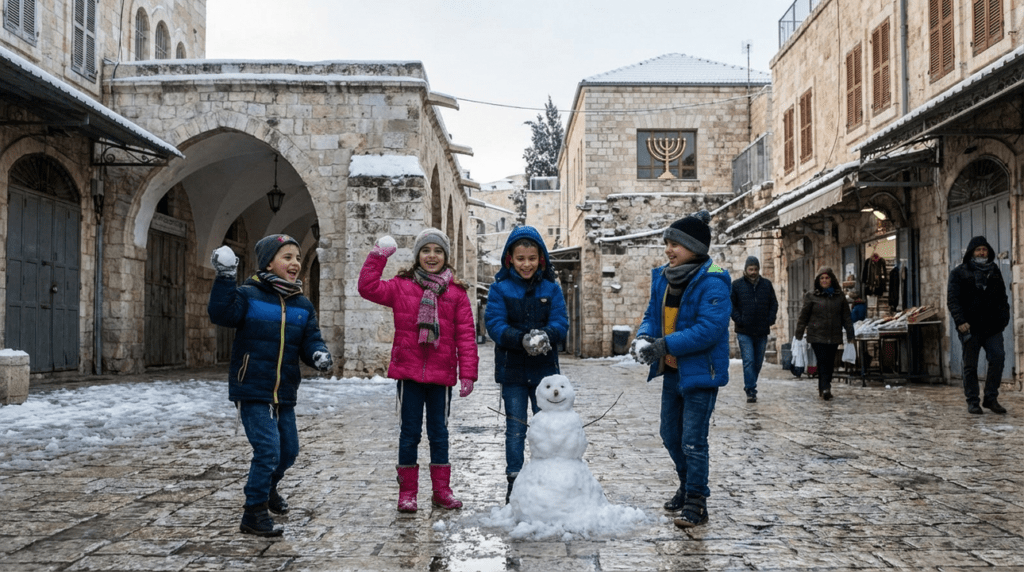

In Israel, the occurrence of snow is both a rarity and a marvel. While the country is better known for its sunny skies and historical landmarks, snowfall adds a layer of magic to its already rich tapestry.
The Bible mentions snow in several contexts, such as in Proverbs 31:21, where it symbolizes purity and beauty. Understanding the phenomenon of snow in Israel requires us to explore the diverse geographical and climatic conditions of this Middle Eastern nation.
In this article, we’ll delve into the regions where snow is most likely, what makes it possible, and how Israelis celebrate these snowy moments. The Golan Heights, with its higher elevation, is one such region where snow is more common.
Geographical Diversity of Israel
Israel’s geography is a fascinating blend of coastal plains, mountains, and desert landscapes. This diversity creates a variety of microclimates. For example, while the Mediterranean coast enjoys mild, rainy winters, the desert areas remain dry and warm.
The hillier regions, such as Jerusalem and the Golan Heights, are where snow might be seen. This geographical contrast plays a crucial role in Israel’s climate, influencing the unique experience of snowfall in certain areas.
The Negev Desert, known for its arid climate, rarely sees snow, highlighting the country’s climatic diversity.
Snowfall in Jerusalem
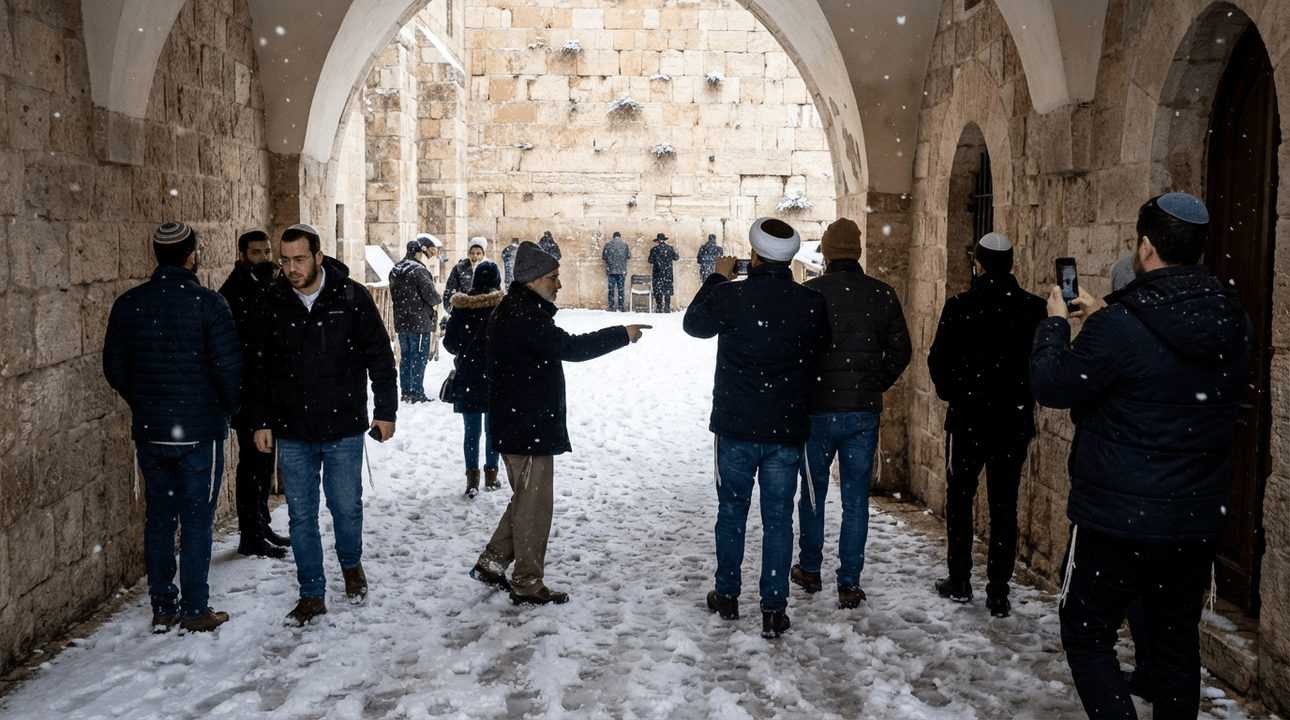
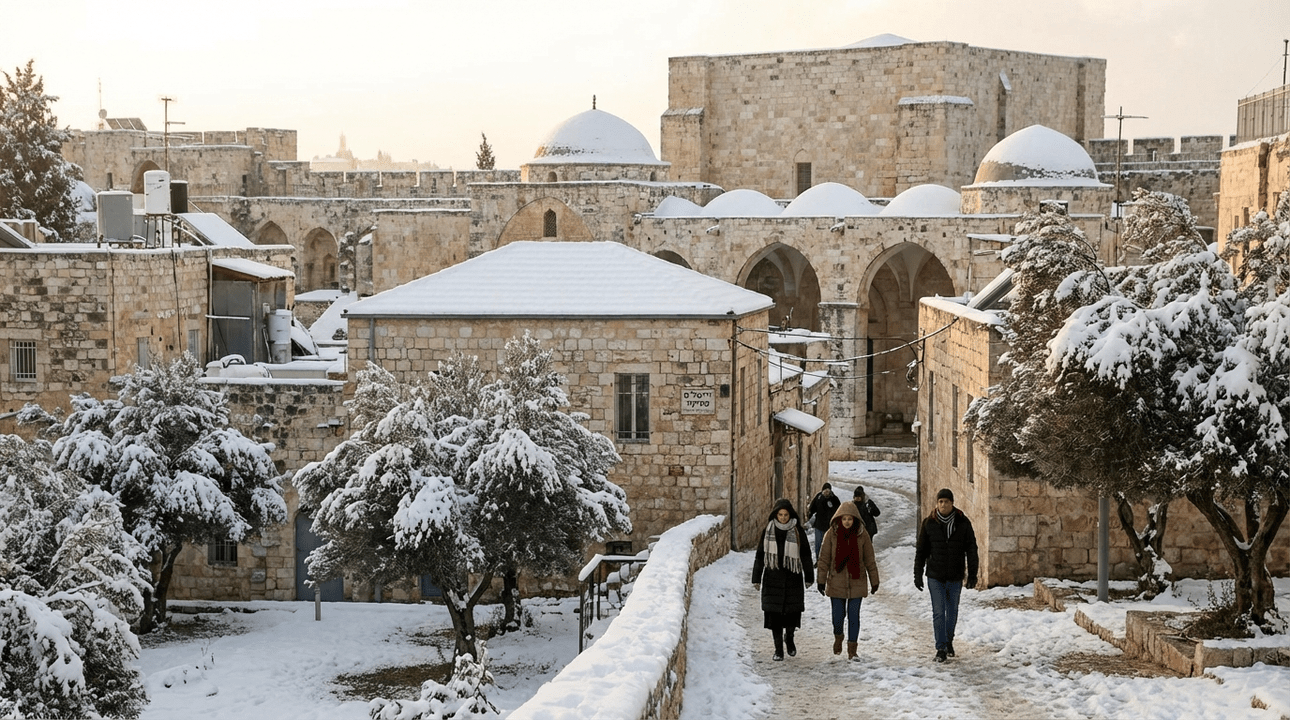
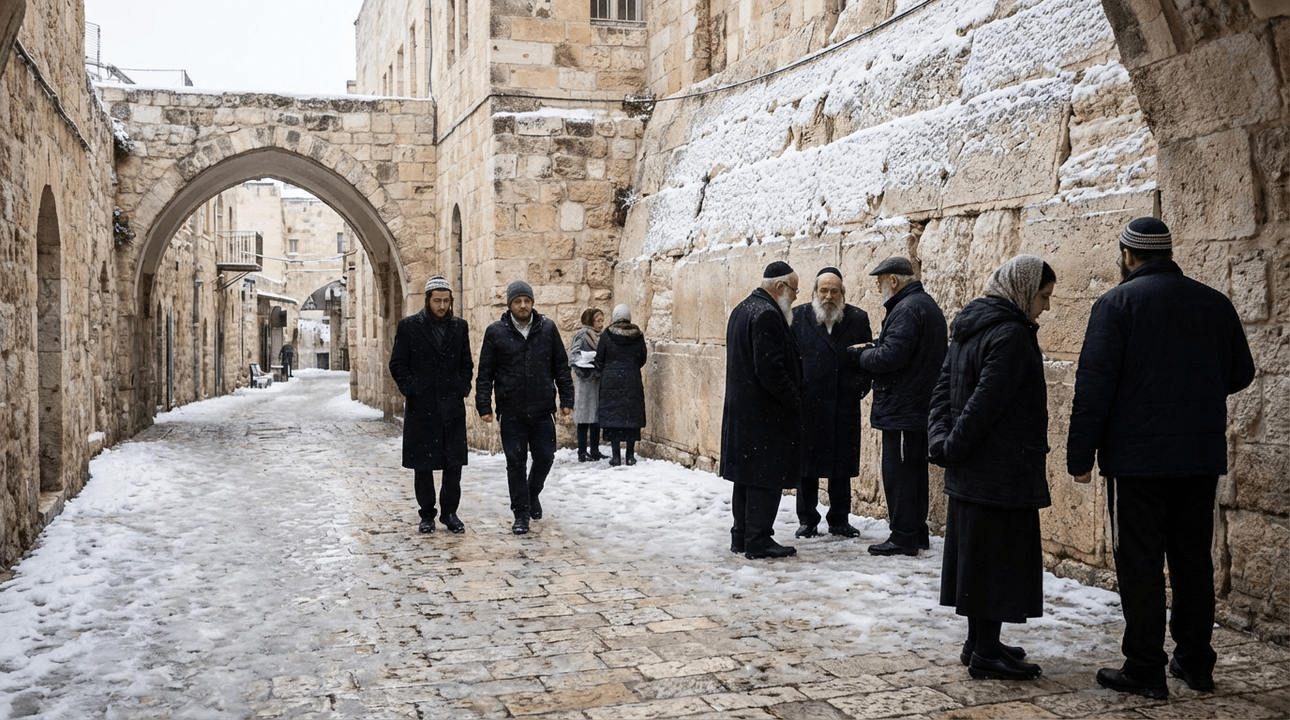
Jerusalem, with its elevation of about 2,575 feet, experiences cold winters more than other parts of the country. Although snow in Jerusalem is rare, when it does snow, the city is transformed into a picturesque scene. Residents and tourists alike flock to see the Old City under a blanket of white.
For many, it’s a breathtaking and spiritual sight, adding another dimension to their exploration of this ancient city. The snow-covered Dome of the Rock and the Western Wall become focal points for visitors, offering a serene and reflective atmosphere.
The snow in Jerusalem is often seen as a bridge between the past and present, connecting visitors to the city’s rich history.
Snow in the Golan Heights
The Golan Heights, located in the north, is arguably the region most associated with snow in Israel. With elevations reaching over 3,000 feet, this area offers ski resorts like Mount Hermon.
When the snow falls, it attracts visitors eager to experience skiing and snowboarding, activities not typically associated with the Middle East. The thrill of snow sports adds a unique attraction for both locals and tourists.
Mount Hermon is the only ski resort in Israel, making it a popular winter destination. The area also holds historical significance due to its strategic location, which has been a point of contention in various conflicts.
Visitors not only enjoy winter sports but also explore the rich history that the region offers.
The Golan Heights also holds historical significance, with its strategic location and rich past. The area’s natural beauty and recreational opportunities make it a favorite spot for winter enthusiasts.
Visitors can enjoy the stunning views and partake in various outdoor activities, from skiing to snowshoeing. The combination of natural beauty and winter sports creates an unforgettable experience for those who venture to this snowy region of Israel.
The Mount Hermon ski resort, the only one in Israel, offers a rare chance to ski in the Middle East. This unique opportunity draws both locals and international tourists, eager to experience the thrill of skiing in a region known for its historical and cultural significance.
Israel’s Unique Climate
Israel’s climate is predominantly Mediterranean, characterized by hot, dry summers and cool, wet winters. However, regions like the Negev Desert showcase arid conditions with sparse rainfall. It’s this climate variety that makes any snowfall in Israel an extraordinary phenomenon.
The contrast between the sunny norm and the occasional snow creates excitement and wonder across the country. Areas like Jerusalem and the Golan Heights offer unique opportunities to experience this rare weather event.
The unexpected snowfalls become a source of joy and curiosity for both locals and visitors.
The Bible often uses snow as a metaphor, such as in Isaiah 1:18, where it represents purity and renewal. This symbolism adds depth to the experience of snow in Israel, connecting modern-day events with ancient texts.
The rare sight of snow-covered landscapes in a predominantly warm climate highlights the country’s diverse geography and the surprises it holds for both residents and visitors alike.
In Job 37:6, snow is also mentioned as a testament to nature’s power, further enriching the cultural significance of snowfall in Israel. These biblical references remind us of the awe-inspiring aspects of nature and how they resonate with spiritual and cultural narratives.
Cultural Significance of Snow
Snow in Israel is not only a weather phenomenon but also part of cultural experiences. When snow falls, it brings people together in unexpected ways. Children playing, families going on excursions to snowy areas, and the general community spirit shine brightly.
For many Israelis, snow days are a time for joy, celebration, and making memories against the backdrop of a frosty wonderland. The Book of Job (37:6) also references snow, illustrating its role in biblical imagery. Families often gather to build snowmen and enjoy the rare winter landscape together.
These moments of togetherness are cherished and remembered fondly.
In cities like Jerusalem, snow can transform the familiar into something extraordinary, encouraging people to explore their surroundings with a renewed sense of wonder. The snow-covered streets become a playground for children and a canvas for artists.
Families often take advantage of the rare snowfall to enjoy outdoor activities, strengthening community bonds and creating shared experiences that are cherished for years to come.
Local artists capture the fleeting beauty of snow on canvas, while children build snowmen and engage in playful snowball fights. These activities foster a sense of community and joy, making the snowy days memorable.
Historical Snow Events
Over the years, there have been several significant snow events in Israel. One notable snowfall occurred in 1950 when much of the country experienced heavy snow. This event is remembered for how it blanketed cities like Jerusalem, transforming them into winter wonderlands.
Another major event was in 2013, particularly affecting Jerusalem and causing widespread delight. These rare occurrences are well-documented and remembered fondly by those who experienced the quiet beauty and community togetherness they inspired.
The 2013 snowstorm was one of the heaviest in decades, leaving a lasting impression on the city. Schools closed, and families took to the streets to enjoy the rare snowy landscape.
Historical records show that snow has occasionally blanketed regions like Jerusalem, transforming the city into a winter wonderland.
These snowfalls are often accompanied by stories of community resilience and joy, as people come together to navigate the challenges and beauty of a snow-covered landscape.
The shared experience of these events strengthens community bonds and creates lasting memories, highlighting the unique charm of Israel’s winter season. In 1950, a significant snowfall in Jerusalem left a lasting impression on those who experienced it, becoming a cherished memory for many.
The Miracle of Winter
To many, snow in Israel feels miraculous. In a land where sunshine and warmth are the norms, winter brings an unexpected twist. This climatic surprise is celebrated by Israelis of all ages.
It’s an opportunity to experience something different and to share in the wonder of seeing familiar landscapes transformed by snowflakes into a new, magical world. The Bible mentions snow in several contexts, such as in Proverbs 31:21, where it symbolizes purity and beauty.
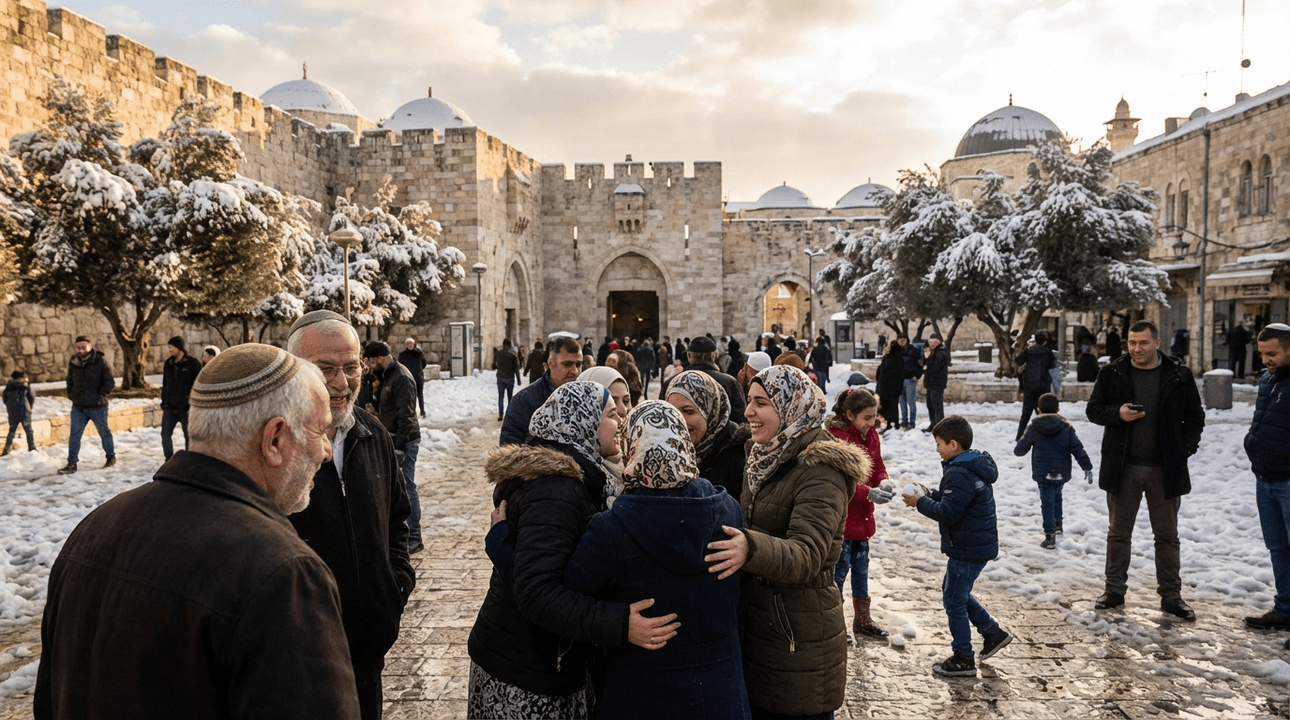
The unexpected snow brings a sense of joy and wonder, uniting communities in celebration. People gather to enjoy the rare sight, creating memories that last a lifetime.
Snow in Israel is often seen as a reminder of the country’s diverse climate and the unexpected joys it can bring. The sight of snow-covered olive trees and vineyards creates a picturesque scene that captivates both locals and visitors.
It’s a time when communities come together to enjoy the rare phenomenon, making memories that last a lifetime. The transformation of the landscape offers a fresh perspective on the beauty of Israel.
In the Galilee region, snow-draped hills provide a stunning contrast to the usual greenery, offering a unique view for those who visit. These scenes are a testament to the country’s natural beauty.
Planning a Visit in Winter
For travelers wishing to witness snow in Israel, planning a winter visit is key. December through February is the best time for snowfall, particularly in the higher regions like the Golan Heights.
Visitors should prepare for dramatic shifts in weather, from sunny mornings to snowy afternoons, embracing the surprise that each winter day in Israel might bring. This period is ideal for those interested in experiencing Israel’s unique blend of climates.
Packing warm clothing and being ready for sudden weather changes is essential for a comfortable visit. The chance to see snow in such a historically rich country adds to the allure of a winter trip to Israel.
The contrast between the warm coastal areas and the snowy peaks offers a diverse experience. Exploring Jerusalem during a snowfall can be particularly enchanting, as the city’s ancient stones take on a serene beauty under a blanket of white.
The unexpected snow also creates a perfect backdrop for cultural events and local festivals, adding to the allure of a winter visit to Israel. For instance, the snow-covered Western Wall (Kotel) becomes a site of quiet reflection, drawing both locals and tourists to witness its rare transformation.
The snow adds a magical touch to the city’s historic sites, making it a unique experience for everyone.
Snow in Israel - Facts and Insights