
Understanding the Name Bethany in Hebrew Context
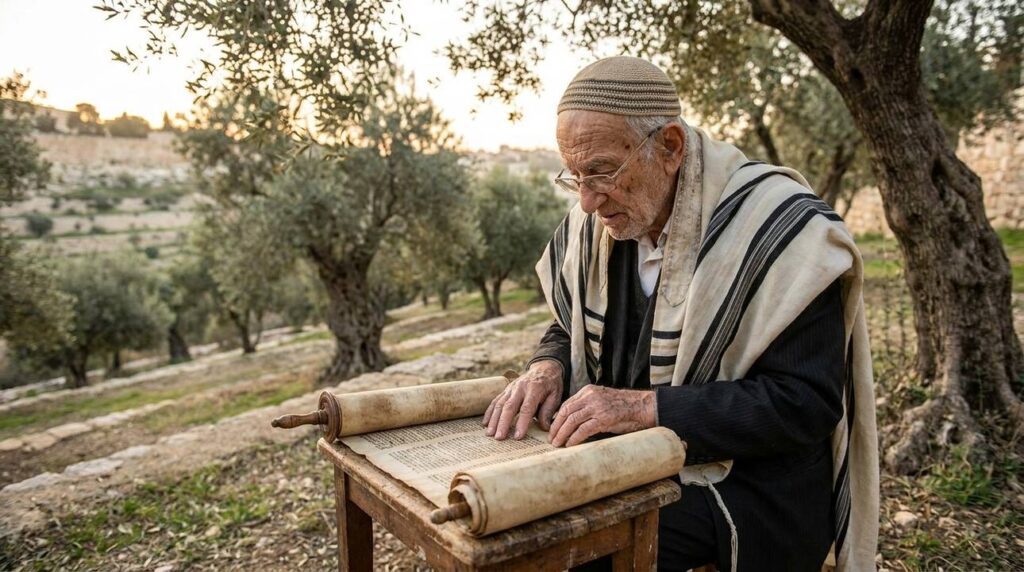

Bethany holds a special place in biblical tradition. Often remembered as a serene village near Jerusalem, its significance extends beyond a simple locale. It is mentioned in the Hebrew Bible and has connections to several important events and figures.
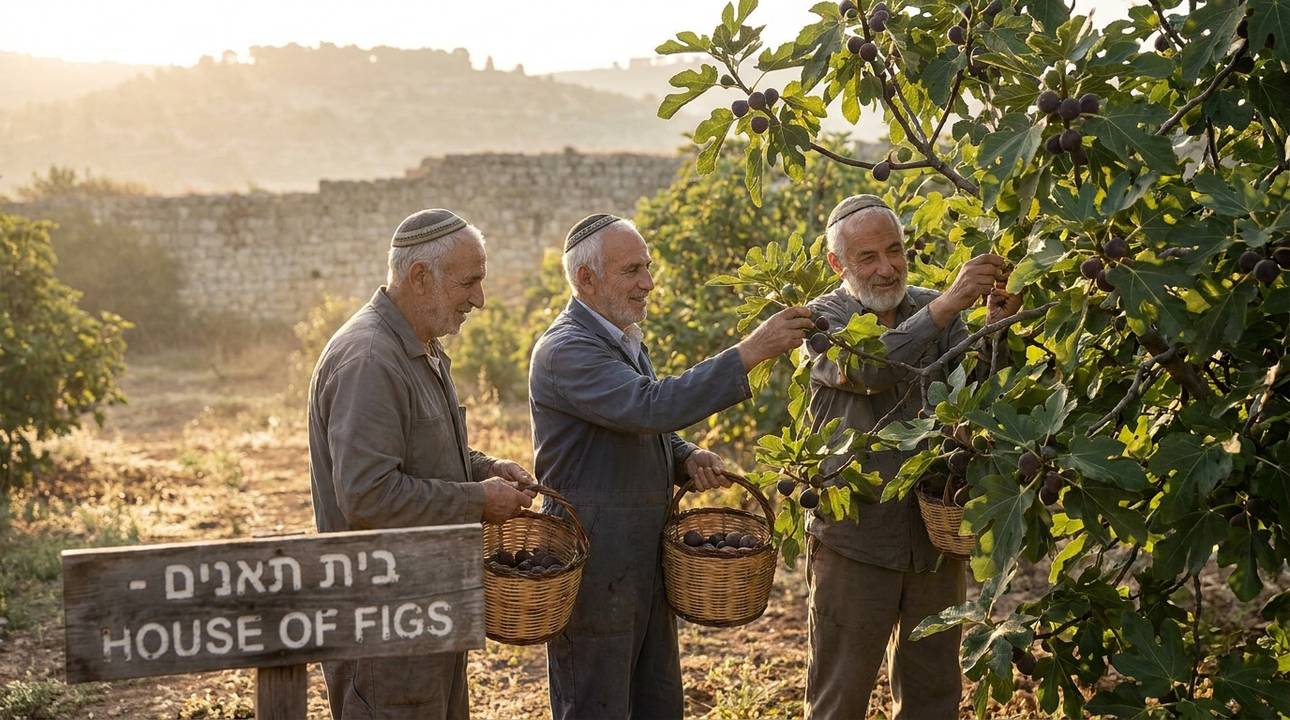
In this article, we’ll delve into the meaning of Bethany in Hebrew, exploring its roots and the stories that have given it lasting cultural weight. The name itself is believed to derive from ‘Beit Anya,’ which means ‘House of Affliction’ or ‘House of Figs’ in Hebrew.
This dual meaning reflects Bethany’s role as a place of both hardship and abundance. Known for hospitality and healing, it was the home of Mary, Martha, and Lazarus, who are key figures in various biblical narratives.
Mary and Martha are well-known for their hospitality, as seen in the story where Martha welcomes a guest into her home (Luke 10:38-42). Lazarus, their brother, is central to a miraculous event that underscores themes of faith and renewal.
from the Western Wall to Masada.

Mary and Martha’s story in Luke 10:38-42 highlights the importance of hospitality and service. Martha’s dedication to welcoming guests and Mary’s focus on listening and learning reflect the balance of action and contemplation.
These themes resonate with Bethany’s identity as a place of community and spiritual growth, where individuals could find both physical and spiritual nourishment.
Bethany: A Name Rooted in History
Bethany is traditionally believed to be derived from Hebrew origins. Often linked to the word ‘Beit’ meaning ‘house,’ many scholars interpret it as ‘House of Figs’ or ‘House of Affliction,’ reflecting its possible agricultural past or a place of healing.
Located near Jerusalem, Bethany played a vital role in various biblical narratives, adding layers to its interpretation. Its proximity to the city made it a significant location for those seeking spiritual and physical refuge.
The interpretation of Bethany as ‘House of Figs’ suggests a connection to agricultural life, perhaps indicating its role in providing sustenance. Alternatively, ‘House of Affliction’ could point to its role as a place of healing and support for those in need.
These interpretations highlight the multifaceted nature of Bethany’s identity, offering insights into its historical and spiritual significance as a place of both provision and comfort.
Cultural and Biblical Importance
Bethany is recognized in biblical texts as a place of significant events. It was here that Lazarus was raised from the dead, a story filled with themes of faith and renewal. This location carried a spiritual resonance, depicted as a place of refuge and support.
Understanding these narratives helps illuminate the deeper connotations of what Bethany represented for ancient communities. It was a site of miracles and teachings, offering a sense of hope and renewal for those who visited or heard its stories.
The story of Lazarus in Bethany is a testament to its role as a place of profound spiritual experiences. The narrative of Lazarus being called forth from the tomb is not just a miracle but a demonstration of the power of belief and the promise of new life.
Such stories have made Bethany a symbol of transformation and faith, resonating with those who seek inspiration and renewal in their spiritual journeys.
Bethany’s role as a haven for those seeking healing and solace is reflected in its biblical accounts. It served as a setting for various teachings and gatherings, emphasizing its importance as a hub of spiritual activity and community life.
In Mark 14:3-9, the anointing highlights Bethany’s role in moments of reflection and devotion.
This event, where a woman anoints a guest with precious ointment, underscores the themes of generosity and reverence, marking Bethany as a place of heartfelt encounters and spiritual significance.
The story of the anointing is a vivid example of Bethany’s role in fostering community and spiritual connection.
It was a place where people came together, much like in the story of the anointing (Mark 14:3-9), which highlights its role in moments of reflection and devotion.
The act of anointing, a gesture of honor and respect, illustrates the deep bonds and shared values that characterized community life in Bethany, making it a cherished location in biblical narratives.
Life in Bethany: Historical Context
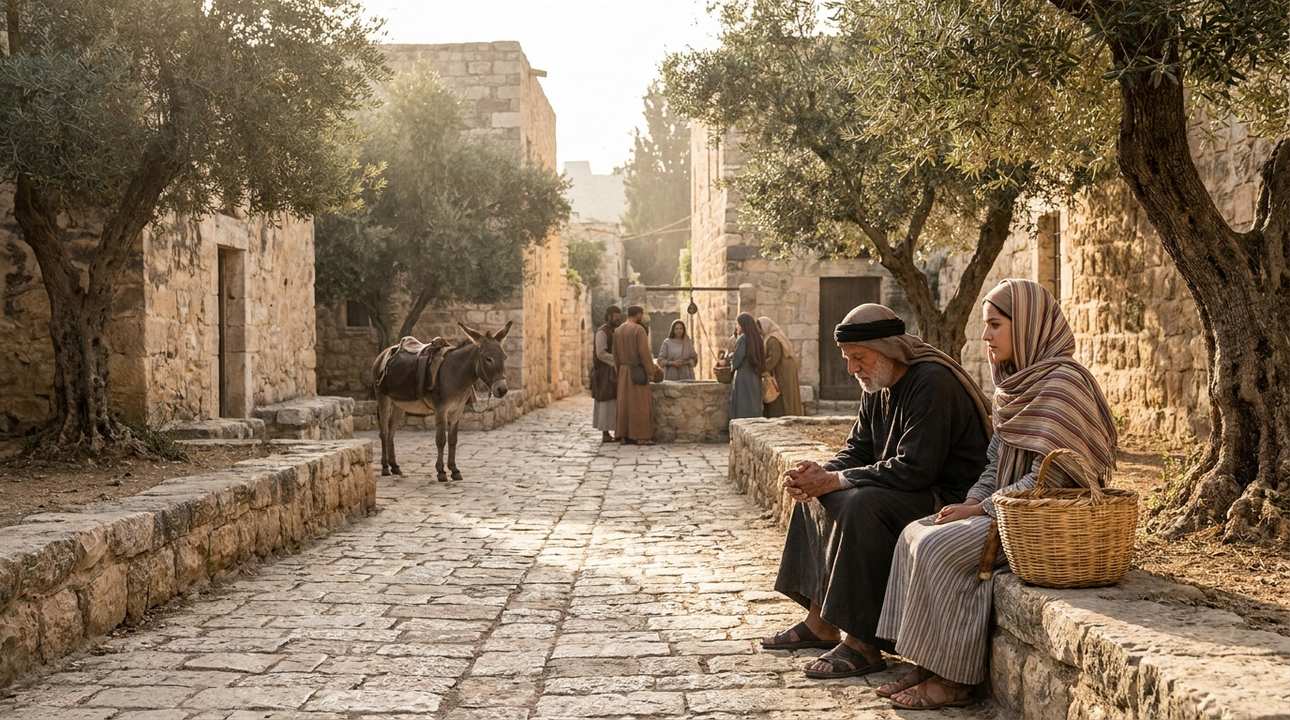
Historically, Bethany was more than just a name; it was a living community. Located on the eastern slopes of the Mount of Olives, it was a modest village. Evidence suggests it might have been a hub for fig production, lending context to one of its interpretations as ‘House of Figs.’
Its positioning near Jerusalem made it a key stop for travelers seeking respite from the bustling city. This strategic location allowed it to serve as a place of rest and reflection for many.
Bethany’s proximity to Jerusalem not only made it a convenient stop for travelers but also a place of refuge and contemplation. The Mount of Olives itself is a site of significant religious importance, often mentioned in biblical texts as a place of prayer and teaching.
This geographical and spiritual significance of Bethany contributed to its role as a setting for various biblical events, further enriching its historical and cultural narrative.
Bethany in Religious Texts
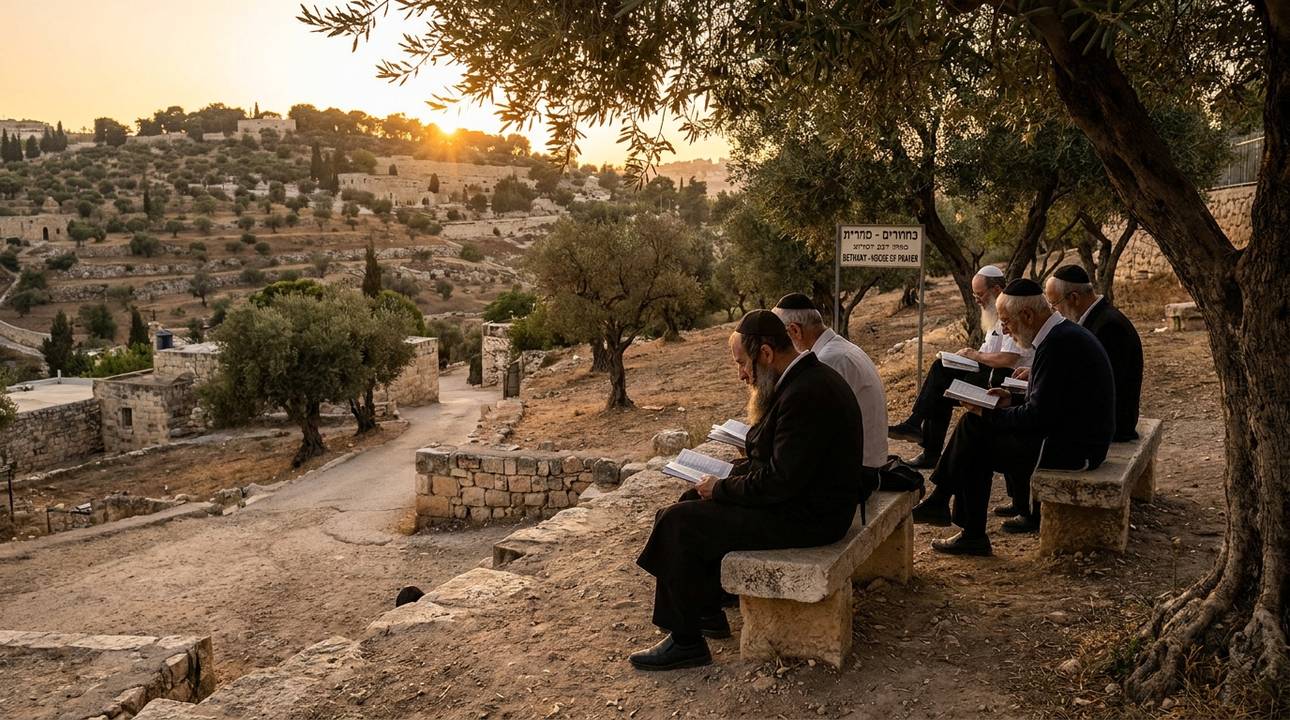
Various passages mention Bethany, enriching its symbolic status. It’s frequently noted in the context of transformative events. For example, it is mentioned as a place where significant teachings and events occurred.
Exploring these aspects uncovers how Bethany served as a backdrop for important teachings and events. These stories contribute to its enduring image in memory and scholarship, highlighting its role as a site of communal significance.
from the Western Wall to Masada.
Bethany is also associated with the story of Lazarus, who was raised from the dead, illustrating themes of faith and resurrection. This event, recorded in the Bible, underscores its importance as a place of miraculous occurrences and divine intervention.
In John 11:1-44, the narrative unfolds with Lazarus being called forth from the tomb, showcasing the power of belief and renewal. This story not only emphasizes the miraculous but also highlights Bethany as a symbol of hope and transformation for many who seek spiritual renewal.
The raising of Lazarus is a pivotal moment, illustrating the profound impact of faith. Bethany thus becomes more than a geographical location; it represents the possibility of new beginnings and the triumph of life over despair.
This story has been a source of inspiration for countless individuals, offering a message of hope and the potential for change. Its role in this narrative underscores its significance as a place where the extraordinary becomes possible, and where faith can lead to remarkable outcomes.
The Modern Perception of Bethany
In contemporary times, Bethany continues to resonate within religious communities. It evokes themes of healing, hospitality, and contemplation, embodying a place where faith and action meet. For instance, it was a place where people gathered for rest and reflection.
Modern interpretations often focus on these themes, linking them to personal experiences and community values. Many people see Bethany as a symbol of spiritual renewal and community support, reflecting its historical role as a haven for those in need.
Bethany’s enduring legacy as a place of gathering and reflection is mirrored in today’s communities that seek to emulate its values of hospitality and healing. Its historical narratives continue to inform contemporary understandings of faith and community.
As a symbol of spiritual renewal, Bethany encourages individuals to find solace and strength in their own journeys, fostering a sense of connection and support within their communities.
Symbols and Meanings
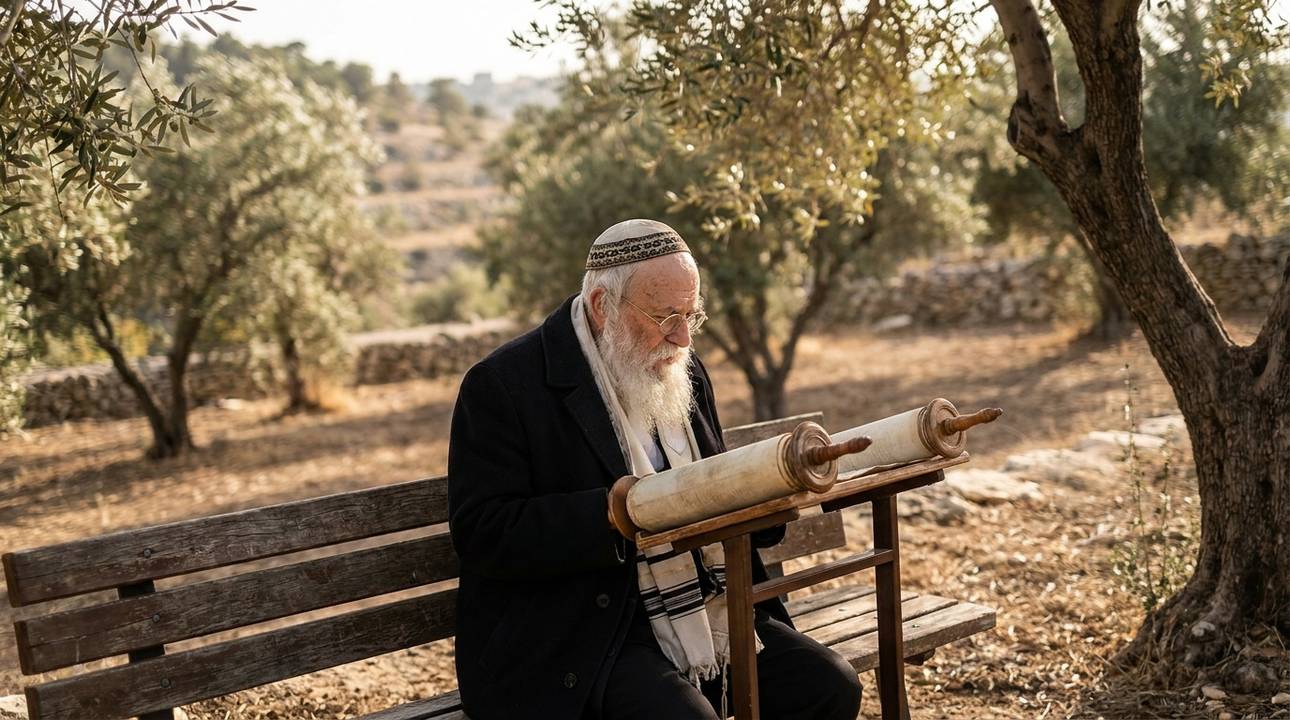
Bethany has become symbolic in many ways. It transcends its physical location to represent ideas of sanctuary and renewal. The connections drawn from its stories offer powerful reflections for those who cherish its history and cultural significance.
Such symbols inspire ongoing reflection and interpretation among scholars and practitioners alike. Bethany is often seen as a metaphor for refuge and transformation, encouraging individuals to seek solace and growth in their journeys.
Bethany’s symbolic significance extends beyond its historical context, offering a lens through which individuals can explore themes of sanctuary and renewal. Its stories of healing and faith continue to inspire those who seek deeper understanding and connection.
In this way, Bethany serves as a timeless metaphor for personal and communal transformation, inviting reflection and growth in the spiritual lives of those who engage with its rich narrative.
Revisiting the Origins: A Summary
Bethany remains rich with historical and cultural layers. Its Hebrew roots hint at agrarian life, while its stories highlight moments of compassion and transformation. The association with figures like Mary, Martha, and Lazarus adds depth to its narrative.
For those exploring its meaning, Bethany offers a unique convergence of past and present, tradition and personal insight. Understanding it within its full context brings alive a vibrant tapestry of community, offering a glimpse into its enduring significance.
The stories associated with Bethany, such as the raising of Lazarus, provide a window into its role as a place of miracles and spiritual encounters. These narratives contribute to its lasting symbolism as a place of hope and renewal.
The name Bethany, therefore, continues to inspire reflection and connection, inviting individuals to explore its layers of meaning and its impact on personal and communal identity throughout history.
Understanding Bethany
