Discovering the Beauty of Judaica Art in Israel


Art Judaica in Israel offers a glimpse into a world where tradition meets creativity. This unique form of art draws from centuries of Jewish history, bringing it to vibrant life in modern times.
For instance, the use of pomegranates in design, a symbol of righteousness as found in Exodus 28:33-34, showcases how ancient symbols are reimagined in contemporary art. Artists continue to explore these themes, ensuring that Judaica art remains a living tradition.
Understanding Judaica Art
Judaica art encompasses a wide array of creations from ritual objects to fine art pieces. Items such as menorahs and mezuzahs are crafted with care, often featuring symbols like the Star of David, which represents Jewish identity.
Each item is crafted with a deep sense of purpose, often drawing inspiration from traditional Jewish texts and symbols. The use of Hebrew letters, as seen in Torah scrolls, adds a layer of spiritual significance to these artworks.
Items like menorahs, mezuzot, and Shabbat candlesticks are more than just functional; they tell a story. The menorah, for instance, is a symbol of the miracle of the oil during the rededication of the Second Temple, as celebrated during Hanukkah.
This event is detailed in the Talmud, where a small amount of oil miraculously lasted eight days. These items reflect the rich tapestry of Jewish life and heritage across centuries, each piece carrying its own unique narrative that connects the past with the present.

Historical Roots of Judaica Art
The roots of Judaica art can be traced back to ancient times, with references found in the Torah. For example, the intricate designs of the Tabernacle, as described in Exodus 25:31-40, highlight the importance of art in religious contexts.
These early forms of art served both religious and societal functions, adding beauty to sacred practices. They also played a role in community identity, as seen in the detailed descriptions of priestly garments in Exodus 28:2-4.
From the decorations in the ancient Temple in Jerusalem to the intricate designs on ancient scrolls, Judaica art is a testament to Jewish resilience. The Temple, described in 1 Kings 6:29-35, was adorned with carvings of cherubim and palm trees, showcasing artistic excellence.
It reflects a long history of cultural and religious expression. These artistic traditions have been preserved through centuries, adapting to different eras while maintaining their core values.

Modern Influences on Judaica Art
Contemporary artists continue to evolve the field of Judaica art, infusing it with modern themes and materials. Artists like David Gerstein incorporate vibrant colors and abstract forms, reflecting today’s dynamic culture.
This fusion creates pieces that speak to today’s generation while preserving traditional roots. By blending old and new, these artists ensure that Judaica art remains relevant and inspiring for all ages.
Many of these artists draw inspiration from Israel itself, capturing the landscapes and spirit of the land in their creations. The vibrant colors of a painting might reflect the hues of the Negev Desert at sunset, while a sculpture could embody the rugged beauty of the Golan Heights.
This adds a layer of depth and authenticity to their works, allowing viewers to experience the essence of Israel through art. These creations offer a visual journey through the land’s diverse and captivating scenery.

Cultural Significance of Judaica Art
Judaica art serves as a bridge between the past and the present, keeping Jewish traditions alive. For example, the intricate designs on a Torah scroll cover might echo the artistry found in ancient synagogues, like those in Jerusalem.
The Great Synagogue of Jerusalem, built in 1982, continues this tradition of ornate design. It reinforces cultural identity by connecting individuals to their roots and provides continuity in the face of changing times, much like the enduring significance of the Western Wall.
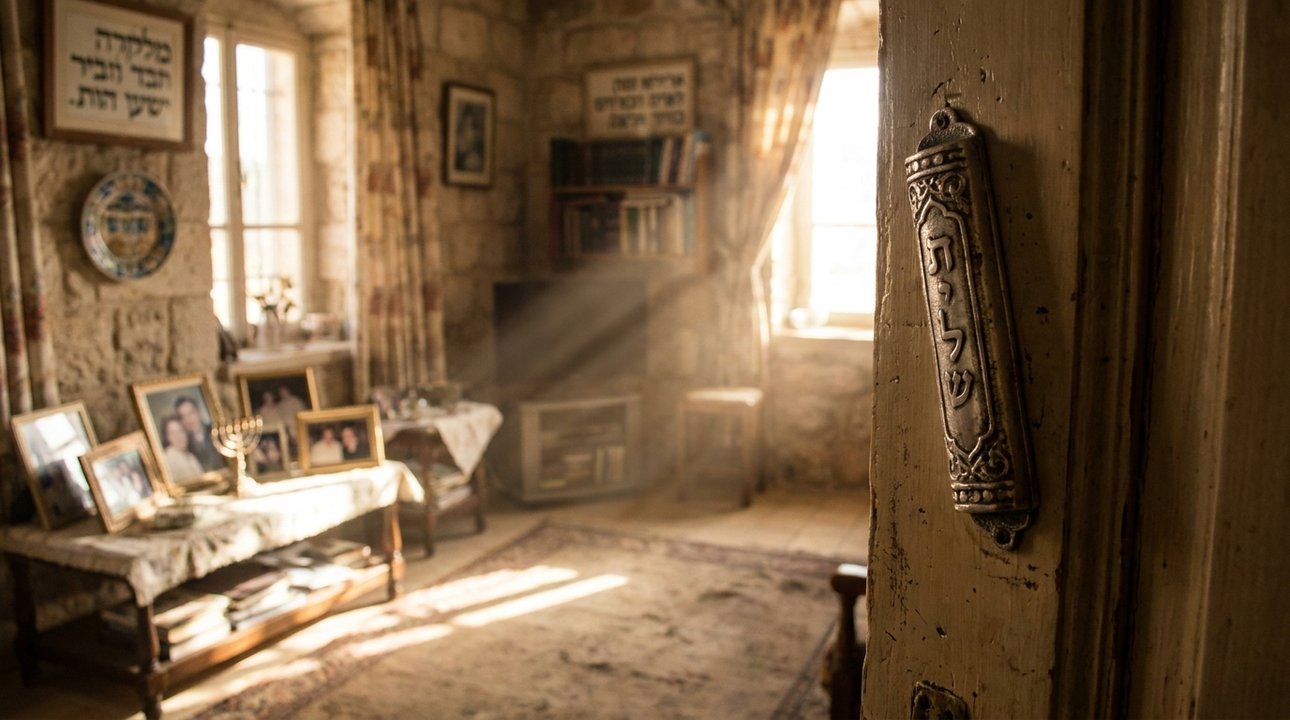
Moreover, Judaica art is central to Jewish homes, often becoming focal points in living spaces. A mezuzah on the doorpost is not merely decorative; it contains a scroll with verses from Deuteronomy 6:4-9, serving as a constant reminder of faith.
These pieces are imbued with meaning and personal significance, often passed down through generations, adding layers of family history to their aesthetic appeal. They connect the past with the present, enriching daily life.
How Judaica Art Supports Israeli Families
By purchasing Judaica art, consumers directly support Israeli artists and craftsmen. This support helps sustain local businesses, such as those in the artist village of Ein Hod, and keeps artistic traditions thriving.
In the city of Safed, known for its rich history of Kabbalah, artists create pieces that reflect spiritual themes, thereby preserving cultural heritage.
Supporting these artists means contributing to the continuation of a legacy, ensuring that future generations can enjoy and learn from these cultural treasures.
Many small family-run workshops in Israel rely on the creation of Judaica items to maintain their livelihoods. These workshops often pass down skills from generation to generation, ensuring that traditional methods are preserved.
Each purchase is a step towards preserving these artisanal skills for future generations. By supporting these artisans, you contribute to sustaining a cultural heritage that is deeply rooted in Israel’s rich history of craftsmanship.
Incorporating Judaica Art into Daily Life
Integrating Judaica art into daily life can be simple yet deeply rewarding. Whether through decorative pieces or items used in rituals, such as a Kiddush cup during Shabbat, it enriches both spiritual and aesthetic experiences.
The use of a challah cover with intricate embroidery can transform a Friday night meal into a moment of reflection and connection with tradition. These objects serve as reminders of the values and stories that shape Jewish life.
From enhancing holiday celebrations to marking personal milestones, Judaica art serves as a constant reminder of cultural values. During Passover, a beautifully crafted Seder plate not only holds symbolic foods but also tells the story of the Exodus, as described in Exodus 12:14.
It adds a sense of warmth and continuity to any space, making each moment feel connected to a larger historical narrative. These pieces help keep the stories and traditions alive for future generations.

Conclusion: The Lasting Impact of Judaica Art
Judaica art in Israel continues to be a vital expression of Jewish identity and creativity. Artists in Jerusalem, for example, often incorporate motifs from the city’s ancient architecture, such as the iconic arches of the Old City.
It stands as a testament to the rich cultural heritage and the vibrant artistic community in Israel, celebrating both historical and contemporary influences. This blend of old and new keeps the tradition alive and evolving.
As interest in Judaica art grows, it ensures that these traditions will be appreciated by future generations. This art form connects people to their heritage, much like the menorah, a symbol of light and wisdom, which has been used since the time of the Second Temple.
This art form is not only a celebration of beauty but also a meaningful connection to our roots. It serves as a bridge between the past and present, allowing us to carry forward the stories of our ancestors.
Judaica Art Inquiry