
Mount Moriah: Abraham’s Legacy in Jerusalem
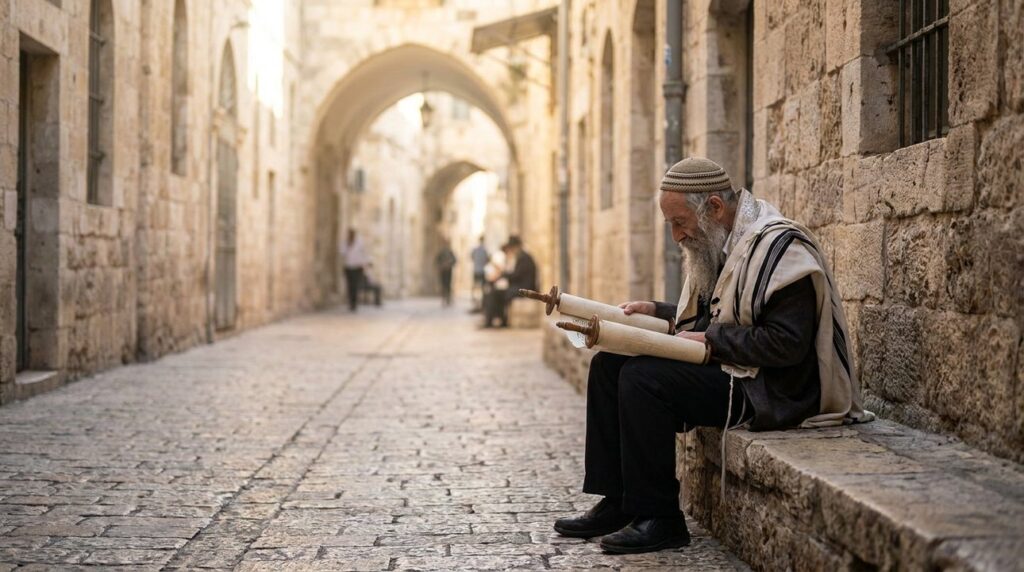

Mount Moriah holds a unique place in both Jewish tradition and biblical history. Known as the site of Abraham’s ultimate test of faith, it is deeply embedded in the spiritual and cultural identity of Jerusalem. This is where, according to Genesis 22:2, Abraham was tested.
In this article, we explore its biblical significance, historical role, and enduring symbolism in the Jewish heritage. The mountain’s legacy continues to influence Jewish thought and practice, serving as a symbol of faith and perseverance.
It is also associated with the Temple Mount, marking it as a central location in Jewish religious history.
This site’s continued relevance is reflected in its role as a focal point for Jewish prayer and longing, embodying the spiritual aspirations and historical memories of the Jewish people.
from the Western Wall to Masada.

The Story of Abraham and Mount Moriah
The mountain is most famously known as the location where Abraham was tested by divine command. In Genesis 22:2, he is instructed to take his son Isaac and offer him as a sacrifice on a mountain in the land of Moriah.
This story, known as the Akedah or Binding of Isaac, is pivotal in demonstrating faith and obedience. It paints a powerful image of trust and divine providence, as Abraham complies only to be stopped at the last moment. Instead of offering his son, he sacrifices a ram provided by the divine.
This act is seen as a testament to Abraham’s unwavering faith and has become a cornerstone of Jewish theology and tradition. The ram’s sacrifice is commemorated in the shofar blasts during Rosh Hashanah, symbolizing remembrance and renewal.
The role of this site in the narrative highlights its significance as a place of spiritual testing and revelation, continuing to inspire reflection on faith and commitment in Jewish thought.
This event not only underscores the significance of faith but also lays the groundwork for the future spiritual status of the mountain. It becomes a site imbued with meaning, representing commitment, sacrifice, and divine interaction.
The Akedah, or Binding of Isaac, is a pivotal moment in Genesis 22:2-14, where Abraham’s faith is tested, and it has shaped Jewish liturgy and tradition. The Akedah is remembered in Jewish tradition and liturgy, illustrating the enduring relevance of this narrative today.
It is mentioned during Rosh Hashanah, the Jewish New Year, reflecting its importance in themes of renewal and introspection. The story’s legacy is a testament to the profound impact of faith and obedience, resonating through generations.
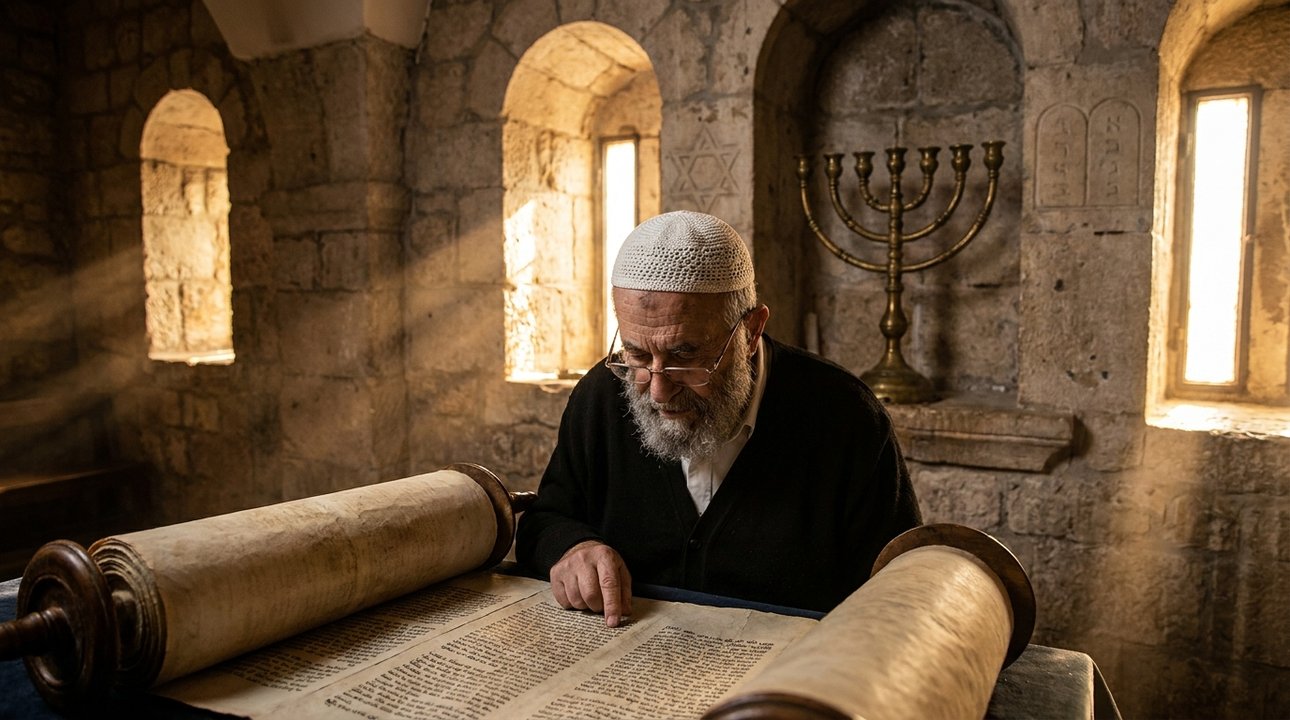
Mount Moriah and the Temple Mount
The importance of this site extends far beyond its initial historical account. It is traditionally identified with the Temple Mount in Jerusalem, the site of the First and Second Temples.
This revered site transformed into the spiritual heart of the Jewish nation.
This site became the epicenter of Jewish worship and religious life, hosting significant events.
The Temple Mount remains a symbol of Jewish heritage and spiritual longing, embodying the historical and religious narrative of the Jewish people.
The choice of this location for the Temple was significant, intertwining the themes of atonement and holiness. It became a place where the divine presence was believed to dwell, central to worship and sacrifice. According to 2 Chronicles 3:1, Solomon built the Temple on this site.
Here, the Ark of the Covenant was placed, as described in 1 Kings 8:6. Through the Temple, this mountain gained prominence as a symbol of national and religious identity, integral to Jewish life and festivity.
The site remains a focal point for Jewish prayer and pilgrimage, reflecting its enduring spiritual importance. The annual pilgrimage festivals, such as Passover, Shavuot, and Sukkot, drew thousands to Jerusalem, as described in Deuteronomy 16:16.
Even today, the longing for the Temple’s restoration is a central theme in Jewish prayer, highlighting the lasting influence of this site on Jewish worship and cultural identity.
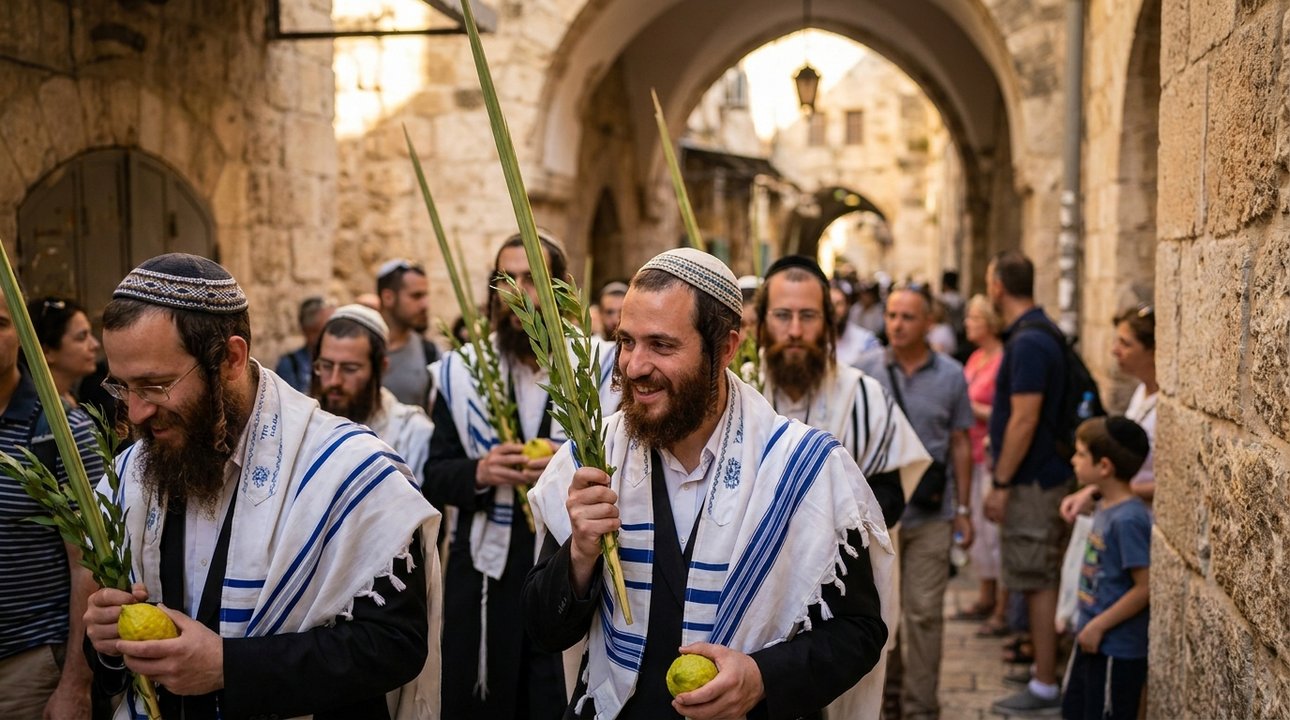
Moriah: Meaning and Modern Identity
Etymologically, the name ‘Moriah’ is a subject of analysis among scholars. It is often thought to mean ‘chosen of Jehovah’ or related to ‘vision. ‘ These interpretations underscore its connection to divine selection and visibility.
The name is mentioned in Genesis 22:2, adding layers to its significance. Although much discussion centers on these meanings, they emphasize the mountain’s symbolic nature in Jewish thought. It serves as a reminder of the divine encounters and revelations associated with this sacred place.
Reinforcing its spiritual and cultural importance, the mountain is linked to the story of Abraham’s test of faith. This narrative, known as the Akedah, is pivotal in Jewish theology, symbolizing ultimate devotion and trust.
The mountain’s name and its associations continue to inspire reflection and study, inviting believers to explore the depths of faith and commitment. Its etymology highlights its role as a beacon of spiritual insight and heritage.
Today, the site remains a focal point in both religious and cultural discussions. Known widely as the Temple Mount, it is a place of pilgrimage and spiritual reflection. The site is revered in Jewish tradition as the location of the First and Second Temples.
The contemporary narrative remains intertwined with its past, serving as a testament to faith, history, and enduring identity.
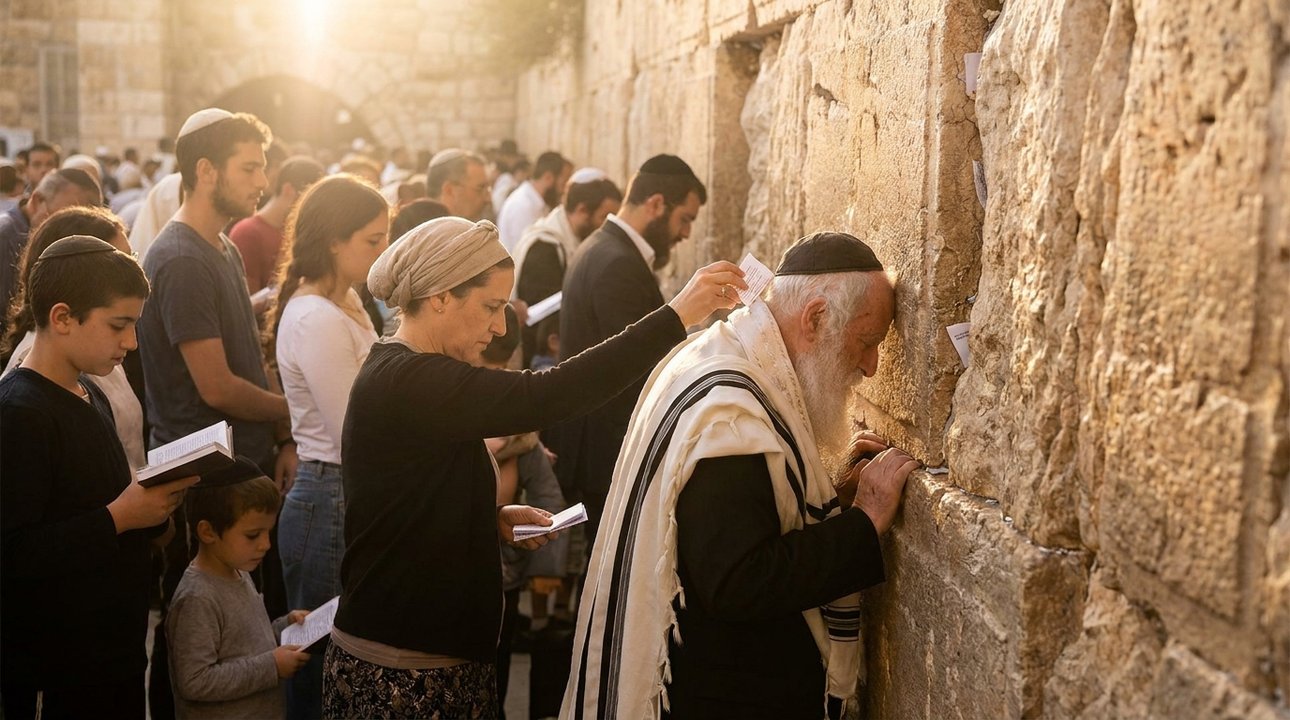
Visitors to Jerusalem often seek out this historic site, reflecting on its deep spiritual roots and its role in shaping Jewish heritage. The Western Wall, a remnant of the Second Temple, stands as a poignant symbol of resilience and prayer.
Pilgrims from around the world come to touch its stones, leaving written prayers in its crevices. The significance of this site extends beyond its physical presence, embodying a rich tapestry of Jewish history and spiritual longing, continually inspiring those who visit.
from the Western Wall to Masada.
Mount Moriah in Jewish Tradition
Jewish texts, including the Talmud, continue to explore the implications of this mountain. It symbolically points to themes of devotion and the human-divine relationship. Rituals such as prayer and festivals often draw upon this symbolism.
The Talmud discusses the significance of the Temple Mount, highlighting its role as a spiritual center in Tractate Yoma. Daily Jewish prayer includes a longing for the rebuilding of the Temple, speaking to the enduring heritage of this site in Jewish consciousness.
This yearning is expressed in prayers like the Amidah, where the hope for restoration is a central theme. The mountain remains a focal point of Jewish identity, symbolizing continuity and spiritual aspiration.
Its presence in Jewish liturgy and thought underscores its lasting significance, inviting believers to reflect on their connection to heritage and faith. The mountain continues to inspire devotion and hope, serving as a beacon of spiritual longing and renewal.
In these expressions, the mountain transcends its physical origins. It becomes a space of metaphor, hope, and continuity. The mountain is often linked to the story of Abraham and Isaac from Genesis 22:2, where Abraham is asked to sacrifice his son.
This narrative has been a cornerstone in Jewish thought, symbolizing ultimate faith and devotion. The presence of this site in Jewish faith showcases its unmatched role in shaping identity and spiritual narrative.
Serving as a reminder of the covenant with the divine, it remains a symbol of enduring faith and connection to spiritual heritage. The story of the Akedah is recounted during the Rosh Hashanah services, emphasizing its significance in Jewish liturgy.
The role of this site in the narrative continues to inspire reflection and connection, offering a profound link to the past and a guide for spiritual exploration.
Mount Moriah in Broader Cultural Contexts
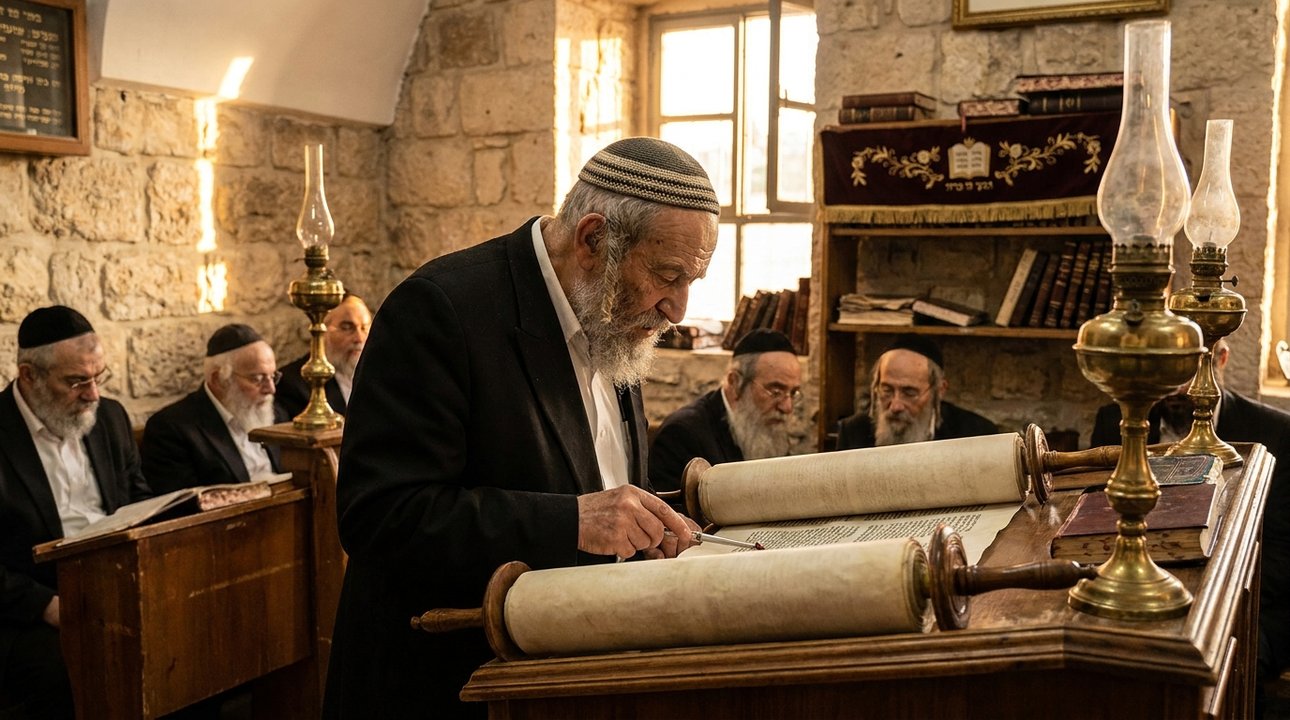
The mountain’s influence can be seen in broader cultural contexts, reflecting its significance across different traditions. In the Jewish tradition, it is where Abraham demonstrated his faith, a story that resonates in Genesis 22:2-14.
Its narrative of sacrifice and faith resonates universally, touching themes of obedience and divine encounter that transcend geographical boundaries. The mountain’s story has inspired countless interpretations in literature and art, emphasizing its timeless relevance.
Artists and writers have drawn upon its themes to explore human experiences of faith and sacrifice. This cultural impact underscores the mountain’s role as a symbol of spiritual and moral exploration.
Its presence in diverse artistic expressions highlights its universal appeal, inviting reflection on the nature of faith and the human spirit. The mountain continues to inspire and challenge, offering insights into the complexities of belief and devotion.
In literature, arts, and music, it frequently appears as a symbol of faith and transcendence. Artists from various periods have drawn upon its metaphorical richness to illustrate themes of spiritual exploration and endurance.
The story of Abraham and Isaac on the mountain has inspired works such as Rembrandt’s ‘The Sacrifice of Isaac.’ Its adaptability as a motif speaks to its profound impact on both Jewish identity and universalistic spiritual thought, making it a timeless symbol of devotion and sacrifice.
The narrative continues to inspire, reflecting the enduring power of faith and the human spirit. In music, composers like Benjamin Britten have explored its themes, weaving the story into operatic works.
The mountain’s influence extends beyond religious contexts, resonating with universal themes of trust, sacrifice, and the search for meaning. Its presence in the arts underscores its role as a source of inspiration and reflection across cultures.
General Questions
