
Unveiling the Flavors of Dukkah Spice
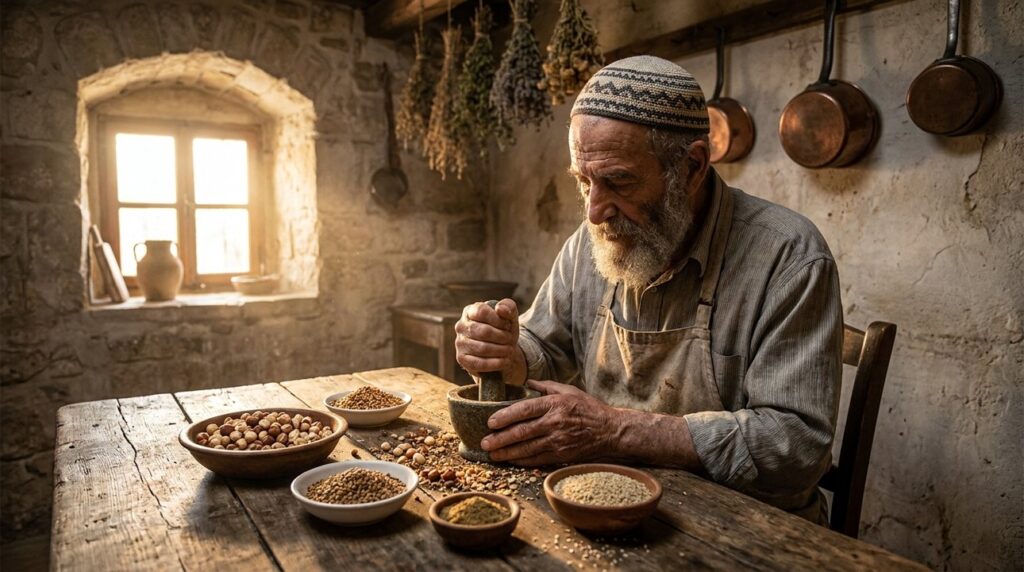

Dukkah spice is an intriguing blend hailing from the Middle East, particularly beloved in Israel. This aromatic mix brings a touch of tradition and delight to many dishes.
Historical records show that similar spice blends were used in ancient Egypt, highlighting its long-standing culinary significance. Whether sprinkled over bread or used to season meats, dukkah adds a rich, nutty flavor that captivates the palate.
Its origins in the Levant region reflect a rich tapestry of cultural influences that have shaped its unique taste.
In the bustling markets of Cairo, vendors have sold dukkah for centuries, each with their own secret blend of spices and nuts. This tradition continues in Israel, where dukkah is a staple in many households and a favorite at local markets.
The enduring popularity of dukkah is a testament to its versatility and the timeless appeal of its flavors, which continue to captivate palates across cultures and generations. Its ability to transform simple ingredients into a gourmet experience is part of its enduring charm.
Israeli Cookbook
Inspired by the Farms of Israel
The History and Origins of Dukkah Spice
Dukkah takes roots in Egyptian cuisine but has become an integral part of Israeli culinary culture. Historically, it served as a means to flavor lentils and bread. The word ‘dukkah’ originates from the Arabic term meaning ‘to pound,’ signifying its creation process involving nuts and spices.
In ancient Egypt, dukkah was a staple, much like how lentils were used historically. This historical context enriches its cultural significance today.
In Israel, dukkah is often enjoyed with fresh vegetables or as a topping for hummus, reflecting the region’s emphasis on fresh, healthy ingredients.
This culinary tradition ties back to the ancient practices of using spices and herbs to enhance simple meals, a practice documented throughout the Bible.
The enduring popularity of dukkah underscores its versatility and the timeless appeal of its flavors, which continue to captivate palates across cultures and generations, making it a cherished part of Israeli cuisine.
Traditional Ingredients of Dukkah
The base of dukkah typically consists of hazelnuts, sesame seeds, and a variety of spices like coriander and cumin. This blend can vary, incorporating elements like almonds or pistachios. Such variations offer diverse flavor profiles, making each blend unique and reflective of regional tastes.
For instance, in the Galilee region, local nuts and spices might be used, creating a distinct taste that echoes the area’s agricultural bounty. This adaptability makes dukkah a beloved component in Israeli kitchens.
In Jerusalem, dukkah might include more aromatic spices like sumac, adding a tangy note that complements the nutty base. This regional variation is reminiscent of the diverse agricultural practices mentioned in the Bible, where different areas were known for specific crops and produce.
The ability to customize dukkah to suit local tastes and available ingredients has allowed it to remain a staple in Middle Eastern cuisine, celebrated for its versatility and rich, complex flavors that enhance any dish.
How Dukkah Spice is Made
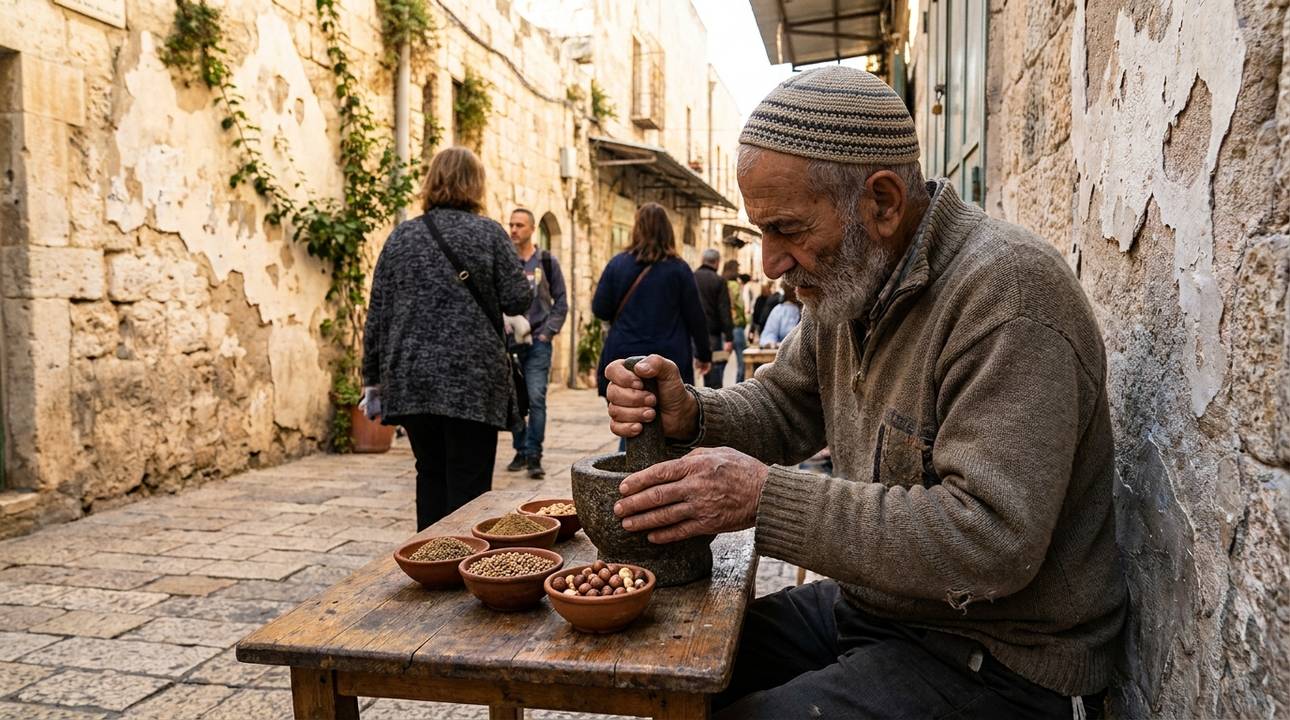
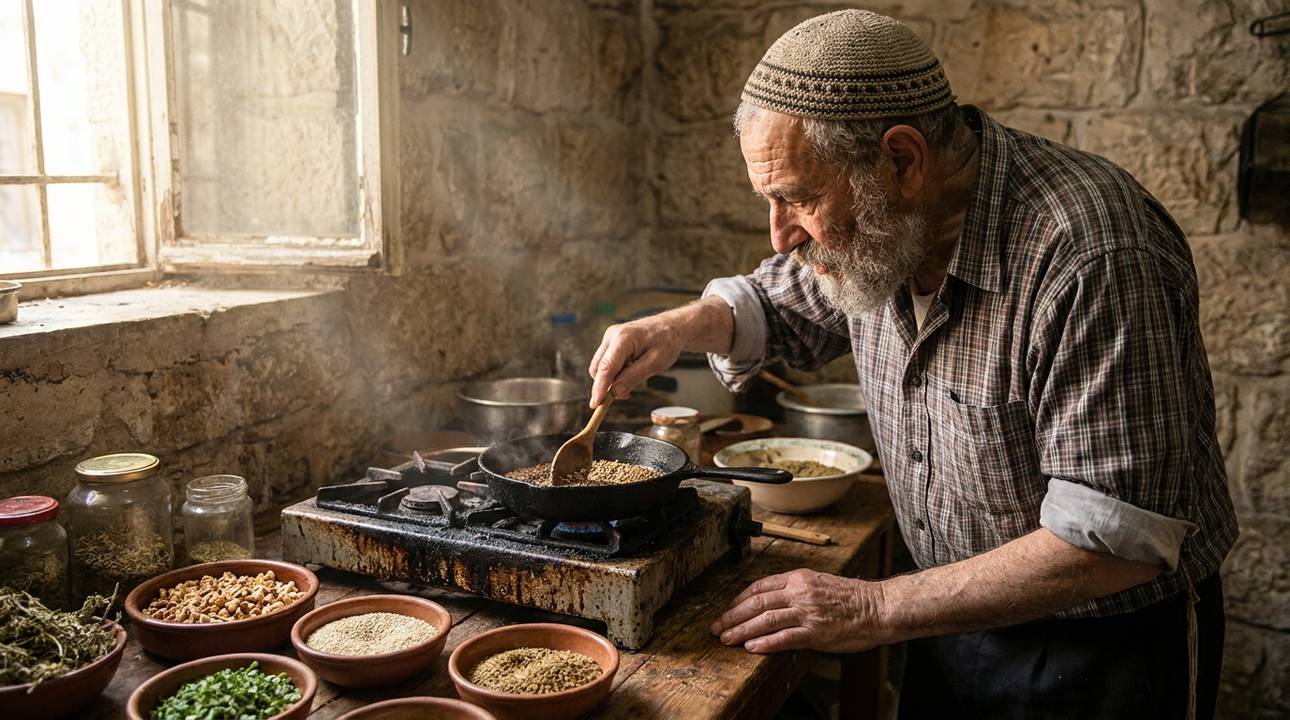
Creating dukkah involves roasting nuts and spices to bring out their flavors. The mixture is then coarsely ground to maintain a texture that enhances its culinary versatility. Roasting intensifies the flavors of each component.
This process allows each ingredient to contribute its characteristic taste to the blend. For instance, hazelnuts add a sweet, buttery note, while cumin seeds offer a warm, earthy aroma, making dukkah a complex and satisfying addition to any dish.
The use of coriander seeds in dukkah adds a citrusy brightness, while sesame seeds provide a nutty, rich undertone. This combination of flavors creates a balance that enhances both savory and sweet dishes, making dukkah a versatile seasoning.
The tradition of roasting and grinding spices is deeply rooted in Middle Eastern cuisine, reflecting the region’s appreciation for bold, aromatic flavors. By incorporating dukkah into your cooking, you embrace a culinary practice that has been cherished for generations.
Culinary Uses and Benefits
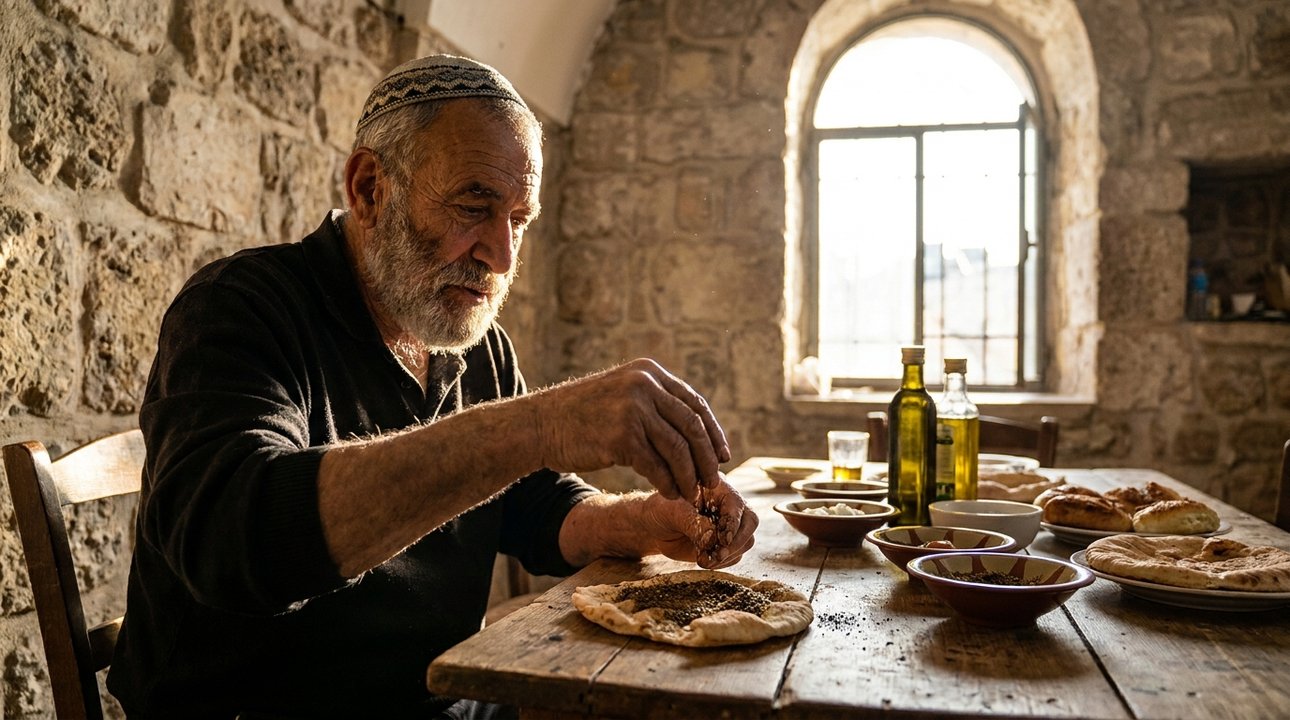
Dukkah finds its place beyond the Middle East, embraced worldwide for its robust flavor. It complements olive oil when paired with warm bread, much like how olive oil was historically used as a staple in daily meals.
Additionally, it can be sprinkled over salads, vegetables, or meats, providing a delightful texture and enriching taste. This versatility makes it a favorite in kitchens from Tel Aviv to New York, where chefs and home cooks alike appreciate its unique contribution.
In Italy, dukkah is often used as a seasoning for pasta, while in Australia, it has become a popular accompaniment to barbecued meats. This global adaptation showcases dukkah’s ability to enhance a variety of culinary traditions.
The spread of dukkah across different cultures mirrors the historical trade routes that once connected the Middle East with Europe and Asia, allowing spices and culinary practices to blend and evolve.
Its journey from regional specialty to international favorite reflects the universal appeal of its flavors.
Israeli Cookbook
Inspired by the Farms of Israel
Dukkah in Israeli Cuisine
In Israel, dukkah enhances traditional dishes, often featuring in breakfast spreads alongside labneh or hummus. Labneh, a creamy yogurt cheese, pairs beautifully with the nutty, aromatic blend of dukkah, creating a harmonious balance of flavors.
Its flexibility allows it to seamlessly integrate into modern cooking, adding depth and a hint of exotic flair to everyday meals.
This adaptability is reminiscent of Israel’s diverse culinary landscape, where ancient traditions meet contemporary tastes, much like the fusion of old and new seen in Jerusalem’s markets.
Dukkah Recipe and Preparation Tips
Crafting dukkah at home can be simple and rewarding. Start by toasting your choice of nuts and spices until fragrant. This step is crucial, as it releases essential oils and intensifies flavors.
Grind the mixture coarsely, adjusting flavors to your preference. Storing it in an airtight container ensures its freshness, allowing you to enjoy its flavor over time. This homemade approach connects you to the rich culinary practices of the Middle East.
The process of making dukkah involves careful selection and combination of ingredients. The act of toasting and grinding the spices mirrors traditional methods of preparing seasonings.
By creating dukkah at home, you not only enjoy a flavorful addition to your meals but also participate in a tradition that spans millennia, linking you to the rich culinary heritage of the Middle East.
Nutritional Value of Dukkah Spice
Rich in healthy fats and essential nutrients, dukkah offers not only taste but also nutritional benefits. The inclusion of nuts and seeds provides valuable proteins and minerals.
Incorporating dukkah into daily meals can contribute to balanced nutrition, making it a favored choice among health-conscious individuals.
Nuts like almonds, mentioned in Genesis 43:11 as part of a gift to Joseph, are known for their health benefits, adding historical depth to dukkah’s nutritional appeal. Almonds are rich in vitamin E, magnesium, and fiber, which support heart health and digestion.
Sesame seeds, another key ingredient, are high in calcium and iron, essential for bone health and oxygen transport in the blood. The combination of these ingredients in dukkah not only enhances flavor but also provides a powerhouse of nutrients.
These ingredients have been prized for their health properties throughout history, much like they are today. The use of such nutrient-rich components in dukkah highlights its role as both a culinary delight and a health-conscious choice, bridging past and present dietary wisdom.
Dukkah: A Culinary Adventure
Exploring dukkah spice opens a window to Middle Eastern traditions and Israeli flavors. Each blend tells a story, connecting you to the land and its culinary heritage. This connection is akin to the rich narratives found in the Torah, where food often symbolizes community and celebration.
Whether a seasoned foodie or new to exotic spices, dukkah offers an opportunity for discovery and delightful experiences. By embracing this spice, you partake in a culinary journey that transcends borders and time, enriching your kitchen with history and flavor.
The use of dukkah in modern cuisine reflects a growing appreciation for traditional flavors and artisanal products. Its presence in gourmet kitchens and home cooking alike speaks to its adaptability and the universal appeal of its taste.
As you incorporate dukkah into your meals, you join a community of food lovers who appreciate the blend of history, culture, and flavor that this spice offers. It is a culinary bridge between past and present, inviting you to savor the richness of Middle Eastern cuisine.
Dukkah Spice Basics
