
Exploring the Uses of Frankincense in Historical Contexts
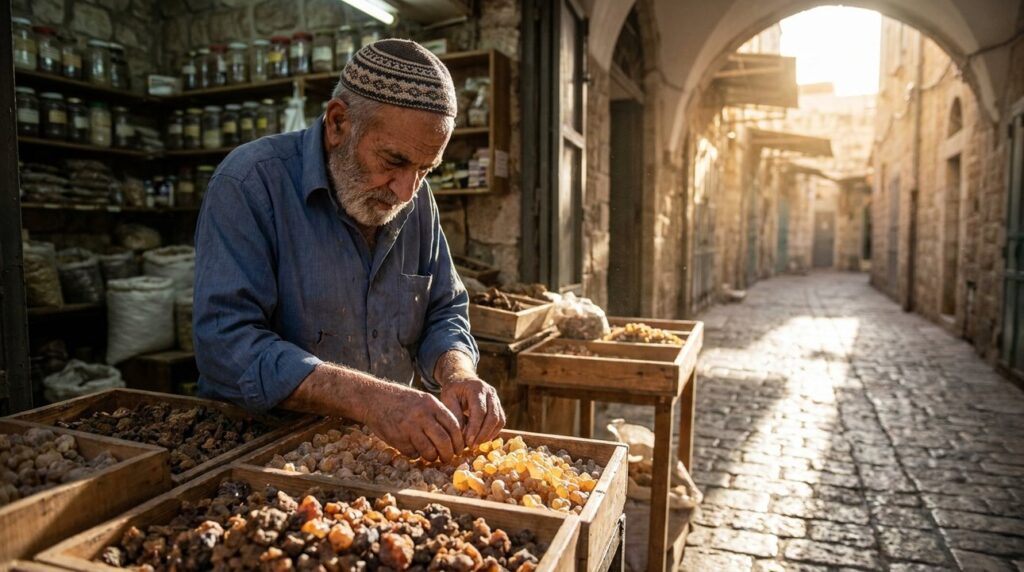

Frankincense holds a remarkable place within historical narratives. A fragrant, aromatic resin derived from trees of the genus Boswellia, it was integral to religious and cultural practices. In Exodus 30:34-38, it is part of the sacred incense blend used in the Tabernacle.
In this article, we will delve into the fascinating roles that frankincense played throughout history and within scripture. From its use in offerings to its role in trade, frankincense was a cornerstone of ancient life.
The Boswellia trees, from which frankincense is derived, are primarily found in the arid regions of the Arabian Peninsula, India, and parts of Africa. These trees have adapted to survive in harsh climates, making the resin they produce even more valuable.
Historically, frankincense was not only used in religious ceremonies but also played a significant role in the economy, acting as a major trade commodity that connected different cultures and regions.
from the Western Wall to Masada.
What Is Frankincense?
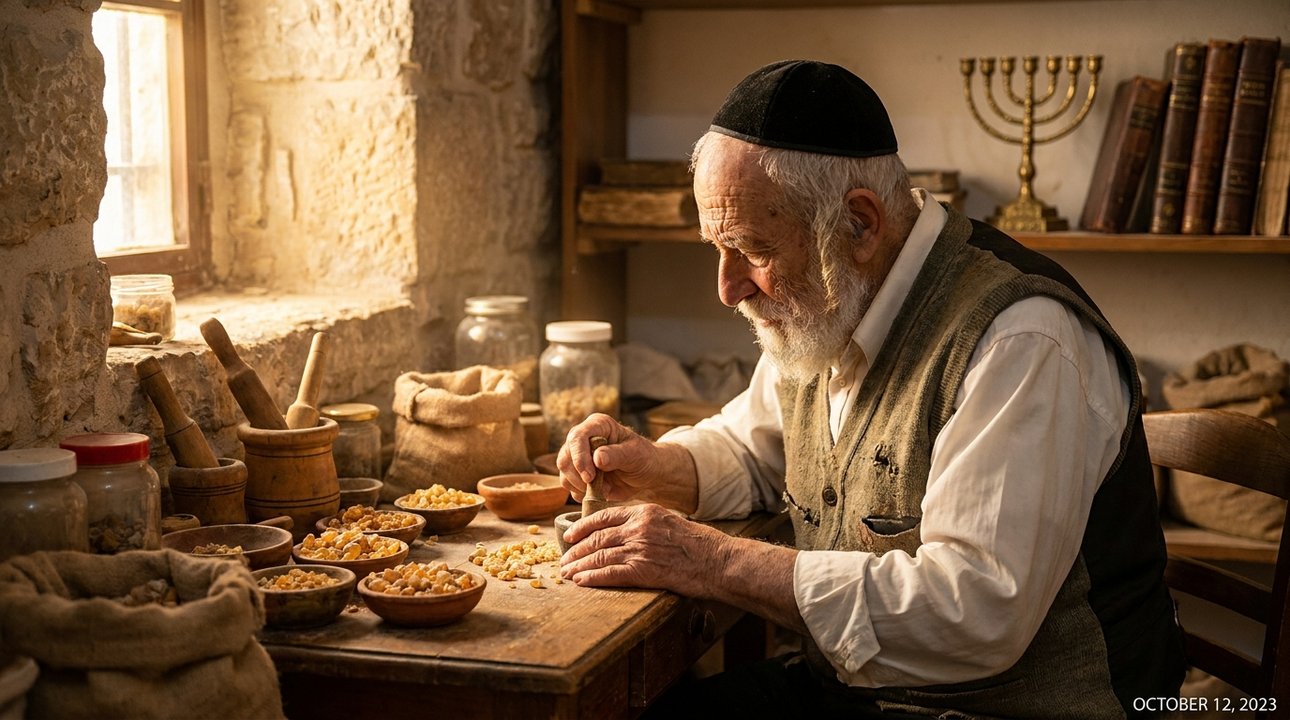
Harvested from trees native to regions such as Oman and Yemen, frankincense resin is collected by making incisions into the bark. This process, known as tapping, allows the resin to seep out and harden over time. Once extracted, it is left to solidify into small, pearl-like droplets.
Historically, this substance was highly valued and even considered more precious than gold, as noted in historical accounts of trade between the Arabian Peninsula and the Mediterranean.
The trade routes, often called the Incense Road, facilitated the movement of frankincense from the Arabian Peninsula to the Mediterranean and beyond. These routes were crucial for economic exchanges and cultural interactions.
Historical records, such as those from the Roman Empire, highlight the importance of frankincense in trade, with caravans carrying it across vast deserts. This trade not only enriched the regions involved but also played a role in spreading cultural practices and ideas across different civilizations.
The historical significance of frankincense extended beyond its use in religious practices. It functioned as an important trade commodity, influencing economic and cultural exchanges between civilizations.
Traders transported large quantities of frankincense across the Arabian Peninsula, creating routes known as incense roads. These routes facilitated not only the exchange of goods but also the spread of ideas and cultures, enriching the societies involved and leading to advancements in various fields.
The incense roads were pivotal in connecting the Arabian Peninsula with the Mediterranean and beyond. Historical records indicate that these routes were used extensively by traders to transport not only frankincense but also other valuable goods like myrrh and spices.
This trade network contributed significantly to the wealth of the regions involved, as seen in the prosperity of ancient cities like Petra, which thrived as a major trading hub along these routes.
Frankincense in Religious Rituals
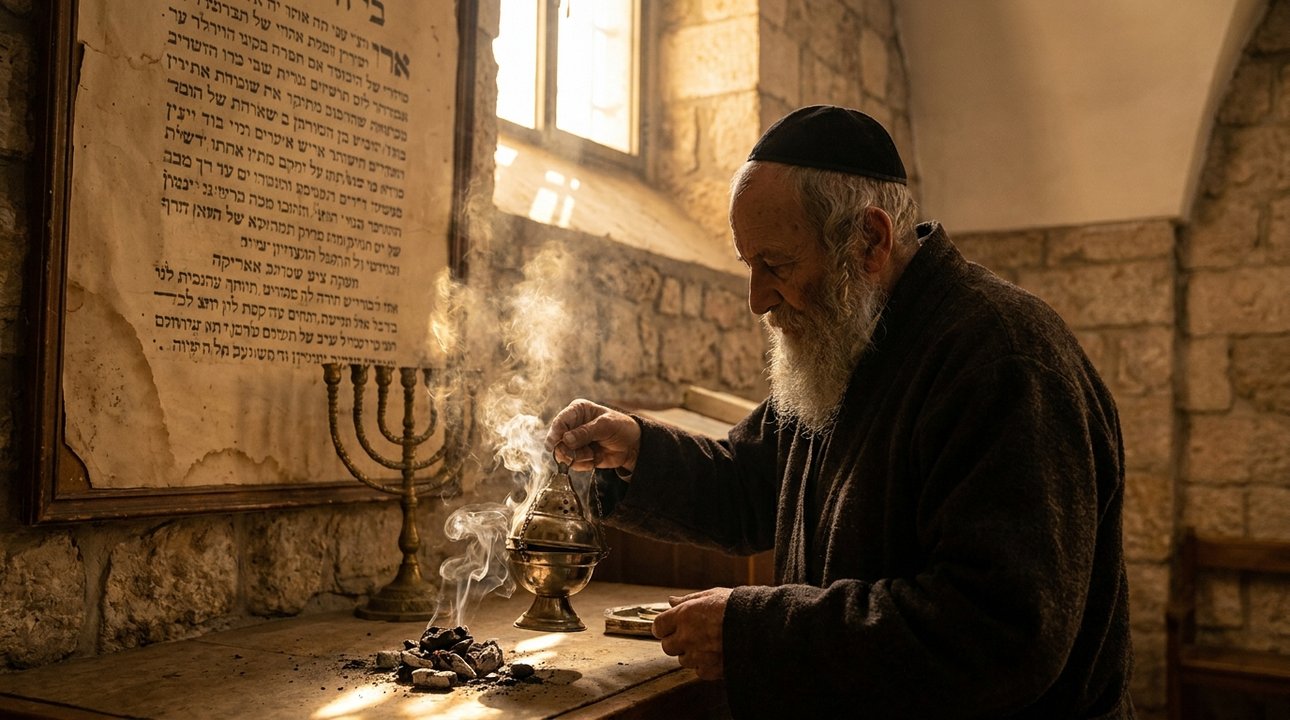
Throughout the Torah, frankincense is mentioned as a key component in sacred offerings. Exodus 30:34 instructs Moses to use frankincense in the preparation of a holy incense blend for use in the Tabernacle.
This blend, known as ‘ketoret,’ was burned on a golden altar, and its smoke symbolized prayers rising to the heavens. Leviticus 2:1-2 also highlights its use in grain offerings, where it was mixed with fine flour and oil, underscoring its importance in worship and ritual purity.
In these offerings, frankincense was not just a ritualistic act but a profound expression of faith and devotion. The priests, who conducted these sacred ceremonies, followed detailed instructions to ensure the purity and sanctity of the offerings.
Its significance in these rituals is further emphasized in Numbers 16:46, where it is used to stop a plague, symbolizing its perceived power to purify and protect the community.
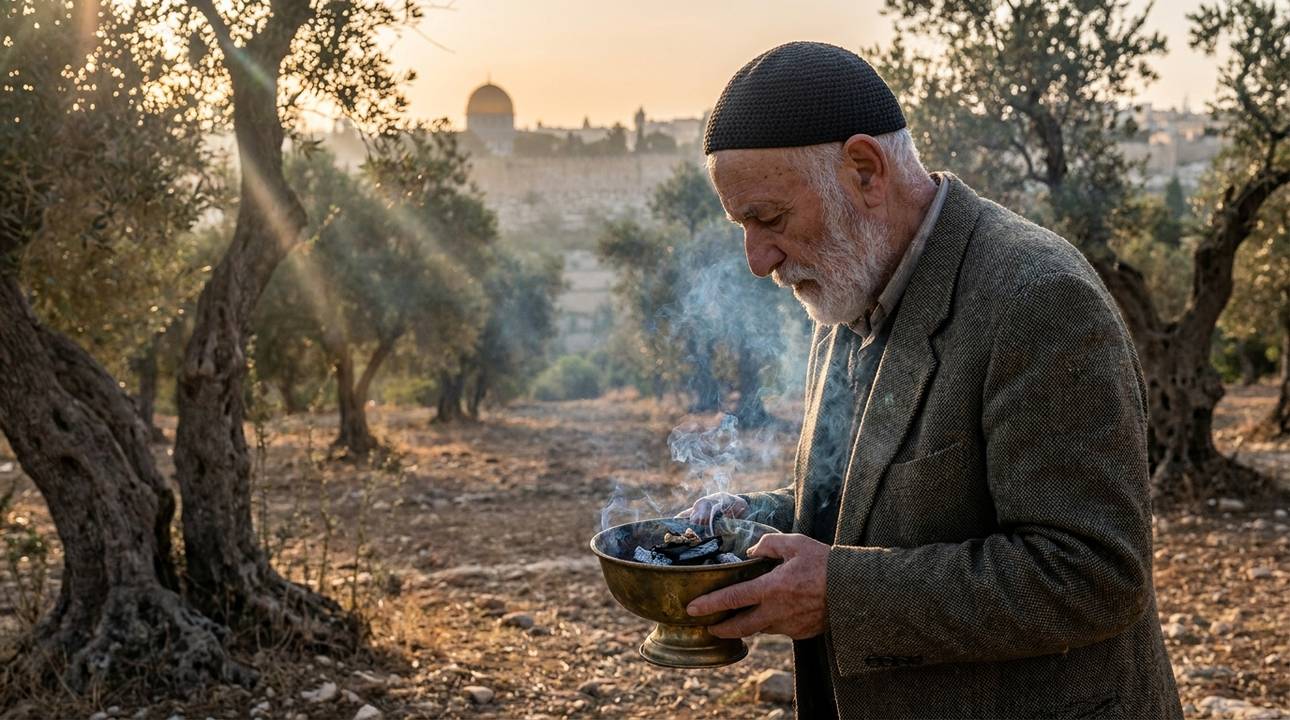
Burning frankincense was not only a ritualistic act but also a sensory experience. Its aroma filled the air, creating an atmosphere of sanctity and divine presence.
In the Bible, incense is often linked to the sacred, as seen in Exodus 30:7-8, where Aaron is instructed to burn it every morning and evening. The tactile and fragrant nature of frankincense helped worshippers feel a connection to the divine during ceremonies.
It served as a bridge between the earthly and the spiritual, enhancing the worship experience.
Significance in Offerings and Sacrifices
Frankincense also played a role in offerings presented at the Temple in Jerusalem. In Leviticus 2:1, it is specifically mentioned as part of the grain offerings, which were a central aspect of worship.
The fragrant aroma was believed to rise up as a pleasing scent, symbolizing purity and dedication to spiritual service. This practice was not just about the physical act of offering but also about the deeper spiritual commitment it represented.
Such rituals highlighted its sacred nature.
The Temple in Jerusalem was a focal point for religious life, and the offerings made there were a vital part of the community’s spiritual practice. Frankincense, with its pleasing aroma, was a key element in these offerings, symbolizing the devotion and purity of the worshipers.
Its role in the Temple’s rituals underscored its importance in maintaining the sacred atmosphere and connecting the community with their spiritual heritage.
Including frankincense in offerings underscores its importance in rituals—an act of devotion through its sacrificial use. Its mention in Leviticus highlights its role in the sacred ceremonies conducted by the priests.
Its scarcity and value made it a fitting tribute to divine worship, reflecting the worshiper’s reverence and commitment to their faith. Using such a precious substance in offerings signified the depth of one’s devotion and the desire to honor the divine, as seen in Leviticus 2:15-16.
In the context of Leviticus, the grain offerings, which included frankincense, were a vital part of the sacrificial system. These offerings were not only a means of atonement but also a way to express gratitude and devotion.
The fragrant smoke of frankincense was believed to carry the prayers of the people to the heavens, symbolizing a connection between the earthly and the divine, further emphasizing its spiritual significance.
Frankincense in Daily Life
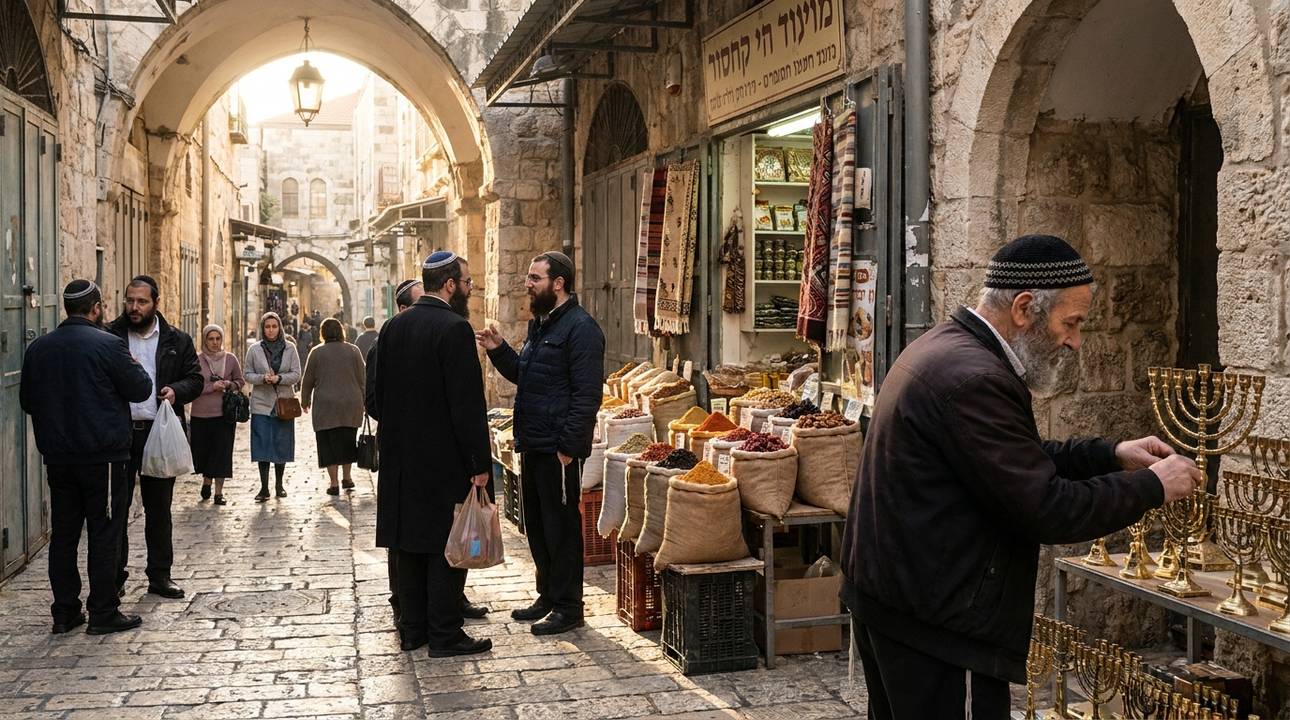
Beyond religious context, frankincense held everyday applications in biblical societies. It was used as incense in homes and in perfumery, appreciated for its pleasant aroma. In ancient Egypt, it was part of the embalming process, demonstrating its wide-ranging applications.
Natural products like frankincense were common solutions for personal care and household rituals. Its versatility and pleasant scent made it a staple in daily life, enhancing both spiritual and mundane activities, from worship to personal grooming.
from the Western Wall to Masada.
In ancient Egypt, frankincense was a crucial component in the embalming process, used to preserve the bodies of the deceased for the afterlife. This practice highlights the resin’s importance in both life and death, underscoring its value across different cultures.
Its role in perfumery and personal care also reflects its versatility, as it was often blended with other aromatic substances to create fragrances cherished in daily life.
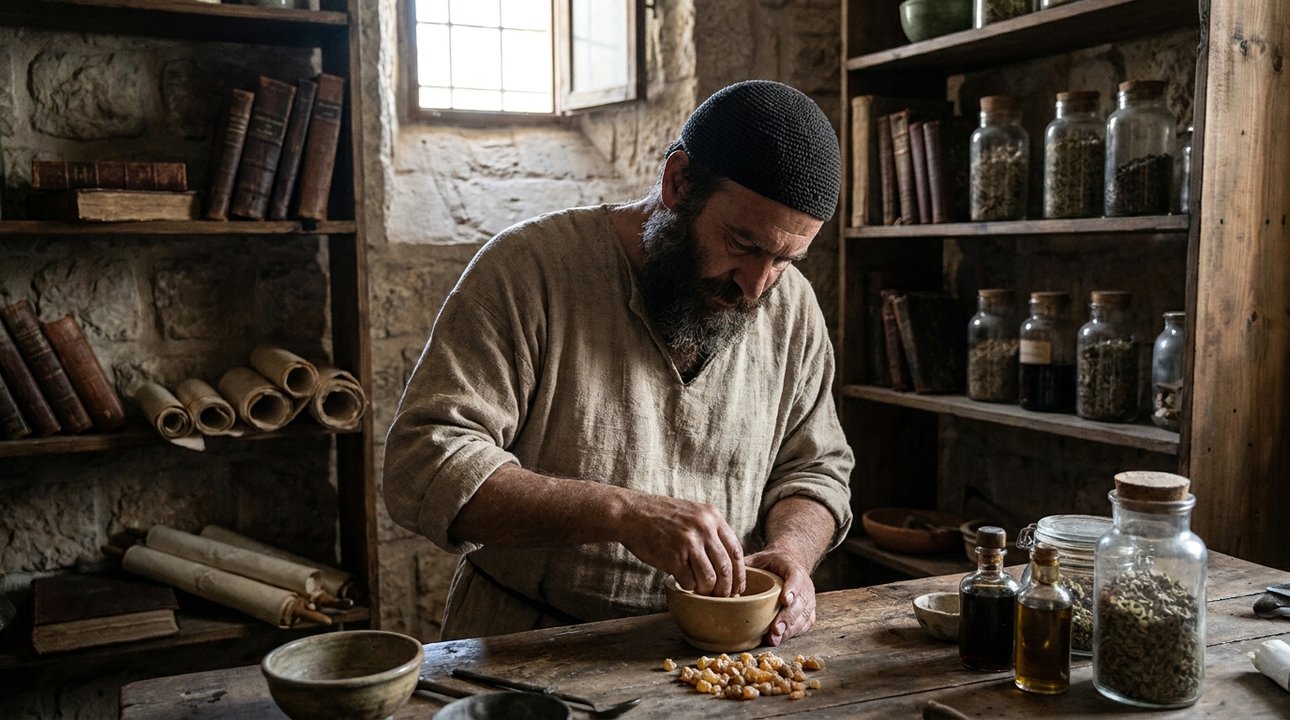
In ancient medical practices, frankincense was believed to have therapeutic properties. Historical references, such as those found in Egyptian texts, suggest its application in treatments for ailments like inflammation and respiratory issues.
It was often combined with other natural ingredients, functioning as a holistic part of medicinal remedies. Its versatility made it a valuable component in the ancient pharmacopeia, underscoring its importance in health and wellness, as noted in ancient medical papyri.
The therapeutic use of frankincense in ancient medicine is documented in various historical texts, including those from Egypt and Greece. It was often applied in salves and ointments to treat wounds and infections, thanks to its anti-inflammatory properties.
This ancient knowledge of its healing abilities has persisted through the ages, with modern studies exploring its potential benefits in contemporary medicine, highlighting its enduring legacy in health and wellness.
Cultural and Economic Impact
The trade of frankincense contributed significantly to cultural exchanges and economic wealth. Its popularity led to the creation of vast trade networks that connected the ancient world, with vast caravans transporting resin across distant lands.
These networks included the Incense Route, which linked the Arabian Peninsula with the Mediterranean, facilitating the movement of goods and culture. The wealth generated from this trade supported the development of cities and the prosperity of regions involved, as seen in archaeological findings.
These trade routes not only facilitated the exchange of goods but also ideas, philosophies, and technologies. For example, the Silk Road was a famous network that connected the East and West, allowing for the spread of cultural practices and innovations.
This interconnectedness played a key role in shaping the cultural and economic landscapes of civilizations involved in the trade. The exchange of knowledge and beliefs helped to enrich societies, leading to advancements in various fields, including medicine and art.
The incense roads, much like the Silk Road, were instrumental in the dissemination of cultural practices and technological advancements. As traders traveled these routes, they carried with them not only goods but also stories, traditions, and innovations.
This exchange fostered a rich tapestry of cultural interactions, contributing to the development of diverse societies and the spread of ideas that would influence generations to come.
Frankincense in the Hebrew Bible
Mentions of frankincense are found throughout the Hebrew Bible. In the Song of Songs, its fragrance is celebrated, representing love and beauty. This poetic book uses the imagery of spices and scents to convey deep emotional connections.
Isaiah 60:6 envisions it as a gift brought by nations honoring Jerusalem, reflecting its esteemed status. The passage speaks of a future time when Jerusalem will be a center of worship and prosperity, with frankincense symbolizing the reverence and respect of other nations.
The Song of Songs, also known as the Song of Solomon, is a collection of lyrical poems that celebrate love and beauty, often using the imagery of nature and spices. Frankincense, with its rich aroma, is used to evoke the depth of affection and admiration between the lovers.
In Isaiah 60:6, the vision of nations bringing gifts to Jerusalem underscores the city’s spiritual and cultural significance, with frankincense symbolizing the wealth and honor bestowed upon it by other nations.
The role of frankincense in historical texts illustrates not only its spiritual significance but also its symbolic representation of wealth and prosperity. In Exodus 30:34-38, it is part of the sacred incense blend, highlighting its importance in worship.
These stories and passages show how integral frankincense was in both religious and everyday contexts. Its presence in rituals and as a valuable trade item underscores its multifaceted role in history, symbolizing both spiritual devotion and material prosperity.
Frankincense’s role as a symbol of wealth is evident in its use as a gift in various biblical narratives. Its inclusion in sacred rituals and as a trade commodity highlights its dual significance in spiritual and economic contexts.
The multifaceted nature of frankincense, serving both as a means of worship and a valuable trade item, reflects its profound impact on the societies that cherished it, marking it as a symbol of both spiritual and material wealth.
Understanding Frankincense
