
Exploring Sukkot Food Traditions and Their Unique Significance
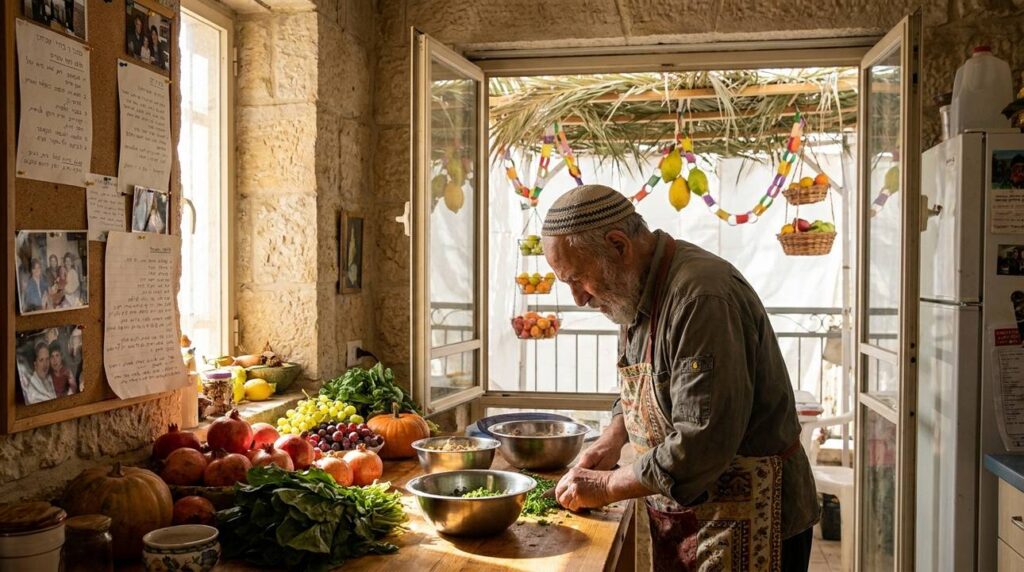

Sukkot, a beloved Jewish holiday that celebrates the harvest, invites families to gather in unique outdoor structures called sukkahs. These dwellings provide the stage for cherished meals that connect generations and honor nature. The sukkah is a reminder of the temporary shelters used during the Israelites’ 40 years in the desert, as described in Leviticus 23:42-43.
In this article, we delve into the heart of Sukkot food traditions, exploring the flavors and stories behind these special customs.
The Essence of Sukkot Food Traditions
Sukkot is known as the Feast of Tabernacles, reflecting its deep roots in harvest celebrations. It presents a kaleidoscope of flavors, textures, and aromas. Families dine under the sky in sukkahs, symbolic booths constructed of simple materials that echo the wanderings in the desert, as described in Exodus 40:36-38.
Foods enjoyed during this festive time often include seasonal fruits and vegetables, symbolizing the earth’s bounty and the abundance of the harvest.
Israeli Cookbook
Inspired by the Farms of Israel

These traditions bring loved ones together, united by the joy of sharing a meal in a sukkah. The temporary dwelling reminds participants of historical journeys and connections to the land, making each meal a storytelling opportunity for families. This is reminiscent of the Israelites’ travels, as depicted in Numbers 9:15-23, where the cloud guided them.
It is a time to reflect on the abundance of harvest and community, creating a shared sense of purpose and gratitude.
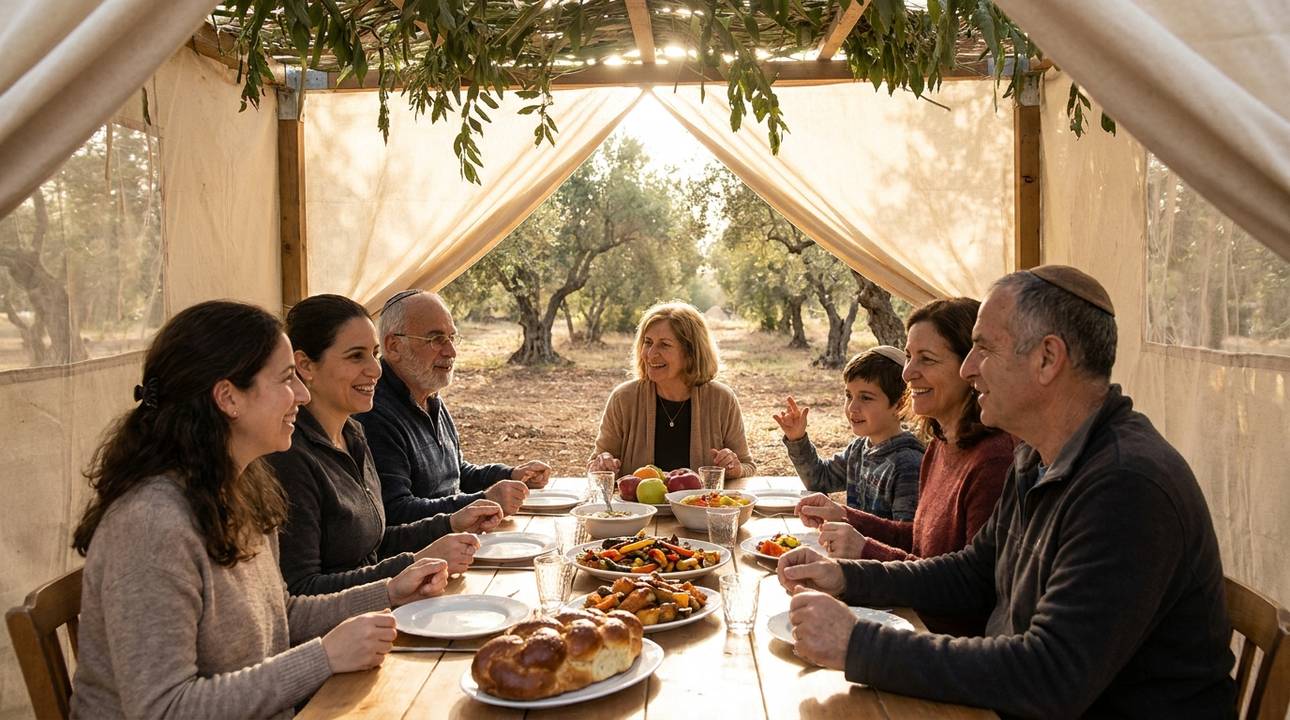
Traditional Sukkot Foods
Foods enjoyed during Sukkot often include stuffed cabbage, challah, and grains, all resonating with themes of nourishment and abundance. These dishes are deeply tied to agricultural cycles, highlighting connections to the land. The use of grains echoes the offerings described in Deuteronomy 16:13-15 during the harvest festival.
Stuffed cabbage is particularly popular, with recipes varying across communities but always embedding the idea of fulfillment and bounty, symbolizing prosperity.
Seasonal fruits like pomegranates, apples, and dates are cherished during Sukkot, each carrying its own symbolism.
Pomegranates, often associated with righteousness, are mentioned in the Bible in Exodus 28:33-34 as part of the High Priest’s robe design.
Apples, symbolizing sweetness and health, are linked to the Song of Songs 2:3, where they represent love and beauty.
Dates, a staple of the region, signify abundance and are referenced in Deuteronomy 8:8 as one of the seven species of the land.
These fruits not only delight the palate but also symbolize prosperity and continuity, serving as both physical sustenance and spiritual metaphor. They embody themes of renewal and joy, reminding us of the cycles of nature and the abundance of harvest.
As we enjoy these fruits, we are reminded of the historical and cultural connections that tie us to our ancestors and their traditions, as seen in Deuteronomy 8:7-10, which speaks of the land’s bounty.
The Symbolism of Sukkot Meals
Every Sukkot meal is imbued with rich symbolism reflecting the holiday’s themes of vulnerability and protection. The sukkah itself, a temporary structure, is a powerful reminder of impermanence and faith, as described in Leviticus 23:42-43.
As families eat inside, they are surrounded by reminders of historical resilience, recalling the Israelites’ journey through the desert, where they relied on divine guidance and community support for survival.
This collective spirit of joy and celebration is enhanced by the sukkah’s open roof, allowing those inside to see the stars, which is a reminder of the vastness of the universe and our place within it. The open sky connects participants to the promise given to Abraham in Genesis 15:5, where his descendants were compared to the stars.
The meals, often featuring traditional dishes, connect participants to their heritage and the shared history of their people, fostering a sense of continuity and belonging.
The act of gathering and feasting within the sukkah connects individuals to ancient practices, linking them to the past. The meals often feature festive dishes and rich, comforting ingredients, creating warmth against the autumn chill, reminiscent of the hospitality shown by Abraham in Genesis 18.
Each bite is a celebration of continuity, community, and the enduring bond among people and their traditions, fostering a sense of belonging and shared history.
These meals serve as a reminder of the sustenance provided during the Israelites’ journey through the wilderness, as recounted in Exodus 16:4-5, where manna was given to the people. This miraculous provision is a central theme during Sukkot, highlighting reliance and gratitude.
The shared experience of eating together in the sukkah fosters a sense of unity and belonging, reinforcing the importance of community in Jewish life. This communal gathering mirrors the collective spirit emphasized in Leviticus 23:42-43.
Israeli Cookbook
Inspired by the Farms of Israel
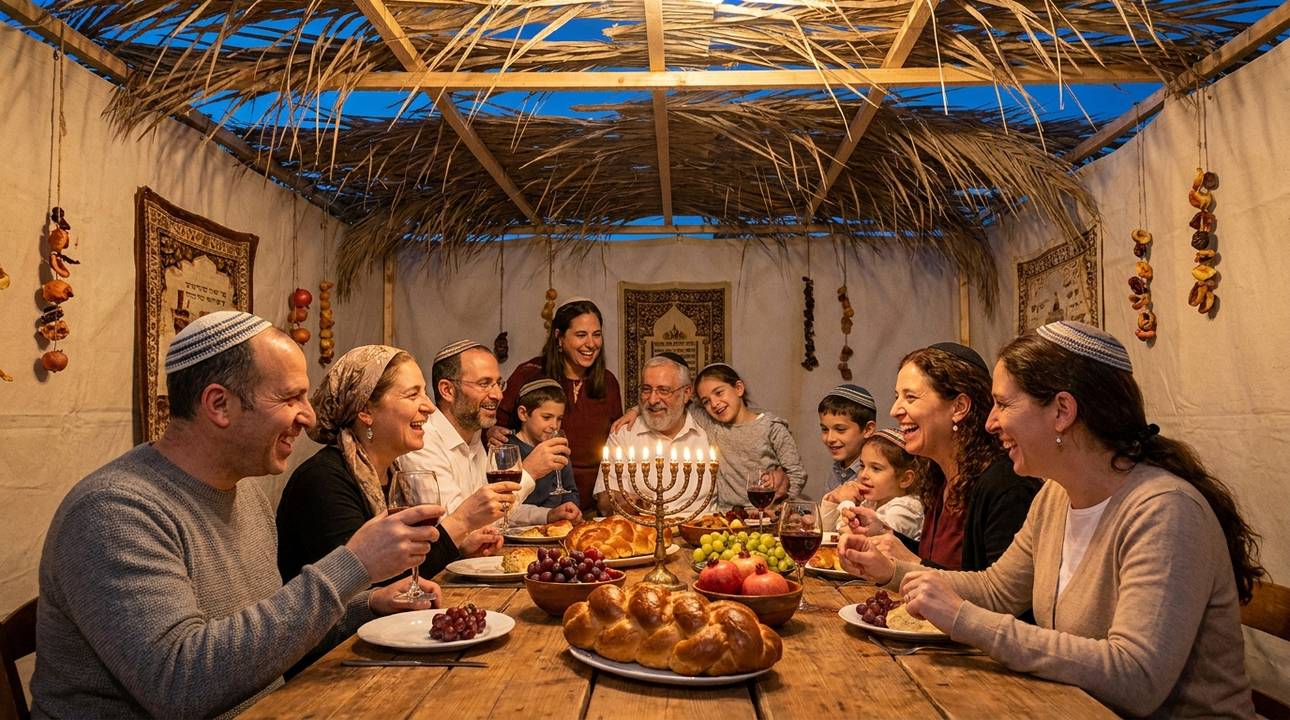
Sukkot Traditions and Modern Interpretations
While traditional foods hold a special place, Sukkot invites creativity in culinary expression.
Contemporary recipes and fusion dishes are increasingly making their way into the sukkah, merging old customs with modern tastes.
These adaptations showcase the evolving nature of cultural practices, keeping traditions alive in new ways for future generations, much like the innovations seen in Jewish cuisine over centuries.
This blending of old and new is akin to the creative spirit found in the Book of Ecclesiastes 3:1-8, where the balance between tradition and change is explored. The text emphasizes that there is a time for everything, including innovation.
By incorporating new flavors and techniques, families not only honor their heritage but also make Sukkot celebrations relevant and engaging for younger generations. This approach ensures that traditions remain vibrant and meaningful.
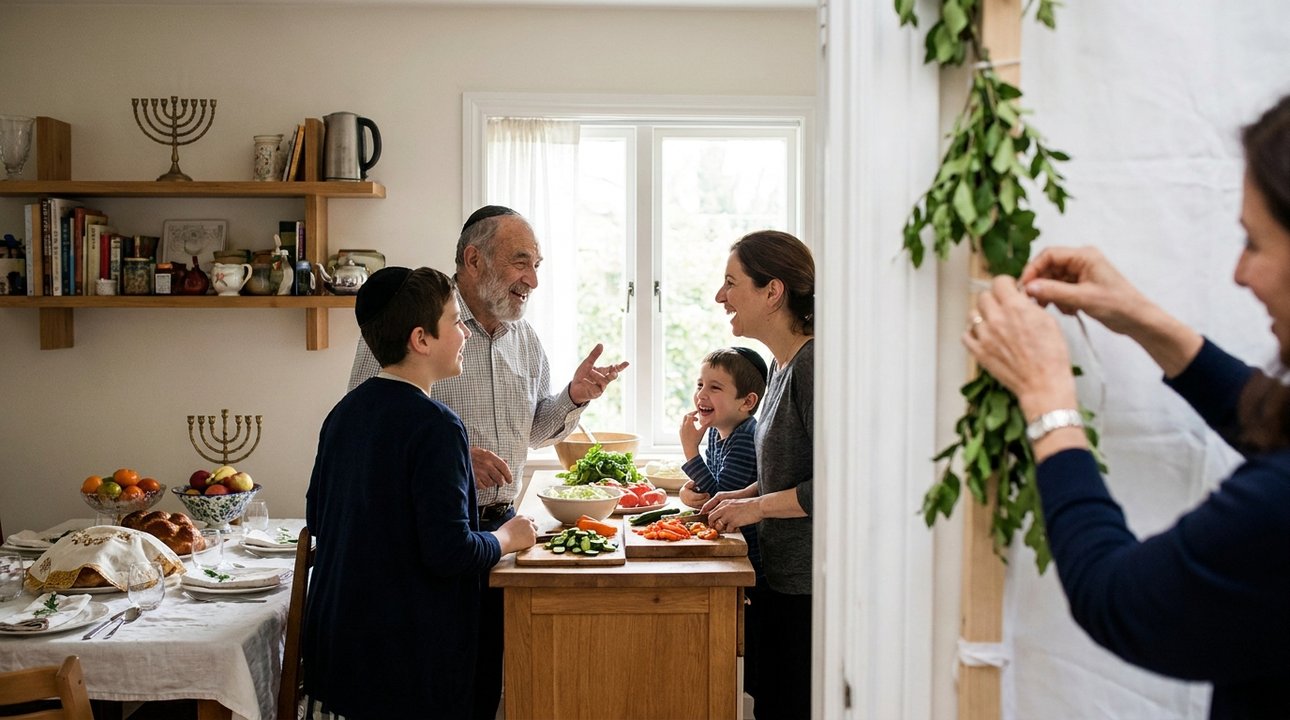
Cooking together in preparation for Sukkot also strengthens family bonds, as it involves collaboration and shared effort.
The process includes not only the creation of meals but the passing down of stories, ensuring the continuation of rich narratives from one generation to the next, much like the oral traditions preserved in the Talmud.
Such experiences add layers of meaning to the holiday, making it a time of connection and renewal.
This tradition of storytelling during meal preparation is reminiscent of the gatherings described in the Book of Ruth 2:1-3, where family and community play central roles. Ruth’s story highlights loyalty, kinship, and the importance of community support.
Through these shared activities, families create memories and strengthen their ties, ensuring that the values and traditions of Sukkot are preserved and cherished. This practice fosters a sense of identity and continuity.
Sukkot and Community: Building Connections
The communal aspect of Sukkot is as essential as the food, with sharing meals playing a pivotal role. In Leviticus 23:42-43, the command to dwell in booths is given, emphasizing the importance of community and collective memory.
Sharing meals with neighbors and friends strengthens community ties and adds joy to the celebration, fostering an environment of warmth and hospitality. This practice echoes the gatherings of the Israelites, reinforcing unity.
It is a time when doors are open, welcoming all to experience the warmth of friendship and shared tradition. This openness reflects the spirit of Abraham, who is known for his hospitality in Genesis 18:1-8, where he welcomes strangers into his tent.
Sukkot thus becomes a time of unity, where barriers are lowered, and connections are deepened through shared experiences. The holiday encourages inclusivity and generosity, reinforcing communal bonds.
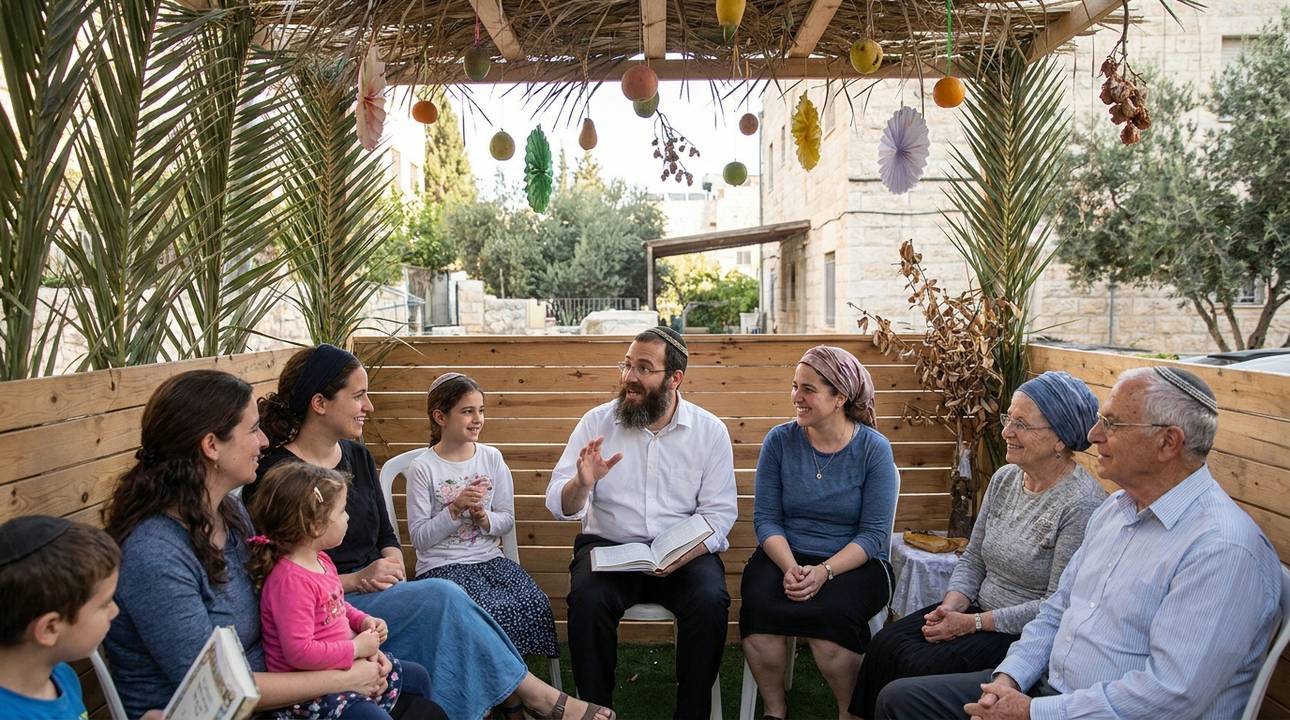
Communal events and activities often accompany Sukkot celebrations, reinforcing the holiday’s themes. From building sukkahs together to singing and storytelling, these traditions foster a deep sense of belonging.
Such practices highlight the enduring importance of community and mutual support in cultural and spiritual life, creating lasting memories and bonds. The collective effort in building and celebrating strengthens communal ties.
These activities are not just about celebration but also about education, as they pass down values and stories to the next generation. Through storytelling and reenactments, families teach younger members about the significance of Sukkot.
The act of coming together in this way mirrors the gathering of the Israelites in the wilderness, as recounted in Exodus 19:1-2, where community was vital for survival and identity. This shared history strengthens bonds and ensures cultural continuity.
Understanding Sukkot Food Customs
