
Discovering Mount Paran Through Time
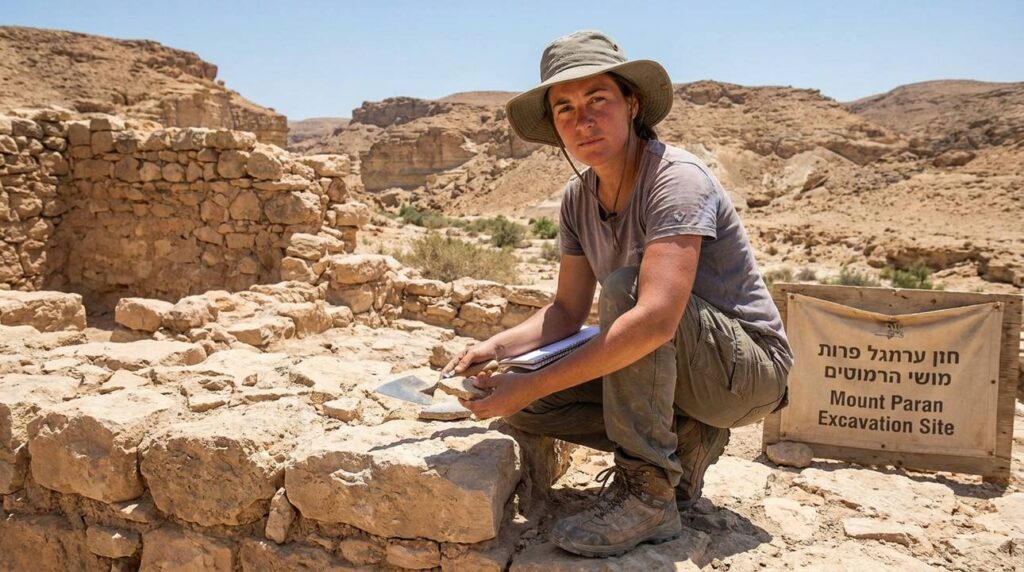

Mount Paran is celebrated in ancient texts as a place of significant historical importance. Known for its connection to divine revelation, this location is deeply woven into the spiritual and historical fabric of Jewish tradition.
In this article, we will explore the rich facets of Mount Paran, including its historical references, geographical context, and lasting impact on Jewish tradition.
Emphasizing its enduring role in religious narratives, Mount Paran is linked to other significant events. These references highlight its integral role in the spiritual geography of Judaism. Through its historical references, Mount Paran serves as a focal point for understanding the divine encounters that shape Jewish history. Its legacy is still remembered and informs, showing the enduring relationship between the divine and the people.
What Is Mount Paran?
Mount Paran is mentioned in several ancient passages, most notably in the Book of Deuteronomy. It is described as a location associated with divine appearances. This imagery highlights its role as a site of revelation. The name ‘Paran’ alone evokes the mystique of these desert landscapes, traditionally associated with the journeys of the Israelites. Although its exact location remains uncertain, it is believed to be situated in the wilderness region south of Judah. The significance of Mount Paran in Jewish tradition centers on its role in symbolizing divine presence and guidance during the Israelite wanderings. It represents the mix of spiritual interaction between the divine and the people.
Geographical Location of Mount Paran
The exact geographical location of Mount Paran has been a subject of debate among scholars and historians. It is traditionally placed in the region known today as the Negev Desert, extending towards the Sinai Peninsula.
The area is characterized by rugged terrain and arid conditions, typical of a desert landscape. Some sources place it further to the southeast, closer to the ancient trade routes that connected Edom and the Arabian Peninsula.
These geographic indications align with descriptions found in ancient texts, highlighting its centrality in the route taken by ancient peoples and merchants. While the precise location remains a mystery, its portrayal in ancient literature transcends geographical boundaries.
Instead, it emphasizes the pivotal moments of divine communication.
Mount Paran in the Bible
Mount Paran plays a notable role in the Tanakh, particularly in the context of divine revelation and guidance. This passage reinforces its status as a place of spiritual significance. Such references indicate the sacred nature attributed to Mount Paran, solidifying its place within the spiritual geography of Judaism.
The imagery of divine presence emerging from Mount Paran connects it to other significant events and locations, enriching its narrative. This connection is part of a broader tradition of recognizing certain geographical sites as stages for divine encounters.
The sacredness of Mount Paran is further emphasized by its repeated mentions, encouraging reflection on its role in the divine plan. Its narrative is interwoven with themes of revelation and guidance, central to Jewish spiritual heritage.
The association of this place with other prominent locations like Sinai and Seir further elevates its importance. Mount Sinai is famously known as the site where significant events occurred, while Seir is often linked to Esau, the brother of Jacob.
These associations continue to spark interest among scholars and theologians who seek to understand their historical and spiritual dimensions. The mountain’s mention as a site of divine light adds to its revered status.
Deuteronomy states, ‘The Lord came from Sinai and dawned from Seir upon us; he shone forth from Mount Paran.’ Such imagery makes it a focal point for those studying the intersections of geography and faith. Scholars often explore how these locations serve as backdrops for divine encounters. The connections between these sites and their narratives offer a deeper understanding of the spiritual journeys depicted in the texts. Each location carries its own unique significance, contributing to the mix of the story.
Cultural and Historical Impact
Throughout history, locations mentioned in ancient texts like Mount Paran have influenced cultural traditions and religious practices. The stories associated with these sites form an essential part of Jewish heritage, showing the interactions between people and the divine. This passage is part of a significant narrative, emphasizing the sacred nature of these locations. In Jewish thought, these places are more than mere physical spaces.
They are integral parts of a broader spiritual narrative that connects the physical world with divine encounters. These sites serve as reminders of the covenant between the Jewish people and the divine, reinforcing the spiritual lessons passed down through generations.
The historical and religious significance of Mount Paran and similar locations continue to be subjects of study and reflection. They provide a window into the ancient world and its enduring impact on contemporary Jewish identity and practice.
The tales of the wanderings in the desert and the divine guidance offered by Mount Paran have been recounted for generations, emphasizing the endurance and faith of the Jewish people. These stories are integral to the narrative of the Exodus, where the Israelites journeyed through the wilderness.
Such narratives have also shaped literary and artistic expressions in Jewish culture, highlighting the inseparable connection between land and spirituality. The reference further enriches its spiritual significance.
The prophet speaks of a divine presence emerging from Mount Paran, illustrating its role in the shared history of the Jewish people. This verse is part of a larger passage that describes a theophany, a visible manifestation of divine power. These stories and references are still remembered and inform Jewish thought, serving as reminders of the enduring relationship between the divine and the people. The cultural and spiritual legacy of Mount Paran remains a vital part of Jewish heritage.
Modern Perspectives on Mount Paran
Today, the mysteries surrounding Mount Paran are still remembered with curiosity and scholarly investigation. For many, it represents an enduring symbol of the ancient past, worth exploring into its historical context and spiritual meaning. This verse is part of a narrative that underscores the sacred nature of Mount Paran, making it a subject of ongoing interest for those studying the intersections of geography and faith.
Modern explorers and archaeologists frequently debate its location, applying new technologies and methodologies to uncover hidden facets of its identity. These efforts highlight the ongoing relevance of Mount Paran in understanding the broader historical and spiritual landscapes of the ancient world. The mountain’s narrative continues to resonate, showing the spiritual journeys that define Jewish history and identity. Its legacy invites reflection on the enduring power of sacred spaces and their role in shaping cultural narratives.
For members of the Jewish community and other religious traditions, Mount Paran remains a focus of study and reflection, representing a timeless link to the nation’s spiritual origins. The reference as a site of divine presence further cements its place in religious history. This verse is part of a larger vision that portrays a powerful divine intervention in the world. The continuous exploration and scholarly interest in Mount Paran underscore its significance in the mix of history.
Serving as a sign of its enduring spiritual and cultural impact, Mount Paran invites ongoing dialogue and discovery. Scholars and believers alike seek to uncover the layers of meaning embedded in its narrative. The mountain’s role in ancient texts provides a rich source of reflection on the nature of divine-human interaction. Its narrative continues to resonate, showing the spiritual journeys that define Jewish history and identity.
Conclusion: the Legacy of Mount Paran
Mount Paran may not be easy to locate on modern maps, but its spiritual significance endures. This passage is part of a narrative that highlights the mountain’s role in the divine narrative.
Its narrative, interwoven with moments of divine revelation, continues to resonate deeply within Jewish tradition and other religious contexts. As a place of spiritual encounter and divine presence, Mount Paran offers a window into the profound connections between geography and faith.
Its narrative enriches our understanding of the ancient world and its legacy in shaping cultural and religious identities. Scholars and believers alike find inspiration in its story, which serves as a sign of the enduring power of sacred spaces. The reference in ancient texts provides a focal point for exploring the intersections of history, geography, and spirituality. Its legacy is still remembered with curiosity and reflection, inviting deeper engagement with the spiritual narratives of the past.
Ultimately, Mount Paran’s significance goes beyond its physical contours, inviting all who seek to understand its deeper, timeless truths. Such references highlight its role in the spiritual landscape of Judaism, transcending its geographical ambiguity. The mention in these texts underlines its importance.
General Information about Mount Paran
