Exploring the Significance of Luz in Ancient Texts


Luz, mentioned in ancient texts, is a place with deep roots in history. It is famously associated with a significant journey, where a dream of a ladder reaching to the heavens occurred. This site later became known as Bethel, a notable location for historical figures.
Luz provides insights into past traditions, serving as a backdrop for pivotal moments in history. The transformation from Luz to Bethel marks a shift from a simple geographical location to a place of historical importance, reflecting its significance in tradition. Bethel’s role in religious life continues to be a subject of study and reverence.
What Is Luz in the Bible?
Luz is first mentioned in connection with a significant journey. It became an important spot when it was named Bethel after a divine encounter. This marked a significant moment, as a dream of a ladder reaching to the heavens occurred, symbolizing a connection between earth and the divine. As a location, Luz plays a unique role in the story, showcasing the connection between personal experiences and divine intercession in narratives. The town is known for its transition from a mere geographical location to a landmark. Bethel’s legacy is still remembered for its faith and devotion.
from the Western Wall to Masada.
Luz and Bethel: the Connection
The association of Luz with Bethel is essential. After a dream, the town Luz was renamed Bethel, meaning ‘House of God’. This reflects a recurring theme of sacred transformation, where personal encounters with the divine imbue locations with significance.
In historical contexts, places often gained importance through personal encounters with the divine. The renaming signifies a shift from being just a physical place to a lasting symbol.
This reflects how locations gained new meanings through stories, enhancing their significance.
Luz in Historical Context
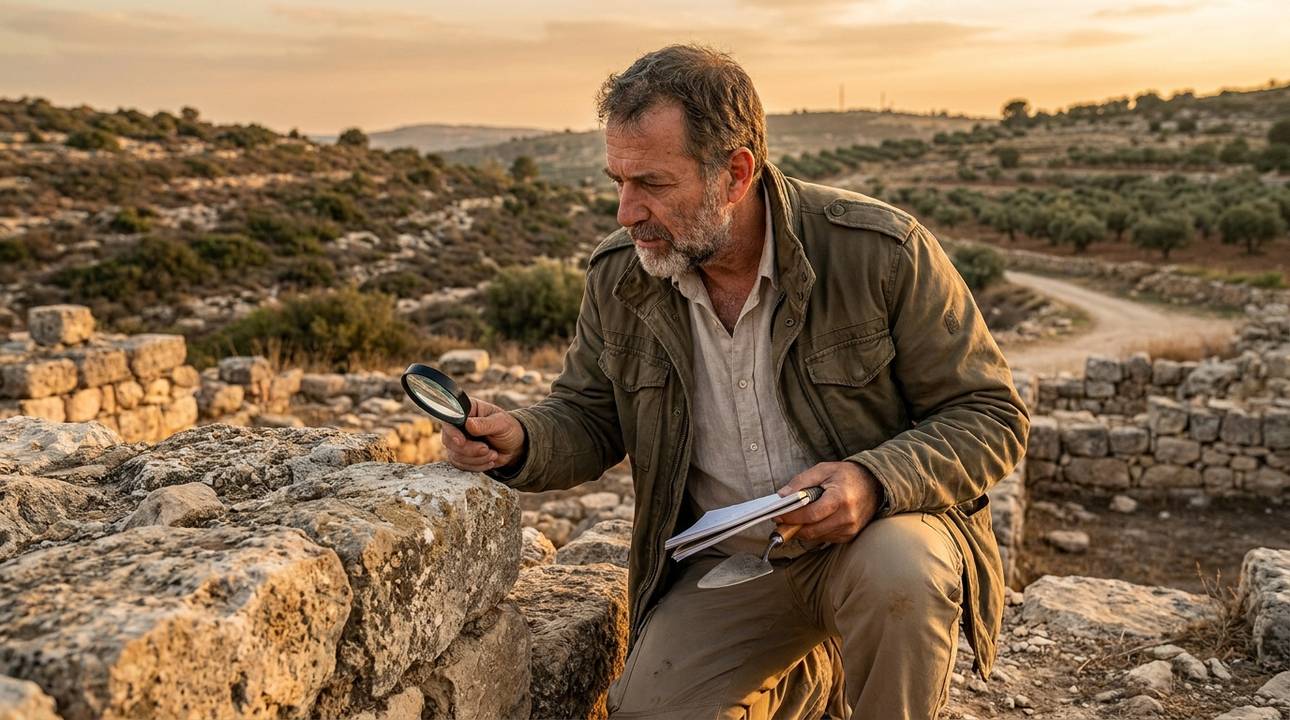
Luz appears in a few key narratives, reflecting its strategic and spiritual importance. In ancient texts, it is renamed Bethel after a divine encounter, marking it as a place of significance. Its exact location remains a topic of debate among scholars, enhancing its enigmatic presence in literature. The town is also noted in other historical texts, where it features in a story about the establishment of another city sharing its name. This suggests how certain names and places could influence new settlements, carrying cultural and history forward.
Cultural and Geographical Identity of Luz
The identity of Luz extends beyond its narrative. It is seen as a bridge linking physical geography with cultural identity in the ancient context. By exploring transitions in its name and significance, readers gain a richer understanding of ancient practices and beliefs.
This dual identity of Luz—both divine and geographical—is evident in historical accounts. This reflects a broader theme in accounts where places serve as venues for experiences and historical events, illustrating the interconnectedness of faith and place in shaping cultural memory.
Luz’s transformation into Bethel underscores this profound relationship.
Luz, as both a physical and spiritual landmark, embodies the complex relationship between geography and identity in narratives. Its story is first mentioned in ancient texts, where an encounter with the divine transforms it into Bethel. This invites reflection on how places can symbolize deeper truths, showing the ancient world and its enduring influence on contemporary culture. The renaming of Luz to Bethel illustrates the profound impact of personal experiences on shared history and identity. Bethel’s role as a central worship site further emphasizes its lasting spiritual and cultural role.
Modern Perspectives on Luz
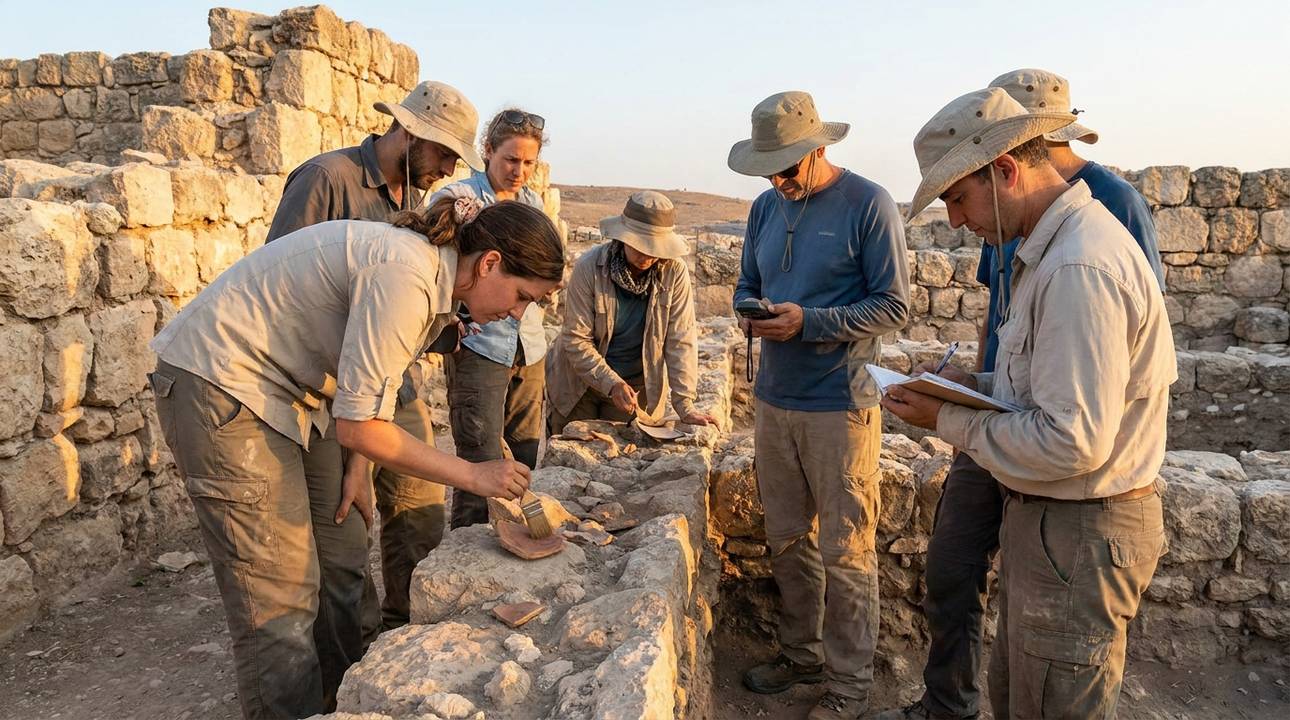
Today, Luz offers insights into how historical sites are viewed through modern archaeological and historical lenses. While concrete archaeological evidence is scarce, the cultural impact remains strong. Scholars often explore how Luz fits within the broader landscape of history. Modern interpretations focus on the symbolic transitions of Luz, exemplifying shifts in religious practice and cultural continuity. These discussions highlight how historical narratives continue to influence contemporary discourse and understanding. Luz’s story is a sign of the power of narrative in shaping cultural identity and historical memory.
The lack of definitive archaeological evidence for Luz does not diminish its cultural role. Instead, it invites ongoing exploration and debate among historians and archaeologists. By examining historical texts and cultural narratives, scholars seek to understand the legacy of places like Luz in shaping religious and cultural identities. Luz’s transformation into Bethel continues to be a focal point for discussions on the intersection of history, faith, and archaeology. Bethel, meaning ‘House of God’, became a central location for worship and spiritual gatherings, further embedding its significance in tradition and cultural memory.
from the Western Wall to Masada.
Archaeological Insights into Luz
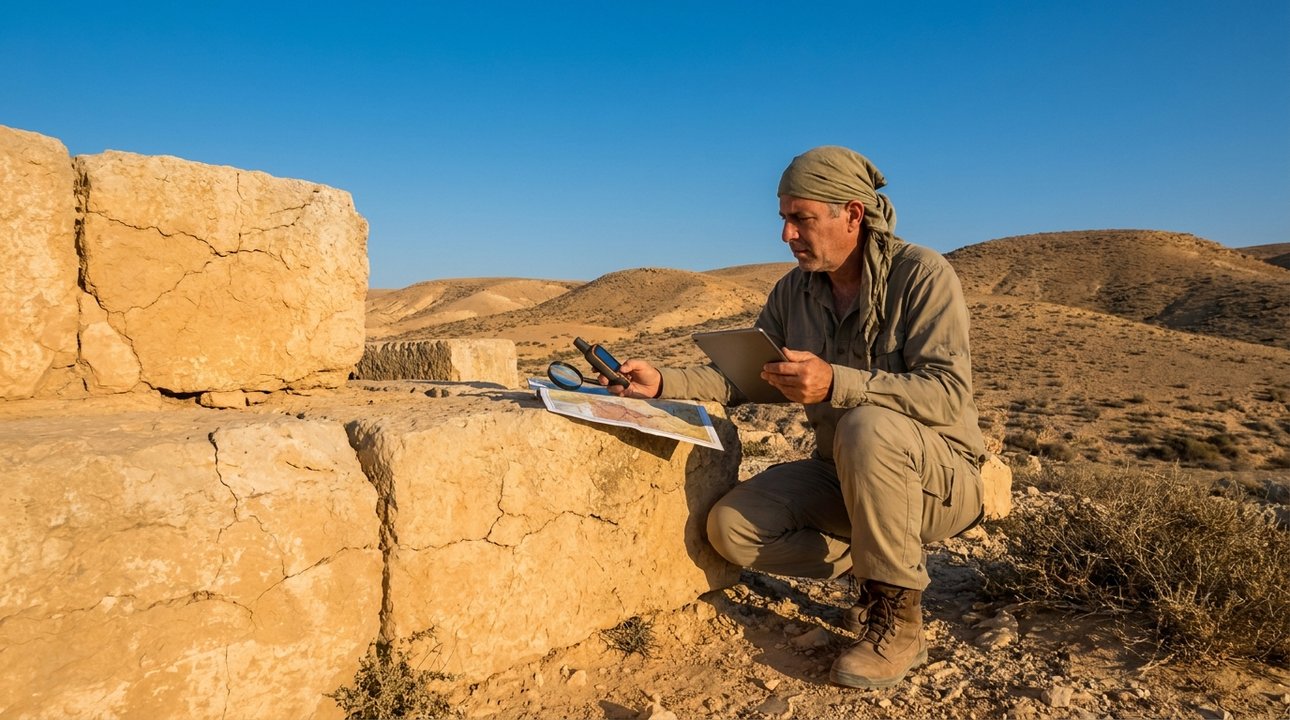
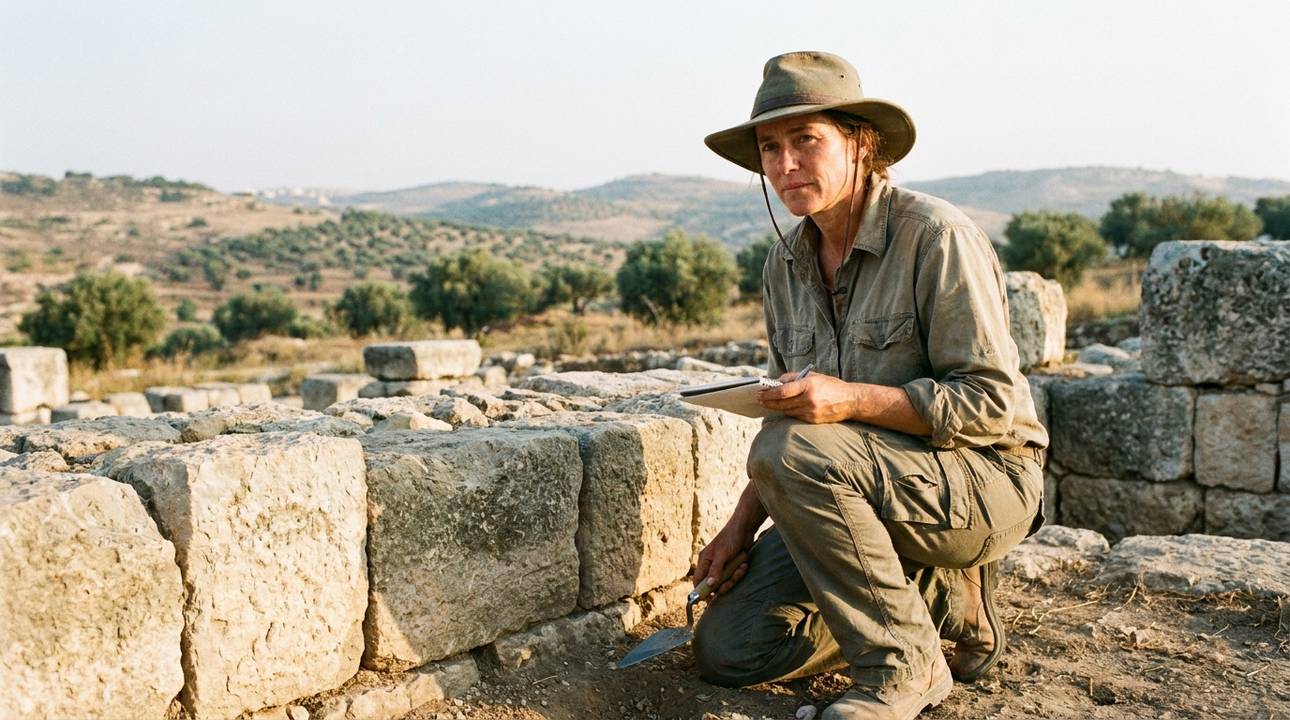
Archaeology has yet to uncover definitive evidence of Luz, leading to many scholarly debates. Researchers focus on piecing together historical texts with potential findings to shed light on its exact location.
References guide these investigations, offering clues about its historical context. Scholars rely on texts and comparative studies to hypothesize about Luz’s position.
These efforts help to understand its role in a broad ancient context, even without direct archaeological evidence, enriching our knowledge of geography. The search for Luz remains a fascinating journey for historians and archaeologists alike.
The quest to locate Luz involves a blend of textual analysis and archaeological exploration. While the exact site remains elusive, the pursuit itself underscores the importance of understanding narratives within their geographical settings.
This search highlights the dynamic interplay between history, faith, and scholarship in uncovering ancient truths.
The account of Luz’s transformation into Bethel serves as a key reference point in these explorations, illustrating the ongoing quest to connect stories with physical locations.
Scholars continue to debate potential sites, each offering unique insights into ancient culture.
Luz in Jewish Tradition
Jewish tradition embraces Luz as part of its mix of narratives. The transformation into Bethel becomes a foundational story of faith and spiritual continuity. This change signifies more than just a name; it represents a divine encounter and a covenantal promise. Often taught as a lesson of divine revelation and personal transformation, Luz illustrates how environments become landmarks of faith. The vision at Luz became a cornerstone of Jewish teachings and cultural identity. Bethel’s continued importance in history underscores its role as a symbol of enduring faith.
The story of Luz turning into Bethel is a powerful symbol of personal and communal transformation. The dream leads to the renaming of Luz, highlighting the idea that sacred experiences can redefine ordinary places, embedding them into the shared history of a people. In Jewish teachings, this transformation underscores the importance of faith and the enduring nature of spiritual landmarks. Bethel later became a site of worship, reinforcing its role as a symbol of divine encounter and community identity. It was here that significant events, such as the anointing of kings, took place, marking it as a pivotal location in history.
Cultural Representation of Luz
In cultural contexts, Luz serves as an example of how narrative places attain lasting significance. Its transformation story is frequently referenced in literature, art, and education. This story symbolizes the enduring impact of ancient stories as cultural heritage.
By understanding Luz, one appreciates the broader cultural patterns within historical texts. It illustrates how places enhance narratives and resonate through time in cultural expression, reinforcing the connection between geography and identity.
Luz’s story has inspired countless artistic interpretations, reflecting its deep-rooted influence in cultural storytelling.
The story of Luz’s transformation into Bethel is a sign of the power of place in shaping cultural memory. The renaming marks it as a spiritual landmark. This transformation highlights how locations become intertwined with spiritual and historical narratives, offering a lens through which to view the legacy of stories in contemporary culture. Bethel later became a central site for worship and pilgrimage, further embedding its significance in tradition. Its role in religious ceremonies underscores its lasting impact on cultural identity.
Understanding Luz in the Bible