
Understanding the Meanings of Galilea and Galileo
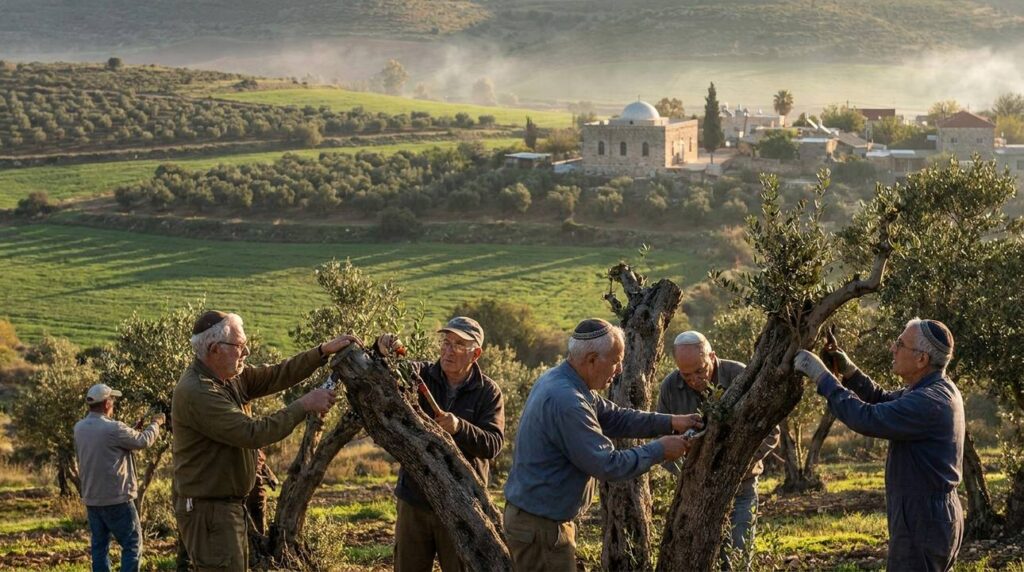

‘Galilea’ and ‘Galileo’ each have unique stories, tracing back to historical and cultural contexts. ‘Galilea’ often conjures images of the Galilee region in Israel, a place rich in history and cultural significance.
This region is mentioned in the Hebrew Bible, known for its fertile lands and vibrant communities. ‘Galileo’ is notably tied to the groundbreaking astronomer Galileo Galilei, who lived from 1564 to 1642. His contributions to science, particularly in astronomy and physics, have left a lasting legacy.
Galileo’s use of the telescope revolutionized our understanding of the cosmos, challenging the prevailing geocentric model of the universe. His work laid the foundation for modern scientific inquiry, making his name synonymous with exploration and discovery.
This article delves into the origins and meanings behind ‘Galilea’ and ‘Galileo’ to illuminate their significance across time.
These names offer insights into the cultural and intellectual landscapes from which they emerged, and they continue to inspire those who value heritage, knowledge, and the pursuit of truth.
The Origin of the Name Galilea
‘Galilea’ is derived from ‘Galilee,’ a significant region in northern Israel known for its rich cultural history. The Hebrew term ‘Galil’ translates to ‘district’ or ‘circuit.’
Galilee was divided into Upper and Lower Galilee, both of which featured prominently in historical narratives. This region became particularly significant during the Second Temple period, serving as a center for Jewish life and teachings.
Galilee is often remembered for its beautiful landscapes and vibrant cultural exchanges, providing a backdrop for many historical events. The Hebrew Bible highlights Galilee as a place of refuge and sustenance, as seen in the story of Elijah in 1 Kings 17:1-7, where he finds shelter and provision.
The New Testament highlights Galilee as the area where Jesus spent much of his life and conducted his teachings, enriching its cultural importance.
from the Western Wall to Masada.
Historically, Galilee’s location made it a crossroads of cultures and ideas. This diversity is reflected in the various names given to it over time, including ‘Galilea’ in Latin texts.
Galilee is mentioned in the Hebrew Bible as a region of significance, known for its diverse population and cultural exchanges. In the Hebrew Bible, Galilee is referenced in Isaiah 9:1 as a place that would see a great light, symbolizing hope and renewal.
The region’s name has contributed to its representation as a place of gathering and convergence in scriptural accounts. Galilee was not only a geographical area but also a symbol of diversity and interaction.
It stood at the heart of complex interactions between Jews, Romans, and other ancient cultures.
Through these dynamics, the region continued to thrive as a spiritual and cultural nucleus. These elements have deeply influenced the understanding of ‘Galilea’ as we know it today.
The historical significance of Galilee is further highlighted in the stories of figures like Deborah, who led Israel to victory in Judges 4-5. Galilee’s role as a melting pot of ideas and traditions made it a unique place where different cultures could coexist and flourish.

Galileo: The Historical and Inspirational Impact
‘Galileo’ often evokes thoughts of Galileo Galilei, the renowned Italian astronomer of the Renaissance. However, its roots trace back to the Latin form of Galilee, acknowledging the biblical region and its historical influence.
Galileo Galilei was born in 1564 in Pisa, Italy, and his work in astronomy and physics marked a pivotal point in the scientific revolution. His observations, such as those of Jupiter’s moons, challenged existing beliefs and expanded our understanding of the universe.
He is celebrated for his contributions to understanding planetary motion and for defending heliocentrism, despite facing opposition from religious authorities.
The significance of his name lies not only in his parentage but also in his passion for exploring the cosmos, an endeavor echoing Galilee’s historical role as a meeting place of peoples and ideas.
Galileo’s legacy extends far beyond scientific circles. The courage and curiosity demonstrated in his work mirror the inquisitive spirit that defined Galilee’s cultural landscape.
Galilee, mentioned in the Hebrew Bible, was a region of diverse peoples and ideas, fostering an environment of learning and exchange. His life symbolizes the intersection of science and faith—a testament to the long-standing impact of regions like Galilee on human understanding.
Galileo’s pioneering studies laid the groundwork for modern physics and astronomy, influencing generations of scientists and thinkers. By choosing ‘Galileo’ as a name, families often wish to evoke a sense of innovation and exploration in their own lives.
Thus, Galileo’s name continues to inspire those who seek knowledge and wisdom. His legacy serves as a reminder of the power of inquiry and the importance of challenging the status quo in the pursuit of truth.
The Spiritual and Cultural Resonance of Galilea
The spiritual resonance of ‘Galilea’ ties back to its historical significance in scripture. Galilea, reflecting its roots in Galilee, is often associated with moments of divine revelation and teaching.
The Hebrew Bible highlights Galilee as a place of refuge and sustenance, as seen in the story of Elijah in 1 Kings 17:1-7, where he finds shelter and provision. The fertile lands and natural beauty of Galilee are emphasized for their capacity to nourish both body and spirit.
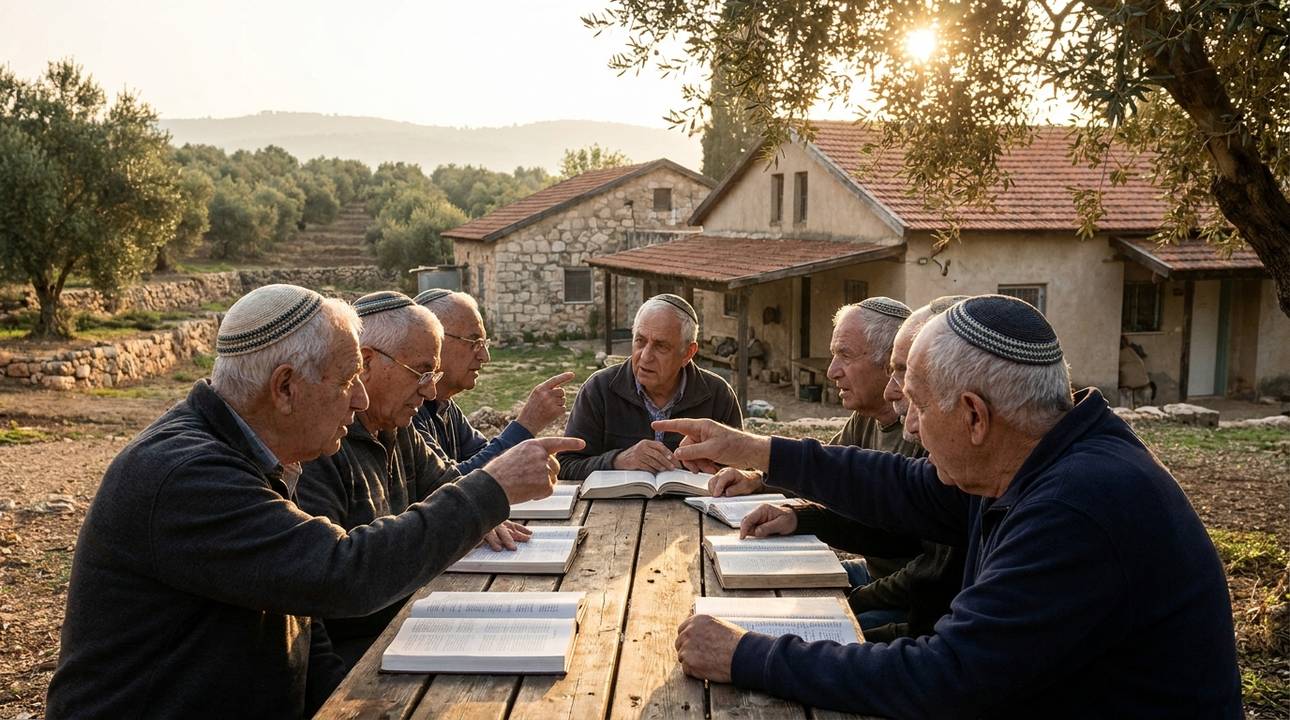
This combination of physical richness and spiritual depth has made ‘Galilea’ a name embodying hope and enlightenment. Throughout Jewish history, Galilee continued to serve as a center for religious learning and community life.
By invoking ‘Galilea,’ one connects to a tapestry of faith, study, and profound community bonds.
from the Western Wall to Masada.
The evolution of Galilea from a geographic reference to a symbol of spiritual aspiration continues to capture hearts and minds. Galilee, as mentioned in the Hebrew Bible, is a region that has witnessed significant events, such as the journeys of prophets like Elijah.
In 1 Kings 17:1-7, Elijah is sustained by the natural bounty of the land, emphasizing Galilee’s role in nurturing both body and spirit. Families adopting this name often express an affinity for heritage and cultural identity. Galilea represents a nexus where faith and daily life intertwine.
This reflects a legacy of coexistence that encourages understanding and respect for diverse traditions. ‘Galilea’ embodies the enduring legacy of Galilee as a center for learning and community life, as seen in its historical role as a hub for religious study and cultural exchange.

Galileo and Scientific Enlightenment
Galileo’s impact on science continues to be felt today. His work in the early 17th century marked a turning point in how we understand the natural world. By merging observation with theory, Galileo transformed the methods of scientific inquiry.
His use of the telescope to observe celestial bodies, such as the phases of Venus, provided evidence for the heliocentric model of the solar system.
Galileo’s trial before the Roman Catholic Inquisition in 1633 is a testament to his commitment to scientific truth, despite facing significant opposition. His dedication to uncovering truths hidden within the natural world has left an indelible mark on history.
‘Galileo’ has come to symbolize a relentless pursuit of knowledge, a trait greatly admired in various fields, from academia to everyday life.
This makes it a fitting tribute to a legacy that still motivates and educates. Galileo’s willingness to challenge established norms and seek new truths continues to inspire those who value curiosity and intellectual bravery.
His legacy is a reminder of the power of inquiry and the importance of challenging the status quo in the pursuit of truth. Galileo’s influence extends beyond science, touching on the broader human spirit of exploration and discovery.
Like Galilee, Galileo’s name embodies a spirit of exploration and curiosity. The region of Galilee is known for its diverse landscapes and vibrant history, as seen in the stories of prophets and leaders who walked its paths.
This connection to exploration is mirrored in Galileo’s life, as he ventured into the unknown realms of science. His work, such as his observations of Jupiter’s moons, challenged existing beliefs and expanded our understanding of the universe.
Galileo’s discoveries, including the phases of Venus, provided crucial evidence for the heliocentric model proposed by Copernicus. Choosing the name ‘Galileo’ often signifies a respect for scientific inquiry and wisdom.
It is a tribute not only to the historic figure but also to the ideals of free thought and discovery. As humanity continues to advance, Galileo remains a beacon exemplifying the endless possibilities of learning and achievement.

Exploring Name Meanings